

Optimizing Performance with Medium Barbell Weight Selection and Calibration
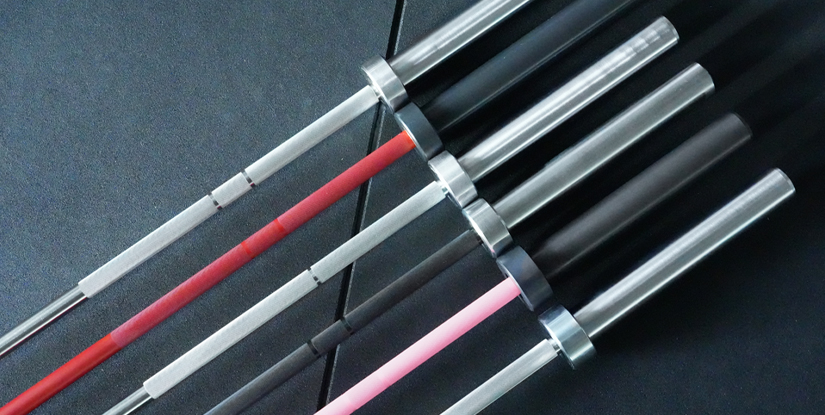
Addressing the Volatility of Medium Barbell Weight Discrepancies
In professional strength training environments, the most subtle disruption—a slight deviation in the actual versus labeled weight—can compromise long-term progressive overload. When an operator or athlete relies on a medium barbell weight that is non-compliant with precision standards, the resulting training errors are often dismissed as 'bad days' rather than equipment failures. This discrepancy usually arises from inconsistent casting during the manufacturing process or the degradation of internal components over time.
The core issue is rarely the bar itself, but the calibration of the load components. A medium-weight barbell, typically used for high-repetition accessory work or hypertrophy-focused sessions, must maintain a strict tolerance range to ensure physiological adaptation remains consistent. If the weight fluctuates, the central nervous system receives conflicting stimuli, stalling progress. Understanding the technical root of these deviations is the first step in establishing a controlled training environment.
| Issue Type | Primary Cause | Visible Indicator |
|---|---|---|
| Weight Drift | Material oxidation or plating loss | Discoloration or surface pitting |
| Center of Gravity Shift | Uneven density in load plate shells | Unnatural bar tilt during unrated movements |
| Tolerance Failure | Substandard casting density | Discrepancy between digital scale and nominal label |
By recognizing these indicators, operators can differentiate between human error and equipment inaccuracy. Once the source of the imbalance is identified, the focus must shift to the technical specifications that define a high-quality load.
Defining Technical Tolerances for Reliable Training Loads
Navigating the nuances of weight distribution requires a deep understanding of the specific medium barbell weight standards expected in commercial and high-performance settings. A 'medium' weight is not merely a middle-ground; it is a specific functional category used to bridge the gap between light metabolic work and heavy compound lifting. Without standardized tolerances, the utility of the equipment is severely diminished.
Material Density and Volume Consistency
High-quality loading components rely on uniform density. When manufacturers use inferior metal alloys or hollow-core construction without precision filling, the resulting weight can vary significantly from the nominal value. Professionals should look for equipment that utilizes solid-core or high-density iron to minimize the risk of internal shifting.
Dimensional Integrity and Grip Interface
Beyond the actual mass, the physical dimensions of the barbell—specifically the diameter of the shaft and the knurling texture—affect how the weight is perceived. A shaft that is too thin may feel lighter due to lack of tactile feedback, while an inconsistent diameter can lead to uneven force application. Ensuring that the sleeve diameter matches the plate thickness is crucial for a stable load.
Establishing these technical parameters provides a baseline for procurement. However, even the best-specified equipment requires a rigorous verification process to ensure it remains within those parameters during daily use.
Implementation of Daily Weight Verification Protocols
Relying solely on the nominal weight printed on a plate or bar is a common mistake in facility management. To maintain the integrity of a training program, operators must implement a scheduled verification protocol to ensure that the medium barbell weight remains within an acceptable margin of error, typically +/- 1% to 2%.
The Calibration Checklist for Operators
- Visual Symmetry Check: Inspect the barbell from both ends to ensure the sleeves are identical in thickness and diameter.
- Digital Benchmarking: Once per month, place the fully loaded barbell on a calibrated industrial floor scale to confirm the total mass.
- Center of Gravity Test: Perform a controlled lift to check for 'lopsidedness' that indicates internal density shifts.
- Knurling and Surface Inspection: Check for any areas where corrosion might have stripped material from the shaft or plates.
A failure to conduct these checks often results in athletes attempting to push through plateaus that are actually caused by inaccurate equipment. Regular verification transitions the operation from reactive troubleshooting to proactive maintenance.
With a verification schedule in place, the next logical step is the physical care required to prevent the very deviations we are testing for.
Explore the complete technical specifications:
Barbell Guide | Olympic Bar Sizes, Knurling & Tensile Strength
Managing the Long-Term Maintenance Lifecycle
A well-maintained barbell retains its precision, whereas neglected equipment becomes a liability. The lifecycle of a medium-weight barbell is heavily dictated by environmental factors such as humidity and the presence of sweat or cleaning chemicals, both of which can trigger oxidation and mass loss.
| Maintenance Task | Frequency | Required Tool/Material | Success Metric |
|---|---|---|---|
| Surface Cleaning | Post-Use | Microfiber cloth & water | No residual salt or grime |
| Rust Mitigation | Monthly | Light machine oil | Zero visible oxidation |
| Bearing/Bushing Check | Quarterly | Mechanical inspection | Smooth, fluid rotation |
| Full Weight Audit | Quarterly | Industrial scale | Within 2% of nominal weight |
Neglecting the surface integrity of the metal is a high-frequency mistake. Even a thin layer of oxidation can lead to significant material loss over years of use, eventually drifting the barbell out of its target weight class. By treating maintenance as a non-negotiable operational step, the longevity of the asset is preserved.
Proper maintenance not only extends life but also ensures that the technical specs established during procurement remain a reality throughout the equipment's lifespan.
Explore the complete technical specifications:
Men's Barbell Weight: 20kg Olympic & Powerlifting Bar Standards
Troubleshooting Common Weight and Balance Discrepancies
When an operator identifies a discrepancy during a routine check, the immediate reaction is often to discard the equipment. However, a systematic troubleshooting approach can determine if the issue is a simple fix or a permanent structural failure. Understanding the 'why' behind the error prevents unnecessary replacement costs.
Identifying the Source of the Deviation
The first step in troubleshooting is isolating whether the error lies in the barbell shaft, the weight plates, or the measurement tool itself. A common failure mode is the 'Scale Error,' where the digital scale used for verification has lost its own calibration. Always verify the scale with a known standard weight before testing the barbell.
The 'Drift vs. Shift' Distinction
It is essential to distinguish between a total weight drift (mass loss) and a center of gravity shift (distribution error).
- Weight Drift: Usually caused by long-term environmental degradation and is permanent.
- Center of Gravity Shift: Often caused by loose collars or uneven plate loading, which can be corrected by re-stacking and securing the load.
Once the source is isolated, the operator can decide whether to recalibrate, repair, or replace. This decision-making process is vital for maintaining a cost-effective and high-performing facility.
Explore the complete technical specifications:
Barbell Weight Plates: Hole Size, Material, Tolerance Comparison
Strategic Procurement for Consistent Weight Standards
Avoiding the pitfalls of inaccurate equipment begins at the point of purchase. For facilities requiring a consistent medium barbell weight across multiple stations, the procurement strategy must prioritize material transparency over lowest-bidder pricing. Many budget-friendly options sacrifice internal density for external appearance, leading to the very issues discussed earlier.
Key Procurement Decision Criteria
When reviewing technical spec sheets, buyers should look for detailed material composition. A professional-grade barbell should list its steel grade and the type of plating used (e.g., chrome, zinc, or stainless steel). Furthermore, ask for the expected weight tolerance. If a supplier cannot provide a specific tolerance percentage, it is a signal of low-precision manufacturing.
Comparing Tiered Equipment Options
Understanding where your equipment sits in the hierarchy of precision helps in setting realistic expectations for both staff and athletes. The following table illustrates the typical performance gaps found in the industry.
| Feature | Entry-Level/Consumer | Mid-Tier/Commercial | High-End/Performance |
|---|---|---|---|
| Tolerance Range | +/- 5% or higher | +/- 2% | +/- 0.5% to 1% |
| Material Quality | Standard Carbon Steel | High-Grade Alloy Steel | Precision-Engineed Steel |
| Consistency | High Variance | Controlled Variance | Near-Zero Variance |
By selecting equipment based on these metrics, a facility can virtually eliminate the problem of weight discrepancy from its operational workflow. As we conclude, the focus shifts from the individual piece of equipment to the holistic view of facility excellence.
Explore the complete technical specifications:
Rubber Barbell Weight Set: Barbell Quality Matters More Than Plates
Synthesizing Precision into Operational Excellence
The ultimate goal of managing a technical inventory of barbell weights is the seamless integration of equipment reliability into the daily training experience. Achieving this requires a loop of procurement, implementation, and rigorous oversight. When every piece of equipment performs exactly as expected, the facility transitions from a mere gym to a high-performance environment.
The ability to trust the numbers is the bedrock of professional strength training. Whether you are an equipment operator, a facility owner, or a technical buyer, maintaining the precision of your load management systems is an ongoing commitment to excellence. By applying the protocols of verification, maintenance, and strategic selection, you ensure that every kilogram lifted is a kilogram earned through legitimate and accurately measured effort.