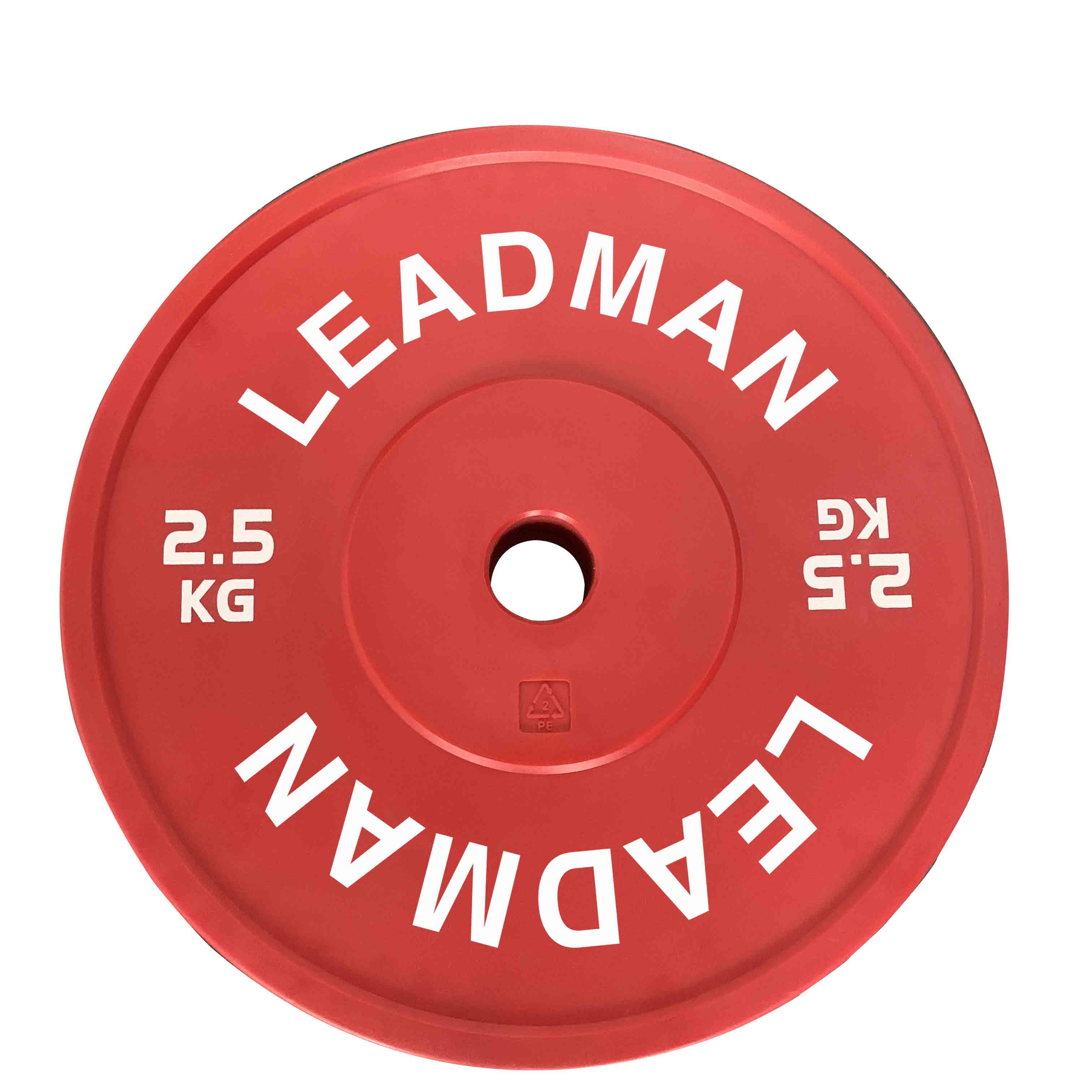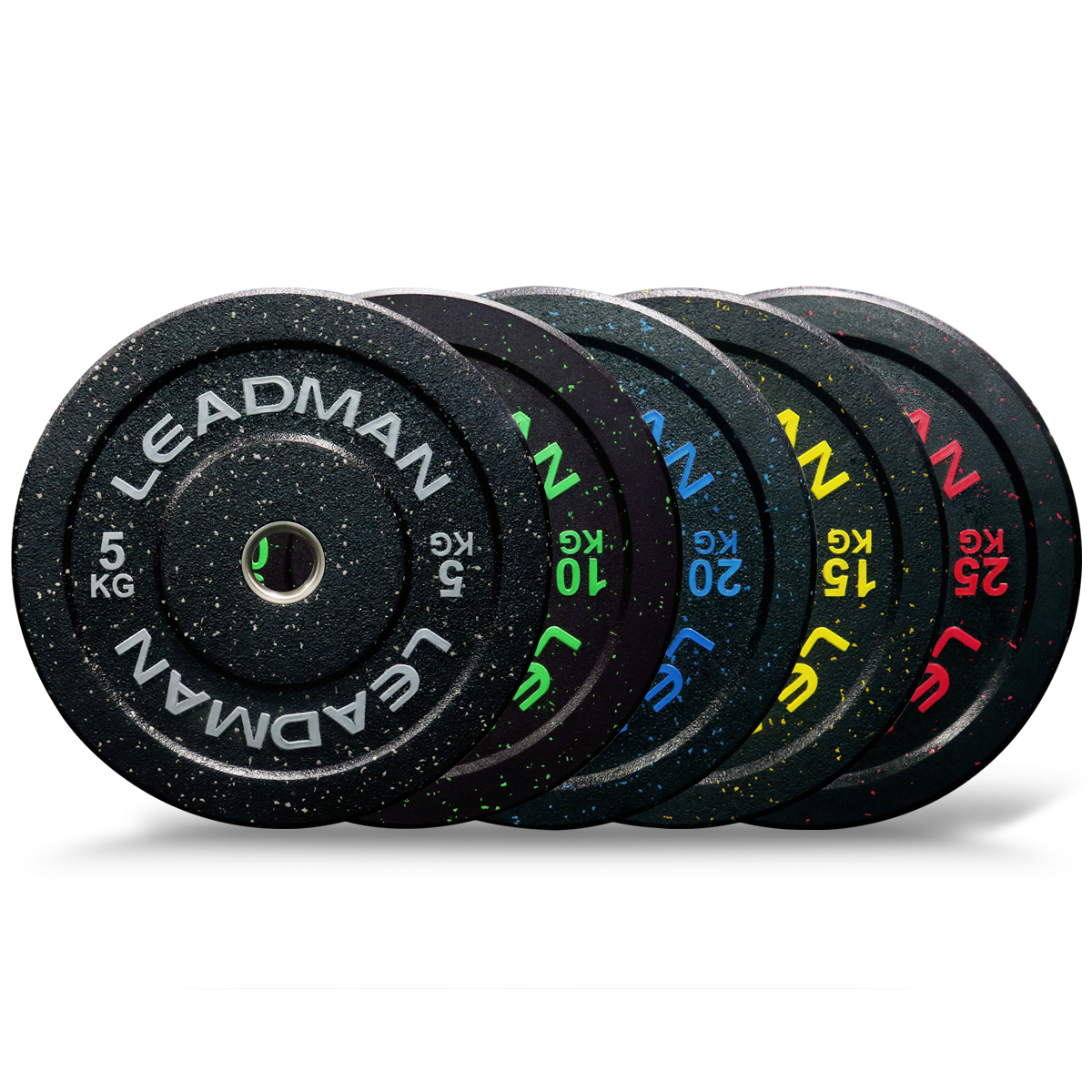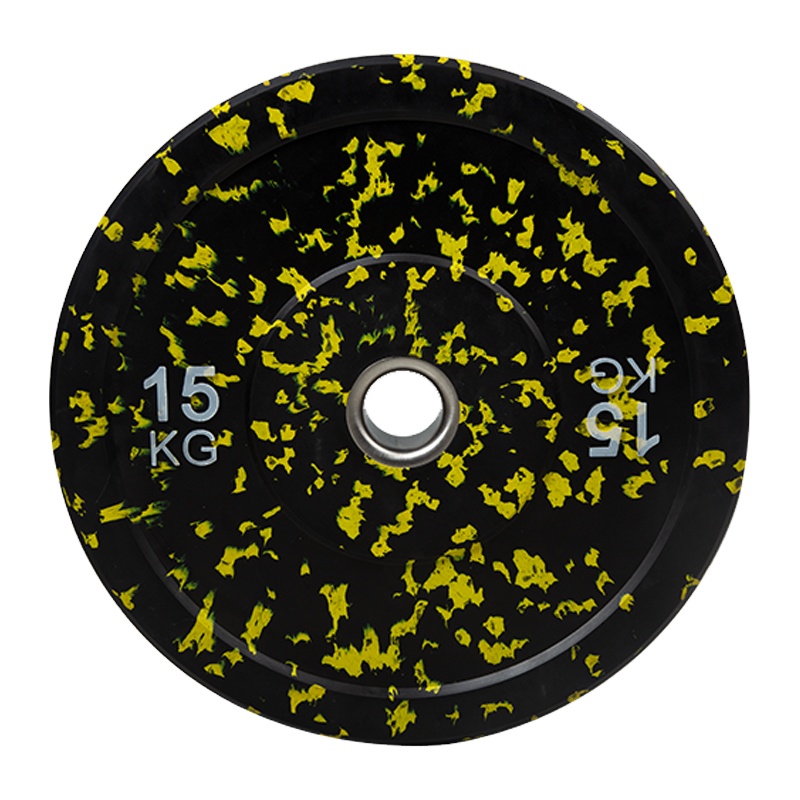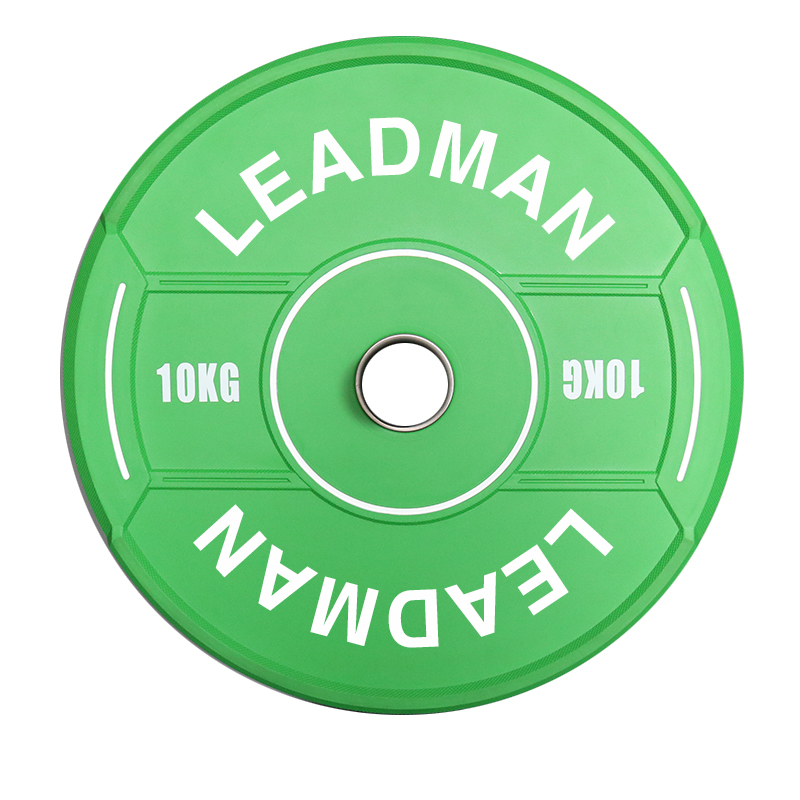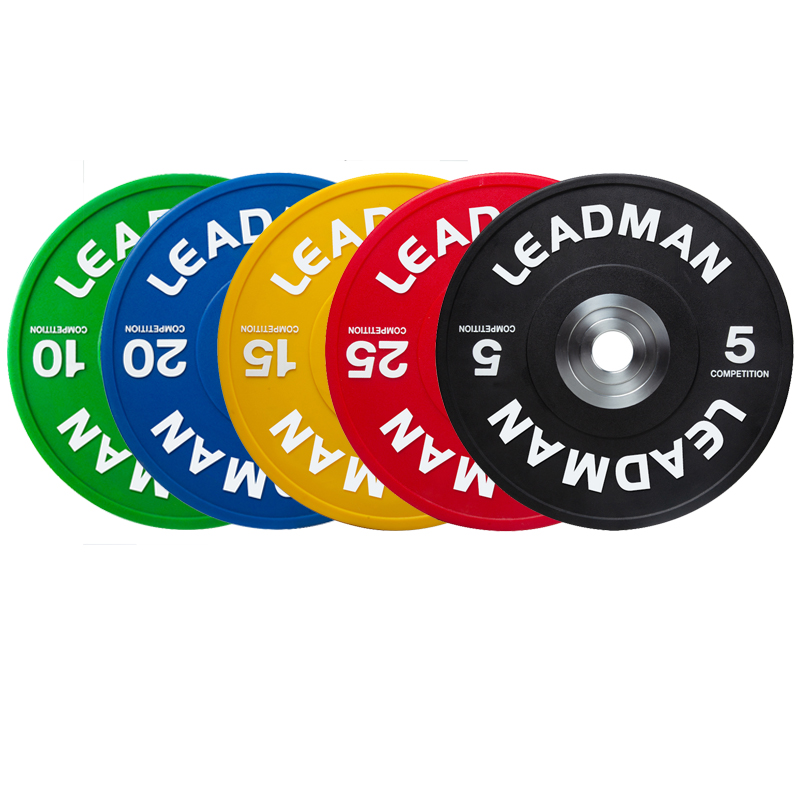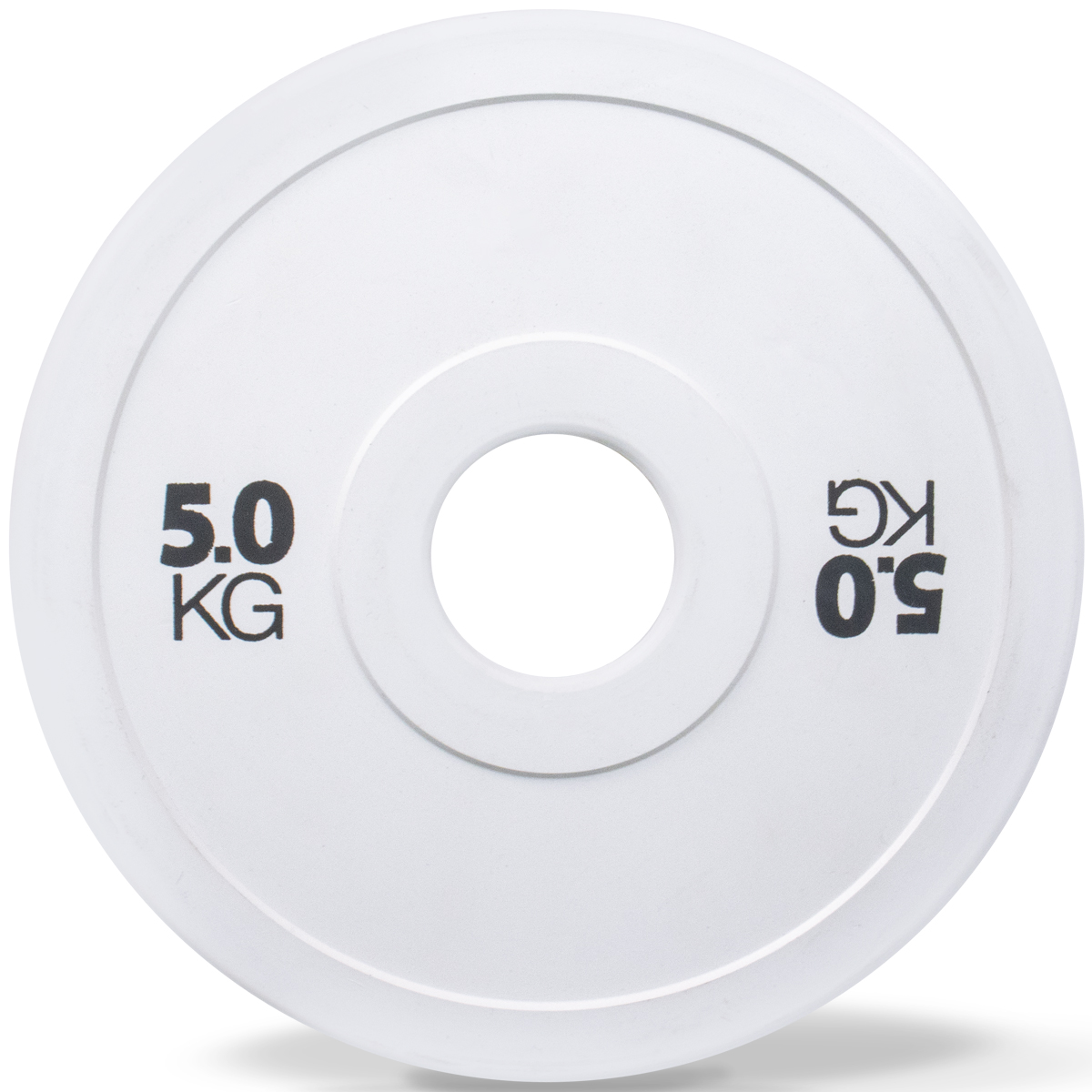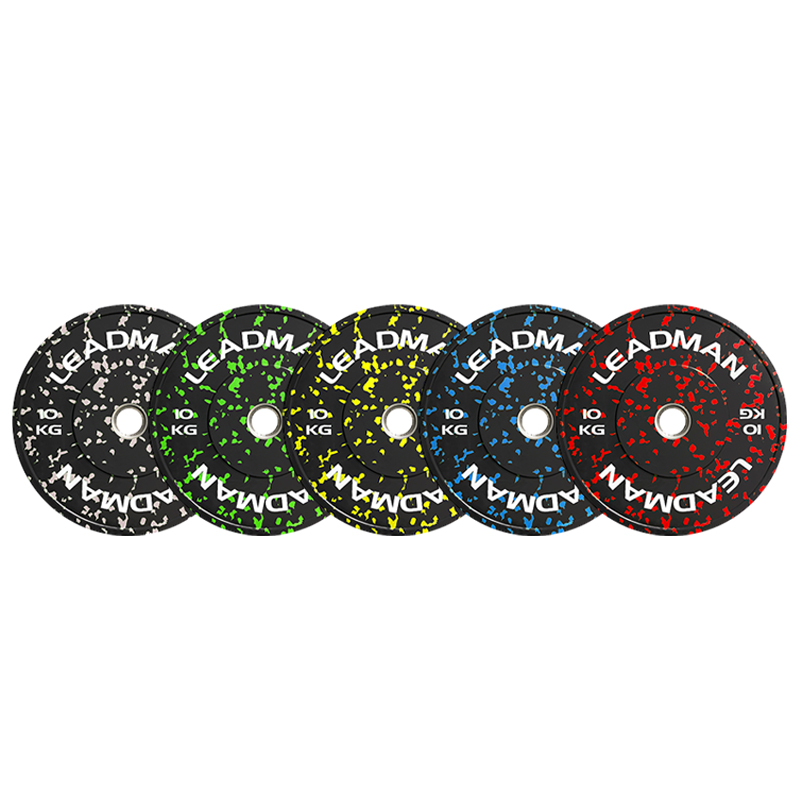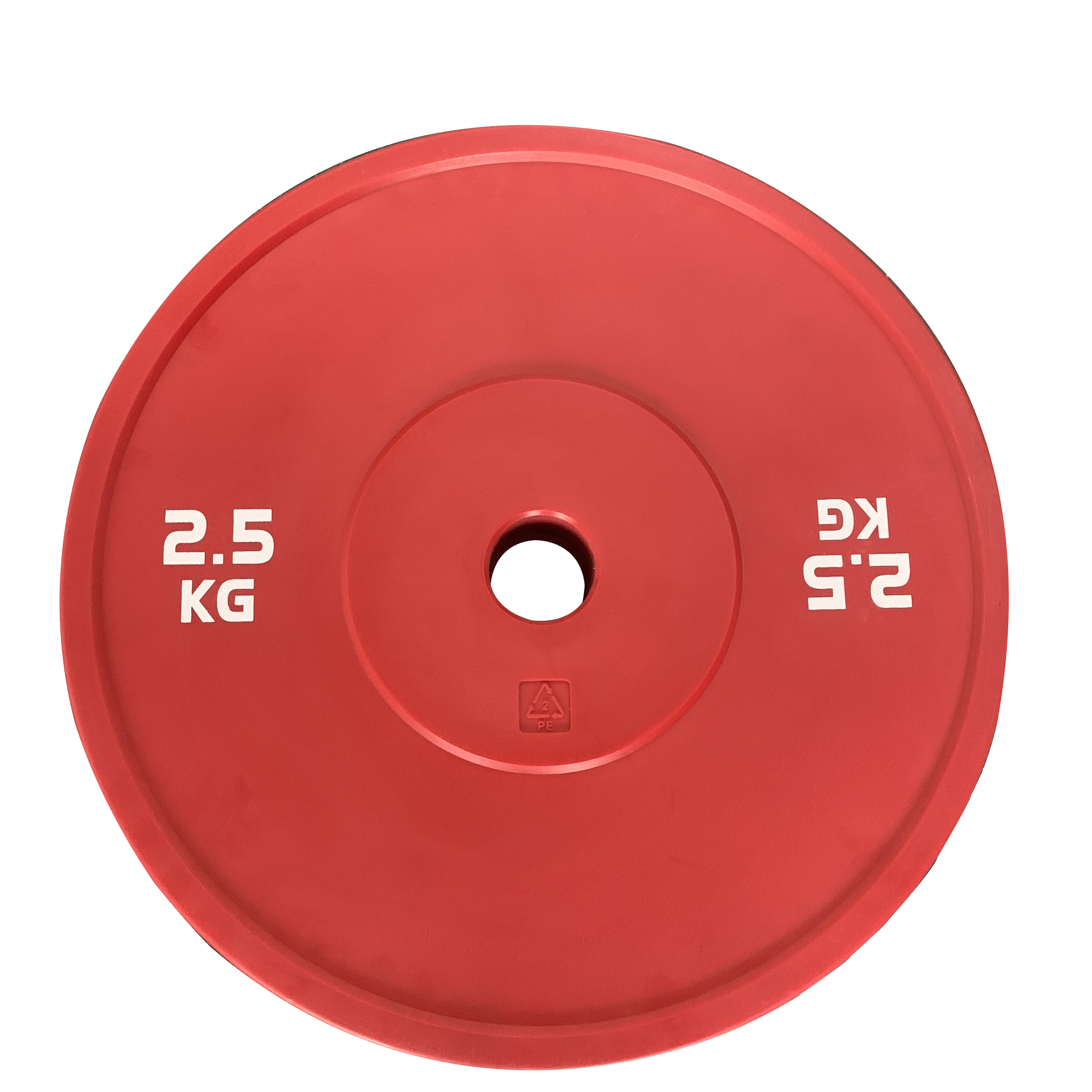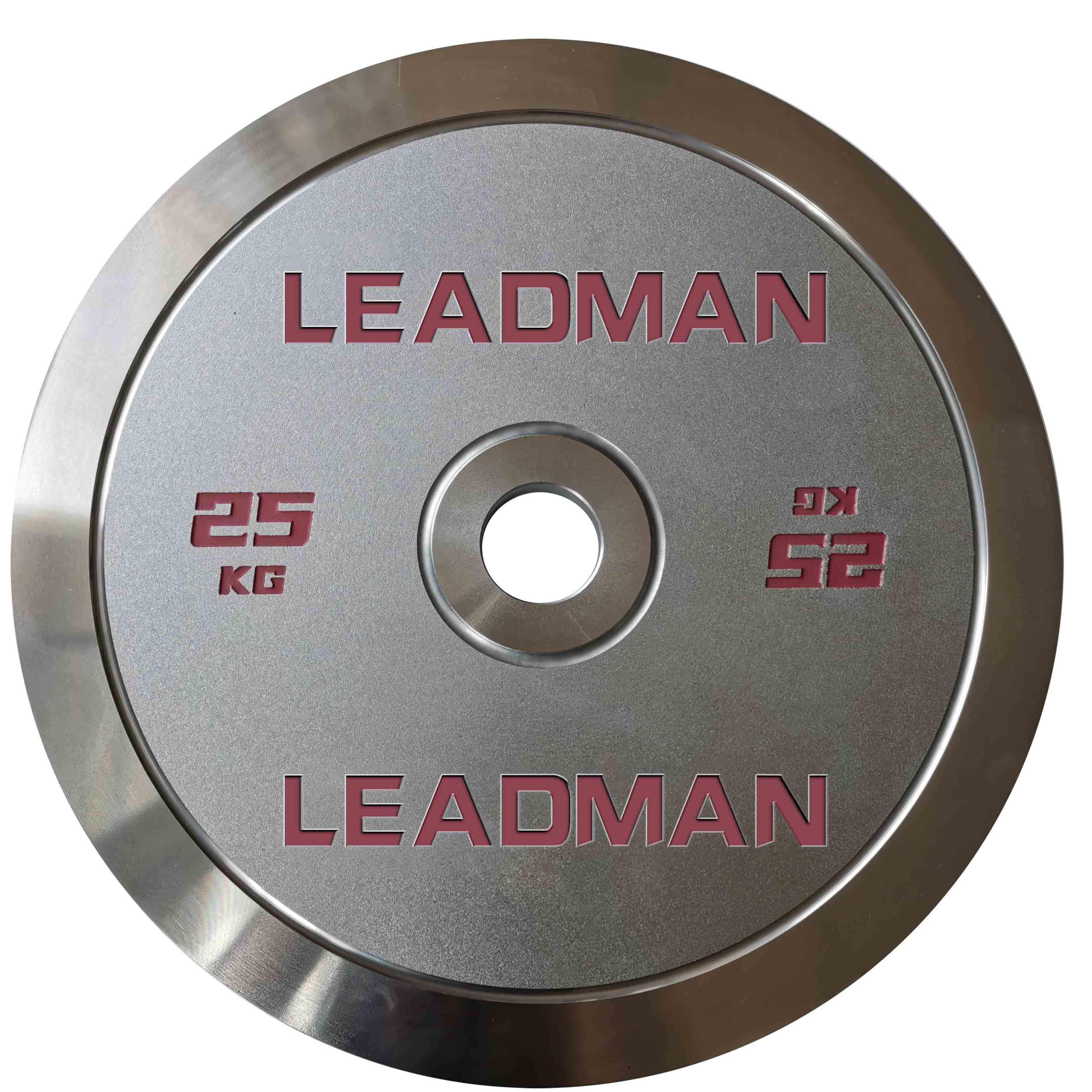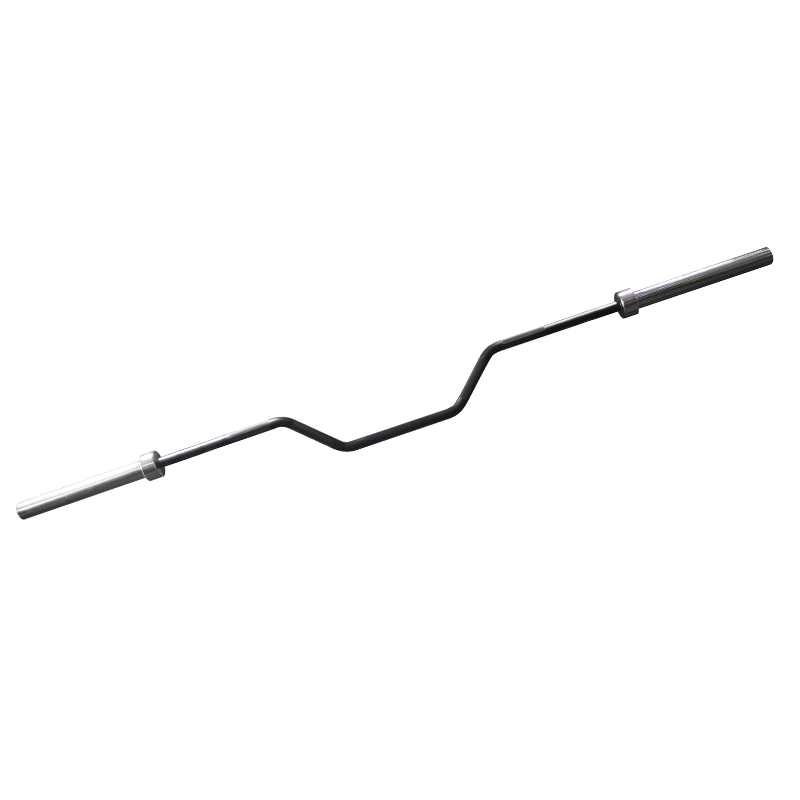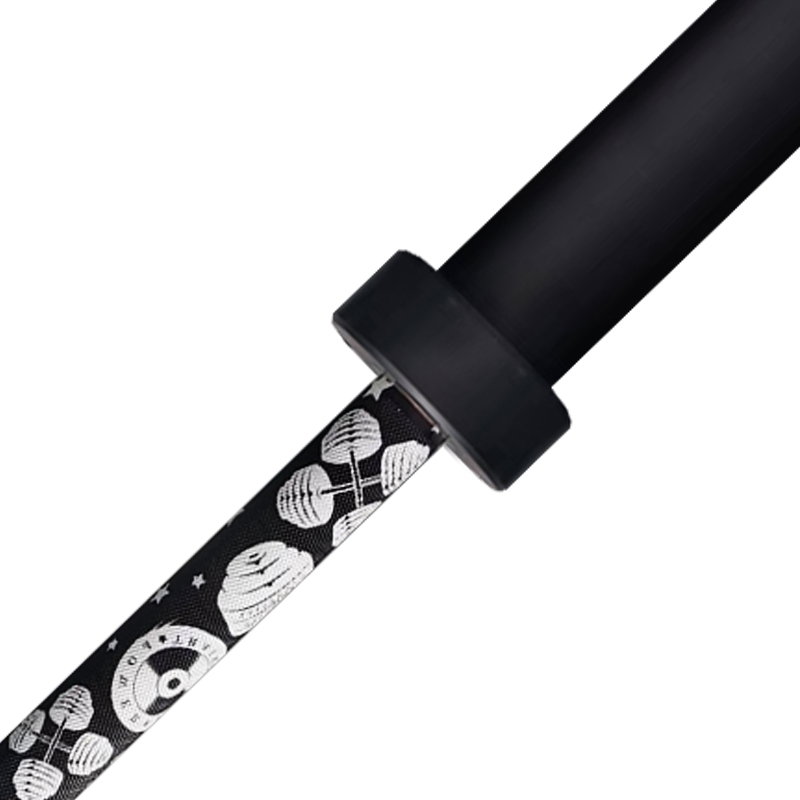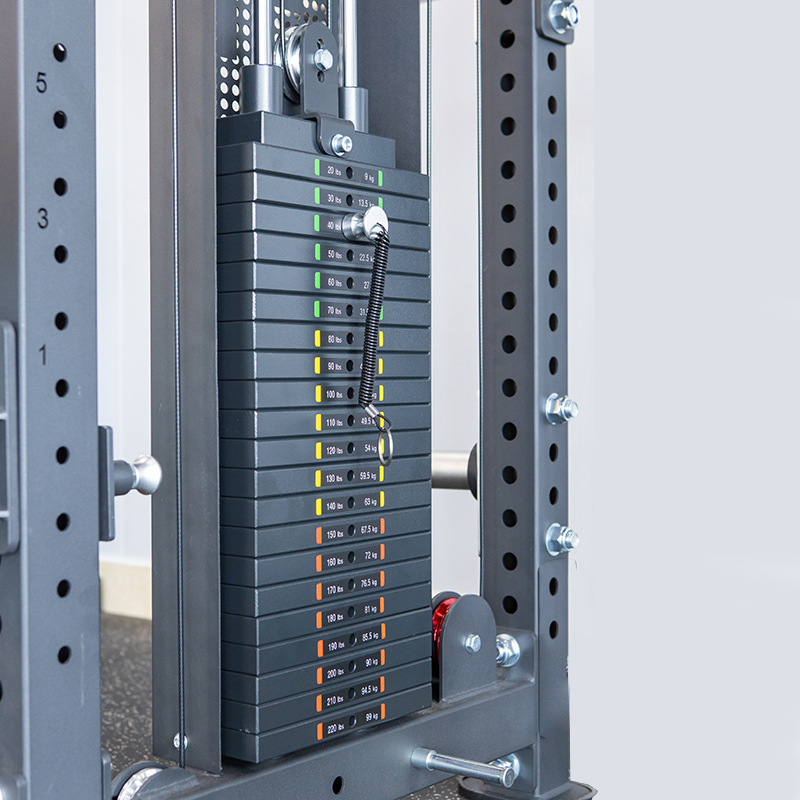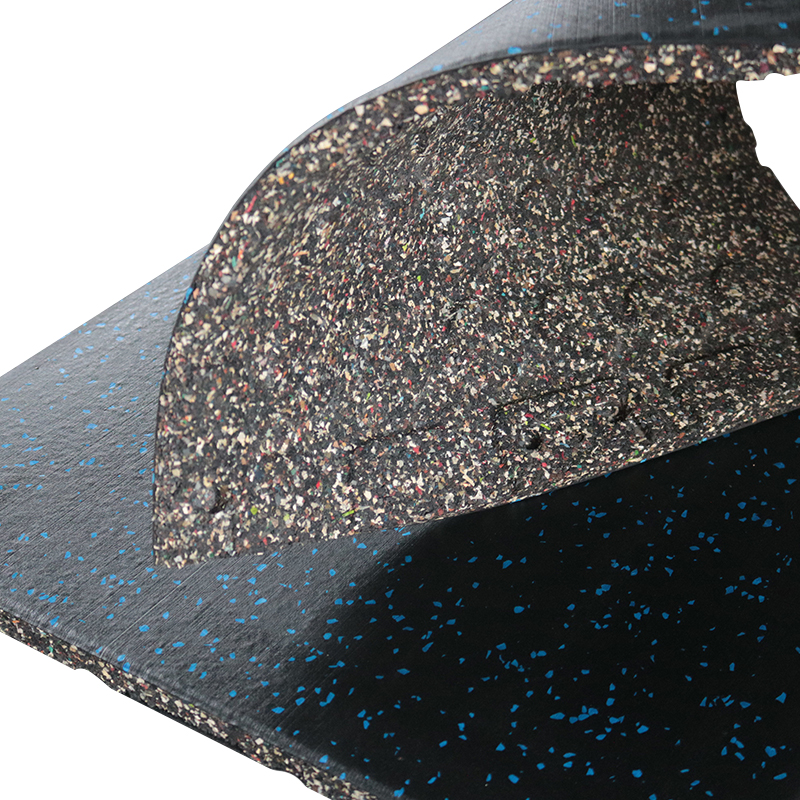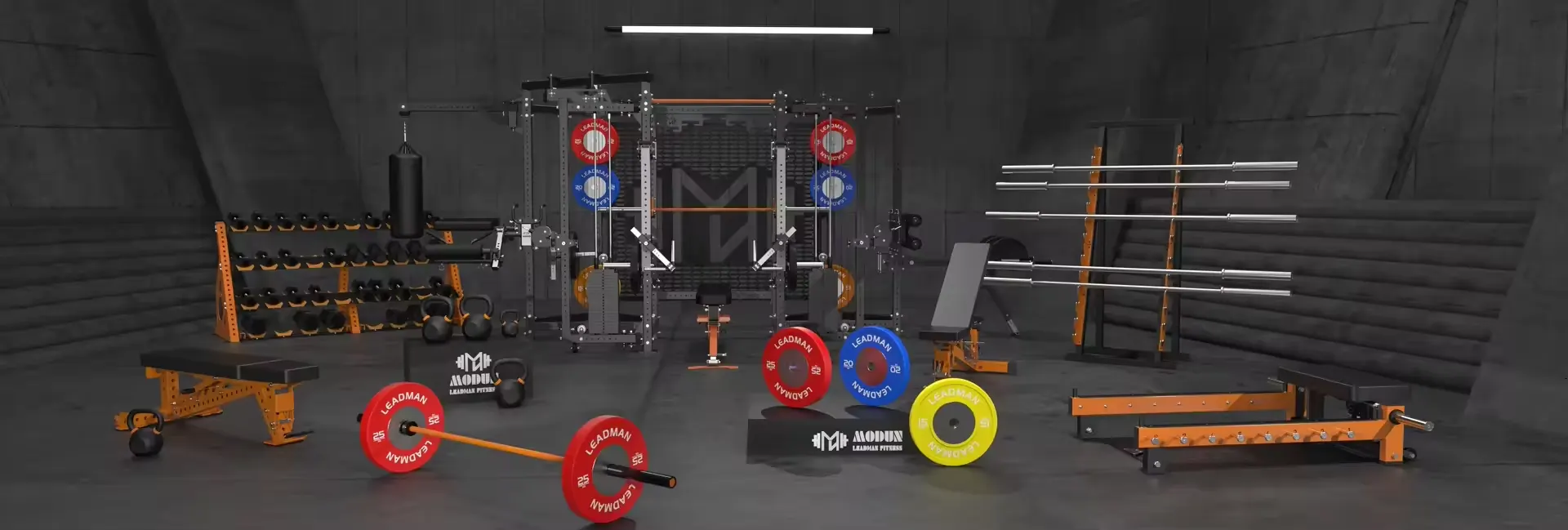
Barbell weight plates are the fundamental loading implements for strength training, available in multiple materials, hole sizes, and tolerance grades. The choice between cast iron, rubber-coated, urethane, or competition bumper plates affects floor protection, noise levels, training style compatibility, and long-term durability in commercial or home settings.
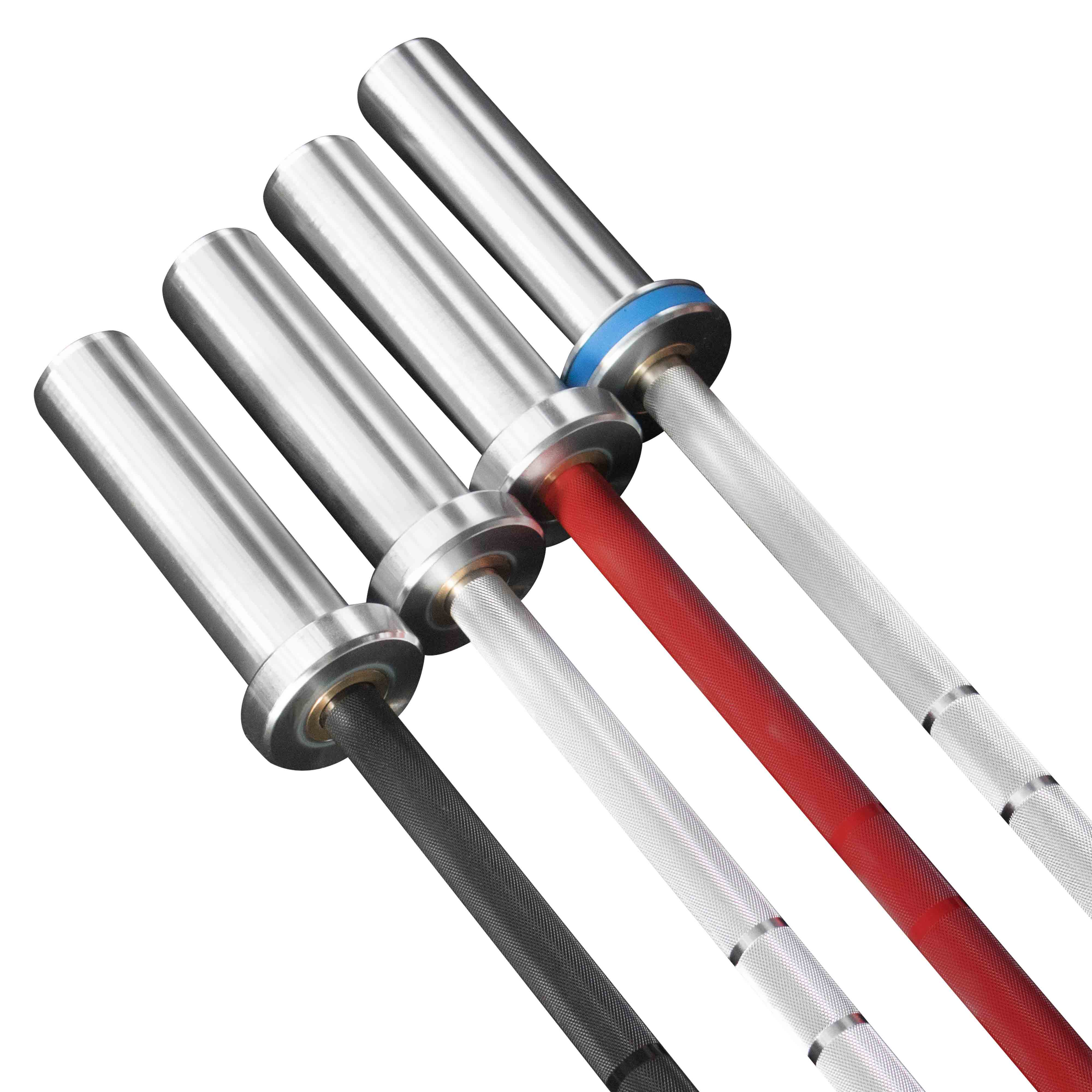
The critical distinction among barbell weight plates is the center hole diameter and sleeve compatibility. Olympic plates feature a 50mm (1.98-inch) center hole, fitting standard Olympic barbells used in most commercial gyms and serious home setups. Standard plates use a 25mm (1-inch) hole for thinner, older-style barbells. Attempting to mix plate types on incompatible bars damages both the plates and barbell sleeves, creating dangerous loading instability.
Material composition determines a plate's use case. Cast iron plates are thinnest per pound, allowing maximum loading on the sleeve, but damage flooring when dropped and produce loud clanking. Rubber bumper plates have uniform thick rubber, designed for repeated overhead dropping in Olympic lifting, but consume sleeve space. Rubber-coated cast iron plates offer floor protection without the thickness of bumpers, but should never be dropped from height—the iron core cracks flooring. Urethane plates provide the durability of rubber with superior abrasion resistance, no odor, and longer lifespan at 2-3x the cost.
For buyers, weight tolerance matters for balanced loading. Fitness-grade plates have +/- 3% variance, acceptable for general training. Commercial-grade achieves +/- 2%. Competition-grade meets +/- 1% or better. A mismatched pair with 5% variance forces the lifter to compensate asymmetrically, risking muscle imbalance or injury over time. Always weigh new plates upon arrival and pair closely matched ones for heavy bilateral lifts.

Let our experts design the perfect gym solution for your business. Get a free consultation and quote today.