

The Importance of Wholesale Workout Accessories for Member Engagement
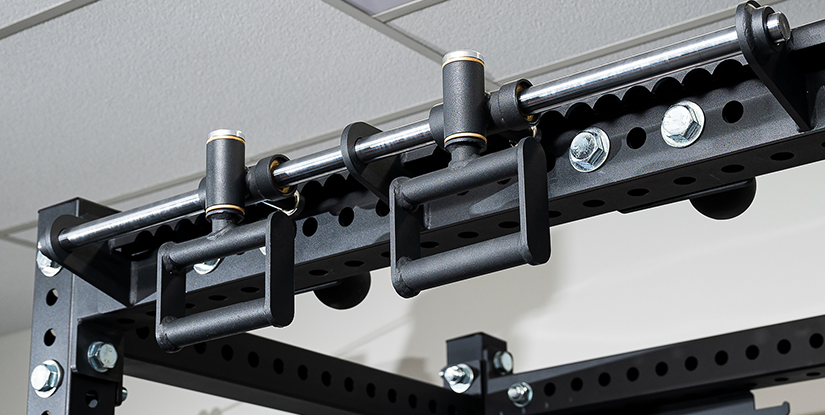
In the competitive landscape of modern fitness, physical infrastructure is no longer the sole differentiator. While large-scale strength machines provide the foundation, the nuance of member satisfaction often resides in the smaller, more versatile elements of a workout. Understanding the importance of wholesale workout accessories for member engagement is crucial for facility managers who aim to move beyond basic service toward a premium, specialized training experience.
The Strategic Role of Accessories in Retention
Accessories serve as the bridge between traditional weightlifting and the rapidly evolving trends of functional movement and boutique-style training. When a facility offers a diverse range of tools, it caters to a wider demographic, including those focused on yoga, mobility, and HIIT. By investing in a broad inventory, a gym signals that it is current and versatile.
To effectively implement this, consider these two implementation details: first, create specialized 'zones' (e.g., a mobility corner or a functional HIIT station) to showcase these items; second, ensure the variety matches the training programs offered by your instructors. A common mistake is treating accessories as an afterthought, resulting in a cluttered, disorganized space that feels unprofessional. When accessories are integrated into the training culture, they become a core part of the member's journey, driving higher satisfaction rates. This strategic placement leads directly into the necessity of selecting the right materials.
Selection Criteria: Material Grades and Durability
Not all wholesale products are created equal. The quality of the materials used in your accessories directly affects both the user experience and your replacement frequency. For instance, a resistance band that snaps due to poor polymer quality is not just a replacement cost; it is a liability and a blow to member trust.
Use the following comparison checklist when evaluating potential stock:
- Foam Density: High-density NBR (Nitrile Butated Rubber) vs. low-density EVA. Higher density ensures shape retention in yoga blocks and rollers.
- Resistance Materials: TPE (Thermoplastic Elastomer) vs. standard latex. TPE is often more eco-friendly and hypoallergenic, which is a selling point for many members.
- Grip Surface: Non-slip coatings on mats or hand weights should be tested for moisture resistance to ensure performance during high-intensity sessions.
A critical failure mode to avoid is selecting items based solely on the lowest unit price without checking the material specification sheet. If a supplier cannot provide the specific polymer or density type, the product's longevity is highly questionable. Selecting high-grade materials ensures that your facility remains a reliable environment, which sets the stage for long-term maintenance requirements.
Maintenance and Safety Inspection Protocols
Even the highest-quality wholesale accessories require a structured maintenance routine. A lack of oversight can turn a functional training area into a safety hazard. Regular inspections prevent accidents and extend the lifecycle of your investment.
Implement a two-tier inspection system for your staff:
- Daily Visual Check: A quick walkthrough to identify any visible fraying on bands, cracks in foam rollers, or surface tears in mats.
- Weekly Deep Inspection: A more formal tactile test. Staff should physically check for loss of tension in resistance bands and ensure that any adjustable parts of small equipment remain secure.
A common mistake in facility management is waiting for a member to report a broken item before taking action. Instead, proactive maintenance demonstrates a high level of care. Once the safety of the equipment is ensured through these protocols, the focus shifts to the procurement strategy required to keep the inventory fresh.
Procurement Strategy: Balancing Volume and Variety
When sourcing wholesale workout accessories, many managers struggle with the dilemma of whether to buy massive quantities of a single item or smaller amounts of many different items. Both approaches have merits depending on your target demographic.
Consider the following procurement model:
| Strategy | Focus | Best For |
|---|---|---|
| High Volume/Low Variety | Core Essentials (Mats, Dumbbells) | Standard commercial gyms with high foot traffic. |
| Low Volume/High Variety | Trending Items (Kettlebells, Stability Balls, TRX-style straps) | Boutique studios and specialty training centers. |
A successful approach involves maintaining a deep stock of 'staple' items while using a 'seasonal' ordering pattern for trending accessories. This keeps the training environment feeling dynamic without over-committing capital to items that might fall out of fashion. This balanced procurement strategy is the foundation for achieving a strong return on investment.
Calculating ROI: Beyond the Initial Purchase Price
To justify the budget for premium accessories to stakeholders, one must look beyond the immediate expense. The Return on Investment (ROI) for high-quality accessories is found in member retention and reduced replacement costs.
Track these metrics to prove value:
- Usage Frequency: Monitor how often specialized zones (e.g., the mobility area) are utilized during peak hours.
- Replacement Cycle: Compare the lifespan of premium-grade items against budget-grade items over a 12-month period.
- Member Feedback: Track qualitative data from surveys regarding the quality and variety of available training tools.
If your facility's accessories are frequently out of order or look worn out, it negatively impacts the perceived value of the membership. By treating accessories as a value-add rather than an expense, you drive long-term growth. However, high-quality procurement must be paired with rigorous risk mitigation to ensure safety.
Risk Mitigation: Avoiding Low-Quality Suppliers
The greatest risk in purchasing wholesale is the 'cheap trap'—buying low-quality goods that appear sufficient but fail under real-world usage. This can lead to legal liability and brand damage.
To mitigate this risk, apply these decision criteria during the vendor selection process:
- Request Technical Data: Never accept vague terms like 'premium.' Demand specifics on material density, tensile strength, and UV resistance.
- Sample Testing: Before placing a large wholesale order, request or purchase a sample to test under simulated high-intensity use.
- Supplier Reputation: Research if the supplier specializes in commercial-grade equipment or if they primarily serve the low-end retail market.
Failure to do this can lead to a cycle of constant replacement and frustrated members. By establishing these guardrails, you ensure that your inventory supports, rather than hinders, your facility's reputation. This leads to a more profound understanding of how these tools impact the psychology of the member.
The Psychological Impact of Equipment Variety
The presence of diverse, high-quality accessories impacts the psychological engagement of a member. When a user sees a range of tools—from specialized balance trainers to various resistance levels—they feel a sense of possibility. This variety encourages experimentation and helps prevent the 'workout plateau' that often leads to member churn.
A well-equipped facility fosters a culture of continuous learning. Whether a member is a beginner or an advanced athlete, having the right accessory makes the training feel more personal and professional. This sense of professional support is a powerful driver of loyalty. As we have explored, this is achieved through a combination of high-grade material selection, strategic procurement, and consistent maintenance.
Conclusion: Building a Future-Proof Facility
In conclusion, the importance of wholesale workout accessories for member engagement cannot be overstated. While they are smaller in scale compared to treadmills or power racks, their impact on the daily user experience is disproportionately large. By focusing on high-quality materials, implementing strict maintenance protocols, and balancing variety with volume, facility owners can create a dynamic environment that keeps members coming back. Investing in the 'small things' is, ultimately, an investment in the long-term health and profitability of your fitness business.