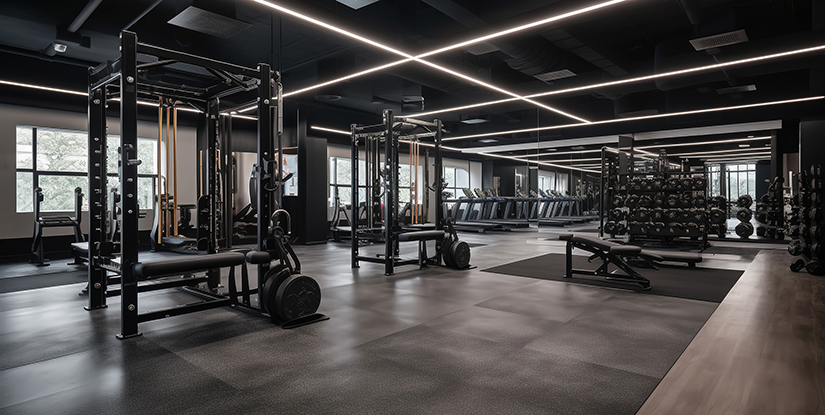
Understanding the Modality Pillars of Fitness
Successful fitness facilities are built upon a balanced ecosystem of movement modalities. When selecting a gym equipment combination, you must look beyond individual machines and instead view your floor as a cohesive functional network. A well-rounded facility typically rests on four primary pillars: cardiovascular endurance, resistance training, functional movement, and recovery. If one pillar is neglected, the entire facility's utility decreases. For instance, a gym heavy on cardio but lacking foundational strength tools will struggle to attract long-term strength enthusiasts, while a strength-only facility may alienate the vast demographic of wellness-focused cardio users.
To establish these pillars, consider the following distribution baseline:
- Cardio Pillar: High-intensity interval trainers, steady-state machines, and endurance tools.
- Strength Pillar: free weights, plate-loaded machines, and selectorized weight stacks.
- Functional Pillar: Bodyweight stations, mobility tools, and stability equipment.
- Recovery Pillar: Stretching areas and low-impact movement zones.
The failure to balance these pillars often results in a 'specialization trap,' where your gym becomes too niche to maintain a broad membership base. Once you have defined these pillars, you must move toward the technical specifications of the individual units.
Technical Specifications and Durability Standards
Choosing the right combination requires a deep dive into the technical build of each piece. A common mistake is focusing solely on aesthetics while ignoring the structural integrity of the frame and the quality of the internal components. Commercial-grade equipment must be able to withstand high-frequency usage cycles without significant mechanical fatigue. When evaluating technical specs, you should look for high-gauge steel tubing and high-density foam padding, which indicates a higher durability threshold.
Use this checklist to evaluate technical quality before procurement:
| Component | Standard to Look For | Red Flag |
|---|
| Frame Construction | Heavy-gauge, powder-coated steel | Thin, lightweight tubular steel |
| Cable/Pulley System | High-tensile steel cables with nylon coating | Frayed or thin wire ropes |
| Upholstery | High-density, tear-resistant synthetic leather | Thin foam that bottoms out under weight |
| Motor/Electronics | Industrial-grade high-torque motors | Consumer-grade motors with high heat buildup |
By ensuring your technical standards are high across all modalities, you prevent the 'weakest link' phenomenon, where one low-quality machine causes a disruption in the member experience. However, technical strength is meaningless if the equipment is not placed strategically within your space.
Spatial Sequencing and User Flow Optimization
The way you arrange your gym equipment combination directly affects the 'throughput'—the number of members who can train effectively in a given time. Spatial sequencing involves placing equipment in a logical order that follows the typical user journey. A frequent error is placing high-intensity, loud equipment, such as heavy plate-loaded machines, immediately adjacent to low-intensity areas like yoga or stretching zones. This creates acoustic and psychological friction, frustrating users in both zones.
A proven spatial sequencing model follows this logic:
- The Entrance/Warm-up Zone: Low-intensity cardio and stretching.
- The Transition Zone: Selectorized machines and lighter resistance.
- The High-Intensity Core: Free weights, heavy lifting racks, and high-impact machines.
- The Functional Perimeter: Open floor space for mobility and bodyweight training.
Proper sequencing ensures that movement flows naturally and reduces the risk of collisions. While a great layout maximizes space, you must also consider the long-term maintenance requirements of these zones. A well-organized layout makes it easier to perform routine checks and clean the equipment.
Maintenance Synergy and Operational Longevity
When selecting a combination of equipment, you should aim for 'maintenance synergy.' This means choosing pieces that require similar types of care and parts. If you buy a diverse set of machines from vastly different types of suppliers, your maintenance costs will skyly rise due to the need for varied spare parts and specialized technicians. For example, if your treadmill line uses a specific motor type and your rowing machines use another, you are doubling your inventory of critical spare parts.
To optimize for maintenance, consider these two approaches:
- The Unified Approach: Sourcing a high percentage of equipment from a single highly-reputable supplier to ensure part interchangeability.
- The Hybrid Approach: Mixing specialized equipment (like high-end cardio) with general strength tools, provided the maintenance protocols remain distinct and manageable.
The most common failure in this stage is the 'Neglected Component Error,' where a facility owner buys high-end machines but fails to budget for the specialized maintenance required to keep them running. Neglecting this can lead to significant downtime and member dissatisfaction. Once you have a maintenance plan in place, the final step is integrating the digital side of modern fitness.
Digital Integration and Technology-Driven Training
Modern gym-goers expect more than just iron and cables; they expect data. A competitive equipment combination should integrate with the digital ecosystem. This includes machines with built-in consoles for tracking heart rate, strength progression, and even social connectivity. When you choose your combination, verify whether the machines are compatible with common fitness tracking platforms or if they can operate in an offline mode to minimize technical glitches.
Consider the following tiers of technology integration:
- Basic Tier: Machines with manual counters and basic resistance settings.
- Mid Tier: Digital displays showing real-time metrics (RPM, wattage, time).
- Advanced Tier: Fully connected systems that sync with user smartphones and wearable devices for automated tracking.
Integrating technology can increase the perceived value of your gym, but it also introduces a new layer of complexity. If your technology is outdated or frequently fails, it becomes a liability rather than an asset. This brings us to the economic side of the equation: managing your budget effectively during the procurement phase.
Economic Risk Management and Procurement Pitfalls
The procurement of gym equipment is a major capital expenditure that carries significant economic risk. One of the most dangerous pitfalls is the 'Bundled Discount Fallacy.' This occurs when a supplier offers a massive discount on a full suite of equipment, but the individual pieces are of sub-par quality. Always perform a component-level audit rather than relying on the total bundle price. A cheap bundle might seem like a win today, but the frequent replacement costs will erode your profits in the long run.
To mitigate economic risk, use this procurement framework:
- Total Cost of Ownership (TCO) Analysis: Don't just look at the purchase price. Calculate the cost of electricity, maintenance, and potential replacement parts over a five-year period.
- Phased Implementation: Instead of buying everything at once, invest in a core set of high-quality items first and expand the combination as your membership grows.
- Verify Lead Times: Ensure that your chosen suppliers have a reliable track record for delivering parts and replacement units to avoid long periods of equipment downtime.
By managing these economic variables, you ensure that your initial investment drives long-term revenue rather than becoming a sunk cost. This requires a final, holistic view of how these pieces work together within your facility's specific culture.
Aligning Equipment with Brand Identity
Your equipment combination is a physical manifestation of your brand. A high-end, boutique studio focused on luxury wellness should not be outfitted with the same rugged, industrial-looking machines found in a hardcore bodybuilding gym. The aesthetic and tactile feel of the equipment communicates your brand's message to every member who walks through the door.
When aligning equipment with your brand, focus on these three dimensions:
- Visual Aesthetic: The color schemes, frame finishes, and upholstery textures.
- User Experience (UX): The ease of use, the smoothness of the weight stacks, and the intuitiveness of the digital interfaces.
- Atmospheric Impact: The noise level and the physical footprint of the machines.
A mismatch between your brand promise and your physical equipment is a fast way to lose credibility. Once your brand and equipment are aligned, you are ready to move into the final stage of facility optimization.
Long-Term Success and Continuous Evolution
The ideal gym equipment combination is not a static choice; it is an evolving one. A successful facility owner understands that as fitness trends shift—moving, for example, from heavy lifting to more functional and mobility-based training—the floor layout and equipment mix must also adapt. The key to long-term success is building a foundation of high-quality, versatile equipment that can be easily reconfigured or supplemented.
To ensure your facility remains relevant, implement these two habits:
- The Quarterly Audit: Every three months, review which machines are seeing the most use and which are being neglected. Use this data to inform your next procurement cycle.
- The Feedback Loop: Actively solicit feedback from members regarding the quality and variety of the equipment. They will often notice mechanical issues or gaps in the modality pillars before you do.
By treating your equipment selection as a dynamic process rather than a one-time event, you ensure that your facility remains a top-tier destination for your target demographic.