

Optimizing Facility Longevity: How Bulk Gym Mats Improve Safety and Comfort
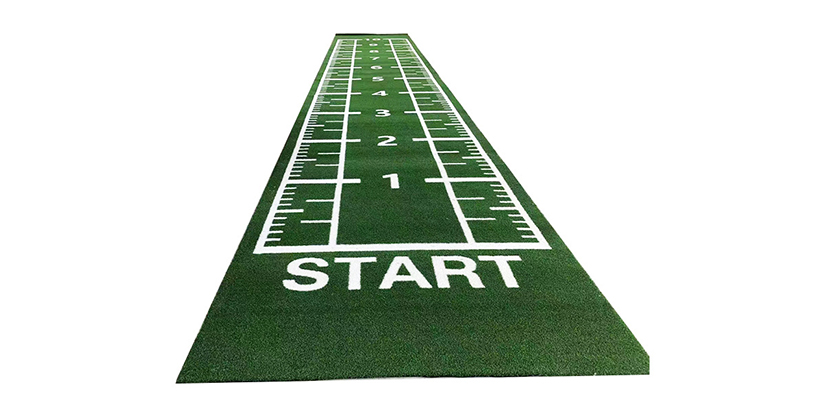
For commercial facility managers and large-scale fitness operators, the procurement of flooring is rarely a matter of simple aesthetics. It is a strategic decision involving long-term liability mitigation and user retention. When evaluating high-volume orders, the primary challenge lies in balancing material density with durability. Selecting sub-standard materials leads to premature degradation, which directly impacts the safety and comfort of the end-user. Understanding how bulk gym mats improve safety and comfort requires a technical deep dive into material science, installation precision, and life-cycle management.
Identifying Material Density and Impact Absorption Requirements
The most frequent failure in facility planning occurs when operators underestimate the requisite shock absorption for specific training zones. A common mistake is assuming a universal thickness will suffice across all workout areas. High-impact zones, such as heavy lifting platforms, require significantly higher density than standard cardio areas to prevent sub-floor damage and joint fatigue.
When selecting materials, professionals must differentiate between standard EVA foam and high-density vulcanized rubber. While EVA is cost-effective for light yoga or stretching, it lacks the structural integrity required for heavy equipment. For high-traffic commercial environments, vulcanized rubber provides a non-compressible surface that maintains its shape under load, ensuring consistent impact protection over time.
| Material Type | Primary Use Case | Impact Absorption Profile | Durability Rating | |
|---|---|---|---|---|
| EVA Foam | Yoga, Mobility, Light Stretching | High (Soft/Compressible) | Low (Susceptible to denting) | |
| High-Density Rubber | Strength Training, Free Weights | Medium (Controlled rebound) | High (Resilient under load) | |
| Dual-Layer Hybrid | Crossfit, HIIT, High-Impact | Very High (Multi-stage shock) | Extremely High |
Establishing these baseline material parameters is the first step in a successful procurement cycle. Once the material density is aligned with the functional zones, the focus must shift to the physical dimensions and surface textures to prevent secondary hazards.
Evaluating Surface Friction and Slip Resistance Standards
Beyond impact absorption, the surface finish of the flooring dictates the level of operational risk. A material that is too smooth may lead to slip-and-fall incidents during high-sweat sessions, while a surface that is too aggressive can cause skin abrasions or interfere with specialized footwear. This balance is critical for maintaining a high safety standard in professional environments.
To verify performance, operators should look for textures that offer multi-directional grip. A common failure mode is the use of extremely smooth mats in high-moisture areas like adjacent stretching studios. This often results in 'micro-slippage,' where the user feels a slight loss of traction during lateral movements. To avoid this, specify a textured finish that remains effective even when a thin film of perspiration or moisture is present.
Verifying Grip Integrity Through Physical Testing
Before committing to a large-scale installation, professionals should perform a basic friction test. This involves applying a controlled amount of moisture to the surface and observing the drag coefficient with standard athletic footwear. If the surface feels slick under minimal moisture, it is unsuitable for high-intensity training zones.
With the correct surface texture identified, the next logistical hurdle is ensuring the mats remain stationary once laid out, preventing the dangerous 'creeping' effect seen in poorly installed flooring.
Optimizing Installation Precision to Prevent Edge Hazards
A high-quality mat is only as safe as its installation. One of the most common complaints in commercial gyms is the presence of uneven edges or gaps between mats. These discrepancies create trip hazards that can lead to significant liability issues. The cause is often a lack of precision during the cutting or joining phase of the installation process.
To mitigate this, operators should implement a strict joining protocol. For large-scale areas, using interlocking systems or industrial-grade floor adhesive is essential to prevent the edges from lifting or shifting. A well-executed installation should result in a seamless, monolithic surface that feels integral to the building structure rather than a temporary covering.
Checklist for Successful Mat Integration
- Sub-floor Leveling: Ensure the base floor is flat within a 3mm tolerance per 3 meters.
- Expansion Gaps: Leave a small, intentional gap at the perimeter to allow for natural material expansion.
- Edge Sealing: Use beveled edges in high-traffic pathways to minimize trip risks.
- Adhesive Consistency: Ensure any applied adhesive is applied evenly to prevent 'bubbling' or uneven surfaces.
A seamless installation provides the necessary foundation for heavy equipment, but the longevity of that foundation depends heavily on the maintenance routines established immediately after setup.
Explore the complete technical specifications:
Gym Equipment: Commercial Categories, Specifications, and Procurement
Implementing Sustainable Maintenance and Cleaning Protocols
Even the most durable rubber or foam will degrade prematurely if exposed to incorrect chemical treatments. A frequent mistake made by facility staff is using harsh, acidic cleaners that strip the protective topcoat of the mats, leading to brittleness and a loss of color. This degradation not only impacts aesthetics but also increases the porosity of the surface, making it harder to sanitize.
To maintain the integrity of the flooring, use pH-neutral cleaners specifically designed for heavy-duty rubber. This prevents the chemical breakdown of the polymers and ensures the surface remains easy to sanitize. A clean surface is not just about hygiene; it is a fundamental component of how bulk gym mats improve safety and comfort by preventing the accumulation of biological debris.
| Cleaning Task | Recommended Method | Avoid This (Failure Mode) |
|---|---|---|
| Daily Surface Sanitization | Microfiber mop with pH-neutral solution | Abrasive scrubbing pads/brushes |
| Deep Floor Cleaning | Automated floor scrubber with low-sudsing agent | High-pressure steam cleaners (can warp foam) |
| Spot Debris Removal | Manual vacuuming with HEPA filter | Chemical solvents or bleach-based sprays |
Maintaining a consistent cleaning schedule preserves the tactile quality of the mats, ensuring the friction and comfort levels remain within the original specification levels.
Explore the complete technical specifications:
Commercial Gym Equipment Wholesale: Sourcing, Pricing Tiers, and Procurement Strategy
Managing Material Life Cycles and Replacement Thresholds
As a strategic advisor, I recommend that facility managers view gym mats as a depreciating asset with a measurable life cycle. Rather than waiting for a complete failure, a proactive replacement strategy is much more cost-effective. Determining the threshold for replacement is a matter of monitoring several key indicators of wear.
When a material reaches its end-of-life, it manifests through visible compression sets, loss of elasticity, or permanent discoloration. In a high-performance environment, these aren't just cosmetic issues; they are indicators that the material's ability to absorb shock has been compromised, increasing the risk of user injury.
Signs That Your Flooring Requires Immediate Replacement
Operators should conduct quarterly inspections to identify the following:
- Permanent indentations from heavy equipment that do not recover after 24 hours.
- Visible thinning in high-traffic lanes.
- A noticeable change in surface texture (becoming smooth or 'shiny').
- Cracking or crumbling at the seams or edges.
By identifying these signs early, you can schedule replacements during low-traffic periods, avoiding the operational downtime and emergency costs associated with sudden equipment failure.
Addressing the Impact of Temperature on Material Stability
A factor often overlooked in the procurement of bulk gym mats is the impact of ambient facility temperature on material behavior. Rubber and foam-based materials are highly sensitive to thermal fluctuations. Extreme heat can cause expansion and buckling, while extreme cold can lead to shrinkage and brittle surfaces.
In facilities with large glass facades or inadequate climate control, the thermal movement of the mats can be significant. This causes the gaps between mats to widen or the edges to lift, directly counteracting the safety measures put in place during installation. To manage this, ensure that the HVAC system is calibrated to maintain a stable temperature and humidity level, providing a consistent environment for the flooring to stabilize.
Long-Term ROI: Beyond the Initial Purchase Price
From a procurement standpoint, the lowest bid often carries the highest total cost of ownership. A cheap mat may look acceptable on day one, but if it requires replacement every 18 months due to compression or chemical damage, the ROI is significantly lower than a premium-grade material that lasts five years.
To calculate the true value, you must consider the frequency of replacement, the cost of labor for installation, and the potential cost of liability claims. A high-quality, high-density mat minimizes these variables, providing a much more stable long-term financial outlook for the facility.
Technical Verification of High-Volume Orders
Before accepting a large-scale shipment, the receiving manager should perform a verification check to ensure the products meet the promised specifications. Relying solely on the invoice is a high-risk approach that can lead to massive logistical headaches if the wrong density or thickness was shipped.
A robust verification process includes checking the density via a caliper or weight-per-volume test and verifying the Shore Hardness (the measure of material resistance to indentation). If the hardness levels are significantly lower than specified, the mats will not provide the necessary support for heavy training, compromising the entire safety and comfort architecture of your gym.