

Technical Precision in Strength: How Heavy Weight Lifting Equipment Prepares Athletes for Competition
The Critical Role of Equipment Specification in Competitive Readiness
For high-performance athletes, the difference between a podium finish and an also-ran often comes down to the technical precision of their training environment. When we discuss how heavy weight lifting equipment prepares athletes for competition, we are not merely talking about moving mass; we are discussing the calibration of resistance, the stability of load paths, and the reliability of mechanical systems. In a professional setting, suboptimal equipment does more than just hinder progress—it introduces variables that can invalidate a specialized training block.
A common failure point for facility operators and high-level coaches is the assumption that all heavy-duty equipment is functionally identical. However, variations in bearing friction, barbell whip, and plate tolerances can introduce neurological noise, preventing an athlete from truly mastering a movement pattern. To mitigate this, one must look beyond the aesthetics of the gear and focus on the mechanical integrity of the load-bearing components. Once the foundational requirements for equipment selection are understood, we can look closer at the specific mechanical demands of high-load scenarios.
Identifying the Unseen Variables in Training Load
In professional strength conditioning, a hidden variable is often the 'mechanical inconsistency' of the equipment. If a barbell has uneven knurling or a slight bend, the athlete's nervous system compensates, creating a distorted feedback loop. This is why selecting equipment with strict manufacturing tolerances is the first step in a successful preparation cycle.
Mechanical Stability and the Foundation of Heavy Loading
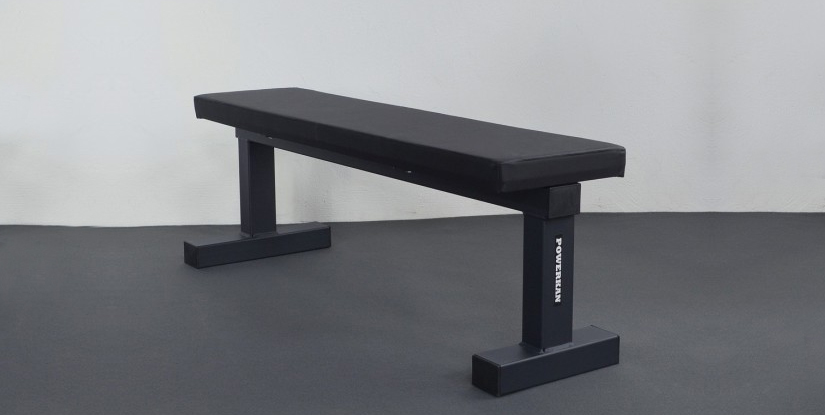
Before an athlete can approach a competition-level max effort, the equipment must provide an unwavering platform. Stability issues in a power rack or a weight bench are not just minor annoy than—they are catastrophic failure points that can lead to injury or psychological hesitation. The problem often arises from insufficient structural rigidity in the uprights or poor base-plate geometry, causing the equipment to oscillate under heavy, asymmetric loads.
To ensure the equipment can handle the kinetic energy of a heavy lift, operators must verify the gauge of the steel and the robustness of the welding. For instance, a standard commercial rack might use 11-gauge steel, but for high-intensity competition preparation, 7-gauge or even thicker is preferred to prevent structural deflection. A common mistake is failing to check the floor contact points, which can lead to micro-vibrations that disrupt the athlete's balance during the eccentric phase of a lift.
| Component | Standard Commercial Spec | Competition-Grade Requirement | Verification Method |
|---|---|---|---|
| Rack Uprights | 11-Gauge Steel | 7-Gauge or Thicker Steel | Micrometer thickness check |
| Base Stability | Fixed Feet | Adjustable or Heavy-Duty Leveling Feet | Spirit level on all four corners |
| Weight Plate Tolerance | ± 2% Variance | ± 0.5% or Less Variance | Comparative weighing of pairs |
| Knurling Consistency | Moderate / Superficial | High-Profile / Uniform Depth | Tactile inspection across bar length |
By ensuring the structural foundation is sound, the athlete can focus entirely on the load. However, stability is only half of the equation; the dynamic interaction between the athlete and the barbell is where the most nuanced preparation occurs.
Barbell Dynamics and the Precision of the Load Path
Understanding how heavy weight lifting equipment prepares athletes for competition requires a deep dive into the physics of the barbell. A competition-grade barbell is a precision instrument designed to behave predictably under specific loads. The two most critical factors are 'whip' (elasticity) and 'spin' (bearing smoothness). If a barbell's whip is inconsistent or its bearings are sluggish, the athlete cannot time their lift correctly, which is devastating during the transition phase of a clean or a snatch.
A frequent failure mode in training facilities is the use of training bars for competition-specific movement patterns. Training bars often lack the specialized bearing systems found in competition bars, resulting in a 'stiff' rotation. This stiffness forces the athlete's wrists to absorb the torque of the rotating sleeves, often leading to premature fatigue or injury. To avoid this, the operator must ensure that the equipment's rotation speed matches the discipline being trained (e.g., high-speed needle bearings for weightlifting vs. smooth bushings for powerlifting).
Optimizing the Kinetic Interface
The interface between the athlete and the bar—the knurling and the sleeves—determines the efficiency of force transfer. If the knurling is too aggressive, it can cause skin fatigue; if it is too shallow, it lacks the grip necessary for maximal pulls. Operators should verify that the knurling profile is consistent across different bars in the facility to ensure a standardized sensory experience for the athlete.
With the dynamic qualities of the bar established, the focus must shift toward the periphery—specifically, the plates and the storage systems that ensure longevity and safety.
Explore the complete technical specifications:
Power Lift Gym Equipment: Engineered for Strength Performance
Weight Plate Calibration and Long-Term Durability
The reliability of the weight being moved is a cornerstone of competition preparation. Many operators overlook the fact that cheap, mass-produced plates often suffer from significant weight deviations. If an athlete is training with a 20kg plate that actually weighs 19.7kg, their neurological calibration for the competition platform will be flawed. This mismatch between perceived and actual load is a subtle but pervasive problem in high-level training.
To solve this, high-performance facilities should implement a strict plate verification process. This involves using high-precision digital scales to check the weight of plate pairs. Furthermore, the material composition of the plates—whether they are iron, rubber-coated, or calibrated steel—impacts the density and the rebound characteristics of the equipment. For example, rubber-coated plates are excellent for reducing noise and impact, but they can add a variable of 'squish' that isn't present in competition-spec steel plates.
- Check for Eccentricity: Rotate the plates on the bar to ensure they do not wobble or deviate from the center of mass.
- Inspect Coating Integrity: Look for cracks in rubberized plates which can lead to uneven weight distribution.
- Verify Weight Accuracy: Use a calibrated scale for all plate sets intended for maximal lifting.
Ensuring that the load is consistent is vital, but managing the physical storage and the wear and tear on these components is equally critical for maintaining a high-functioning environment.
Routine Maintenance and Inspection Protocols
Even the highest quality equipment requires a rigorous maintenance schedule to remain competition-ready. The cumulative effect of heavy loading and high-impact drops can degrade the mechanical integrity of racks, bars, and benches. A failure to maintain these systems results in 'equipment drift,' where the tools slowly become less reliable over time, often without the operator noticing until a failure occurs.
A common error is the 'set and forget' mentality. For instance, the bolts on a power rack or the tension on a bench press adjustment pin can loosen over time due to repeated vibration. If these are not checked, the equipment can become dangerously unstable. Operators should implement a tiered inspection schedule: daily visual checks, monthly mechanical inspections, and quarterly deep-maintenance cycles.
| Frequency | Task | Focus Area | Critical Action |
|---|---|---|---|
| Daily | Visual Surface Check | Barbell Knurling & Plate Surface | Look for rust, nicks, or debris |
| Weekly | Connection Integrity | Rack Bolts & Bench Adjustments | Check for loose fasteners or wobbles |
| Monthly | Lubrication & Movement | Barbell Sleeves & Rack Pins | Apply light oil/grease to moving parts |
| Quarterly | Structural Deep-Dive | Welds, Base Plates, & Floor Mounts | Inspect for hairline cracks or metal fatigue |
Regularity in maintenance ensures that the equipment remains a constant in the athlete's training, rather than a variable. Once the maintenance routine is institutionalized, the next step is ensuring the safety of the environment through proper layout and spacing.
Safety Architecture and Facility Layout Optimization
The effectiveness of heavy weight lifting equipment is not limited to the individual piece of gear; it is also dependent on how that gear is arranged within the space. A disorganized or cramped facility creates a high-risk environment where equipment interference can lead to accidents. For instance, if a barbell's rotation path is restricted by a nearby rack or a storage stand, the athlete's movement is compromised, increasing the risk of a failed lift.
The problem of 'collision zones' is often caused by prioritizing equipment density over athlete safety. To solve this, operators must design a layout that accounts for the 'maximal footprint' of each movement. This includes the width of the bar, the range of motion of the athlete, and the potential 'drop zone' if the weight is released. A professional facility should maintain a minimum clearance distance between heavy lifting stations to allow for unexpected movements and to prevent equipment-on-equipment impact.
Designing for Safe Transitions
When planning a layout, consider the 'recovery radius' of the athlete. In Olympic weightlifting, for example, the space required for a clean and jerk is significantly larger than the space required for a standard deadlift. Failing to account for this can result in plates hitting nearby racks, causing structural damage and potentially injuring the lifter. Always verify that the floor surface can also accommodate the impact of heavy loads without compromising the stability of neighboring equipment.
By mastering these layout and maintenance principles, an operator ensures that the equipment functions as a seamless extension of the athlete's intent, rather than a source of friction or danger.
Operational Verification: Ensuring Performance Consistency
The final stage in the process of utilizing heavy equipment for competition prep is the verification of performance. How do you know the equipment is actually doing its job? This requires moving from a passive observer to an active auditor. An operator must develop specific 'test protocols' to ensure that the equipment is performing within the established parameters.
A common mistake is relying on subjective feel. An athlete might say the bar 'feels slow,' but a professional operator should look for objective evidence. For example, if a barbell's spin is inconsistent, a technician can use a high-speed video analysis or a simple mechanical test to measure the rotation speed of the sleeves. This converts a qualitative complaint into a quantitative data point that can be used to justify a replacement or a repair.
- The Load-Balance Test: Place a known weight on one side of a barbell to check for unexpected tilt or friction in the bearings.
- The Structural Stress Test: Observe the rack under a 110% load of the maximum intended weight to check for any audible creaks or visible deflections.
- The Fastener Audit: Use a torque wrench to verify that all structural bolts on the racks meet the manufacturer's recommended torque settings.
This rigorous approach to verification ensures that the athlete's training remains grounded in reality, providing the confidence necessary to transition from the training hall to the competition stage.
Summary of Technical Requirements for Competition Readiness
In conclusion, preparing an athlete for the highest levels of competition requires a holistic approach to equipment management. It is not enough to simply own heavy equipment; one must own precise, stable, and well-maintained equipment. From the gauge of the steel in the power rack to the microscopic accuracy of the barbell's bearings, every detail plays a role in the athlete's neurological and physical preparation.
By focusing on material selection, calibration, regular maintenance, and rigorous verification, operators can transform a standard training facility into a high-performance laboratory. This technical rigor is what ultimately allows the athlete to trust their tools, allowing them to push past their perceived limits and achieve competition-ready status.