

Decoding Gym Rubber Plates Price Per Kg: A Procurement Expert Guide
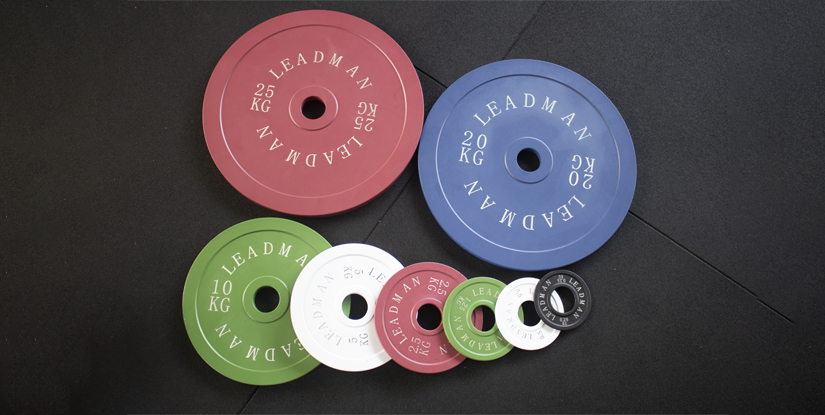
The Deception of Low Cost: Why Weight Density Matters More Than Unit Price
A frequent error among facility managers is assuming that a lower Gym Rubber Plates Price Per Kg automatically translates to a better return on investment. The reality is often the opposite: ultra-low-cost rubber plates frequently suffer from inconsistent density and poor compaction. When density fluctuates, the weight accuracy of your entire set is compromised, leading to uneven load distribution during heavy lifting sessions. This creates a mechanical disadvantage for athletes and can lead to premature wear on barbell sleeves due to unbalanced weight distribution.
To avoid this, one must look beyond the surface price and evaluate the volumetric consistency of the material. A high-quality plate should maintain a predictable density profile, ensuring that a 20kg plate actually behaves like 20kg under kinetic stress. Understanding the relationship between material composition and weight stability is the first step toward a professional procurement strategy. Once the core material logic is understood, the focus must shift to the specific manufacturing methods that dictate these costs.
Comparing Density Profiles
| Plate Type | Typical Density Profile | Impact on Lifespan | Price Sensitivity |
|---|---|---|---|
| High-Density Vulcanized | Extremely Uniform | Very High (Minimal Deformation) | Low (Value-Driven) |
| Standard Recycled Rubber | Moderate Uniformity | Medium (Gradual Compaction) | Medium |
| Low-Grade Composite | Highly Variable | Low (Significant Cracking) | High (Cost-Driven) |
Selecting a plate based solely on the lowest quote without verifying these density metrics often leads to expensive replacement cycles. With the material fundamentals established, it is necessary to examine how different production processes create these price variations.
How Manufacturing Methods Influence Production Costs
Understanding the underlying production mechanics helps clarify why a specific Gym Rubber Plates Price Per Kg may vary significantly between suppliers. Most professional-grade plates undergo a vulcanization process, where heat and pressure are applied to bond the rubber particles into a singular, durable mass. In contrast, cheaper alternatives often utilize a simple compression molding technique that lacks the chemical structural integrity of true vulcanization.
The cost difference is primarily driven by the complexity of the bonding agent and the precision of the mold. A high-precision mold ensures that the center hole—the part that interfaces with the barbell—is perfectly concentric. A failure in this specific area is a common mistake in low-budget procurement; a non-concentric hole causes the plate to wobble, which can damage high-end barbell bearings over time.
Production Method Comparison
- Vulcanization (Premium): Uses high-heat chemical bonding to create a non-porous surface that resists moisture and impact.
- Compression Molding (Standard): Uses mechanical pressure to shape the rubber, resulting in a more breathable but less durable surface.
- Injection Molding (Specialized): Often used for thinner, more aesthetically refined plates, offering high precision but higher specialized costs.
When evaluating a supplier's quote, ask if the plates are chemically vulcanized or merely mechanically compressed. This distinction is a critical data point for long-term facility planning. Moving from the manufacturing level to the material selection, one must consider the specific rubber components involved.
Rubber Composition and Long-Term Durability Factors
The composition of the rubber itself is a primary lever in determining the final price and the eventual durability of the equipment. High-grade plates often incorporate virgin rubber or high-quality EPDM (Ethylene Propylene Diene Monomer), which offers superior UV resistance and elasticity. Lower-priced options often rely heavily on reclaimed tire rubber, which, while cost-effective, can present issues with odor and uneven texture.
A common failure mode in facilities using reclaimed-heavy plates is 'outgassing'—the release of unpleasant odors in enclosed environments. Furthermore, if the rubber lacks sufficient elastic memory, it will lose its shape after repeated heavy drops, leading to a permanent deformation of the plate's edge. This is particularly problematic in high-impact environments like CrossFit or Olympic lifting zones.
Material Performance Matrix
| Material Property | Virgin Rubber Focus | Recycled Rubber Focus | Required Verification Step |
|---|---|---|---|
| Elasticity/Bounce | High & Controlled | Low & Erratic | Perform a 1m drop test |
| Odor Profile | Neutral/Negligible | Potential High Odor | Request MSDS/SDS sheets |
| Edge Durability | High Precision | Moderate/Rough | Visual inspection of perimeter |
Identifying these material nuances ensures you are not just buying weight, but a durable asset. Having defined the materials, the next logical step is to establish a rigorous inspection and maintenance protocol.
Explore the complete technical specifications:
Establishing a Rigorous Inspection and Maintenance Routine
Even the highest-quality rubber plates require systematic oversight to ensure they remain safe for commercial use. A common mistake among operators is treating rubber plates as 'set and forget' equipment, neglecting the fact that rubber is a living material subject to environmental degradation and mechanical stress. Regular inspection prevents catastrophic failure and maintains the professional standard of the facility.
A professional maintenance schedule should include both visual and tactile assessments. You should check for surface cracking, which often indicates UV damage or material fatigue, and ensure the center holes remain free of debris or oxidation that could interfere with barbell seating. If the plates feel 'soft' or show visible indentation after a heavy set, the material density is likely failing.
Monthly Maintenance Checklist
- Visual Check: Inspect the perimeter for cracks, chipping, or uneven edges.
- Center Hole Integrity: Ensure no metal shavings or rubber buildup is inside the hub.
- Weight Accuracy: Spot-check 5% of the inventory on a calibrated scale to detect density loss.
- Odor Assessment: Monitor for any sudden changes in chemical smell that might indicate material breakdown.
Consistency in these checks allows you to identify issues before they become liability risks. With a maintenance plan in place, the focus shifts to the procurement and logistical aspects of the purchase.
Explore the complete technical specifications:
Gym Rubber Flooring: Thickness, Durometer, Virgin vs Recycled Guide
Optimizing Procurement for Gym Equipment Longevity
To truly master the Gym Rubber Plates Price Per Kg, a buyer must move away from transactional purchasing and toward a lifecycle-based procurement model. This means calculating the 'Cost Per Use' rather than just the initial purchase price. A plate that costs 15% more but lasts 40% longer due to better vulcanization is the superior economic choice.
When negotiating with suppliers, do not merely ask for the lowest price; ask for the specification sheet. A professional supplier will be able to provide details on the rubber density (measured in kg/m³), the molding process, and the tolerance levels for weight accuracy. If a supplier cannot provide these technical details, it is a red flag that the product may be a generic, low-durability item.
Buyer Verification Framework
| Question for Supplier | Desired Answer | Red Flag |
|---|---|---|
| Is the rubber vulcanized or compressed? | Full chemical vulcanization | Only mentions 'molded' |
| What is the weight tolerance? | +/- 1% to 2% | No specific tolerance provided |
| Is there a density specification? | Yes, provides kg/m³ or specific density | 'Standard weight' with no data |
By utilizing this framework, you transform the procurement process from a gamble into a controlled technical decision. This level of scrutiny ensures that your investment serves the facility's long-term goals.
Explore the complete technical specifications:
Rubber Plates Set: Bumper vs Coated Iron, Tolerance & Inclusions
Identifying and Preventing Common Failure Modes
In the high-intensity environment of a commercial gym, equipment failure is not just a maintenance issue; it is a safety hazard. Understanding how rubber plates fail can help you choose better products and implement better training protocols. Failure modes generally fall into three categories: mechanical, environmental, and operational.
Mechanical failure usually occurs at the center hub due to repeated impact stress. If the hub is not perfectly centered or is made of a brittle composite, it can crack, causing the plate to slip off the barbell. Environmental failure involves the degradation of the rubber's surface due to extreme temperature shifts or cleaning chemicals. Operational failure, such as dropping plates from excessive heights without a platform, can cause the internal core to decouple from the outer rubber layer.
Failure Mode & Prevention Table
| Failure Mode | Primary Cause | Prevention Strategy |
|---|---|---|
| Hub Cracking | Improperly centered hole or brittle material | Select precision-molded vulcanized plates |
| Surface Cracking | UV exposure or harsh cleaning agents | Use pH-neutral cleaners; avoid direct sunlight |
| Deformation/Flat Spots | High-impact drops on hard surfaces | Use designated lifting platforms |
Identifying these patterns allows for proactive replacement rather than reactive repair. Once you understand how equipment breaks, you can better implement the strategies needed to protect your investment.
Explore the complete technical specifications:
Olympic Rubber Plates | Bumper Weights for Snatch & Deadlift Training
Safety Standards and Regulatory Compliance in Equipment Selection
The final pillar of professional gym management is ensuring that all equipment meets or exceeds industry safety standards. While rubber plates themselves are often considered 'passive' equipment, their performance directly impacts the safety of the user. A plate that is unbalanced or has an inconsistent center of gravity can cause a barbell to tilt unexpectedly, potentially causing injury to the lifter's wrists or spine.
Compliance involves more than just avoiding accidents; it involves adhering to standardized weight increments. In professional training environments, if a 20kg plate is actually 19.2kg, it can disrupt the precision of a programmed lifting cycle. Always verify that your supplier adheres to standard metric weight tolerances. This precision is the hallmark of a professional-grade facility.
Safety Verification Checklist
- Weight Verification: Use a calibrated scale to check a sample of plates from each batch.
- Hub Fitment: Test the plates on multiple bar styles (standard and Olympic) to ensure a smooth, concentric fit.
- Debris Inspection: Ensure the plates do not shed small rubber particles, which can create a slip hazard on the floor.
By prioritizing these standards, you ensure that the cost savings of a lower price point do not become a liability in the long run. Mastering these technical details concludes the comprehensive view of gym plate procurement and management.