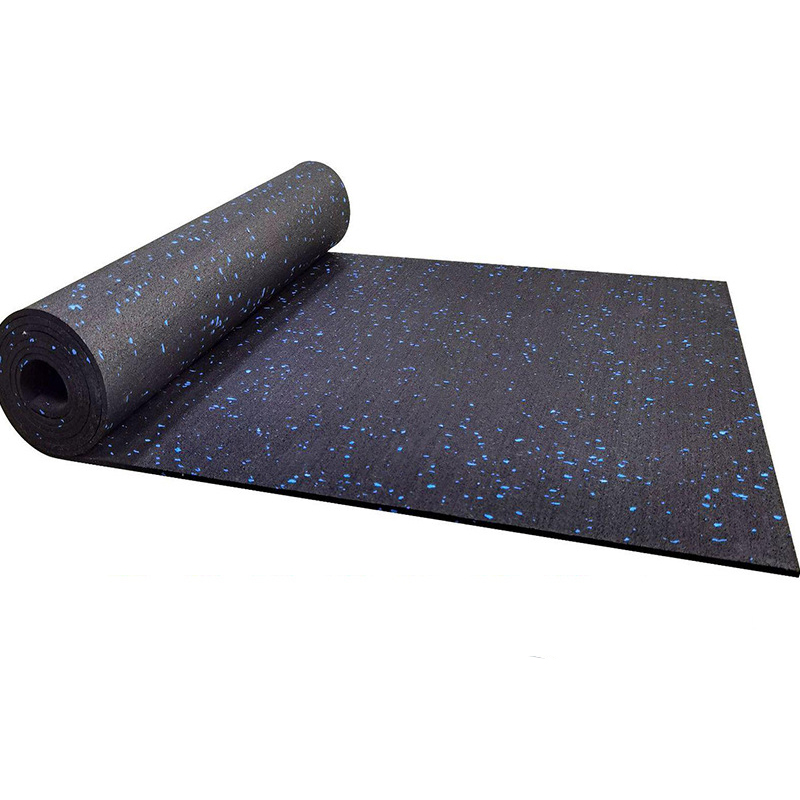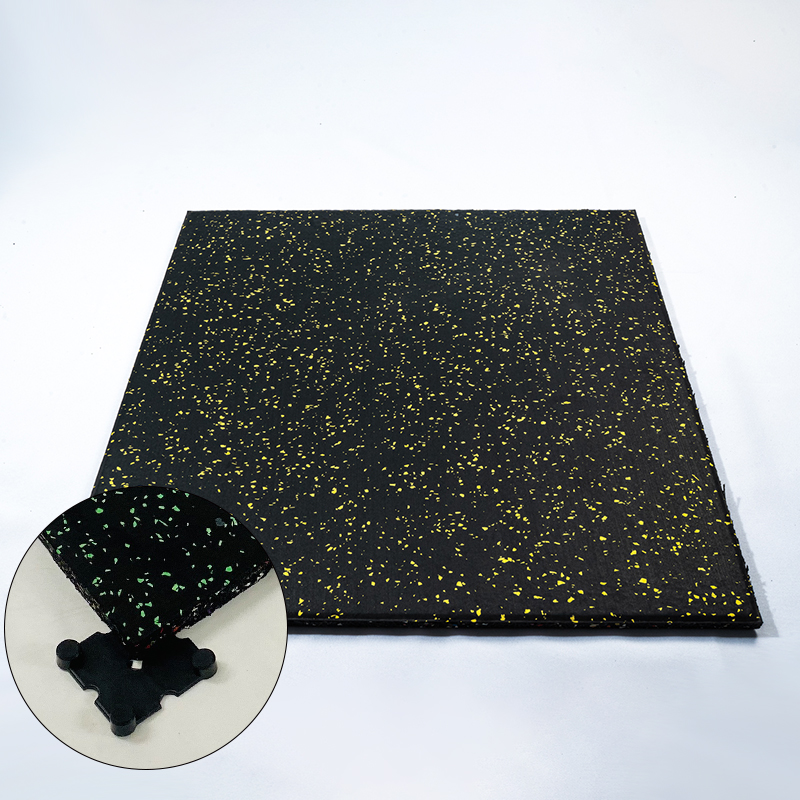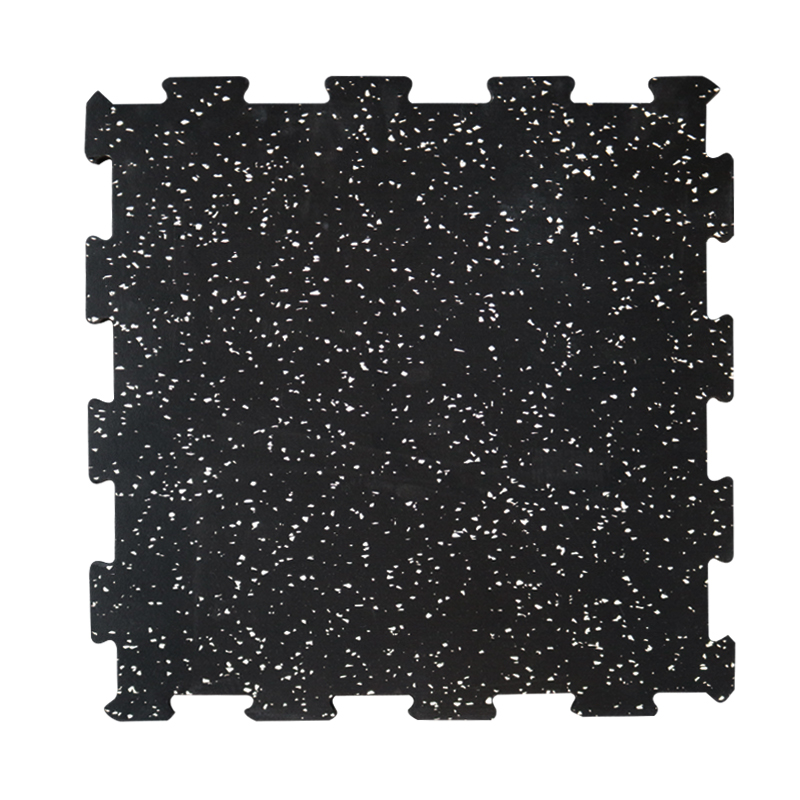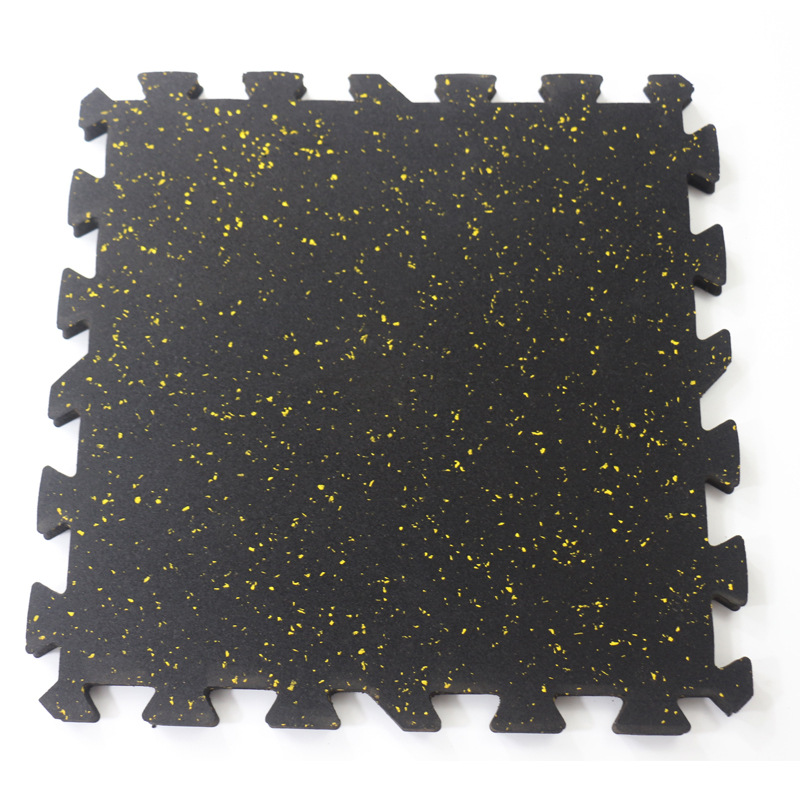
Gym rubber flooring is the foundation of any serious training facility, providing joint protection, noise reduction, equipment stability, and subfloor preservation. Unlike carpet, foam tiles, or bare concrete, vulcanized rubber flooring withstands repeated dropping of heavy weights, resists moisture from sweat and cleaning, and offers shock absorption measured in impact attenuation ratings.
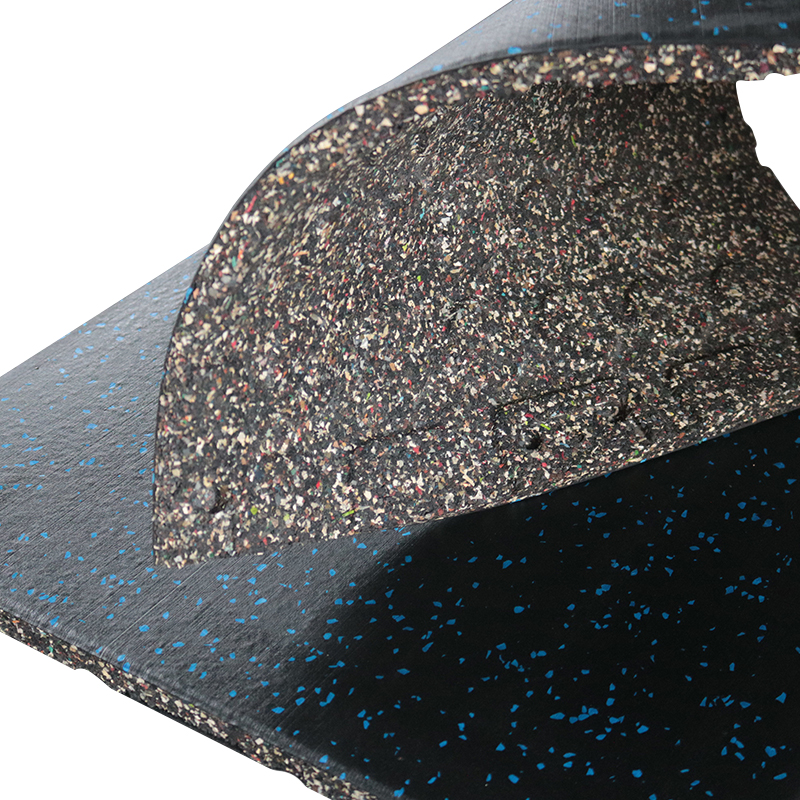
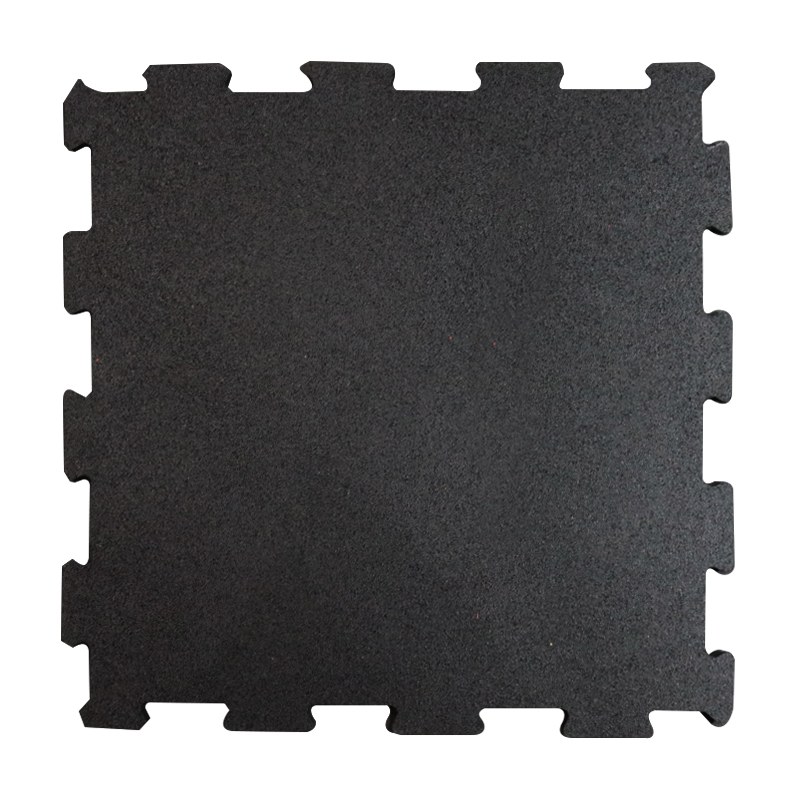
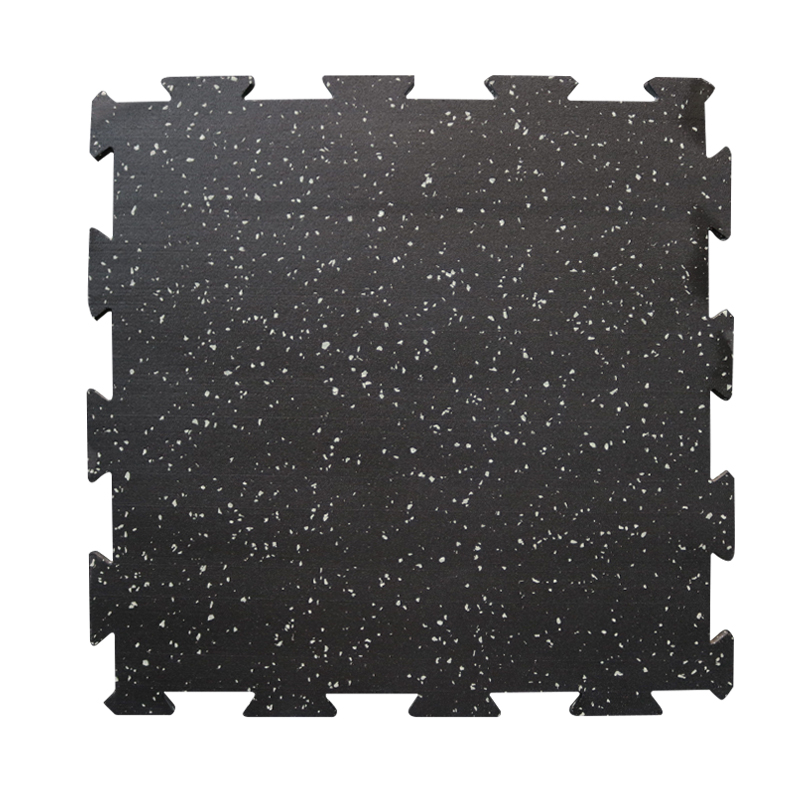
The material science behind gym rubber flooring centers on rubber composition and manufacturing method. Recycled rubber (crumb rubber) flooring uses ground tire rubber bonded with polyurethane adhesive—cost-effective and environmentally friendly but may contain steel wire fragments or have inconsistent density. Virgin rubber flooring uses new synthetic rubber (SBR or EPDM), offering superior durability, uniform color, and lower odor. Rolled rubber (typically 4-6 feet wide, 25-50 feet long) provides seamless coverage ideal for large open spaces, while rubber tiles (typically 2x2 feet) suit smaller rooms or DIY installation.
Industry testing data shows that proper rubber flooring thickness directly correlates with impact force reduction. A 6mm (0.25-inch) rubber floor reduces impact force from a dropped 20kg plate by approximately 30%; 12mm (0.5-inch) achieves 55% reduction; 20mm (0.75-inch) reaches 70-75% reduction. For Olympic lifting platforms, 25-30mm thickness under the drop zone is standard. Additionally, durometer hardness (measured Shore A) affects feel: 85-90 Shore A suits heavy deadlift areas (firm, minimal energy return); 60-75 Shore A suits aerobics or functional training (softer, more cushioning).
For buyers evaluating gym rubber flooring, assess installation environment and use case. Rubber rolls require professional seam welding for moisture-proof installation over concrete. Interlocking tiles allow DIY floating floors but may separate under lateral sled pushes. Test off-gassing duration: recycled rubber can emit sulfur-like odors for 2-6 weeks; premium virgin rubber with low-VOC adhesive clears within days. Request samples and expose them to sunlight or heat to simulate worst-case off-gassing. Finally, verify flame resistance (ASTM E648 Class I) for commercial insurance compliance and slip resistance (DIN 51130 R9 or higher) for wet training areas.

Let our experts design the perfect gym solution for your business. Get a free consultation and quote today.