

Optimizing Procurement: Essential Exercise Equipment for Commercial Gyms—A Checklist
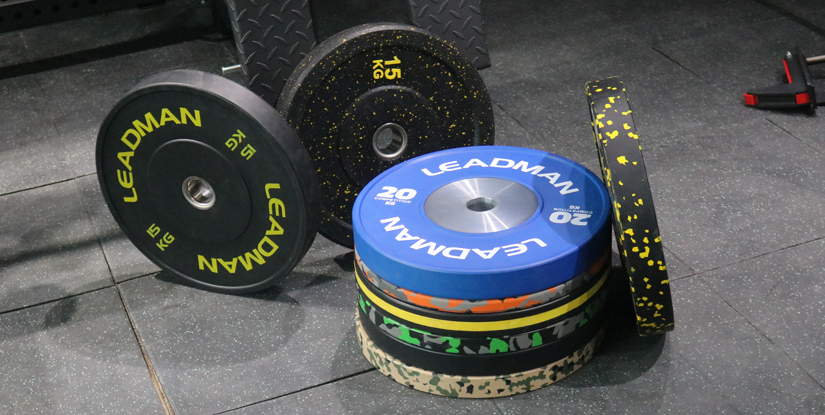
The Economic Impact of Equipment Selection in Commercial Gyms
In the competitive landscape of fitness facility management, the capital expenditure directed toward hardware is one of the most significant long-term investments an operator makes. Selecting the wrong combination of machinery can lead to rapid depreciation, high maintenance overhead, and diminished member retention. A strategic procurement process must move beyond aesthetics to analyze the durability of materials, the reliability of moving parts, and the lifecycle cost of each unit. When operators fail to prioritize heavy-duty specifications, they often face the hidden cost of frequent downtime and replacement cycles.
Understanding the fundamental requirements for a high-performance facility is the first step in mitigating these financial risks. Once the economic rationale for quality selection is established, the focus must shift toward the specific categories of hardware that drive facility utility.
Strategic Categorization of Strength and Conditioning Equipment
A professional-grade facility requires a balanced ecosystem of resistance and functional training tools. The primary mistake made during initial setup is an over-reliance on a single category—such as excessive cardio or excessive free weights—which can lead to uneven floor usage and localized wear. A diverse equipment mix ensures that the facility can serve multiple demographics, from high-intensity athletes to general wellness members.
Defining Essential Equipment Clusters
To build a cohesive training environment, operators should categorize their inventory into three distinct functional zones. Each zone serves a specific purpose in the user journey and requires different maintenance considerations.
- Strength Foundation: Includes heavy-duty racks, barbells, and plate-loaded machines designed for maximal load bearing.
- Functional Versatility: Includes kettlebells, medicine balls, suspension trainers, and adjustable benches to facilitate movement variety.
- Cardiovascular Endurance: Includes high-durability treadmills, stationary cycles, and rowing machines designed for continuous, high-frequency use.
The success of these zones depends heavily on the underlying technical specifications. Before moving into physical placement, an operator must understand the specific criteria used to distinguish commercial-grade hardware from residential or light-duty versions.
Material Durability and Structural Integrity Standards
The difference between a facility that lasts a decade and one that requires a renovation in three years often lies in the metallurgy and upholstery standards. Commercial-grade equipment is subjected to much higher mechanical stress and environmental fatigue than standard consumer models. If the material selection is inadequate, the resulting structural failures create both liability and capital drainage.
Critical Material Benchmarks for Procurement
| Component Type | High-Performance Specification | Failure Mode to Avoid |
|---|---|---|
| Frame Construction | Heavy-gauge steel with reinforced welding points | Structural bending or weld separation under load |
| Upholstery Material | High-density, antimicrobial, tear-resistant vinyl | Cracking, tearing, or moisture absorption |
| Moving Parts | Sealed ball bearings and industrial-grade cables | Cable fraying, seizing, or erratic resistance shifts |
| Footing/Base | Non-slip, high-impact rubber stabilizers | Machine sliding or vibration-induced floor damage |
When reviewing spec sheets, operators should look for these indicators of durability rather than just the lowest price point. Verifying these material qualities ensures that the equipment can withstand the high-volume throughput of a commercial environment. However, having the right materials is only useful if the equipment is positioned and utilized correctly within the floor plan.
Explore the complete technical specifications:
Gym Equipment: Commercial Categories, Specifications, and Procurement
Optimal Floor Layout and Space Utilization Strategies
Efficient space management is a direct driver of member satisfaction. A crowded or poorly organized floor creates friction, making it difficult for users to move between stations and increasing the likelihood of accidental collisions. The layout must account for not just the footprint of the machine itself, but the 'operational radius' required for safe use.
Calculating Effective Machine Footprints
A common error in gym design is calculating space based solely on the equipment dimensions. An effective checklist for layout planning must include the clearance required for human movement and accessory usage. For instance, a barbell station requires significant lateral space for the bar's width, plus additional room for the lifter's stance and safety spotting.
- Clearance Zones: Maintain a minimum of 3 feet of clear space around all stationary machines.
- Traffic Corridors: Ensure pathways between equipment zones are wide enough for two-way traffic to avoid congestion.
- Weight Station Buffers: Place free-weight areas on reinforced flooring with sufficient perimeter clearance to prevent plate-drop damage.
By optimizing the layout, operators reduce mechanical collisions and improve the overall flow of the facility. This structural organization provides the necessary foundation for a rigorous maintenance and inspection regime.
Explore the complete technical specifications:
Daily and Weekly Inspection Checklists for Operations
Equipment failure is rarely instantaneous; it is almost always the result of progressive wear that went unobserved. Implementing a systematic inspection cadence allows operators to identify issues before they become expensive repairs or safety hazards. A lack of documented inspection protocols is a major vulnerability in commercial gym management.
Routine Maintenance Protocols
To maintain peak performance, operators should implement a tiered inspection strategy that separates visual checks from mechanical testing.
| Frequency | Inspection Focus | Required Action |
|---|---|---|
| Daily (Visual) | Upholstery integrity, cable fraying, and loose bolts | Immediate report to maintenance team |
| Weekly (Mechanical) | Bearing smoothness, resistance levels, and lubrication | Application of industrial lubricant if necessary |
| Monthly (Structural) | Frame welds, foot stability, and electrical connections | Deep inspection of all moving parts and electronics |
| Quarterly (Comprehensive) | Cable tension, bolt torque, and belt alignment | Full professional diagnostic and system calibration |
A successful inspection program requires a dedicated log where staff can verify that each check was completed. This documentation serves as both a preventative measure and a record for liability protection. Once the inspection standards are set, the next step is understanding how to address the mechanical failures discovered during these rounds.
Troubleshooting Common Mechanical Failures and Fatigue
Even with the best equipment, mechanical fatigue is an inevitability in a high-volume gym. Understanding the symptoms of failing components allows staff to react quickly, often preventing a minor issue from escalating into a total unit failure. The key is to recognize the 'warning signs' of mechanical degradation.
Identifying and Resolving Frequent Issues
Most commercial equipment issues fall into three categories: resistance inconsistencies, noise/friction, and structural instability. Addressing these requires a methodical approach rather than guesswork.
- Problem: Resistance Inconsistency in Cable Machines.
Cause: Worn pulleys or frayed cables causing friction.
Fix: Replace the cable and inspect pulleys for debris or bearing failure. - Problem: Excessive Noise or Squeaking.
Cause: Lack of lubrication on pivot points or worn bearings.
Fix: Apply high-quality mechanical lubricant and check for loose bolts. - Problem: Unstable or Wobbling Frames.
Cause: Unlevel floor or loose mounting hardware.
Fix: Ensure base plates are level and torque all structural bolts to manufacturer specs.
By training staff to recognize these patterns, an operator can significantly reduce the 'time-to-fix' for any given issue. This proactive stance on troubleshooting is the final component of a robust equipment management strategy.
Future-Proofing the Facility: Technology and Trends
As the fitness industry evolves, the equipment used in commercial gyms is becoming increasingly integrated with digital ecosystems. While durability remains the core requirement, the ability to integrate with member-facing technology is becoming a standard expectation. Looking ahead, the focus for procurement is shifting from purely mechanical builds to smart, data-driven hardware.
Investing in equipment that offers digital connectivity—such as integrated strength tracking or advanced biometric feedback—can provide a competitive edge. However, this tech-integration must not come at the expense of the fundamental mechanical durability discussed previously. A future-proofed gym balances the longevity of heavy steel with the intelligence of digital interfaces. With these technical, operational, and technological layers understood, an operator is well-equipped to build and maintain a high-performing commercial gym environment.