

Dumbbells Wholesale Procurement: A Technical Guide to Material Integrity and Quality Control
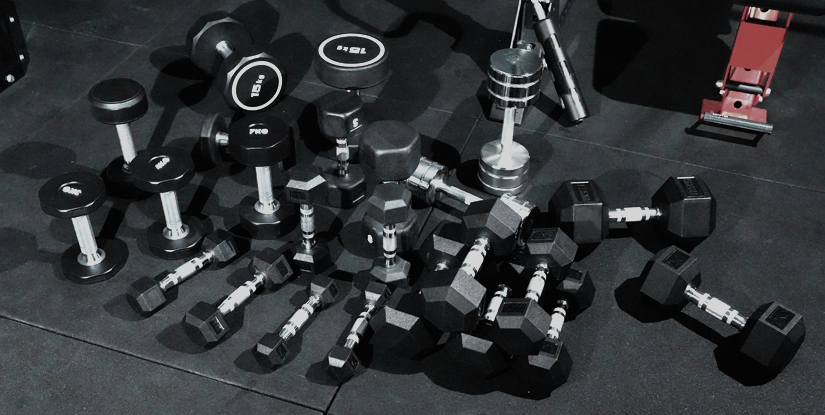
Material Selection and Structural Integrity in Dumbbells Wholesale
Procuring fitness equipment at scale requires moving beyond aesthetic appeal to focus on the metallurgical and polymer properties that dictate long-term durability. When engaging in Dumbbells Wholesale, the primary risk involves weight inconsistencies and structural failure due to low-grade casting or poor sealant application. A common failure mode occurs when the internal weight/core is not properly secured to the handle, leading to shifting weights that compromise user safety during high-intensity movements.
Common Material Formulations
Professional buyers must differentiate between common configurations to ensure the product matches the intended use case. For instance, a commercial gym requires high-impact resistance, whereas a boutique studio might prioritize surface texture and aesthetic finish. The choice between cast iron, rubber-encased, and urethane-coated options significantly impacts both the replacement cycle and the total cost of ownership.
| Material Type | Durability Profile | Primary Use Case | Maintenance Level |
|---|---|---|---|
| Cast Iron | High (High Impact) | Standard Commercial Gyms | Moderate (Rust prevention) |
| Rubber Encased | Medium (High Impact Absorption) | High-Traffic Fitness Centers | Low (Surface cleaning) |
| Urethane Coated | Very High (Chemical Resistance) | Premium/Luxury Studios | Low (Minimal maintenance) |
| Neoprene Coated | Low (Wear Sensitivity) | Home/Light Studio Use | Medium (Texture degradation) |
Understanding these material profiles allows a buyer to predict the lifecycle of the inventory. Once the material baseline is established, the focus must shift toward the precise technical specifications of the handle and grip mechanisms.
Ergonomic Standards and Handle Tolerance Verification
Building on the material selection process, the interface between the user and the weight—the handle—is where many wholesale shipments fail technical audits. Inconsistent knurling patterns or improper grip diameters can lead to repetitive strain injuries or poor grip security, making the equipment unsuitable for professional environments. A critical decision criterion is the tolerance of the knurling depth; if too shallow, the grip becomes slippery with sweat; if too aggressive, it becomes abrasive and uncomfortable.
Technical Specifications for Grip Design
- Knurling Density: Must be consistent across the entire length of the handle to prevent pressure points.
- Handle Diameter: Standard professional diameters typically range between 28mm and 32mm.
- Bar Material: Stainless steel or high-tensile steel is required to prevent bending under heavy loads.
To verify quality, operators should perform a tactile test by rotating the handle through various grip strengths to ensure no sharp edges or irregular dips are present. Ensuring these ergonomic standards are met provides a foundation for the mechanical assembly that holds the weight in place.
Mechanical Assembly and Weight Consistency Audits
A failure in the mechanical assembly phase often manifests as 'weight drift,' where the actual weight of the dumbbell deviates significantly from the marked weight. This is a catastrophic issue for strength athletes who rely on precision. A common cause is inadequate casting molds or uneven distribution of the core material, which can result in a 3-5% variance—an unacceptable margin in professional settings.
The Verification Process for Weight Accuracy
Before accepting a large-scale shipment, procurement officers should implement a batch-sampling protocol. Rather than weighing a single unit, a statistically significant sample from different parts of the pallet must be tested. This ensures that the weight distribution is consistent across the entire production run.
| Audit Step | Procedure | Failure Indicator |
|---|---|---|
| Sample Selection | Randomly pull 5% of the total shipment volume | Non-random selection leads to false positives |
| Weight Measurement | Use a calibrated industrial digital scale | Weight variance exceeding +/- 2% of marked weight |
| Balance Test | Hold the dumbbell horizontally at both ends | Weight leaning or uneven distribution within the head |
| Connection Check | Apply lateral pressure to the handle-to-head junction | Visible movement or audible clicking sounds |
By implementing these rigorous auditing steps, buyers can mitigate the risk of receiving faulty inventory. Once the physical weight is verified, the next step is to examine the external protection and coating longevity.
Explore the complete technical specifications:
Coating Durability and Surface Finish Integrity
Following the verification of weight and assembly, the external coating becomes the primary defense against environmental degradation. Whether the dumbbells are rubberized, urethane-coated, or painted, the bond between the coating and the core must be seamless. A common mistake in low-quality production is insufficient adhesion, which causes the coating to peel or bubble when exposed to moisture or temperature fluctuations.
Failure Modes in External Finishes
The most frequent issues observed in high-volume shipments involve chemical degradation and physical abrasion. For example, if the rubber coating is not properly vulcanized, it may emit a strong odor or become tacky over time, especially in humid environments. In the case of metal finishes, oxidation (rust) can begin if the paint or plating is non-uniform or if the metal base is of low quality.
Maintenance and Inspection Checklists
Regular inspection is required to maintain the longevity of the coating. Operators should monitor for the following signs of wear:
- Chipping or Flaking: Indicates poor adhesion or brittle material.
- Discoloration: Suggests UV damage or chemical interaction with cleaning agents.
- Texture Softening: Common in low-grade neoprene, making them difficult to grip.
Maintaining these surfaces prevents the premature replacement of the entire set. However, even perfectly maintained dumbbells must be periodically inspected for mechanical fatigue in the core components.
Explore the complete technical specifications:
Preventative Maintenance and Long-Term Lifecycle Management
Consistent upkeep is the difference between a 5-year and a 10-year equipment lifecycle. While the external coating protects the visual and tactile experience, the internal structural stability must be monitored through routine mechanical checks. Even with the highest quality Dumbbells Wholesale orders, physical impact is an inevitability in high-traffic commercial environments.
The Role of Environmental Control
The environment in which the equipment is stored plays a massive role in its degradation rate. High humidity levels can lead to internal corrosion of metal cores if the seals are not airtight, while extreme heat can cause rubber and urethane to expand or soften. For long-term management, facility operators should maintain a controlled climate to preserve the integrity of the materials discussed in the previous sections.
Operational Maintenance Schedule
A proactive maintenance strategy involves more than just visual checks; it requires a scheduled approach to mechanical and surface integrity:
- Weekly: Visual wipe-down to remove sweat and debris which can corrode surfaces.
- Monthly: Full-weight check on a random sample of the set to detect internal shifting.
- Quarterly: Detailed inspection of handle knurling and end-cap security.
By adhering to this schedule, the cost of replacing equipment is significantly lowered. With a robust maintenance plan in place, the focus can shift toward the final stage: optimizing the logistics of the initial procurement.
Explore the complete technical specifications:
Logistics Optimization for Large-Scale Procurement
The complexities of managing large-scale shipments do not end once the order is placed; they continue through the shipping and receiving phase. The weight and volume of heavy metal equipment make logistics a significant variable in the total landed cost. A common error occurs when buyers fail to account for the 'dead weight' of heavy-duty packaging, which can lead to unexpected shipping surcharges or damage during transit.
Shipping and Unloading Protocols
To prevent damage during the final mile of delivery, specialized handling is required. Heavy dumbbells can cause structural damage to standard cardboard packaging if not reinforced. Furthermore, unloading procedures must prioritize ergonomics to prevent workplace injury. If a shipment arrives with compromised packaging, the risk of internal weight shifting increases significantly.
- Pallet Integrity: Ensure all weights are secured with high-tensile strapping to prevent movement during transit.
- Receiving Inspection: Conduct a visual check for crushed corners or broken seals before signing the BOL (Bill of Lading).
- Unloading Safety: Use mechanical lifts or heavy-duty dollies; never attempt to manual-lift bulk shipments of high-weight dumbbells.
Optimizing these logistical steps ensures that the quality verified during the audit phase is not lost before the equipment reaches the gym floor.
Explore the complete technical specifications:
Scalability and Future-Proofing Your Inventory
When deciding on a long-term supplier, it is vital to consider the scalability of the product lines. A professional buyer must ensure that the current order is part of a consistent manufacturing standard that allows for future expansion. If a facility grows, they will need to match the exact weight increments, knurling patterns, and coating styles of their existing set to maintain a cohesive training environment.
The Risk of Inconsistent Batching
The most significant risk in scaling is the 'batch mismatch' problem. Different manufacturing runs can produce subtle variations in weight, color, and grip feel. If a buyer is not careful, adding a new set of dumbbells to an existing rack might result in a visually and functionally different experience for the end-user. This is often caused by suppliers changing raw material sources without notifying the client.
Future-Proofing Checklist
Before committing to a long-term supply relationship, verify the following:
- Material Consistency: Can the supplier guarantee the same core material for future orders?
- Standardization: Do they follow international ergonomic and sizing standards?
- Lead Time Predictability: Are their production cycles stable enough for just-in-time inventory needs?
By ensuring these factors are addressed, the procurement process moves from a simple transaction to a strategic asset management plan.
Explore the complete technical specifications:
Summary of Technical Procurement Standards
The journey from selecting raw materials to the final implementation of equipment involves a series of critical checkpoints designed to mitigate risk and maximize durability. From the metallurgical properties of the core to the ergonomic nuances of the grip, every detail contributes to the long-term ROI of the investment. A successful Dumbbells Wholesale strategy is built on rigorous verification, structured maintenance, and a deep understanding of material science.
Ultimately, the goal is to provide a reliable, safe, and durable tool for athletes. By focusing on these technical parameters rather than just price, professional buyers can ensure their facility remains at the forefront of equipment quality and user safety.