

Optimizing Dumbbell Wholesale Procurement: A Technical Guide for Gym Operators
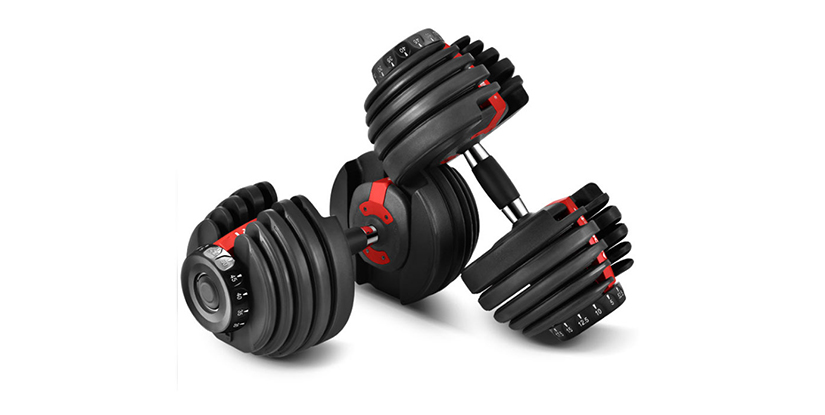
Addressing Discrepancies in Dumbbell Wholesale Procurement
Procuring high-quality free weights often reveals a critical disconnect between the advertised specifications and the physical product delivered. For gym operators and equipment distributors, the primary pain point is not merely price, but the systemic failure in weight accuracy and material durability. When a shipment of Dumbbell Wholesale orders arrives, inconsistent weight distributions between pairs can lead to user dissatisfaction and safety liabilities. This discrepancy is frequently caused by imprecise casting processes or lack of rigorous calibration during the manufacturing stage. To resolve this, buyers must transition from passive ordering to active technical verification, ensuring that every batch meets professional standards before it enters the retail or facility floor.
Establishing a baseline for what constitutes a "standard" product is the first step in mitigating these risks. Once a baseline for weight and material is set, the focus must shift to the specific technical attributes that differentiate premium equipment from low-grade alternatives.
Material Selection and Weight Accuracy Standards
The inconsistency observed in many bulk orders stems from the fundamental way weights are cast and finished. A common mistake among procurement officers is assuming that all cast iron or rubber-encased weights are manufactured using the same precision-control methods. In reality, the density of the core material and the thickness of the outer coating play a significant role in the final mass of the unit.
Core Material Density and Casting Methods
The internal mass of a dumbbell determines its center of gravity. If the casting process is rushed, air pockets or voids may form within the iron core, leading to weight fluctuations. Professionals should look for density consistency to ensure that the weight of a 25kg dumbbell is truly 25kg across the entire production run.
| Material Type | Primary Benefit | Typical Failure Mode | Verification Method |
|---|---|---|---|
| Cast Iron | High durability; cost-effective | Surface pitting and irregular weight distribution | Visual check for pitting; calibrated scale test |
| Rubber Coated | Floor protection; noise reduction | Uneven coating thickness affecting balance | Rotational balance test |
| Urethane | Maximum longevity; chemical resistance | High cost; potential for peeling if poorly bonded | Hardness (Durometer) test |
When a material's structural integrity is verified, the next critical factor is the mechanical connection between the weight and the handle, which dictates the long-term safety of the user.
Structural Integrity of the Handle-to-Weight Interface
One of the most dangerous failure modes in commercial weight settings is the separation of the weight head from the handle. This is almost always a result of poor welding or inadequate sleeve diameters. A high-quality Dumbbell Wholesale specification should prioritize the mechanical bond strength to prevent catastrophic failure during high-intensity movement.
Common Handle Failure Modes
- Stress Fractures: Caused by low-grade steel or improper heat treatment during the forging process.
- Sleeve Slippage: Occurs when the diameter of the handle/sleeve interface is too loose, allowing the weight head to wobble or detach.
- Corrosion at the Joint: Results from moisture ingress between the handle and the weight, often seen in poorly finished cast iron sets.
To prevent these issues, operators must implement a rigorous inspection of the handle-to-head transition. By understanding these structural weaknesses, procurement teams can better evaluate the manufacturing quality of their suppliers. This technical scrutiny must extend beyond the metal to the ergonomic and tactile qualities of the grip itself.
Explore the complete technical specifications:
Ergonomics and Grip Surface Durability
A high-performance dumbbell is only as effective as its grip. A significant pain point for regular users is the gradual degradation of the knurling or the texture of the handle. If the knurling is too shallow, it lacks grip; if it is too aggressive, it causes skin abrasions. Finding the ideal balance is essential for long-term equipment utility.
Knurling Specifications and Grip Types
The precision of the knurling pattern is a hallmark of high-end manufacturing. During the wholesale process, it is vital to request samples to test the "feel" and durability of the grip. A common mistake is ignoring the chemical resistance of the handle coating, which can lead to grip degradation when exposed to human sweat and cleaning agents.
| Grip Style | Target User | Durability Profile | Optimal Use Case |
|---|---|---|---|
| Traditional Knurling | Powerlifters/Serious Athletes | High (Steel-based) | Heavy lifting; high-friction environments |
| Vinyl/Neoprene Coating | Aerobics/General Fitness | Moderate (Surface-dependent) | High-volume, low-impact training |
| Textured Rubber | Commercial Gyms | Very High (Erosion resistant) | High-traffic commercial facilities |
With the grip requirements defined, the focus naturally turns to the physical dimensions and the environmental resilience of the equipment.
Explore the complete technical specifications:
Dimensional Tolerances and Storage Optimization
Beyond the weight and grip, the physical dimensions (length and diameter) of the dumbbells are critical for facility layout and storage solutions. Inconsistent sizing within a single set can lead to uneven weight distribution in storage racks, potentially causing the racks to tip or causing uneven wear on the storage pegs.
Verifying Dimensional Consistency
When managing large-scale inventory, the length of the dumbbell head-to-head should be within a very tight tolerance. If the lengths vary significantly within a set, it complicates the use of standardized weight trees and racks. Operators should measure a sample from every new batch to ensure they fit the existing storage infrastructure.
- Length Tolerance: Aim for a deviation of less than 5mm across the same weight class.
- Handle Diameter: Ensure consistency to maintain a standard ergonomic experience.
- Head Diameter: Crucial for ensuring the weights fit perfectly into standard dumbbell racks.
Maintaining these dimensions is not just about organization; it is about ensuring that the equipment remains safe and predictable during use, which leads directly to the necessity of a regular maintenance schedule.
Explore the complete technical specifications:
Maintenance Protocols for Commercial Inventory
Even the highest quality equipment requires a systematic approach to maintenance to avoid premature failure. A lack of a documented maintenance protocol is a leading cause of rapid equipment depreciation in commercial settings. The goal is to move from reactive repairs to proactive prevention.
Daily vs. Monthly Inspection Checklists
A professional operator should categorize maintenance into two distinct tiers: visual daily checks and technical monthly deep dives. This ensures that minor issues are caught before they become significant safety hazards.
| Frequency | Inspection Focus | Actionable Step |
|---|---|---|
| Daily | Surface Integrity | Check for loose coating or visible rust on cast iron. |
| Daily | Grip Condition | Inspect knurling for excessive wear or debris buildup. |
| Monthly | Structural Stability | Perform a "shake test" on the handle-to-head connection. |
| Monthly | Dimensional Check | Verify weight accuracy on a calibrated scale. |
Implementing these routines ensures the longevity of the Dumbbell Wholesale investment. Once a maintenance cadence is established, the operator can focus on the broader operational efficiency of the facility.
Explore the complete technical specifications:
Mitigating Environmental Degradation Factors
The longevity of free weights is heavily influenced by the environment in which they are stored. Many operators overlook how humidity and cleaning chemicals can accelerate the aging of their equipment. Understanding these environmental triggers allows for better placement and care strategies.
Chemical and Moisture Impact
Rubber and urethane coatings can react poorly to certain heavy-duty gym cleaners, leading to cracking or discoloration. Similarly, cast iron is highly susceptible to oxidation if the humidity levels in the facility are not strictly controlled. To prevent this, ensure that all cleaning agents used are compatible with the material specifications of the weights.
- Oxidation Prevention: Use high-quality rust inhibitors or ensure a dry environment for cast iron.
- Coating Protection: Avoid high-pH cleaners on urethane and rubber surfaces.
- Airflow Management: Maintain consistent ventilation to prevent moisture accumulation in storage areas.
By controlling the environment, you extend the life of the equipment, which maximizes the return on investment for your procurement efforts.
Explore the complete technical specifications:
Operational ROI and Total Cost of Ownership
When evaluating a Dumbbell Wholesale contract, the lowest unit price is often a misleading metric. A more sophisticated approach involves calculating the Total Cost of Ownership (TCO). A cheaper dumbbell that requires replacement every two years is significantly more expensive than a premium model that lasts for a decade.
Calculating the Real Value of Equipment
To determine the true ROI, one must account for the replacement frequency, the labor costs associated with maintenance, and the potential loss of revenue due to equipment downtime. High-quality equipment reduces the frequency of these invisible costs, providing a much higher long-term value to the business.
| Cost Factor | Low-Cost Option Impact | Premium Option Impact |
|---|---|---|
| Replacement Interval | High frequency (1-3 years) | Low frequency (5-10+ years) |
| Maintenance Labor | Significant (Regular repairs) | Minimal (Basic upkeep) |
| Client Satisfaction | Variable (Due to wear/tear) | High (Consistent quality) |
| Long-term TCO | Higher due to replacement cycles | Lower due to durability |
Understanding these economic variables allows buyers to make decisions based on long-term stability rather than short-term savings. As the industry evolves, the ability to discern quality from superficial appearance remains the most vital skill for the modern equipment professional.