

Dumbbell Set 5Kg Optimization: Selection and Maintenance Guide
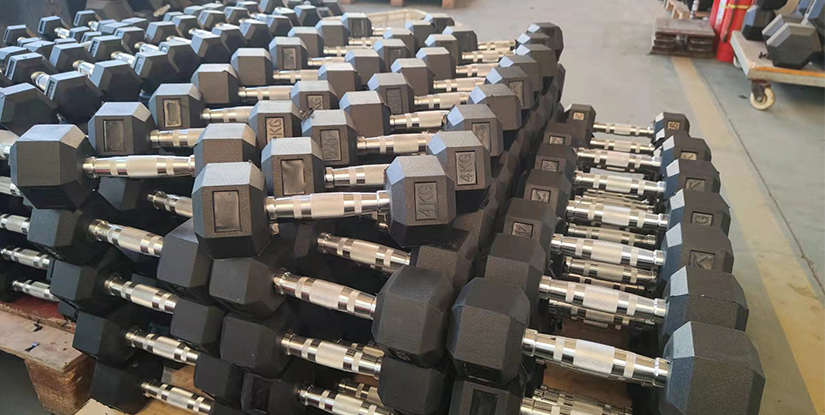
Addressing Imbalance and Grip Failures in Strength Training
One of the most pervasive issues encountered during progressive overload cycles is the sudden realization of weight discrepancies or grip instability. When an operator or athlete relies on a Dumbbell Set 5Kg, they assume uniform mass distribution across the pair. However, substandard manufacturing or poor maintenance can lead to significant weight deviations between the left and right units, or surface degradation that compromises safety. This imbalance often stems from inconsistent casting processes or uneven coating thickness, which can lead to repetitive strain injuries or improper muscle activation patterns.
To mitigate these risks, one must look beyond the nominal weight and evaluate the technical specification of the set. Understanding the physical properties of the material and the precision of the casting is the first step in ensuring long-term operational reliability. Once the correct set is selected, the focus must shift to how these specific units interact with the user and the environment.
Identifying Weight Variance in Entry-Level Sets
A common mistake in procurement is failing to verify the actual mass of each unit. In high-volume settings, even a 2% variance can disrupt neurological patterns during unilateral training. Operators should use a calibrated scale to ensure both units fall within a reasonable tolerance range. If a discrepancy is found, it is usually a sign of poor quality control during the injection or casting phase of production.
| Potential Issue | Root Cause | Verification Method |
|---|---|---|
| Uneven Grip Texture | Inconsistent Neoprene or Rubber Coating | Tactile inspection and friction test |
| Weight Disparity | Inaccurate Casting Mass | Calibrated digital scale verification |
| Handle Slippage | Surface Oil or Sweat Accumulation | Visual inspection for residue |
| Structural Cracking | Material Fatigue or Impact Damage | Visual crack detection under high light |
By confirming the uniformity of the set through these checks, users can proceed with confidence into long-term storage and usage protocols.
Material Selection and Surface Finish Durations
Following the verification of weight and balance, understanding the material composition becomes critical for determining the lifespan of the equipment. A Dumbbell Set 5Kg typically exists in three primary material formats: solid cast iron, neoprene-coated, and vinyl-encapsulated. The choice between these materials dictates not only the tactile experience but also the maintenance requirements and the frequency of surface replacement.
The failure mode most frequently associated with high-quality sets is the delamination of the outer coating. When a neoprene layer begins to peel from the inner core, it is rarely a spontaneous event; rather, it is caused by moisture entrapment or excessive UV exposure. This creates a fundamental problem where the user's grip becomes unpredictable at critical moments of a lift.
Comparing Common 5kg Dumbbell Materials
Selecting the right material requires a trade-off analysis between durability, floor protection, and grip stability. The following table outlines the technical characteristics of the three most common variations encountered in professional and home settings.
| Material Type | Durability Level | Floor Impact | Best Use Case |
|---|---|---|---|
| Neoprene Coated | Moderate | Low (Soft) | High-repetition aerobic and hypertrophy work |
| Vinyl Encapsulated | High | Medium | Standardized home gym environments |
| Cast Iron / Rubber | Very High | High (Hard) | Commercial environments with heavy usage |
Understanding these material-specific behaviors allows for better planning regarding equipment placement and environmental controls. This leads directly to the necessity of rigorous inspection and cleaning routines to preserve the surface integrity.
Routine Inspection and Structural Integrity Checks
Maintaining the integrity of your Dumbbell Set 5Kg requires more than just occasional wiping; it demands a systematic inspection of the interface between the load and the handle. As users manipulate the equipment, the internal connection points—specifically where the weight meets the grip—can undergo stress cycles that lead to microscopic fatigue or loose components.
A frequent error among operators is ignoring the subtle signs of handle loosening. In many adjustable or modular 5kg sets, the central shaft can experience minute shifts due to repeated vibration. If these are not checked, the eventual failure can result in the weight shifting mid-exercise, posing a direct threat to the user. The following checklist provides a standard for routine inspection.
The Weekly Equipment Integrity Checklist
- Visual Inspection: Scan the entire surface of the weight heads for any signs of bubbling, cracking, or peeling coating.
- Handle Grip Check: Rotate the dumbbell by hand to ensure there is no lateral movement or 'play' in the connection between the handle and the weight heads.
- Surface Contaminant Test: Wipe the handle with a clean, dry cloth to ensure no chemical residue or oxidation is present.
- Weight Consistency Test: Re-verify mass on a calibrated scale if any visual deformity is detected.
Conducting these checks consistently prevents minor surface issues from evolving into structural failures. With a regular inspection schedule established, the next logical step is implementing a professional maintenance and cleaning regimen.
Explore the complete technical specifications:
Wholesale Dumbbell Set: Commercial Procurement, Quality, and Logistics
Optimizing Longevity through Cleaning and Storage
Even with regular inspections, the longevity of a Dumbbell Set 5Kg is heavily dependent on how it is treated post-exercise. The primary cause of premature equipment degradation is not use, but rather the chemical interaction between human sweat and the equipment surface. Sweat contains salts and oils that, if left unaddressed, can penetrate coatings and accelerate the oxidation of any internal metal components.
A common mistake is using harsh industrial degreasers or bleach-based solutions to clean equipment. While these might seem effective at removing grime, they can actually strip the protective coatings and cause the material to become brittle or discolored. This chemical damage eventually compromises the structural integrity of the outer layer, leading to the delamination issues mentioned earlier.
Safe Cleaning and Storage Implementation
To ensure the equipment remains in peak condition, follow these technical guidelines for cleaning and storage. Proper handling extends the replacement cycle and maintains the resale or operational value of the set.
- Sanitization: Use a mild, pH-neutral soap solution and a non-abrasive cloth to remove sweat and oils immediately after use.
- Drying Phase: Never store a damp dumbbell. Ensure the unit is completely dry before placing it in a rack to prevent moisture buildup under the coating.
- Storage Environment: Store in a temperature-controlled area. Avoid direct sunlight or extreme humidity, which can expand and contract the internal weight heads and cause the outer shell to crack.
- Rack Placement: Always place weights in a dedicated rack rather than on the floor to minimize impact damage and prevent uneven weight distribution in storage.
By adhering to these controlled maintenance and storage protocols, operators can ensure the equipment performs reliably for its entire intended service life.
Explore the complete technical specifications:
Dumbbell Wholesale: Pricing per Pound, Rack Bundling & Container Packing
Ergonomics and Grip Optimization Strategies
Beyond simple maintenance, the functional utility of a Dumbbell Set 5Kg is heavily influenced by the ergonomic interface. As users progress, the way the handle interacts with the palm can dictate the effectiveness of the lift. A common failure in selection is ignoring the handle diameter, which can lead to premature forearm fatigue or insufficient grip strength during high-volume sets.
Optimizing the grip involves more than just cleaning; it involves understanding the friction coefficients of different surfaces. For example, a neoprene surface offers high friction but may become slick when saturated with sweat, whereas a textured steel handle provides consistent mechanical grip but can cause skin irritation if not maintained properly. Comparing these ergonomic profiles is essential for long-term training success.
Grip Performance Comparison
| Grip Type | Friction Profile | User Experience | Typical Failure Mode |
|---|---|---|---|
| Smooth Neoprene | High (Dry) / Low (Wet) | Comfortable/Soft | Surface peeling/slippage |
| Textured Rubber | Medium-High | Rugged/Firm | Material hardening/cracking |
| Knurled Steel | High (Mechanical) | Aggressive/Hard | Skin abrasions/Rusting |
Ensuring your grip preference aligns with your training intensity prevents unnecessary fatigue and keeps the focus on the primary muscle group. This leads to the final necessary step: total operational safety verification.
Explore the complete technical specifications:
Final Verification of Safety Standards
The ultimate goal of maintaining a Dumbbell Set 5Kg is the preservation of user safety. Every maintenance action and inspection protocol serves to prevent the failure modes that lead to injury. Before every training session, a final 'micro-check' should be part of the operator's standard operating procedure to ensure the equipment is fit for purpose.
The transition from maintenance to active usage should always be preceded by a verification of the grip and the balance. If the equipment feels different than the previous session—whether due to a change in surface texture or a slight shift in the center of gravity—it should be immediately removed from the active rotation and subjected to a full diagnostic inspection.
Summary of Operational Standards
| Step | Action | Failure Warning Sign |
|---|---|---|
| Pre-Lift Check | Verify grip friction and center of gravity | Visible wobbling or slick surface |
| Post-Lift Clean | Wipe down with pH-neutral solution | Residue buildup or visible discoloration |
| Monthly Audit | Detailed structural and weight check | Coating delamination or handle play |
Ensuring these standards are met transforms a simple piece of equipment into a reliable tool for long-term physical development.