

Optimizing Longevity and Safety of Commercial Weight Lifting Equipment
Structural Fatigue and Operational Failures in High-Traffic Environments
The most significant challenge for facility managers is not the initial acquisition cost, but the progressive degradation of Commercial Weight Lifting Equipment due to unmanaged structural fatigue. In a high-volume gym setting, equipment is subjected to constant dynamic loading, which can lead to microscopic fractures in welds and bolts. When these small failures go unnoticed, they escalate into catastrophic mechanical breaks that pose severe injury risks to users.
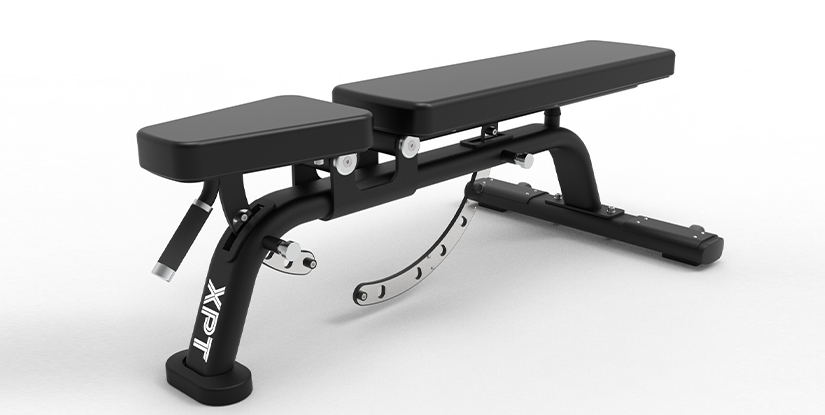
The cause of such failures is often a combination of high-impact loading (such as dropped barbells) and insufficient fastener tension. For example, a weight bench that appears stable may actually have loosened primary bolts, leading to lateral sway during heavy lifts. To prevent this, operators must move from a reactive 'fix-it-when-broken' mindset to a proactive mechanical verification model. This begins with understanding the fundamental structural components that require constant monitoring.
| Component Type | Common Failure Mode | Detection Method | Prevention Strategy |
|---|---|---|---|
| Load-Bearing Welds | Hairline Fractures | Visual inspection with high-lumen light | Avoid heavy impact/dropping near joints |
| Fasteners/Bolts | Vibrational Loosening | Manual torque testing | Regular periodic tightening schedules |
| Bearing Assemblies | Contamination/Seizure | Auditory (grinding sounds) | Regular lubrication and seal inspection |
| Upholstery/Padding | Compression/Tearing | Tactile pressure test | Immediate replacement of torn surfaces |
Understanding these primary failure points allows for a more granular inspection process. Before moving to daily maintenance, one must first establish the correct installation parameters to ensure a stable foundation.
Standardizing Installation Protocols for Heavy-Duty Assemblies
While the previous section addressed the consequences of neglect, the root of many issues actually begins during the initial setup. A common mistake in gym assembly is failing to account for floor leveling and fastener torque specifications. Even the highest quality commercial-grade equipment will become unstable if the mounting surface is uneven or if the bolts are under-torqued.
Achieving Structural Equilibrium
To ensure long-term stability, operators should follow a rigorous installation checklist. A level foundation is not merely a cosmetic preference; it is a mechanical necessity to prevent uneven weight distribution across bearings and rails. If a power rack is installed on a slight incline, the weight distribution will be asymmetrical, causing premature wear on one side of the uprights.
- Floor Leveling: Use a high-precision spirit level on all axes of the equipment base.
- Torque Verification: Do not simply tighten bolts until they stop; use a torque wrench to meet the manufacturer's specified Newton-meters (Nm) or Foot-pounds (ft-lbs).
- Anchoring Integrity: For fixed machines, ensure floor anchors are seated deeply and the substrate (concrete) is free of cracks.
By establishing these baseline parameters, the facility reduces the frequency of secondary mechanical failures. However, a successful installation is only as good as the ongoing maintenance routine that follows it.
Mechanical Maintenance Cycles and Lubrication Standards
Once the equipment is correctly installed, the focus shifts from structural stability to component-level movement. A common pain point for operators is the 'stiffness' or 'noise' reported by users, which often indicates a lack of proper lubrication or a buildup of debris within the mechanical pathways. This is particularly prevalent in selectorized machines and cable-driven stations.
Managing Friction and Contamination
Friction is the primary enemy of smooth movement. When lubrication fails, metal-on-metal contact increases, leading to heat, wear, and eventual part failure. It is crucial to distinguish between the types of lubrication required for different parts of the machine. Using the wrong lubricant can actually attract more dust, accelerating the wear process.
| Component | Recommended Lubricant Type | Avoid Using | Verification Step |
|---|---|---|---|
| Steel Guide Rods | Silicone-Based Spray | Grease or Heavy Oil | Smooth, consistent vertical travel |
| Cable Pulleys | Dry PTFE Lubricant | Liquid Oil (attracts dust) | Zero lateral wobbling during movement |
| Ball Bearings | Lithium-Based Grease | WD-40 (cleaning only) | Silent rotation under load |
Correct lubrication prevents the mechanical grinding that characterizes neglected machines. Once the mechanical systems are running smoothly, the next step is the routine inspection of the user-interface components, such as grips and pads.
Upholstery and Grip Integrity: Beyond Mechanical Movement
A seamless transition from mechanical function to user comfort is essential for a professional facility. While the internal components may be working perfectly, worn upholstery or degraded grips can lead to a perceived drop in quality and, more importantly, ergonomic issues. A common failure occurs when the internal foam loses its density, causing the user to hit the hard baseplate during heavy movements.
Identifying Ergonomic Degradation
Operators should look for more than just visible tears. Compression of the high-density foam is a subtle sign that the piece is nearing the end of its usable life. Furthermore, the grip surfaces on dumbbells and barbells can become compromised by sweat and oxidation, reducing user control and increasing the risk of accidental drops.
- Padding Test: Apply significant pressure to the bench; if it bottoms out quickly, the foam is dead.
- Grip Inspection: Check for 'slickness' or smoothness on knurling or rubber handles.
- Surface Hygiene: Ensure all non-porous surfaces are cleaned with non-corrosive agents to prevent buildup.
Maintaining these surfaces ensures that the mechanical excellence established in previous steps is actually felt by the end-user. This leads us to the final critical layer: the human element and safety protocols.
Developing Rigorous Operator Safety Protocols
Even with perfect maintenance, the risk of human error remains a constant variable. A failure in safety protocol can render even the most well-maintained Commercial Weight Lifting Equipment dangerous. The primary goal of an operator is to create a culture where equipment usage aligns with its intended mechanical capacity.
Mitigating Risk Through Standard Operating Procedures (SOPs)
Safety is not just about having a first aid kit; it is about the systematic oversight of how machines are loaded and used. A significant mistake made by many operators is failing to communicate load limits or failing to monitor the use of 'aftermarket' attachments that may not be compatible with the machine.
The Operator's Daily Safety Checklist:
- End-of-Day Visual Sweep: Check for loose plates, misaligned pins, or misplaced weights.
- Weight Limit Awareness: Ensure users are not overloading single-cable stations beyond their rated capacity.
- Environmental Control: Verify that the area around the machine is clear of trip hazards and that lighting is sufficient for safe operation.
By combining these daily checks with the technical maintenance cycles discussed earlier, a facility can ensure a high degree of operational reliability. Effective oversight ensures that the transition from maintenance to actual operation is seamless and safe.
Optimizing Facility Layout for Equipment Longevity
The way equipment is arranged within a space directly impacts how much it is abused. If a machine is placed in a high-traffic walkway, it will inevitably be bumped, scratched, or even knocked out of alignment. A poorly planned layout increases the mechanical stress on the equipment and complicates the maintenance process.
Balancing Density and Accessibility
While maximizing the number of machines is a financial goal, it should never come at the cost of equipment longevity. High-density layouts often lead to 'bottlenecks' where users collide with moving parts of a machine, causing sudden lateral forces that the frame was not designed to handle.
Implementation Strategy:
- Zone Separation: Group free weights away from high-speed cardio machines to minimize vibration transfer.
- Buffer Zones: Maintain a minimum of 3 feet of clearance around all moving parts of a resistance machine.
- Weight Station Proximity: Ensure plate storage is located directly adjacent to the racks to prevent users from carrying heavy plates across long distances, which often leads to dropped weights near other machines.
A thoughtful layout protects the investment by reducing accidental impact and making the daily inspection process more efficient for staff.
The Role of Advanced Monitoring in Modern Facilities
As facilities scale, manual inspection becomes more difficult to manage with 100% accuracy. The evolution of the industry has introduced more sophisticated ways to track the health of your assets. While traditional methods remain the foundation, integrating data-driven approaches can provide a higher level of certainty.
Moving from Reactive to Predictive Maintenance
Predictive maintenance involves looking at patterns of wear before a failure occurs. In modern high-end facilities, this can be achieved through regular professional service contracts and, increasingly, through digital tracking systems that log the usage frequency of high-demand machines.
If a specific machine is seeing three times the average volume of a similar machine, its maintenance interval should be adjusted accordingly. This level of scrutiny ensures that the highest-demand assets receive the most attention, preventing the most frequent points of failure. This proactive stance is the hallmark of professional facility management.
Long-Term ROI and Lifecycle Management
Ultimately, the management of your equipment is a direct driver of your facility's Return on Investment (ROI). A piece of equipment that lasts 10 years with a high-quality maintenance program is far more profitable than a 'cheaper' alternative that requires replacement every 3 years due to neglect.
Developing a Lifecycle Replacement Schedule
Rather than waiting for a machine to become unserviceable, professional operators develop a lifecycle replacement plan. This involves tracking the age, usage, and total maintenance cost of each asset. When the cost of maintaining an aging machine exceeds the amortized cost of a new one, it is time to upgrade.
| Metric | Indicates 'Replace' Status | Indicates 'Continue' Status |
|---|---|---|
| Annual Maintenance Cost | Exceeds 15% of original value | Below 5% of original value |
| User Feedback | Frequent complaints about smoothness/comfort | Generally positive or neutral |
| Structural Integrity | Visible signs of metal fatigue/rust | Surface-level wear only |
By viewing equipment through the lens of a total lifecycle rather than a one-time purchase, operators can maintain a high-quality environment while managing long-term capital expenditures effectively.