

Building a Gym with Wholesale Workout Equipment: A Strategic Procurement Guide
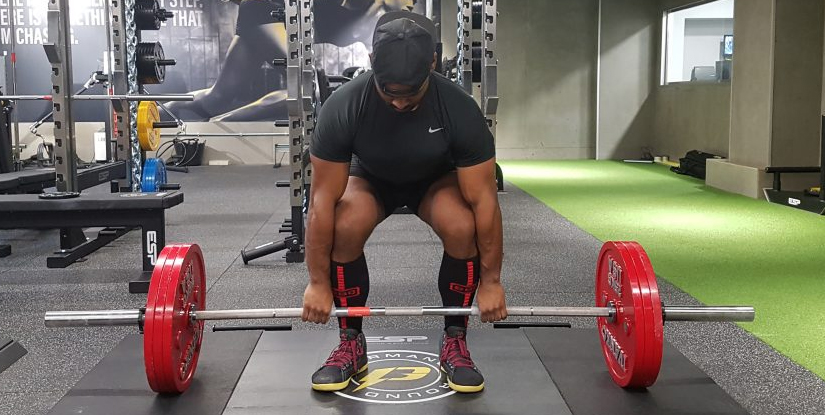
The decision to scale a fitness facility or launch a boutique training center often hinges on a single, high-stakes variable: the procurement strategy for heavy hardware. When building a gym with wholesale workout equipment, many operators fall into the trap of prioritizing the lowest unit price without calculating the long-term operational cost. A low initial investment in substandard steel or inferior upholstery often leads to rapid depreciation and increased liability. To build a sustainable facility, one must transition from a mindset of simple purchasing to one of strategic asset acquisition.
Assessing Material Specifications and Structural Integrity
Before initiating any purchase order, an operator must understand the fundamental difference between residential-grade and commercial-grade steel. A common mistake is assuming that a thicker gauge of steel automatically translates to higher quality; however, the quality of the welding and the precision of the powder coating are equally vital for longevity. Failure to verify these technical nuances can result in machines that develop structural fatigue or rust within the first twelve months of high-traffic use.
Steel Gauge and Load-Bearing Capacity
When reviewing wholesale catalogs, look beyond the general description. Professional facilities require high-density steel constructions to ensure stability during heavy compound movements. A lack of structural rigidity in a squat rack or a heavy-duty bench can lead to catastrophic failure under load. Verify the wall thickness of the steel tubing and the weight-bearing limits of the pivot points.
| Equipment Type | Residential Standard | Commercial Requirement | Critical Verification Point |
|---|---|---|---|
| Power Racks | 14-gauge steel | 7-gauge to 11-gauge steel | Welding depth and seam integrity |
| Dumbbell Racks | Thin-walled tubing | High-density steel profiles | Base weight vs. vertical height |
| Cardio Consoles | Plastic-housed components | Reinforced aluminum/steel frames | Heat dissipation and motor durability |
By establishing these technical benchmarks early, you ensure that your initial investment acts as a durable asset rather than a recurring expense. Once the material standards are set, the focus must shift toward the logistical complexities of the procurement pipeline.
Optimizing the Procurement Workflow and Vendor Selection
Identifying the right wholesale partner is not merely about finding the cheapest price per unit; it is about evaluating the stability of their supply chain and the transparency of their technical documentation. Many operators encounter the 'hidden cost' problem where a low quote is negated by exorbitant shipping fees or lack of replacement part availability. A successful procurement workflow integrates logistics planning into the initial negotiation phase.
Evaluating Vendor Reliability and Lead Times
A major pain point in building a gym with wholesale workout equipment is the unexpected delay in shipping that stalls facility launches. To mitigate this, operators should request a documented history of lead-time accuracy and inquire about the vendor's contingency plans for raw material shortages. A reliable vendor will provide detailed packaging specifications to ensure that heavy components arrive without transit damage.
- Request Technical Datasheets: Never rely on marketing images; ask for technical specification sheets for every major piece of equipment.
- Inquire About Component Standardization: Check if the machines use standard bolts and bearings to simplify future maintenance.
- Verify Shipping Protocols: Ensure the wholesale provider uses heavy-duty palletization for high-density weight equipment.
Establishing a rigorous vendor evaluation process protects your capital from being tied up in non-functional or slow-to-arrive inventory. Once the hardware is ordered, the next critical phase is the spatial optimization of the equipment within your facility.
Explore the complete technical specifications:
Building a Gym: Complete Guide to Layout, Equipment & Budgeting
Spatial Engineering and Layout Optimization
Even the highest-quality wholesale equipment will fail to deliver a premium user experience if the floor plan is poorly conceived. The common error in gym layout is the 'crowding effect,' where equipment is placed too close together, creating both a safety hazard and a perception of a low-end facility. Proper spatial engineering requires a deep understanding of the 'working radius' of every machine.
Calculating the Functional Footprint
Every piece of equipment has a stationary footprint and a dynamic footprint. For example, a barbell bench press has a small base, but the dynamic footprint includes the length of the barbell plus the extension of the arms of the lifter. Ignoring these clearances leads to collisions and increased injury risks.
Consider the following zones when designing your floor plan:
- The Buffer Zone: A minimum of 3 feet of clearance around all moving parts.
- The Weight Drop Zone: Extra depth around deadlift platforms to account for plate bounce.
- The Traffic Lane: Clearly defined paths for users to move between machines without traversing through active lifting areas.
By prioritizing these safety clearances, you create a professional environment that accommodates both the equipment and the athlete. With the layout finalized and the machines installed, the operational focus must pivot toward long-term maintenance and inspection protocols.
Explore the complete technical specifications:
Implementing a Rigorous Maintenance and Inspection Schedule
The durability of your facility is directly proportional to the consistency of your maintenance routines. High-traffic environments accelerate the wear and tear on moving parts, such as cables, pulleys, and bearings. If an operator neglects a routine inspection, a small issue—like a fraying cable—can quickly escalate into an expensive replacement or a significant liability event.
Preventative Maintenance Tiers
A professional-grade maintenance strategy is divided into three distinct tiers: daily visual checks, weekly mechanical testing, and quarterly deep inspections. This systematic approach ensures that minor issues are caught before they lead to total mechanical failure.
| Frequency | Focus Area | Action Required | Verification Method |
|---|---|---|---|
| Daily | Surface & Upholstery | Wipe down and check for tears | Visual and tactile inspection |
| Weekly | Moving Parts & Cables | Lubricate guide rods and check cable fraying | Manual tension test |
| Quarterly | Fasteners & Structural Bolts | Check torque on all primary bolts | Torque wrench verification |
Effective maintenance not only extends the life of the equipment but also preserves the resale value of your gym assets. However, even with perfect maintenance, operators must remain vigilant about the changing economics of the fitness industry.
Monitoring Depreciation and Asset Lifecycle Management
Understanding the lifecycle of your equipment is essential for long-term financial planning. When building a gym with wholesale workout equipment, you are essentially managing a depreciating asset portfolio. A failure to plan for the replacement cycle often leads to sudden, massive capital requirements when a significant portion of your equipment reaches the end of its functional life simultaneously.
Calculating the Replacement Horizon
The replacement horizon is the time period before a piece of equipment is no longer viable for commercial use. This is influenced by usage intensity, maintenance quality, and the evolution of fitness trends. For instance, high-impact strength equipment may have a longer horizon than specialized cardio machines that become technologically obsolete quickly.
To manage this, operators should maintain an Asset Registry that tracks:
- Purchase Date and Original Cost: For tax depreciation and ROI calculations.
- Maintenance History: To identify machines that are becoming 'money pits.'
- Current Condition Rating: A scale from 1 (New) to 5 (Critical Replacement Needed).
By tracking these metrics, you can forecast capital expenditures with precision, ensuring that your facility remains modern and functional without unexpected financial shocks. This level of oversight completes the loop from procurement to long-term operational excellence.
Optimizing Energy and Utility Consumption
As your facility scales, the operational costs of energy and water become significant line items in your budget. While heavy machinery might not consume much electricity, the ancillary systems required to run a modern gym—lighting, HVAC, and automated cardio consoles—can create a massive overhead if not managed. A common mistake is failing to account for the power requirements of high-end cardio equipment in the initial electrical layout.
Energy-Efficient Facility Integration
When building a gym with wholesale workout equipment, you must synchronize your hardware selection with your building's infrastructure. For instance, selecting high-end motorized treadmills requires not just a standard outlet, but a circuit capable of handling peak surges during heavy use to prevent tripping breakers. A mismatch between equipment demand and electrical supply leads to equipment failure and costly repairs.
- Peak Load Assessment: Calculate the total amperage of all motorized equipment running simultaneously.
- Lighting Efficiency: Implement motion-sensor LED systems to reduce baseline energy consumption during low-traffic hours.
- HVAC Balancing: Ensure the ventilation system can handle the thermal output of both the humans and the machines.
Strategic utility management ensures that your operational budget is spent on growth rather than utility surges. This final layer of planning bridges the gap between physical installation and sustained, profitable operation.