

Selecting the Best Olympic Weightlifting Barbell for Performance
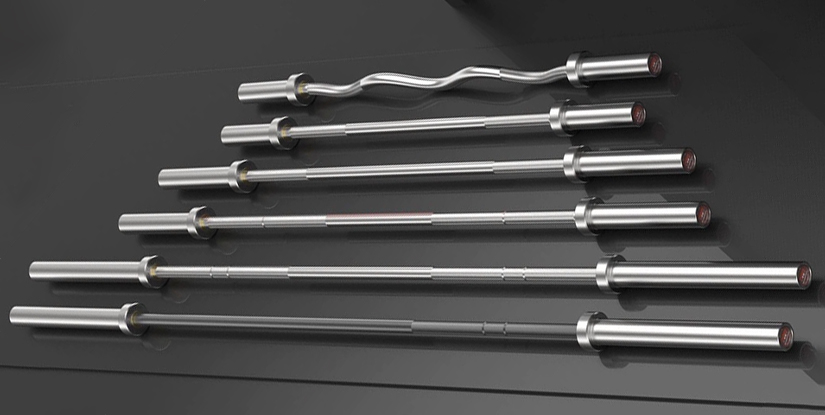
Addressing the Performance Gap in Weightlifting Equipment
The primary frustration for competitive weightlifters often stems from a mismatch between their technical proficiency and the mechanical response of their equipment. A substandard barbell can introduce unexpected oscillations, irregular whip, or uneven knurling, which ultimately disrupts the timing of a clean or a snatch. When a lifter experiences a 'missed' lift that felt technically sound, the root cause is frequently an unpredictable bar rather than a human error. This unpredictability is often caused by inconsistent manufacturing tolerances in the shaft diameter or subpar bearing mechanisms. To avoid these setbacks, one must move beyond superficial aesthetics and focus on the metallurgical and mechanical specifications that define a professional-grade tool. Understanding these technical nuances is the first step in selecting equipment that complements, rather than contradicts, your training cycle.
Before diving into the physical components, it is necessary to establish a baseline for how specialized bars differ from general-purpose fitness equipment.
Defining Core Specifications for Competition-Standard Bars
Transitioning from a standard gym environment to a high-performance setting requires a shift in how you evaluate bar integrity. A professional weightlifting bar is not merely a steel rod; it is a highly engineered instrument designed to manage high-velocity energy transfers. The two most critical elements to evaluate are the shaft rigidity (the 'whip') and the rotational smoothness. If these variables are inconsistent, the lifter cannot develop a reliable rhythm during the second pull or the catch phase.
The Role of Tensile Strength and Steel Composition
The longevity and 'feel' of a barbell are dictated by its tensile strength. High-quality bars typically utilize high-tensile steel that allows for significant elastic deformation (whip) without permanent bending (yield). If a bar lacks sufficient tensile strength, it will eventually develop a permanent set or 'bend,' rendering it useless for competition. When sourcing equipment, professional buyers should look for a high tensile strength rating, which ensures the bar returns to its straight state after heavy eccentric loading.
Understanding Dimensional Tolerances
In precision weightlifting, even a millimeter of deviation can alter the balance of the lift. A professional bar must maintain strict adherence to standard dimensions. We have categorized the essential dimensional benchmarks below to assist in your procurement verification.
| Component | Standard Specification Range | Impact of Deviation |
|---|---|---|
| Shaft Diameter | 28mm (Women) / 28mm (Men) | Alters grip feel and whip characteristics |
| Bar Length | Standardized at 2.2m | Affects spacing and plate loading stability |
| Weight Accuracy | ± 1% or less | Critical for strict competitive programming |
| Knurling Pattern | Consistent depth and spacing | Affects grip security and skin abrasion |
Establishing these baseline measurements ensures that the equipment meets the mechanical requirements of the sport. Once the physical dimensions are confirmed, the focus must shift to the internal mechanism that enables rotation.
Optimizing Rotation: Sleeve Bearings vs. Bushings
One of the most frequent failures in training environments is the presence of 'slow' or 'stuck' sleeves. When the plates do not rotate freely during the turnover, the rotational inertia of the weight is transferred directly into the lifter's wrists and elbows, significantly increasing the risk of injury. This mechanical friction is the direct cause of many wrist impingement issues reported by amateur lifters. The choice between bearing types determines how effectively the bar handles high-speed transitions.
Needle Bearings for High-Velocity Movements
For the best Olympic weightlifting barbell, needle bearings are the industry standard for competitive use. These consist of small, high-grade steel rollers housed within the sleeve. They provide the lowest level of friction and the highest level of rotation speed, which is essential for the rapid turnover required in the snatch. Without high-quality bearings, the centrifugal force of the spinning plates can cause the bar to 'drag,' disrupting the lifter's center of mass.
Bushings for High-Volume Strength Training
In contrast, bronze or composite bushings offer more resistance and are often found in more affordable or multi-purpose bars. While durable, they do not offer the same fluid rotation as needle bearings. For a professional setting where high-velocity Olympic lifts are the focus, bushings may lead to premature fatigue due to the constant micro-adjustments a lifter must make to compensate for sluggish rotation.
Identifying the correct bearing type is vital for long-term safety and performance, but the rotation is only one part of the equation. The interface between the athlete and the steel—the knurling—is equally critical.
Mastering Knurling Texture and Grip Security
A common mistake made by facility operators is prioritizing a 'soft' knurling to prevent athlete complaints, inadvertently creating a safety hazard. A knurling that is too shallow or smooth will fail under the high-tension demands of a heavy clean or snatch, leading to the bar slipping during the most critical moments of the lift. Conversely, overly aggressive, 'cheese-grater' knurling can cause skin tearing and excessive fatigue, hindering a lifter's ability to train consistently.
Evaluating Knurling Profiles
The knurling on a professional barbell should be sharp enough to provide a secure mechanical lock with the hands, yet refined enough to be used in high-volume sessions. The pattern should be consistent across the entire length of the knurled section. When inspecting a potential purchase, perform a tactile test: run the knurled section across your palm with controlled pressure to gauge the 'bite' of the steel. A quality bar will exhibit a distinct, uniform texture without jagged edges that could cause uneven friction.
The Impact of Center Knurling on Stability
In Olympic weightlifting, the presence of center knurling is a non-negotiable requirement. This texture provides the necessary friction against the upper chest during the clean and the neck during the jerk. A lack of center knurling or a poorly executed pattern can lead to the bar sliding during the transition, which is a major cause of failed lifts and instability.
With the tactile aspects of the bar understood, we must address the maintenance required to keep these mechanical systems functioning at peak efficiency.
Maintenance Protocols for Longevity and Performance
Even the highest-quality barbell will suffer from performance degradation if subjected to neglect. The two primary enemies of a weightlifting barbell are oxidation (rust) and friction buildup within the sleeves. If the sleeves become gritty or slow, it is often a sign that dust, sweat, or moisture has entered the bearing housing, causing internal corrosion or debris accumulation.
Preventing Oxidation and Surface Corrosion
Most professional bars use a variety of finishes, such as stainless steel, hard chrome, or zinc. While stainless steel is the most resistant to oxidation, any bar used in a high-humidity or non-climate-controlled environment will require a maintenance regimen. A simple but effective practice is to periodically wipe the shaft with a light coat of specialized barbell oil. This creates a barrier against moisture and maintains the integrity of the knurling.
The Sleeve Cleaning and Lubrication Checklist
To ensure the rotation remains fluid, a periodic inspection of the sleeves is required. Use the following checklist to determine if a deep cleaning or professional service is necessary:
- Visual Inspection: Check for any visible rust or discoloration inside the sleeve opening.
- Rotation Test: Spin the sleeves with empty hands. If you feel any 'clicking,' 'grittiness,' or resistance, debris has likely entered the bearings.
- Sound Check: A healthy bearing should be relatively quiet. Loud grinding or scraping sounds indicate a need for lubrication or replacement.
- Weight Test: Load the bar with standard plates and perform a few rapid turnovers. Note if the rotation feels inconsistent or delayed.
Failure to follow these steps can lead to a significant decline in the bar's lifespan and its mechanical utility, eventually forcing a premature replacement. Regular maintenance ensures that the high-performance features you invested in actually remain functional.
Operational Safety and Equipment Inspection
Safety in a weightlifting facility is a continuous process of verification. A barbell that has been improperly stored or excessively loaded without regard for its weight limit can become a liability. As an operator or coach, you must develop a standard operating procedure for inspecting equipment before it reaches the athlete. This prevents catastrophic failures that could lead to injury or equipment damage.
Identifying Signs of Mechanical Fatigue
Weightlifting bars are designed to flex, but they are not designed to bend permanently. It is crucial to recognize the signs of a bar that has reached its fatigue limit. If a bar consistently exhibits a slight bend even when unweighted, it has undergone plastic deformation and should be retired from competition use immediately. Furthermore, pay close attention to the 'end caps' or collars. If the collars feel loose or exhibit excessive play, the internal bearing housing may be worn out, which can cause plates to shift dangerously during a lift.
Common Operator Mistakes in Equipment Management
| Mistake | Consequence | Professional Fix |
|---|---|---|
| Storing bars in high-humidity areas | Rapid oxidation and knurling degradation | Store in climate-controlled environments |
| Using standard gym plates on high-end bars | Uneven weight distribution and bearing wear | Use calibrated, high-quality bumper plates |
| Neglecting sleeve rotation checks | Sudden loss of rotational speed during heavy lifts | Implement a monthly rotation and cleaning schedule |
By implementing these rigorous standards, you ensure that the equipment remains a reliable tool for development rather than a source of danger. Maintaining this high standard of care is the final step in a comprehensive approach to professional weightlifting equipment management.