

Optimizing Performance and Longevity of the 55Lb Barbell
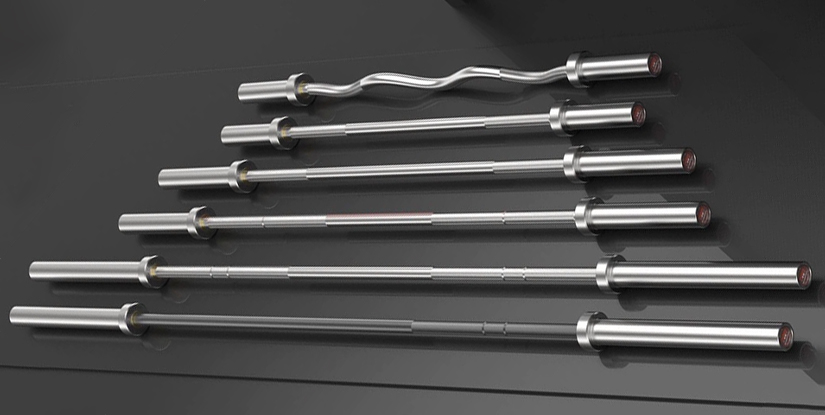
Understanding the 55Lb Barbell Standard and Functional Utility
The 55Lb barbell occupies a unique niche in strength training environments. Often designated as a specialized weight for specific training modalities, its non-standard mass requires a deep understanding of its structural properties and usage context. A common pain point for professional strength coaches and facility operators is the perceived inconsistency in weight distribution across different production batches, which can lead to uneven loading and altered biomechanics during high-repetition training sessions.
To ensure consistent performance, operators must recognize that the 55Lb designation is not merely a weight value but a technical specification involving steel grade, shaft diameter, and knurling density. A failure to verify these characteristics often leads to premature wear or training inefficiency. This section establishes the technical baseline required to manage this specific equipment effectively.
Dimensional Consistency and Material Composition
The utility of this specialized barbell depends heavily on its mechanical stability. Professional-grade equipment should maintain a consistent shaft diameter, typically standardized to prevent unwanted oscillation under load. When the material composition lacks uniformity, the barbell may exhibit unintended whip or lack the necessary rigidity for heavy lifts. Operators should always verify that the material meets the tensile strength requirements of their specific training protocols.
Understanding these fundamental physical properties is the first step toward advanced operational management. Once the baseline specifications are understood, the focus shifts to the critical task of verifying mechanical integrity through rigorous inspection protocols.
Implementing Rigorous Inspection Protocols for Weight Verification
Maintaining the accuracy of a 55Lb barbell is a constant challenge in high-performance environments. A recurring problem occurs when cumulative wear—such as knurling erosion or plating degradation—leads to perceived weight shifts or grip instability. If an operator neglects to implement a formal verification schedule, they risk training accuracy and long-term equipment reliability.
The cause of weight discrepancy is rarely the steel itself, but rather the accumulation of microscopic debris or the thinning of protective coatings. To mitigate this, a structured inspection cadence must be established. The following table provides a decision-making framework for determining inspection frequency based on usage intensity.
| Usage Environment | Primary Risk Factor | Recommended Inspection Interval | Actionable Verification Step |
|---|---|---|---|
| Residential/Home Studio | Low friction, low frequency | Quarterly | Visual inspection for surface oxidation |
| Boutique Fitness Studio | High turnover, moderate impact | Monthly | Knurling depth check and weight verification |
| Commercial Strength Gym | High volume, constant impact | Weekly | Full weight audit and sleeve rotation check |
| Professional Performance Center | Maximum load, precision focus | Bi-weekly | Precision scale verification and sleeve bearing test |
By adhering to these intervals, operators can identify subtle deviations before they evolve into systemic equipment failures. However, physical weight is only one component of the barbell's integrity; mechanical function of the rotating sleeves is equally critical.
Evaluating Sleeve Rotation and Mechanical Tolerances
A major failure mode in specialized bars is the sticking or uneven rotation of the sleeves. This is often caused by insufficient lubrication or the ingress of environmental particulates into the bearing systems. A sticking sleeve can lead to sudden torque transfers to the wrists, a common cause of injury in high-velocity movements. Operators must verify that rotation remains fluid and consistent under load.
When evaluating a 55Lb barbell, the following technical parameters serve as decision criteria for whether a unit requires immediate maintenance or replacement:
- Rotation Friction: The sleeve should spin freely with minimal resistance when spun by hand.
- Bearing Sound: Listen for grinding or clicking noises, which indicate bearing failure or debris ingress.
- Sleeve Play: Excessive lateral movement between the sleeve and the shaft indicates worn bushings.
Regular inspection of the sleeve-to-shaft interface ensures that the internal bearings or bushings are operating within optimal tolerances. This level of detail is essential for maintaining a safe environment and preparing for more advanced maintenance tasks.
Preventing Mechanical Failure Through Sleeve Maintenance
As established in the previous section, the rotation of the sleeves is a primary indicator of a barbell's health. When a sleeve fails to rotate smoothly, the mechanical integrity of the entire unit is compromised. The root cause is typically friction-induced heat or particulate buildup, which can be solved through systematic lubrication and cleaning protocols.
The following checklist serves as a professional standard for sleeve maintenance to prevent common operational failures:
- Visual Audit: Check for any visible signs of metal shavings or discoloration within the sleeve-shaft junction.
- Resistance Test: Rotate the empty sleeve by hand to ensure there is no detectable friction or 'grittiness.'
- Lubrication Protocol: Apply a high-grade, non-detergent lubricant to the bearing surface if rotation is sluggish.
- Debris Removal: Use compressed air to clear any particulate matter from the internal components.
Applying these maintenance steps prevents the mechanical seizure that often plagues high-use equipment. With the mechanical systems stabilized, the focus shifts to preserving the exterior surface finish and knurling quality.
Mitigating Surface Oxidation and Knurling Erosion
The texture of the 55Lb barbell—its knurling—is vital for grip security. A common mistake among operators is using abrasive cleaners that strip away the protective plating, leading to rapid oxidation and a 'slick' feel. This surface degradation is a primary cause of grip failure during maximal effort lifts.
To prevent this, only use pH-neutral cleaners and avoid any highly acidic or alkaline substances. This preservation of the surface finish ensures the barbell remains a durable asset for years. Maintaining the surface is the final step in a comprehensive lifecycle management strategy, which includes the critical component of storage.
Advanced Storage Strategies to Minimize Degradation
Even a perfectly maintained 55Lb barbell will succumb to rapid deterioration if stored improperly. The primary cause of premature aging in high-quality barbells is environmental exposure, particularly humidity and temperature fluctuations. Improper storage leads to surface rust, which not only affects aesthetics but can actually alter the mass and texture of the bar over time.
Operators must design storage solutions that mitigate these environmental risks. A lack of structured storage often results in disorganized weight rooms and increased equipment damage from unnecessary impacts.
Environmental Controls and Rack Integration
Integrating the barbell into a dedicated rack system is more than just a matter of organization; it is a protective measure. A rack provides a stable, elevated surface that keeps the bar away from floor-level moisture and prevents the metal-on-metal impact that occurs when bars are dropped or improperly handled. The following table compares common storage methods and their impact on equipment longevity.
| Storage Method | Environmental Protection | Ease of Access | Longevity Impact |
|---|---|---|---|
| Floor Placement | Very Low (High moisture risk) | High | Negative (High risk of rust/dents) |
| Standard Barbell Rack | Moderate (Shielded from floor) | Very High | Positive (Stable and organized) |
| Climate-Controlled Cabinet | Very High (Zero humidity risk) | Low | Excellent (Maximum preservation) |
| Wall-Mounted Hooks | Moderate (Prevents floor contact) | High | Positive (Keeps bar elevated) |
Choosing the right storage method depends on the facility's existing infrastructure and budget. Once storage and environment are optimized, the operator can focus on the final aspect of the lifecycle: the return on investment through optimized equipment turnover.
Analyzing the Long-Term ROI of Specialized Barbell Selection
When procuring specialized equipment like a 55Lb barbell, the initial purchase price is often less significant than the Total Cost of Ownership (TCO). Many facilities make the mistake of choosing the lowest-cost option, only to face high replacement costs due to poor durability. A professional-grade barbell, while potentially more expensive upfront, offers a superior return on investment through decreased replacement frequency and higher user satisfaction.
A high-quality barbell maintains its knurling and rotational smoothness far longer than entry-level models. This longevity directly translates to lower operational costs and more consistent training outcomes for users.
Budgeting for Lifecycle and Replacement
A sophisticated procurement strategy involves calculating the expected lifespan of the equipment. If a low-cost barbell requires replacement every 18 months due to surface corrosion, the long-term cost often exceeds that of a premium unit that lasts five years. Operators should factor in the cost of maintenance supplies—such as specialized lubricants and cleaners—into their annual equipment budget.
By viewing the 55Lb barbell as a long-term asset rather than a disposable commodity, facility managers can ensure more stable operational budgets and more reliable equipment availability. This comprehensive approach to equipment management ensures that the technical standards established at the beginning of the process are maintained through the entire lifecycle of the product.
Verification of Investment and Performance Standards
The final stage of the management cycle involves the objective verification of performance standards. An investment is only successful if the equipment maintains its intended utility throughout its service life. To ensure this, facilities should conduct a final review of the equipment's state against the original procurement specifications.
A professional verification checklist includes:
- Mass Stability: Confirming the barbell remains within the specified 55Lb tolerance during annual audits.
- Grip Integrity: Verifying that the knurling depth hasn't diminished beyond functional limits.
- Rotational Fluidity: Ensuring sleeve rotation remains consistent without mechanical noise.
If the weight remains within acceptable tolerances and the mechanical functions remain fluid, the investment is successfully yielding its intended value. This continuous loop of inspection, maintenance, and verification ensures that the 55Lb barbell remains a high-performing tool for any professional environment.