

Optimizing Performance and Longevity of the Hex Rubber Dumbbell
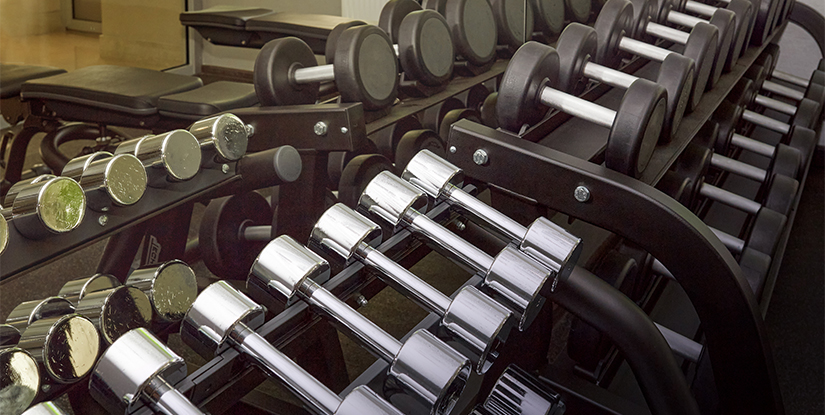
Addressing the Challenges of Equipment Degradation in High-Traffic Gyms
Facility managers often encounter a recurring issue where strength training equipment appears prematurely aged or even unsafe. A common frustration arises when high-quality investments, specifically the hex rubber dumbbell, begin to show signs of rubber fatigue, handle oxidation, or weight imbalance long before their expected lifecycle ends. This degradation is rarely a result of poor manufacturing alone; rather, it is often driven by improper storage environments, aggressive chemical cleaning agents, and the physical stresses of heavy-duty training. Understanding the root cause of these failures is the first step toward maintaining a professional-grade training environment.
To prevent these issues, operators must recognize that the hex rubber dumbbell is a composite tool consisting of multiple specialized materials—cast iron, high-density rubber, and steel plating. When one component fails, the entire unit becomes a liability. By addressing these mechanical and chemical stressors through systematic inspection and care, facilities can significantly extend the utility of their strength equipment. This foundational understanding of equipment stress leads us directly to the structural components that define a high-quality dumbbell.
Structural Integrity and Material Composition Analysis
The durability of any hex rubber dumbbell is fundamentally tied to the quality of its core and its protective outer layers. A common failure mode in lower-tier equipment is the separation of the rubber casing from the metal core, a process often caused by improper thermal bonding or inferior adhesives. This separation not only changes the weight distribution but also creates a safety hazard if the weight shifts during high-velocity movements.
The Role of High-Density Rubber in Impact Resistance
High-density rubber is not merely an aesthetic choice; it serves as a kinetic energy dissipator. During heavy lifting, the impact of a dumbbell hitting a floor generates significant force. If the rubber density is inconsistent or too low, the shockwaves can propagate through the metal core, leading to micro-fractures in the steel or the eventual cracking of the casing. Professional-grade units utilize a cross-linked polymer structure to ensure that the rubber remains resilient even under repeated impact. Operators should look for a consistent texture and a lack of visible seams or air pockets, which are indicators of a well-bonded surface.
Handle Durability and Grip Ergonomics
Beyond the weight heads, the handle is the primary point of contact and a frequent site of failure. Common issues include grip slippage due to sweat accumulation or the corrosion of the knurling. A high-quality hex rubber dumbbell should feature deep, consistent knurling that does not wear down easily. Furthermore, the transition point where the handle enters the rubber head is a critical structural junction. If this area shows signs of cracking or loosening, the dumbbell's structural integrity is compromised.
| Component | Quality Indicator | Common Failure Mode |
| Rubber Casing | High-density, seamless appearance | Cracking, peeling, or scent of off-gassing |
| Steel Handle | Uniform knurling, corrosion-resistant plating | Rusting, smoothing of grip texture |
| Weight Interface | Zero movement between head and handle | Loose heads or weight shifting during use |
| Hex Shape | Symmetrical edges for stability | Asymmetrical or rounded edges causing rolling |
Analyzing these components allows for a better understanding of the physical demands placed on the tool. Once the composition is understood, the focus shifts to the environmental factors that influence its lifespan.
Environmental Control and Storage Best Practices
Even the most robust hex rubber dumbbell is susceptible to environmental degradation if not stored correctly. A frequent mistake made by facility operators is placing equipment in areas with extreme temperature fluctuations or high humidity levels. These environments act as catalysts for material fatigue and chemical breakdown.
Temperature and UV Exposure Risks
Extreme heat can cause the rubber to soften and become tacky, while extreme cold can make the polymer brittle, leading to cracks upon impact. Furthermore, if the equipment is stored near large windows with significant UV exposure, the ultraviolet rays can break down the chemical bonds in the rubber, resulting in a chalky residue or surface discoloration. This is not just an aesthetic issue; it fundamentally alters the grip characteristics and the impact-absorption capabilities of the dumbbell. To prevent this, equipment should ideally be stored in a climate-controlled interior zone away from direct sunlight.
Mitigating Moisture and Oxidation
Moisture is the primary enemy of the metal components within a dumbbell. If humidity levels are high, or if the equipment is frequently exposed to sweat without proper cleaning, the steel handle and the internal core are at risk of oxidation. Rust not only looks unprofessional but can also weaken the structural connection between the handle and the weight head. Establishing a standard cleaning protocol that involves drying the equipment after use is a critical preventative measure. This leads naturally to the necessity of a rigorous inspection routine to catch these issues before they escalate.
A Systematic Approach to Routine Equipment Inspection
A professional maintenance program is not about waiting for something to break; it is about identifying the precursors to failure. An effective inspection of the hex rubber dumbbell should be divided into visual, tactile, and mechanical checks. By categorizing these checks, operators can move from subjective observation to objective verification of equipment safety.
Visual and Tactile Inspection Checklist
The first step in any inspection is a visual scan of the entire unit. Look for signs of discoloration, which can indicate UV damage, or cracks in the rubber casing. Tactile inspection involves running a hand (carefully) over the knurling and the rubber surface to feel for irregularities, such as smooth patches or debris lodged in the grip. A consistent texture across all units in a set is a key indicator of quality control.
Mechanical Verification Procedures
Mechanical verification is more intensive and should be performed monthly or quarterly. This involves checking the 'play' or movement within the unit. A highly effective method is to hold the dumbbell by the handle and perform a controlled, low-velocity shake to see if the weight head moves independently of the handle. Any audible or perceptible shifting is an immediate red flag for structural failure. Additionally, a precision scale check is recommended for high-value sets to ensure that the weight remains within acceptable tolerances despite the physical wear.
- Visual Check: Inspect for cracks, peeling rubber, or rust on the handle.
- Grip Check: Feel for knurling wear and surface tackiness.
- Balance Check: Observe the dumbbell on a flat surface to ensure the hex shape prevents rolling.
- Integrity Check: Verify that the weight heads are firmly seated on the handle.
When these checks are integrated into a standard operating procedure, the operator moves from a reactive state to a proactive one. The final stage of a professional maintenance cycle is addressing the corrective actions needed when a deficiency is found.
Troubleshooting Common Performance Deficiencies
When an issue is identified during inspection, the next step is to determine if it is a cosmetic issue or a structural hazard. Treating a structural issue as a cosmetic one is a common mistake that can lead to significant liability and safety risks. Below is a troubleshooting guide for common issues encountered with the hex rubber dumbbell.
| Observed Problem | Potential Cause | Actionable Fix / Verification |
| Rubber is Tacky/Sticky | Accumulated sweat or chemical reaction | Clean with mild soap and water; avoid harsh solvents. |
| Handle is Corroded | Humidity or improper cleaning | Use a specialized metal cleaner; ensure dry storage. |
| Weight Shifting | Internal bond failure or loose weld | REPLACE IMMEDIATELY; do not attempt to re-bond. |
| Knurling is Smooth | High usage or abrasive cleaning | Monitor grip; if grip is lost, replace the unit. |
By following this structured troubleshooting approach, facility managers can make informed decisions about whether to repair, clean, or decommission a piece of equipment. Maintaining this level of scrutiny ensures the longevity of the entire strength training inventory.
Optimizing Weight Distribution and Balance Accuracy
A high-performance hex rubber dumbbell must maintain precise weight distribution across its entire geometry. As equipment ages, the center of gravity can subtly shift due to material compression or internal component settling. This shift can affect a user's biomechanics and increase the risk of injury during complex movements like snatches or cleans.
Verifying Center of Mass and Symmetry
To ensure peak performance, operators should periodically verify the symmetry of the weight heads. A common failure mode is "unbalanced loading," where the internal metal core is not perfectly centered within the rubber shell. This can often be detected during high-repetition training when a user feels a slight wobble. To check this, place the dumbbell on a flat, level surface and observe its orientation. If the hex shape does not rest symmetrically, or if the dumbbell tends to tilt unexpectedly, the weight distribution is likely compromised.
Weight Calibration and Tolerance Standards
While professional facilities do not need to weigh every single dumbbell every day, a formal calibration protocol should be established. A standard parameter for high-end equipment is a weight tolerance of +/- 1% to 3% of the nominal weight. If a 20kg dumbbell is found to be significantly lighter or heavier due to rubber loss or internal material density changes, it should be flagged for replacement. Using a digital scale for random sampling of a set is a highly effective way to audit the entire inventory's accuracy.
| Weight Accuracy Audit Protocol | ||
|---|---|---|
| Method | Parameter | Frequency |
| Random Sampling | +/- 2% Tolerance | Quarterly |
| Manual Shake Test | Zero internal movement | Monthly |
| Symmetry Check | Visual levelness on flat surface | Bi-Monthly |
Regularly auditing weight distribution ensures that the physical integrity of the tool matches its technical specifications. This leads into the final strategic consideration for facility owners: managing the overall lifecycle of the equipment.
Long-Term ROI and Lifecycle Management
Investing in high-quality hex rubber dumbbells is a long-term strategy for facility efficiency. While the initial procurement cost might be higher than lower-grade alternatives, the total cost of ownership (TCO) is often significantly lower due to reduced replacement frequency and lower maintenance requirements. A well-maintained set can serve a commercial facility for many years, provided the structural and environmental protocols discussed are strictly followed.
The Cost of Neglect vs. The Value of Care
The economic impact of neglecting equipment is twofold: the direct cost of replacement and the indirect cost of liability and reputational damage. A single instance of a dumbbell head detaching during a set can have severe consequences. Conversely, a disciplined approach to inspection and environmental control preserves the asset value of the gym's inventory. This lifecycle management should be a core part of the facility's operational budget and training for staff.
As the fitness industry evolves toward even more durable and technologically advanced materials, the fundamental principles of equipment care remain constant. Whether handling a standard hex rubber dumbbell or more advanced training implements, the commitment to regular inspection and controlled environments will always yield the best return on investment.