

Precision in Barbell Weight Kg: A Technical Standard Guide
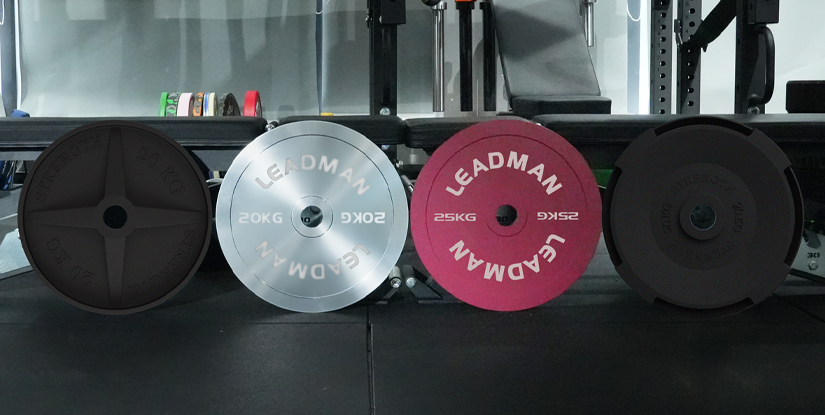
Understanding Discrepancies in Barbell Weight Kg and Tolerance Standards
In high-performance strength training environments, even a minor deviation in total load can disrupt progressive overload cycles and physiological adaptation. The fundamental issue arises when operators assume all equipment labeled with a specific mass is functionally identical. A barbell intended to be 20kg may actually oscillate between 19.8kg and 20.2kg due to manufacturing variances, and failing to account for this can lead to inaccurate training data. This technical guide addresses the critical need for precision in weight management and equipment standardization.
The Physics of Weight Calibration
Weight accuracy is not merely about the number stamped on the metal. It involves the distribution of mass across the shaft, the sleeves, and the internal components like bearings or bushings. A significant problem occurs when an operator relies on visual estimation rather than verified measurement, leading to an unconscious skew in training intensity. To ensure precision, a professional must understand that Barbell Weight Kg accuracy is a product of material density and manufacturing tolerance. Most high-quality equipment adheres to a strict tolerance range, typically within 1-2% of the stated mass, but cheaper alternatives often exceed these margins significantly.
By establishing a baseline of known weight, operators can mitigate the risks associated with uneven loading and inaccurate progress tracking. Once the necessity of precision is established, the focus shifts to selecting the correct type of barbell for specific loading requirements.
Selecting Barbell Types Based on Load Capacity and Mass Distribution
Choosing the correct barbell requires more than just picking a color; it necessitates a deep understanding of how mass is distributed and how that mass interacts with the user's movement patterns. A common error is selecting a barbell based solely on the weight of the shaft while ignoring the impact of the sleeves and the rotational resistance. The decision-making process must prioritize the intended use case to avoid mechanical failure or injury.
| Barbell Type | Standard Mass (Typical) | Primary Use Case | Load Sensitivity |
|---|---|---|---|
| Olympic Barbell | 20kg | Weightlifting / Powerlifting | High (Precision Required) |
| Standard Barbell | 10kg - 15kg | General Fitness / Home Gyms | Medium |
| EZ Curl Bar | 7kg - 10kg | Isolation / Bicep Work | Low (Focus on Ergonomics) |
| Training/Junior Bar | 5kg - 10kg | Skill Acquisition / Youth | Low |
As seen in the table above, the standard 20kg Olympic barbell is the benchmark for heavy lifting, yet its mass must be perfectly distributed to remain stable under high tension. Miscalculating the total weight through improper sleeve selection or mismatched plates can lead to catastrophic imbalances. This leads us to the necessity of a rigorous verification and inspection protocol.
Verifying Accuracy Through Regular Mass Inspection
A professional facility cannot rely on the assumption that the weight remains constant over time. Environmental factors, oxidation, and wear can subtly alter the physical properties of equipment. The primary problem is the gradual decay of accuracy, which becomes apparent when athletes notice plate imbalances or unexpected resistance changes. An operator must implement a systematic verification process to ensure that the total mass remains within an acceptable margin of error.
The Calibration Checklist for Operators
To maintain high standards, facilities should utilize a standardized inspection cadence. This involves more than a visual glance; it requires a physical and mathematical check of the load. Follow this checklist during your monthly maintenance cycles:
- Visual Inspection of Sleeves: Check for rust or debris buildup that might add unrecorded mass.
- Diameter Verification: Ensure the shaft diameter hasn't been compromised by excessive knurling wear.
- Weight Comparison: Use a calibrated floor scale to weigh the empty barbell against its stamped rating.
- Symmetry Check: Ensure the mass distribution between the left and right sleeves is nearly identical.
If a barbell deviates more than 3% from its rated weight, it should be flagged for recalibration or removal from the active lifting area. Verifying these physical attributes is a prerequisite for effective maintenance and long-term equipment longevity.
Explore the complete technical specifications:
Olympic Bar vs Standard Bar Weight: 20kg vs 5kg – B2B Procurement Engineering Guide
Mitigating Mechanical Failures via Lubrication and Component Care
Once the mass of the barbell is verified, the focus must shift to the mechanical components that allow that mass to move. A common failure mode in weight-bearing systems is the seizure or increased friction within the bearings or bushings. This is often caused by inadequate lubrication or the ingress of dust and sweat, which eventually compromises the rotational fluidity of the barbell.
Managing Friction and Rotation
Effective maintenance involves a proactive approach to component lubrication. If the rotation becomes sluggish, the total effective weight felt by the athlete changes due to the increased torque required to spin the sleeves. This can cause significant strain on the wrists during complex movements like the clean or snatch. Operators must decide between oil-based lubricants and dry-film lubricants based on the specific bearing type installed in their equipment.
When rotation is compromised, it is often a symptom of neglected maintenance rather than a structural defect. Ensuring the bearings remain clean and lubricated preserves the intended performance and prevents the premature wear of the shaft and sleeves. With the mechanical side under control, the next step is managing the physical storage and organization of the weights themselves.
Explore the complete technical specifications:
How Much Does a Short Barbell Weigh? Complete Guide 3kg to 25kg
Optimizing Weight Storage and Load Management Systems
The way weights are stored directly impacts the structural integrity of the barbell and the accuracy of the total load. Improper storage often leads to the bending of the shaft or the uneven wear of the sleeve collars. A common mistake is leaving heavy plates on the sleeves of a barbell for extended periods, which can lead to permanent deformation of the metal through 'creep'—a process where constant load causes gradual shape changes.
Best Practices for Load Distribution
To prevent structural deformation and maintain the rated capacity of your equipment, adhere to these operational standards:
- Unload After Use: Never leave heavy weights on the barbell when the session is complete.
- Vertical vs. Horizontal Storage: Store barbells in racks that support the shaft evenly; avoid leaving them on a single point of contact.
- Plate Organization: Organize weight plates by mass in dedicated racks to prevent the 'clutter-weight' problem where smaller plates are accidentally mixed with larger ones.
Effective organization ensures that when an athlete reaches for a specific increment, the weight they receive is exactly what is expected. This level of control is vital for maintaining a high-performance environment. As we conclude, it is important to review the long-term implications of these maintenance and selection protocols.
Explore the complete technical specifications:
Barbell Guide | Olympic Bar Sizes, Knurling & Tensile Strength
Environmental Factors and Material Integrity
Beyond mechanical care, the physical environment plays a significant role in how a barbell's mass and integrity are perceived. High humidity can lead to oxidation, which adds microscopic layers of material to the sleeves. While the weight increase might be negligible in a single session, the cumulative effect of oxidation can alter the friction coefficient and the rotational smoothness of the device.
Climate Control and Material Longevity
Operators should monitor the following environmental parameters to ensure equipment longevity:
- Humidity Levels: Keep humidity below 50% where possible to prevent rust/oxidation on steel components.
- Temperature Stability: Avoid extreme temperature swings that can cause expansion and contraction of the metal, potentially affecting the tolerance of the bearings.
- Surface Contaminants: Regularly clean the shaft to remove skin oils and sweat, which can cause etching and uneven mass distribution over time.
By managing these external variables, facility owners can ensure that the Barbell Weight Kg stays consistent and the mechanical properties remain predictable throughout the lifespan of the equipment.
Explore the complete technical specifications:
Men's Barbell Weight: 20kg Olympic & Powerlifting Bar Standards
Long-Term ROI and the Importance of Standardization
While the initial investment in high-quality, accurately calibrated equipment may be higher, the long-term Return on Investment (ROI) is substantial. Low-cost equipment with inconsistent weight accuracy leads to higher replacement costs and, more importantly, higher injury risks. Standardization across a facility reduces the mental load on athletes and coaches, allowing for a seamless transition between different pieces of equipment.
Economic and Operational Impact
The economic impact of poor equipment management is often invisible until it manifests as a major failure. A facility that prioritizes the precision of its barbell weight and the maintenance of its structural integrity will see lower turnover in its equipment and a higher satisfaction rate among its professional users. A predictable, high-quality environment is the hallmark of a professional operation.
| Standard Metric | Low-Quality Equipment | Professional-Grade Equipment |
|---|---|---|
| Weight Tolerance | ± 5% or more | ± 1% to 2% |
| Maintenance Need | High (Frequent replacement) | Low (Predictable intervals) |
| Structural Longevity | Short (Prone to bending) | Long (Designed for high stress) |
| Athlete Feedback | Inconsistent/Unreliable | Consistent/Predictable |
By adhering to the technical guidelines outlined in this article, operators can ensure that their strength training environments remain both safe and effective. Consistent monitoring of mass and mechanical performance is the only way to guarantee long-term operational excellence.