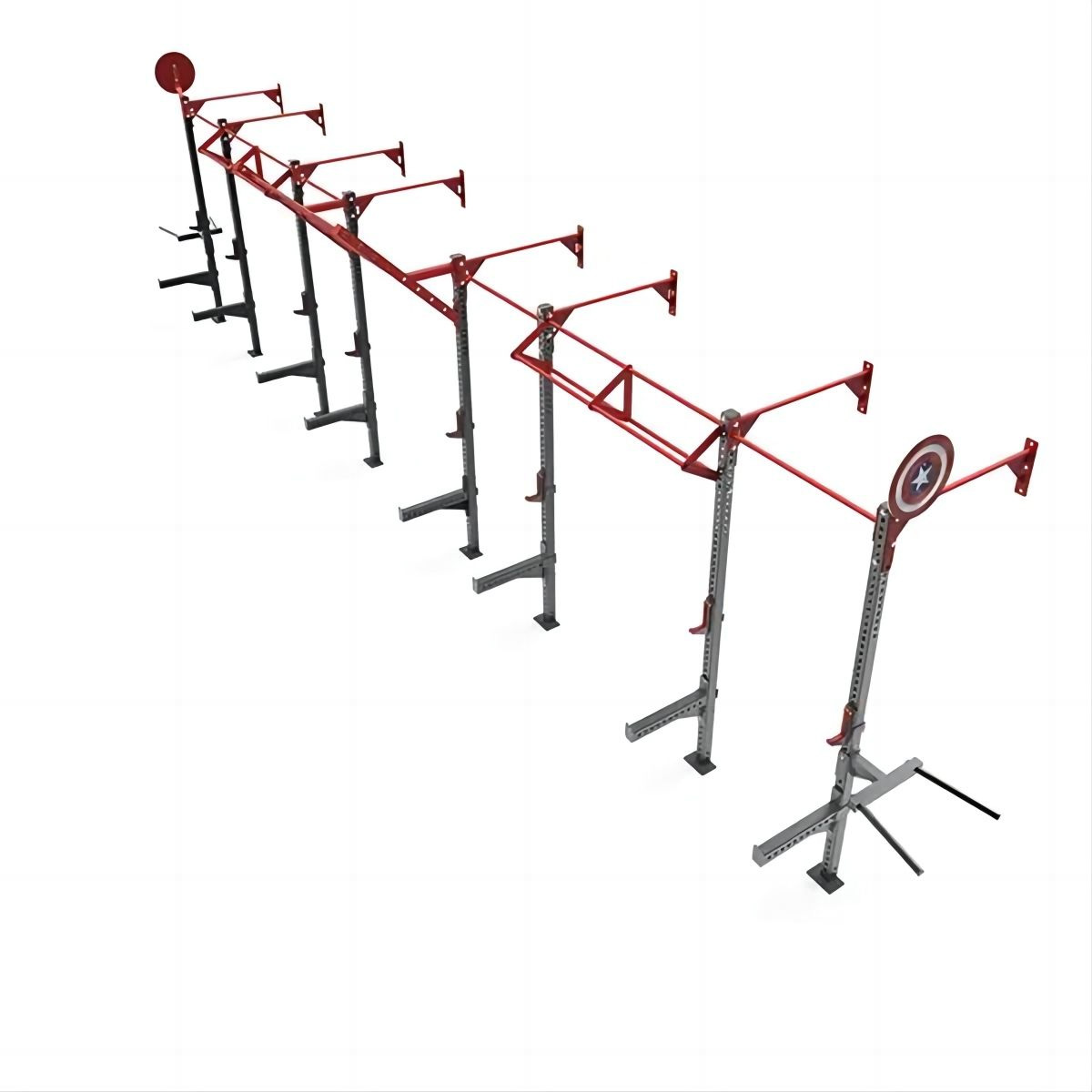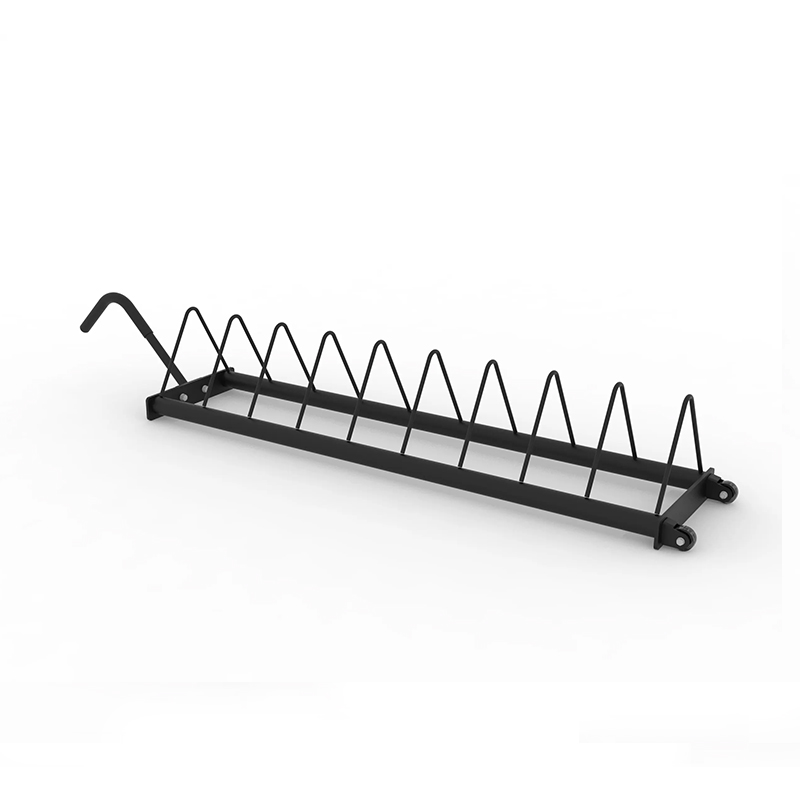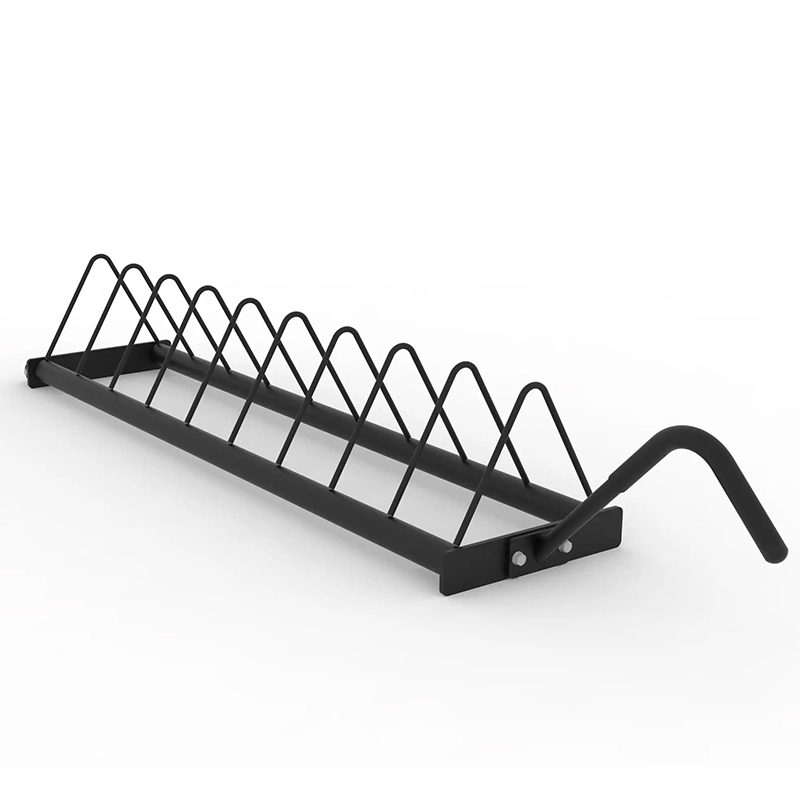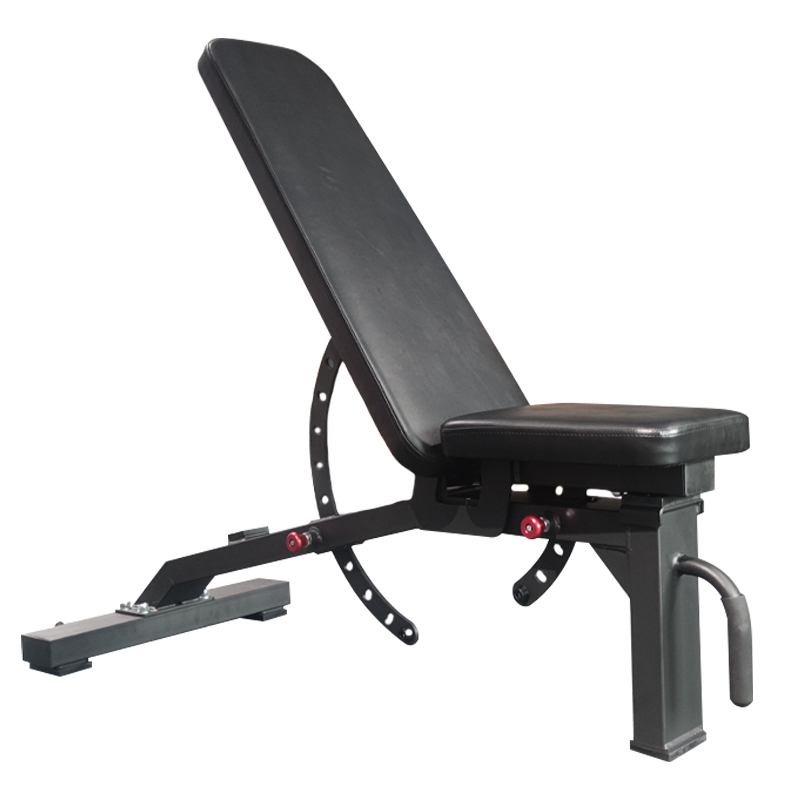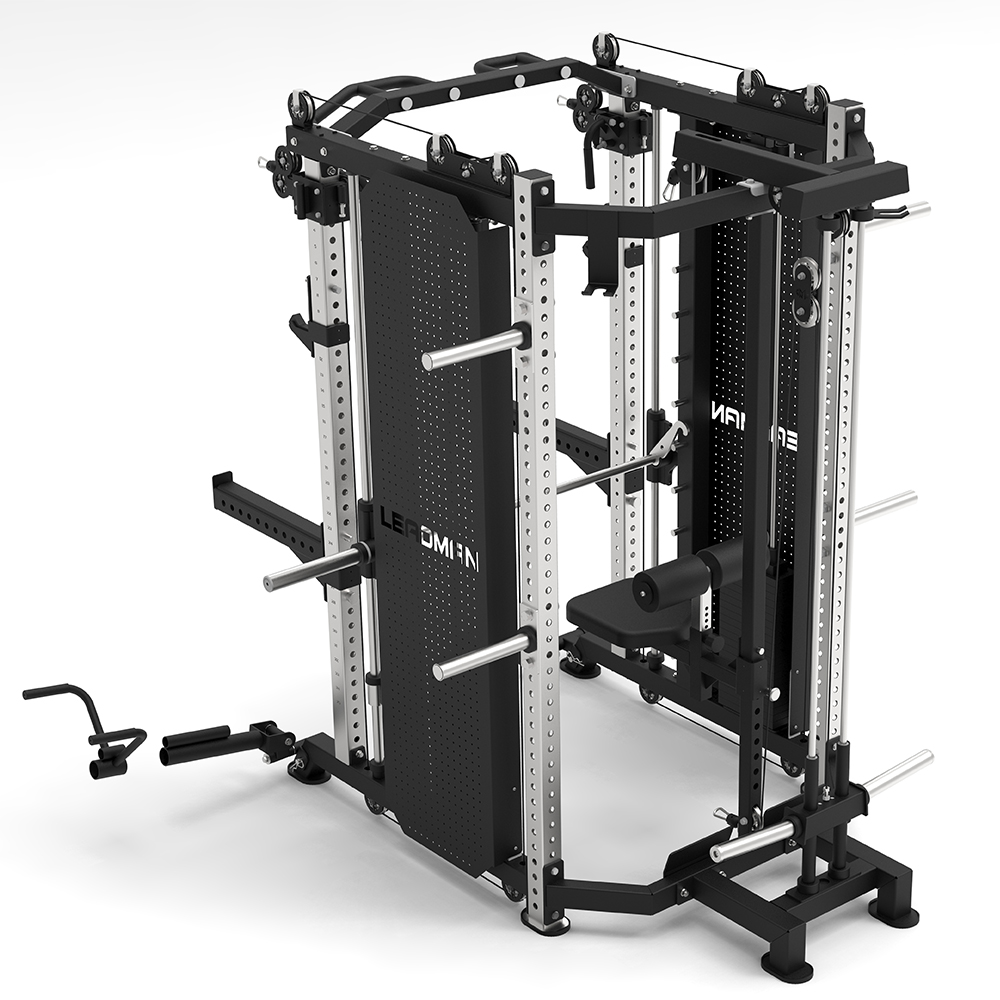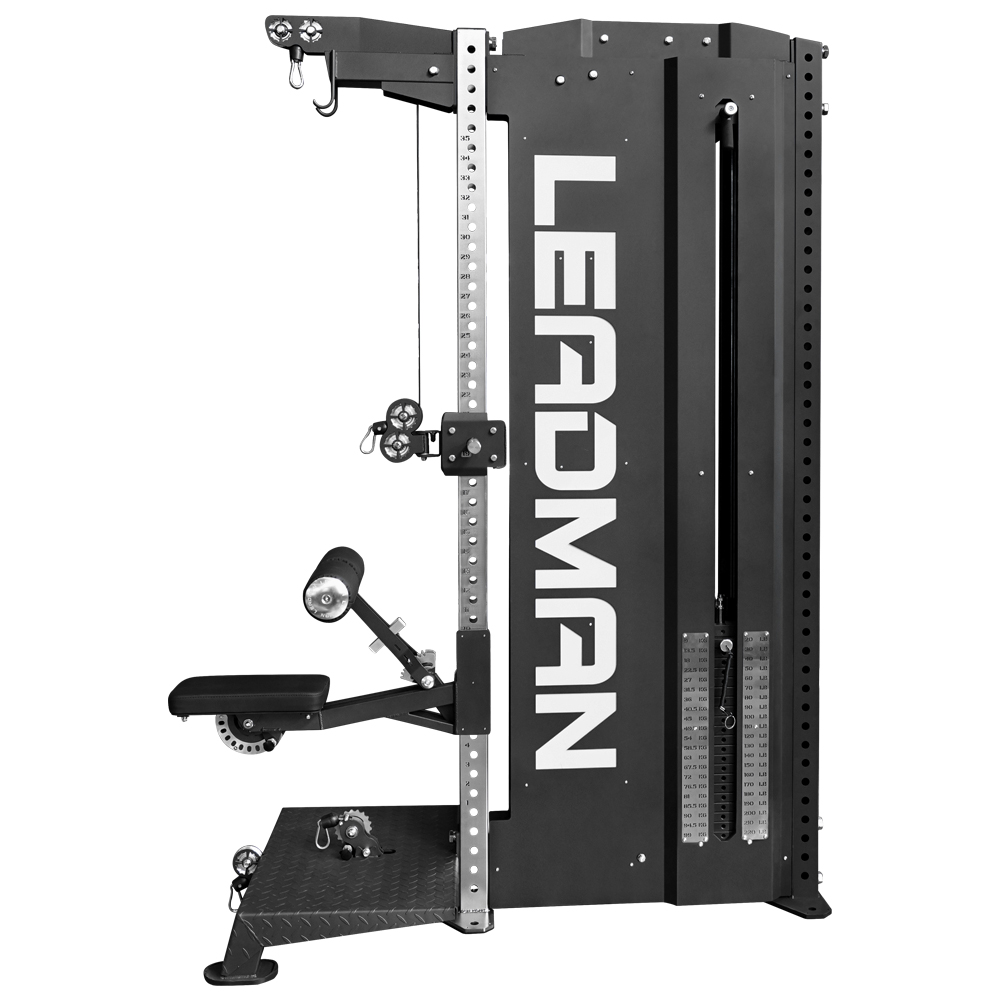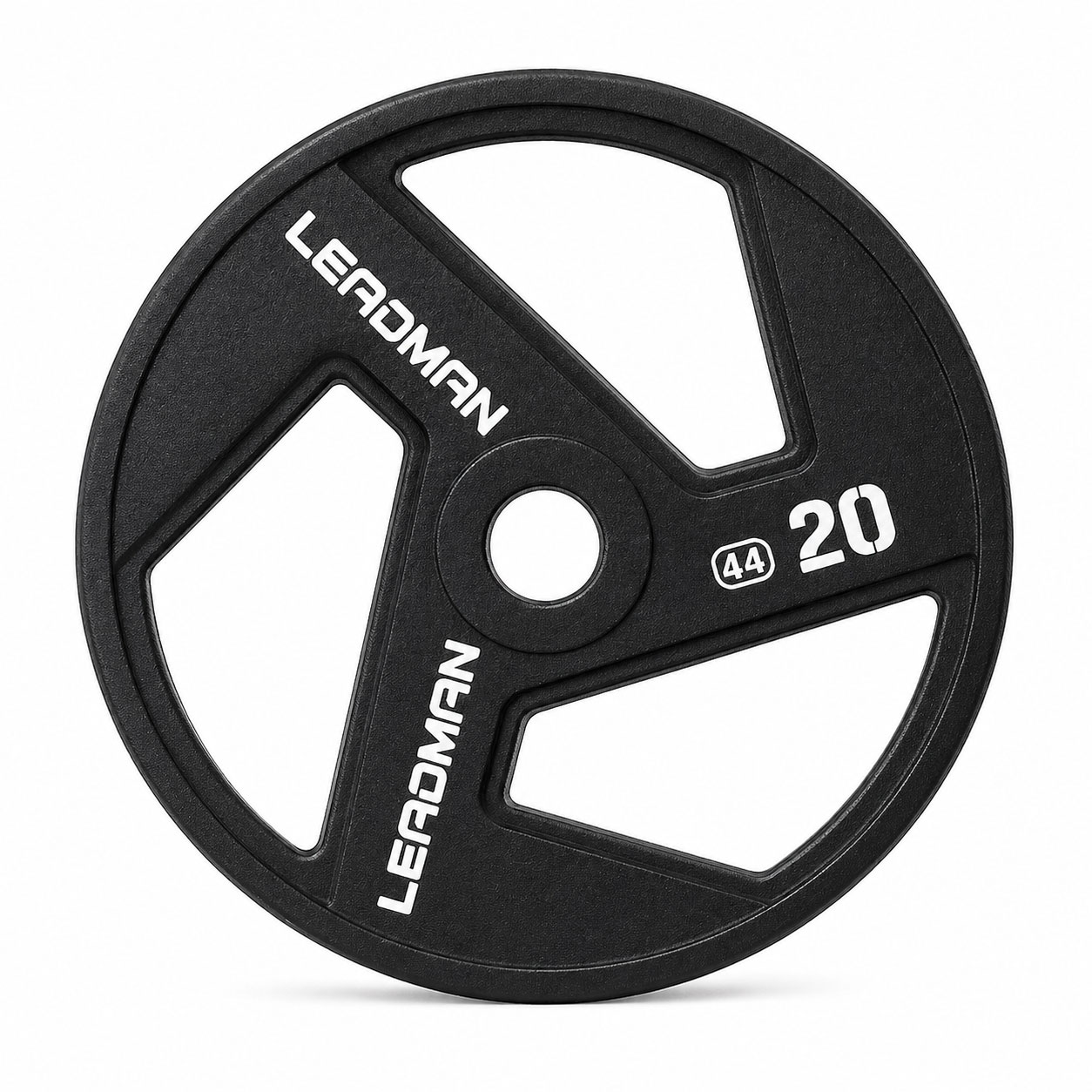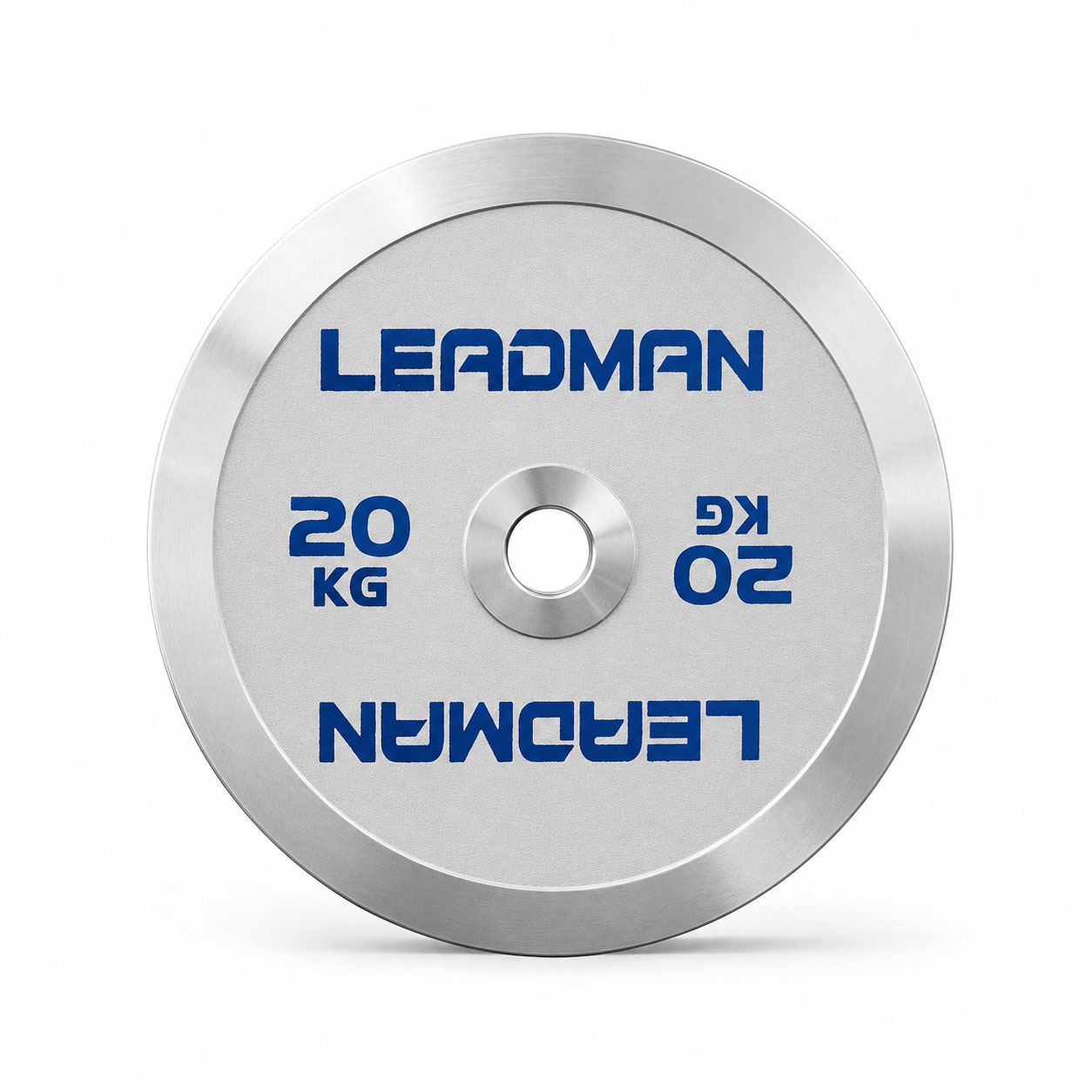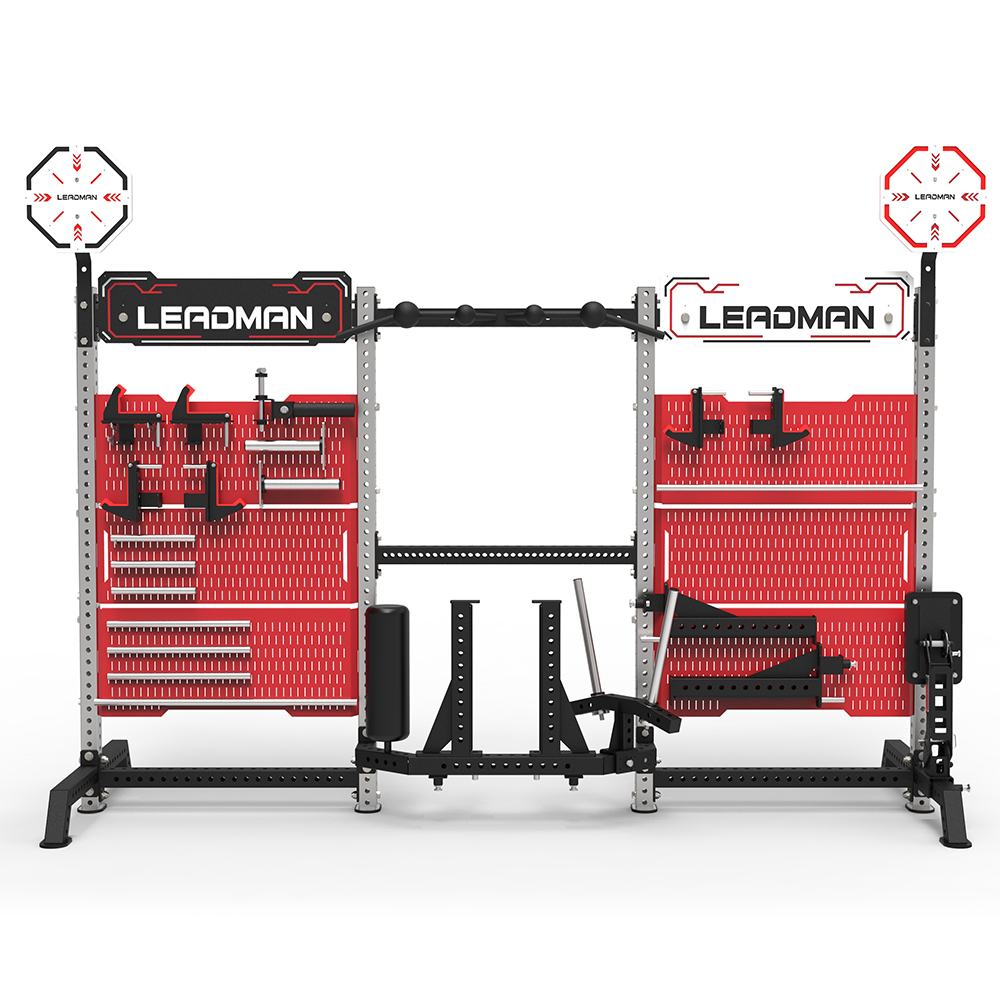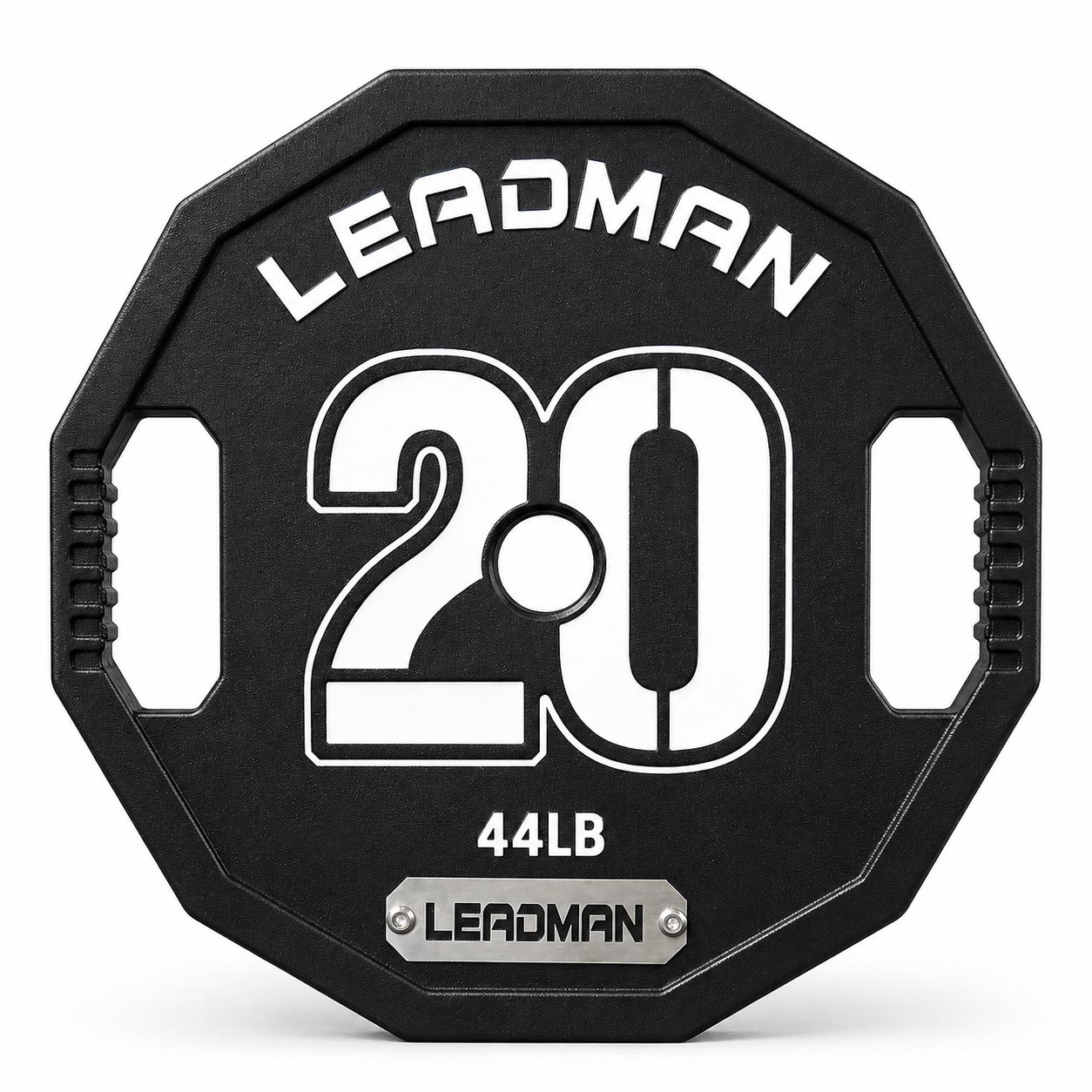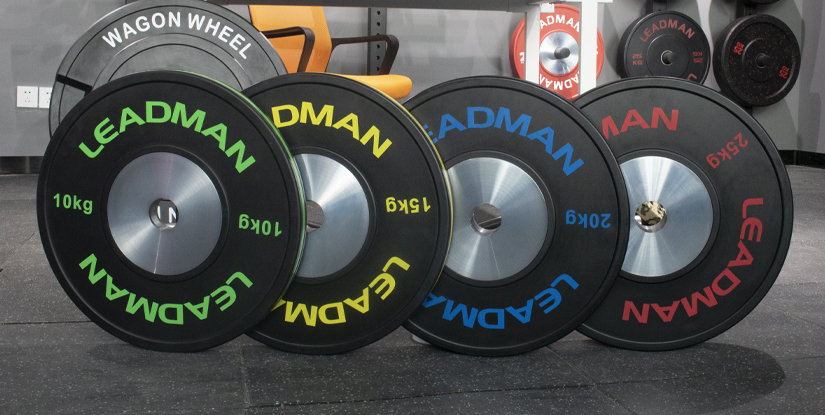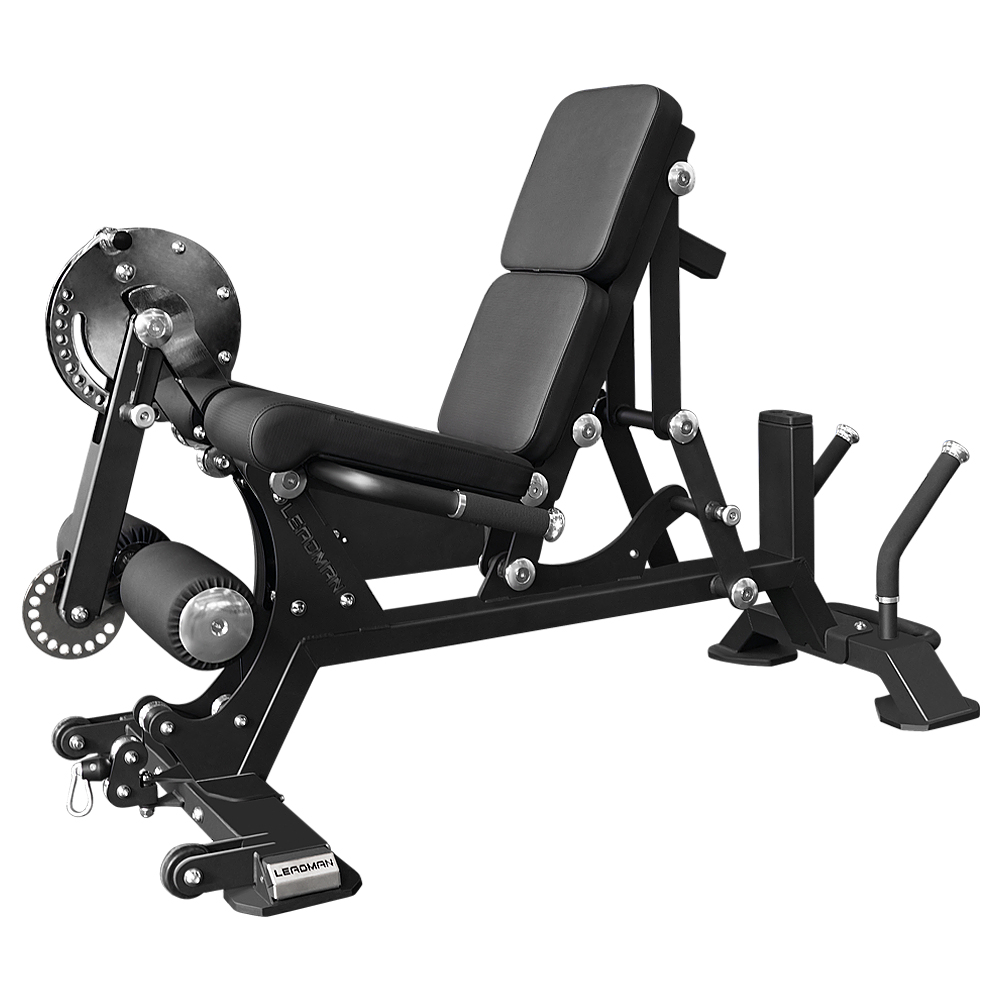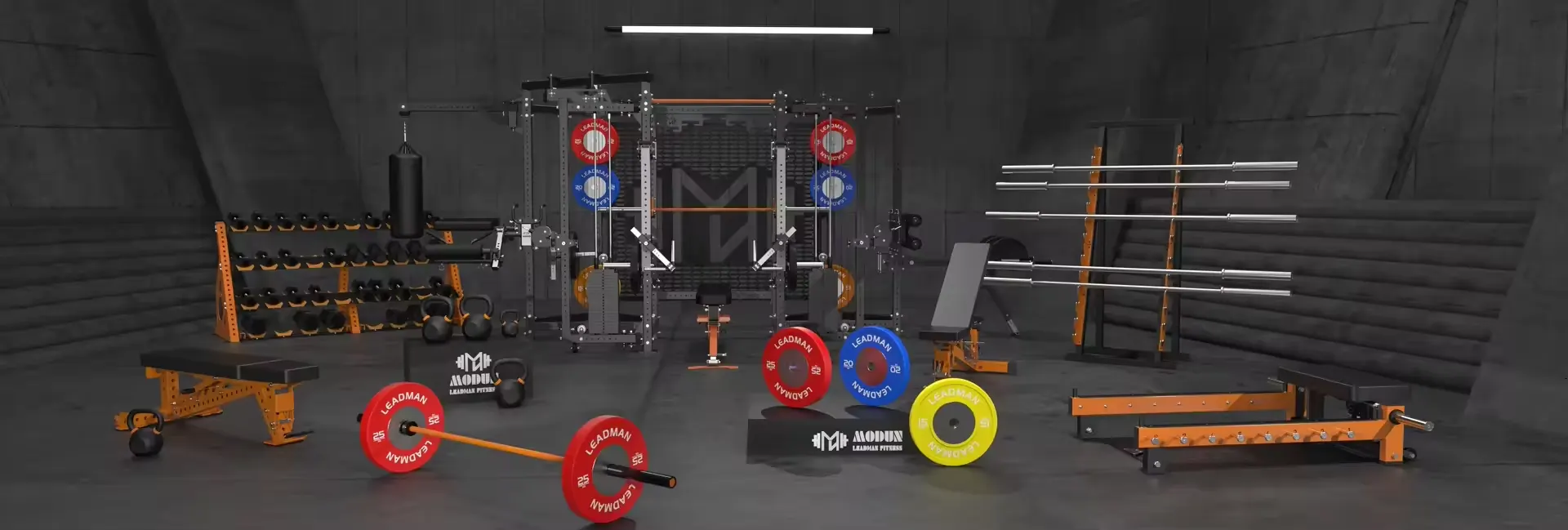
The term gym equipment fabrication refers to the industrial process of engineering, cutting, welding, finishing, and assembling strength training apparatus—from power racks and multi-station rigs to specialized benches and plate-loaded machines. Unlike off-the-shelf reselling, fabrication implies direct control over material sourcing, dimensional tolerances, and quality assurance protocols at the factory level.
At its core, gym equipment fabrication is governed by three interdependent pillars: structural integrity (material grade, wall thickness, and weld penetration), load path engineering (how force travels through the frame under dynamic stress), and surface durability (corrosion resistance, coating adhesion, and impact absorption). A fabricator that cannot document these three pillars is effectively a metal assembler, not a true manufacturer.
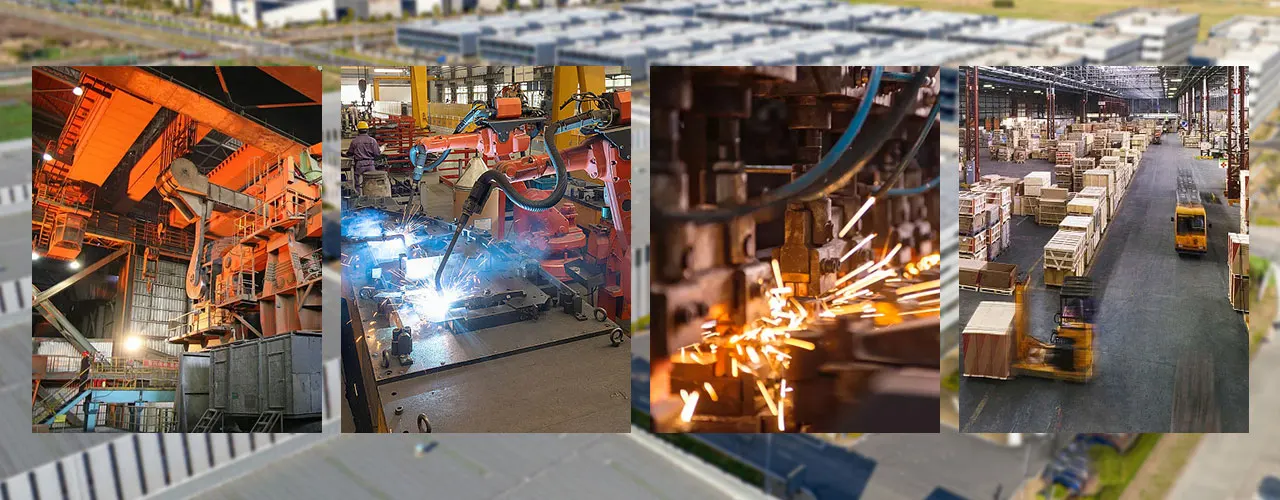
For commercial buyers and procurement professionals, the distinction between a fabricator and an importer carries real financial consequences. A genuine gym equipment fabrication facility maintains laser cutting tables, robotic welding stations, automated powder coating lines, and in-house cycle testing equipment. These capital investments translate into measurable outcomes: consistent hole spacing (±0.5mm), repeatable weld penetration across hundreds of units, and coating thickness that survives five years of daily use in high-humidity environments.
When evaluating potential suppliers, three verification steps separate informed buyers from those who learn costly lessons. First, request weld procedure specifications (WPS) and third-party cyclic load test reports for any rack or rig rated above 300kg. Second, inspect sample pieces for burrs, sharp edges, and alignment of laser-cut holes—poorly deburred components indicate rushed post-processing. Third, ask about coating standards: a professional fabricator specifies hybrid polyester powder coat with pre-treatment phosphate wash and publishes salt spray test results exceeding 500 hours.
Ultimately, the value of dedicated gym equipment fabrication lies in failure prevention. A single cracked weld or misaligned pulley bracket can sideline a multi-station rig for weeks, costing far more in downtime and member frustration than the upfront premium paid for engineering-grade construction. For facility operators, partnering with a fabricator that prioritizes process control over unit volume is not a cost—it is an operational insurance policy.
Let our experts design the perfect gym solution for your business. Get a free consultation and quote today.