

The Strategic Drivers: Why Wholesale Weight Lifting Equipment Is in High Demand
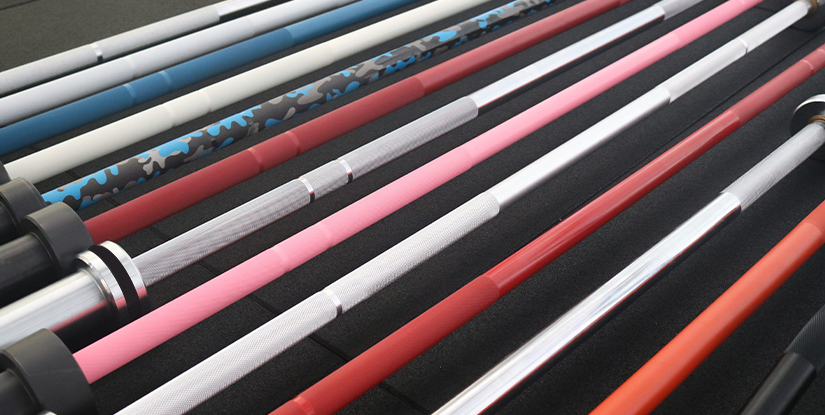
For facility operators and large-scale procurement officers, the primary concern often revolves around the volatile nature of equipment lifecycle costs. A frequent pain point is the premature degradation of training tools, which forces unexpected capital expenditures and disrupts operational uptime. Understanding the structural reasons behind why wholesale weight lifting equipment is in high demand is essential for making long-term investment decisions that favor durability over initial sticker price.
Analyzing the Market Drivers of High-Volume Procurement
The surge in wholesale acquisition is not merely a trend but a response to the industrialization of the fitness sector. As boutique studios and commercial gym franchises expand globally, the need for standardized, high-durability kits has scaled alongside them. This demand is driven by the necessity for a consistent user experience across multiple geographic locations.
One significant mechanism is the economic shift toward centralizing procurement. Rather than sourcing individual pieces from various retailers, large-scale operators are moving toward wholesale models to ensure material consistency. This ensures that a barbell used in one facility has the same knurling texture and tensile strength as one used in another, reducing user friction and brand inconsistency.
The Shift from Retail to Volume-Based Sourcing
Many operators mistakenly attempt to build high-traffic facilities using retail-grade products. This leads to a rapid failure mode where high-frequency usage exceeds the intended mechanical tolerance of the equipment. Transitioning to wholesale-tier procurement addresses this by providing products engineered for higher fatigue limits.
To verify if a wholesale source meets professional standards, buyers should request technical specification sheets that detail material grades rather than just aesthetic descriptions. An effective verification step involves checking for standardized steel gauges and weight tolerances across a full product line. Once the procurement scale is understood, the focus must shift to the specific technical nuances of the equipment being ordered.
Technical Specifications and Material Integrity in Wholesale Orders
Having established the scale of demand, procurement officers must now address the technical complexities of what they are actually buying. A common error in wholesale procurement is prioritizing bulk discounts while neglecting the specific material properties that prevent catastrophic failure under heavy load.
Material selection is the cornerstone of long-term ROI. For example, the difference between standard carbon steel and high-tensile alloy in weight plates can determine the lifespan of an entire training facility. High-quality wholesale equipment typically adheres to strict tolerances to ensure safety and longevity.
| Equipment Type | Critical Spec to Verify | Failure Mode if Neglected | Maintenance Priority |
|---|---|---|---|
| Olympic Barbells | Tensile Strength (PSI) | Permanent bending under load | Bearing lubrication |
| Weight Plates | Tolerance Percentage | Unbalanced load distribution | Surface cleaning |
| Power Racks | Steel Gauge/Thickness | Structural weld fracture | Bolt torque inspection |
| Dumbbell Sets | Coating Adhesion | extRust or peeling finishes | Moisture control |
By prioritizing these specifications, buyers move from being reactive to proactive. This technical baseline is necessary before moving into the operational deployment and layout of the equipment.
Explore the complete technical specifications:
Commercial Weight Lifting Equipment | Longevity & Safety Guide
Optimizing Facility Layout for Heavy-Duty Equipment Deployment
As material integrity is verified, the next critical phase is the strategic deployment of these assets. A failure in spatial planning can lead to accelerated wear and tear on both the equipment and the facility flooring, negating the benefits of purchasing high-quality wholesale items.
The mechanism of wear is often caused by improper weight distribution and inadequate spacing. If heavy-duty platforms are placed too close to high-traffic walkways, the vibration from dropped weights can affect the structural integrity of nearby lighter equipment. This is a common mistake in rapid facility expansion where speed is prioritized over architectural planning.
Strategic Zoning and Load Distribution
Professional facility managers utilize a zoning approach to separate high-impact zones from low-impact zones. This prevents the 'cascading failure' where one heavy-use area degrades the environment of the entire gym. For a successful setup, follow these implementation steps:
- Define High-Impact Zones: Reserve central, reinforced areas specifically for free weights and heavy lifting.
- Assess Vibration Dampening: Ensure high-density rubber flooring is utilized in all weight-dropping areas.
- Map Clearance Buffers: Maintain a minimum of 1.5 meters around power racks to allow for safe movement and tool access.
- Verify Structural Load Capacity: Confirm that the facility's subfloor can handle the static and dynamic loads of the intended equipment density.
Effective layout planning ensures that the durability of the equipment is matched by the longevity of the environment. This brings us to the necessity of ongoing maintenance to preserve that environment.
Explore the complete technical specifications:
Lifecycle Maintenance and Routine Inspection Protocols
Even the highest-grade wholesale equipment requires a systematic maintenance approach. Relying solely on the initial quality of the purchase is a strategic error; maintenance is a continuous operational requirement to prevent mechanical fatigue.
A common failure mode in commercial settings is the 'set and forget' mentality regarding equipment upkeep. Over time, loose bolts, worn bearings, and oxidized surfaces can turn a premium asset into a liability. An effective maintenance program uses a hierarchy of inspection frequencies based on usage intensity.
Implementing a Preventative Maintenance Schedule
To maximize ROI, operators should move from reactive repairs to a scheduled preventative model. The following checklist serves as a baseline for professional facility managers:
- Weekly Visual Inspection: Check for loose bolts on racks, fraying on cables, and signs of rust on metal surfaces.
- Monthly Mechanical Check: Test the smooth movement of pulleys, the rotation of barbell sleeves, and the tightness of weight plate collars.
- Quarterly Deep Service: Lubricate all moving parts (pulleys, bearings, and hinges) and inspect upholstery/padding for structural cracks.
- Annual Structural Audit: Conduct a thorough check of all welded joints on heavy-duty racks and platforms.
Using this systematic approach allows operators to identify minor issues before they become expensive repairs. Understanding these maintenance cycles is crucial when assessing the total cost of ownership during the procurement phase.
Total Cost of Ownership (TCO) vs. Initial Procurement Costs
Connecting the dots between procurement and maintenance leads to a vital decision-making metric: Total Cost of Ownership (TCO). Many decision-makers are misled by low upfront costs, failing to realize that the cheapest option often carries the highest operational cost over time.
The logic behind why wholesale weight lifting equipment is in high demand is largely rooted in this TCO advantage. While the initial investment in wholesale-grade, high-spec equipment is higher, the frequency of replacement and the cost of downtime are significantly lower compared to retail or budget-tier alternatives.
| Cost Factor | Budget-Tier/Retail Approach | Wholesale/Professional Approach |
|---|---|---|
| Initial Purchase Price | Low | Medium to High |
| Annual Maintenance Frequency | High (Reactive) | Low (Preventative) |
| Equipment Lifespan | Short (1-3 years) | Long (5-10+ years) |
| Operational Downtime | Frequent | Minimal |
| Long-Term ROI | Low/Negative | High |
When calculating the ROI for a new facility, the data in this table shows that a professional approach provides more stability. As we look forward, the ability to predict these costs becomes the ultimate competitive advantage.
Future-Proofing: Scaling with Market Demands and Technology
The final component of a professional procurement strategy is the ability to scale. As the fitness industry evolves, the demand for equipment that can integrate with new training methodologies and technology continues to rise. A well-managed wholesale strategy accounts for this future-proofing.
A significant risk for operators is being locked into an obsolete product line. To avoid this, procurement should focus on modularity and versatility. For instance, purchasing modular power racks that allow for additional attachments or upgrading a standard dumbbell set to a more versatile adjustable model can extend the utility of the equipment.
As the demand for high-quality lifting tools persists, the successful operator will be the one who balances initial technical scrutiny, strategic layout planning, and rigorous maintenance protocols. By focusing on these pillars, the high demand for wholesale-grade equipment becomes a calculated investment rather than a speculative expense.