

Why Strength Gym Equipment Is a Foundational Investment
When building a fitness facility, whether it is a boutique studio or a high-traffic commercial center, the selection of hardware dictates the long-term viability of the business. Understanding why strength gym equipment is a foundational investment requires looking beyond the superficial aesthetics of the machines and diving into the mechanical and economic realities of high-performance training tools. A well-chosen kit serves as the backbone of your facility, ensuring both user safety and operational continuity.
1. Prioritizing Structural Integrity and Frame Geometry
The most critical aspect of any strength machine is its ability to withstand repetitive, high-torque loading without deformation. A foundational investment must prioritize heavy-duty steel construction and precise welding techniques. When evaluating frames, one must look for thick-gauge steel that resists bowing under maximal loads.
Decision Criteria for Frame Selection:
- Steel Gauge: Aim for industrial-grade thickness rather than thin-walled tubing used in residential models.
- Welding Quality: Inspect for smooth, continuous welds; jagged or porous welds often indicate structural weak points.
- Footprint Stability: Ensure the base geometry is wide enough to prevent tipping during asymmetrical movements.
Once the skeletal structure is secured, the focus must shift to the moving parts that provide the actual resistance.
2. Mechanical Smoothness and Resistance Precision
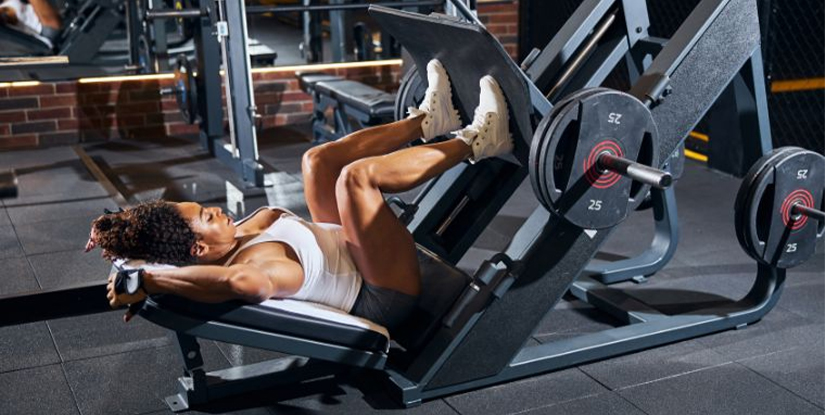
A strength machine is only as good as its movement. Smoothness in the pulley system or the weight stack is not just a matter of comfort; it is a matter of biomechanical efficiency. Friction in the movement can cause user fatigue or even injury by creating inconsistent resistance peaks.
Technical Implementation Details:
- Bearing Systems: High-quality machines utilize sealed ball bearings that provide a consistent, fluid motion even under heavy load.
- Pulley Rotation: Pulleys should have high-grade internal bushings to minimize lateral sway.
- Cable Tensile Strength: Ensure cables are composed of multiple strands of steel with a protective coating to prevent fraying.
With the mechanical aspects mastered, the next layer of the investment involves the surfaces that come into direct contact with the user.
3. Upholstery Durability and Ergonomic Longevity
Upholstery is often the first component to show signs of age. Because it is constantly exposed to body heat, moisture, and frequent chemical disinfection, the material quality is a primary driver of the machine'p appearance and hygiene. Low-grade foam and vinyl will fail quickly in a commercial environment.
Upholstery Checklist:
- High-Density Foam: The foam should recover its original shape instantly when pressure is released.
- Chemical Resistance: The outer coating must be resistant to the harsh pH levels found in standard gym disinfectants.
- Stitch Integrity: Check for reinforced seams that can withstand the lateral forces applied during heavy lifting.
Maintaining these high-quality surfaces requires a disciplined approach to hardware upkeep.
4. Fastener Maintenance and Vibration Management
Strength training involves repetitive impacts and vibrations that can slowly loosen hardware. A foundational investment includes the understanding that a machine is a collection of thousands of parts that must stay synchronized. Regular maintenance of fasteners is the difference between a machine that lasts five years and one that lasts fifteen.
Maintenance Protocol:
- Quarterly Torque Inspection: Use a calibrated torque wrench to ensure all main frame bolts meet the manufacturer's original tightness specifications.
- Vibration Check: Listen for rhythmic clicking or rattling during use, which often points to a loose bolt or a misaligned component.
- Lubrication Schedule: Apply non-corrosive lubricants to moving joints and guide rods at scheduled intervals to prevent friction-based wear.
Proper maintenance is significantly easier when the physical layout of your facility is planned with the equipment in mind.
5. Spatial Optimization and Equipment Layout
A gym's layout is not just about aesthetics; it is about the longevity of the machines themselves. Improper spacing leads to more than just a crowded feeling—it leads to physical damage to the equipment. If machines are too close together, they are prone to impact damage from other users or moving parts.
Spatial Parameters:
- User Clearance: Allow at least 3 feet of clearance around the widest part of a machine for safety and movement.
- Impact Buffers: Ensure that weight stacks or moving arms do not strike adjacent machines or walls.
- Ventilation Access: Leave enough space for air circulation to prevent humidity buildup around metal surfaces.
While a tight layout might maximize the number of machines, an optimized layout reduces the frequency of accidental impacts and improves the overall air quality, which in turn reduces oxidation on the metal components.
The success of these layout decisions is ultimately measured by the financial stability of the facility.
6. Understanding Total Cost of Ownership (TCO)
When determining why strength gym equipment is a foundational investment, many buyers fall into the trap of looking only at the initial invoice. However, the true cost of any piece of equipment is its Total Cost of Ownership (TCO), which includes depreciation, maintenance, and the cost of downtime.
Calculating TCO Components:
- Initial Purchase Price: The upfront capital required.
- Maintenance Frequency: The cost of replacement parts like cables, pads, and bearings.
- Downtime Cost: The lost revenue when a machine is 'out of order' and cannot be used by members.
- Resale Value: High-quality equipment retains a much higher percentage of its value over time.
Managing these costs requires a proactive stance toward facility management and asset protection.
7. Environmental Factors and Oxidation Control
The environment in which your equipment lives can either preserve it or destroy it. Factors like humidity, temperature, and even the chemicals used for cleaning can accelerate the aging process of both the metal and the upholstery.
Environmental Control Strategies:
- Humidity Management: High humidity levels can lead to rapid oxidation (rust) on exposed steel parts and guide rods.
- Temperature Stability: Extreme heat can cause certain plastics and vinyl coatings to become brittle or tacky.
- Cleaning Protocols: Always use pH-neutral cleaners unless the manufacturer explicitly states otherwise to prevent coating degradation.
Equipment in a standard indoor climate requires basic dusting and quarterly lubrication. However, equipment in a high-humidity or coastal environment requires much more frequent checks for rust and specialized coatings to prevent surface pitting.
By mastering these environmental variables, you ensure that your foundational investment continues to pay dividends.
8. Future-Proofing Your Facility with Modular Upgrades
A foundational investment is one that can grow with your business. As fitness trends shift, your equipment needs may evolve. Choosing equipment that allows for modular upgrades is a strategic move that prevents the need for a total facility overhaul every few years.
Evidence of Future-Proof Design:
- Modular Weight Stacks: The ability to easily add more weight plates to an existing machine.
- Interchangeable Attachments: Machines that can be used with various handles or footplates to target different muscle groups.
- Standardized Hardware: Using standard bolt sizes and components that are widely available in the industry.
In conclusion, investing in high-quality strength gym equipment is about more than just buying machines; it is about building a reliable, durable, and profitable foundation for your fitness enterprise.