

Why Squat Racks Are Essential for Strength Training Facilities
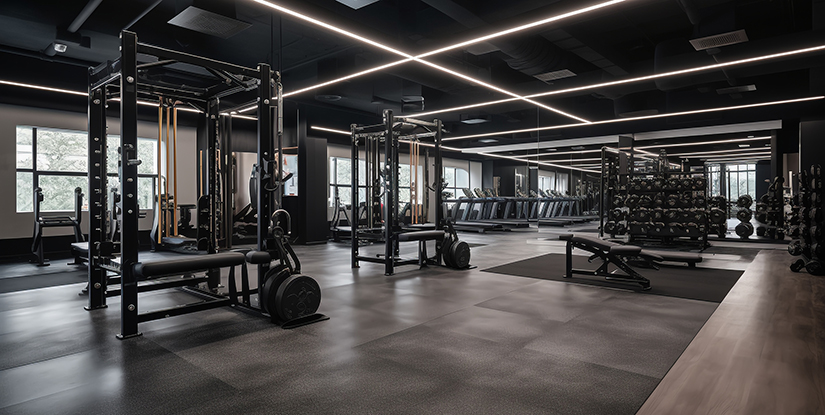
The Economic and Operational Risks of Under-Equipping Strength Zones
In the competitive landscape of modern fitness management, the quality of structural steel dictates the long-term viability of a facility's strength training zone. A common failure mode observed in mid-tier facilities is the reliance on lightweight, residential-grade skeletal structures in a high-volume commercial setting. This oversight leads to rapid mechanical fatigue, increased liability, and a direct decline in member retention. When a squat rack fails under load, the consequences are not merely financial; they involve significant physical risk to the athlete and potential legal repercussions for the operator.
The fundamental problem lies in the mismatch between user demand and equipment tolerance. A commercial-grade facility requires equipment capable of handling repetitive, high-impact loading cycles. Without dedicated, heavy-duty squat racks, a facility often sees a bottleneck in the most popular lifting areas, driving advanced lifters toward specialized training centers. To mitigate this, operators must move beyond basic aesthetics and focus on the structural integrity of their fundamental lifting stations. Understanding the technical requirements of these units is the first step in building a resilient strength training environment.
Structural Material Selection and Load Capacity Parameters
Selecting the right material is not just about thickness; it is about the metallurgy and the resulting stability of the lifting station. Many operators mistakenly believe that any steel frame is sufficient, but the difference between 11-gauge and 7-gauge steel can determine the lifespan of a single piece of equipment. If the steel is too thin, the rack will experience permanent deformation (bending) over time, which compromises the verticality and safety of the uprights.
Steel Gauge and Wall Thickness Comparison
When procuring equipment, the specification sheet must be scrutinized for the following parameters. Relying on vague descriptions like "heavy duty" is a common mistake that leads to premature replacement cycles.
| Material Spec | Residential Grade | Commercial Standard | Professional/Elite Grade |
|---|---|---|---|
| Steel Gauge | 14-gauge or thinner | 11-gauge (approx. 3mm) | 7-gauge (approx. 4mm+) |
| Typical Use Case | Home gyms / Low frequency | Standard Commercial Gyms | High-Performance/Strength Clubs |
| Expected Lifespan | 1-3 Years (High Use) | 5-10 Years (High Use) | 10+ Years (High Use) |
| Structural Rigidity | Moderate Flex | High Stability | Minimal Deflection |
This decision criteria ensures that the facility's capital expenditure aligns with its usage intensity. Choosing a higher grade of steel reduces the total cost of ownership by extending the replacement interval. Once the material standard is established, the next critical factor is the precision of the mounting and hardware configurations.
Mechanical Stability through Hardware and Bolt Integrity
Even the highest quality steel will fail if the mechanical connections are poorly executed or insufficiently maintained. A major pain point for facility managers is the "wobble" phenomenon, where a rack begins to shake or tilt during heavy sets. This is rarely a problem with the steel itself, but rather a failure in the fastener and connection architecture. Loose bolts or mismatched hardware can lead to catastrophic structural failure during a heavy lift.
To ensure maximum stability, operators must verify that all structural bolts are torqued to manufacturer specifications and that the rack is anchored effectively to the floor or a specialized platform. A common error is failing to account for the lateral forces generated during a heavy squat or when a lifter bumps the uprights. A stable rack acts as a single, unified mass rather than a collection of connected parts. This stability is the foundation of a safe lifting environment.
Hardware Inspection Checklist for Strength Operators
- Bolt Tension: Check every structural fastener for tightness once per month.
- Washer Integrity: Ensure no washers have been crushed or deformed under heavy use.
- Thread Condition: Inspect for stripped threads on adjustable pin holes.
- Frame Alignment: Verify that uprights are perfectly vertical and not leaning.
- Foot/Base Stability: Confirm that the base plates are flush with the ground and not lifting.
A rigorous hardware inspection routine prevents minor loosening from evolving into structural instability. However, stability is not solely dependent on the bolts; the way the rack interacts with the floor is equally vital to long-term performance.
Explore the complete technical specifications:
Power Lift Gym Equipment: Engineered for Strength Performance
The Role of Footprint and Facility Layout Optimization
The physical presence of a squat rack extends beyond the metal frame. The "effective footprint" includes the area required for safe entry, exit, and the potential for dropped weights. A poorly planned layout leads to crowded lifting zones, increasing the risk of collisions and making it difficult for staff to supervise the floor effectively. In high-traffic strength training facilities, the spatial distribution of racks is a key driver of operational flow.
Operators often face the dilemma of maximizing the number of racks versus providing sufficient space for movement. A crowded floor creates friction between members, which can diminish the perceived value of the facility. To avoid this, implement a layout strategy that accounts for both the rack's dimensions and the "buffer zone" required for the lifter's movement. This spatial awareness is essential for both safety and the overall aesthetic of the strength training zone.
Optimizing Floor Space for Multiple Racks
When planning a layout, consider the following technical dimensions to ensure a professional standard of operation:
- Rack Width: The actual width of the frame (e.ality 2x3, 3x3, or 4x4 inches).
- Safety Zone: A minimum of 3-4 feet of clear space around the rear and sides of the rack.
- Platform Integration: The dimensions of the lifting platform vs. the rack base.
- Access Path: Maintaining 5+ feet of clear walkway between adjacent lifting stations.
By prioritizing spatial logic, you create a facility that feels professional and organized. Once the layout is set, the focus must shift toward the specialized components that actually facilitate the lift, such as the J-cups and safety pins.
Explore the complete technical specifications:
Power Tower Squat Rack: Integrated Strength Station for Commercial Gyms
Optimizing Component Functionality: J-Cups and Safety Arms
While the uprights provide the structure, the J-cups and safety arms are the primary points of interaction between the lifter and the rack. These components are subject to extreme wear and tear, often being the first to show signs of mechanical fatigue. If a J-cup is bent or a safety arm is misaligned, the risk of a bar being unbalanced or a lifter being unable to safely bail a weight increases exponentially.
The mechanism of failure in these components is usually caused by metal fatigue or improper loading techniques. For example, dropping a loaded barbell directly onto a non-reinforced J-cup can permanently deform the metal. To maintain a safe environment, these high-use parts must be inspected with the same rigor as the primary frame. High-quality facilities invest in heavy-duty, reinforced versions of these accessories to handle the impact of commercial training.
Component Performance Criteria
When evaluating or replacing accessories, use the following criteria to ensure they meet commercial standards:
| Component | Failure Mode | Technical Fix/Verification |
|---|---|---|
| J-Cups | Deformation/Bending | Check for level seating; replace if weight-bearing surface is warped. |
| Safety Pins/Arms | Elastic Deformation | Verify vertical alignment; replace if they no longer sit flush. |
| Spotter Arms | Lateral Sagging | Inspect connection points for shearing or loosening. |
| Pin Holes | Ovalization | Ensure holes remain circular and do not become elongated. |
The longevity of these accessories is a direct reflection of the facility's maintenance culture. Once these critical components are verified, the attention of the operator must turn to the broader maintenance schedule of the entire station.
Establishing a Proactive Maintenance and Inspection Protocol
The most successful strength training facilities do not wait for a breakage to occur; they operate on a proactive maintenance cycle. A reactive approach—fixing things only when they break—is both expensive and dangerous. A broken squat rack is a sign of a neglected maintenance protocol and can lead to significant liability issues. To maintain a professional standard, a documented inspection cadence must be integrated into the facility's operational duties.
Effective maintenance starts with a daily visual scan and extends to a deep-dive technical audit every quarter. This includes checking for surface rust, inspecting the integrity of the powder coating, and testing the mechanical functions of all adjustable parts. A well-maintained rack not only ensures safety but also preserves the resale value of the equipment and maintains a premium look for the facility.
The Three-Tiered Maintenance Model
A professional strength facility should implement the following hierarchy of care:
- Tier 1: Daily Visual Audit (Staff-led): Check for loose weights, displaced J-cups, and any obvious obstructions.
- Tier 2: Weekly Mechanical Check (Maintenance-led): Test all adjustment pins, check for rattling, and ensure floor bolts are secure.
- Tier 3: Quarterly Technical Audit (Management-led): Full torque check of all bolts, structural alignment verification, and surface/rust inspection.
By following this model, the risk of unexpected downtime is minimized. However, even with perfect maintenance, the inherent nature of high-impact training requires a deep understanding of how to spot the early warning signs of a failing component.
Common Mistakes in Equipment Procurement and Deployment
The lifecycle of a squat rack begins with the purchase order, and this is where many operators make their most expensive mistakes. The pressure to minimize upfront costs often leads to the procurement of equipment that is technically unsuitable for a commercial environment. This "false economy" results in a rapid depreciation of assets and a high frequency of replacement. Understanding the difference between a residential-grade rack and a commercial-grade station is vital for long-term ROI.
A frequent error is ignoring the total weight of the facility's average load. If a facility caters to powerlifters or high-level athletes, purchasing equipment designed for general fitness users will lead to immediate structural issues. Operators must align their procurement strategy with their actual member demographic and the expected intensity of use. This alignment is the cornerstone of a sustainable strength training program.
The Cost of Low-Quality Equipment: A Comparative Outlook
While the initial price tag may be lower, the true cost of low-quality equipment manifests through several channels:
- Maintenance Costs: More frequent repairs and replacement of small components.
- Downtime: Equipment being out of order, leading to member frustration and complaints.
- Liability Exposure: Increased risk of injury due to structural failure.
- Replacement Cycles: Having to replace the entire unit every 2 years instead of 10.
The most successful operators view squat racks as long-term infrastructure rather than disposable assets. This perspective shifts the focus from the lowest bid to the highest value and durability.
Future Trends: The Evolution of Strength Training Infrastructure
As the strength training market continues to evolve, the technology embedded within squat racks is also advancing. We are seeing a transition from purely static steel structures to integrated, multifunctional training systems. These newer models often incorporate digital monitoring, adjustable resistance, and modular components that allow for greater versatility within a fixed footprint. While this increases the initial complexity, it provides a significant advantage in terms of facility throughput and member engagement.
The shift toward modularity means that facilities can now customize their strength zones more easily, adapting to changing trends without a total overhaul of their equipment. Whether it is a rack that can transition from a traditional squat station to a specialized bench press station or one that incorporates cable attachments, the future of strength training infrastructure is about flexibility and integration. Staying ahead of these trends will allow facilities to remain competitive in a highly specialized market.
Ultimately, the presence of high-quality, well-maintained squat racks is the single most important indicator of a professional strength training environment. From the steel gauge to the maintenance protocol, every detail contributes to the safety, performance, and longevity of the facility's core assets.