

Wholesale Dumbbells Procurement and Quality Control Guide
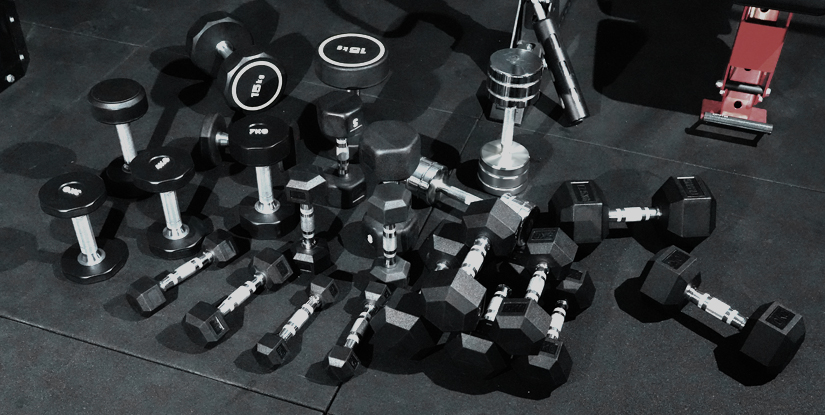
Procuring high-quality strength training equipment involves navigating a complex landscape of material tolerances, coating durability, and structural integrity. For facility operators and large-scale distributors, the primary pain point is not merely the initial purchase price, but the total cost of ownership driven by premature degradation and safety failures. Substandard equipment can lead to increased maintenance cycles, uneven weight distribution, and potential liability issues. This guide provides a technical framework for evaluating, inspecting, and maintaining Wholesale Dumbbells to ensure long-term operational efficiency.
Material Selection and Weight Distribution Discrepancies
The fundamental issue in bulk procurement often stems from inconsistent core density and improper casting techniques. When purchasing in volume, discrepancies in weight between individual units can disrupt a user's training mechanics and cause physical fatigue or injury. This variance is typically caused by air pockets in cast iron or inconsistent filling in rubberized models.
To mitigate these risks, buyers must implement a strict verification protocol during the receiving process. A professional operator should never assume that a set labeled as 20kg is precisely 20.0kg across all units. Instead, use a calibrated digital scale to verify a tolerance range. Commercial-grade equipment should ideally maintain a variance of less than 1-2% per unit.
Core Material Comparison and Density Verification
| Material Type | Typical Core Structure | Density Consistency | Best Use Case |
|---|---|---|---|
| Solid Cast Iron | Uniform metal density | Very High | High-intensity commercial gyms |
| Rubber Encased | Iron/Steel core with polymer shell | High | Standard commercial facilities |
| Vinyl/Neoprene | Cement or plastic fill | Moderate | Home fitness or boutique studios |
| Urethane | High-density polymer shell | Very High | Premium lifting environments |
Identifying the correct core density ensures that the center of gravity remains stable during complex movements. Once the material integrity is confirmed, the next critical step is examining the external protective layers.
Surface Finish and Coating Durability Standards
Surface degradation, such as peeling rubber or cracking urethane, is a direct consequence of poor adhesion between the core and the outer shell. This failure mode often occurs when the coating is applied at improper temperatures or when the core surface is not sufficiently prepared. A failing coating creates a safety hazard by increasing the risk of debris shedding and making the handles difficult to grip.
When inspecting wholesale dumbbells, perform a manual pressure test on the coating. Use a blunt tool or a firm thumb to check for soft spots or bubbling, which indicate air trapped beneath the surface. Furthermore, inspect the edge transitions where the handle meets the weight head; these are the most common sites for delamination.
Common Coating Failure Modes
- Delamination: The outer shell separates from the weight head, often due to improper bonding agents.
- Surface Pitting: Small holes in the rubber or urethane caused by impurities in the raw material.
- Color Fading: UV degradation or chemical reactions with cleaning agents, often seen in cheaper vinyl models.
- Odor Retention: Low-grade rubber often releases volatile organic compounds (VOCs) that linger in a facility.
Validating the durability of the surface finish provides confidence in the equipment's longevity. However, a perfect exterior does not guarantee a safe grip, making handle ergonomics a primary focus for the next inspection phase.
Explore the complete technical specifications:
Ergonomics and Handle Texture Specifications
A common mistake during the procurement process is overlooking the tactile quality of the handle. While a knurling pattern is standard, the depth and sharpness of this pattern can vary wildly. An overly aggressive knurl can cause skin abrasions, while an insufficiently textured handle becomes dangerously slippery when sweat is present. This problem is frequently caused by inconsistent CNC machining or manual grinding processes during manufacturing.
Operators should evaluate the handle using a three-point checklist: grip diameter, knurl profile, and coating uniformity. A standard professional handle should offer a diameter range between 28mm and 32mm for optimal control. If the knurling feels inconsistent or uneven, it is a sign of poor quality control in the production line.
Testing the grip with a standard moist cloth can simulate real-world usage conditions. If the handle loses its perceived friction immediately upon contact with moisture, the material or texture is insufficient for high-traffic environments. With the handle mechanics verified, the focus must shift to the structural longevity of the hardware.
Explore the complete technical specifications:
Structural Integrity and Load-Bearing Verification
The connection point between the handle and the weight head is the most critical safety junction. Mechanical failure here is almost always caused by poor welding or inadequate casting around the handle insert. This can result in the weight head detaching during high-velocity movements, a catastrophic failure mode for any fitness professional.
To verify the structural reliability of your inventory, conduct a visual and tactile inspection of the transition zones. Look for any hairline cracks in the iron or any signs of movement when the weight is shaken. While you should never perform high-impact tests on a new shipment, a systematic check of the weld seams or the thickness of the handle sleeve is mandatory.
Verification Checklist for Structural Components
| Component | What to Inspect | Acceptable Standard | Warning Sign |
|---|---|---|---|
| Handle-to-Head Joint | Weld seam or sleeve fit | Zero visible gaps | Cracks or loose movement |
| Knurling Depth | Consistency of pattern | Uniform across length | Smooth or shallow patches |
| Weight Head Symmetry | Balance of the cast | Perfectly concentric | Lopsided or uneven edges |
| Sleeve Thickness | Wall thickness of metal | Uniform throughout | Visible thin spots |
Ensuring that these structural elements meet high standards prevents expensive replacements. Once the hardware is deemed safe, the operator must establish a routine to maintain this level of performance.
Explore the complete technical specifications:
Routine Maintenance and Inspection Cadence
Even the highest quality equipment will eventually show signs of wear if neglected. The degradation of wholesale dumbbells in a commercial setting is often accelerated by improper cleaning protocols and environmental factors like humidity. For instance, using harsh industrial degreasers can strip the protective coating from rubberized weights, leaving the iron core exposed to oxidation.
A structured maintenance schedule is essential for extending the lifecycle of the assets. Facility managers should implement a two-tier inspection system: a weekly visual check and a quarterly deep-dive inspection. The goal is to identify minor issues like surface scratches or slight handle loosening before they evolve into major failures.
Maintenance Implementation Schedule
- Daily: Visual sweep for obvious damage or loose parts.
- Weekly: Wipe down handles with a mild, pH-neutral soap solution to remove sweat and oils.
- Monthly: Detailed inspection of coating integrity and knurling wear.
- Quarterly: Full weight verification check to ensure no internal material shifts have occurred.
By following a disciplined maintenance cadence, operators can ensure a safer environment for users. This preventative approach also builds a predictable budget for future equipment replacement cycles.
Explore the complete technical specifications:
Troubleshooting Common Equipment Defect Scenarios
When defects do occur, identifying the root cause is the first step toward a resolution. Problems usually fall into two categories: manufacturing defects (unavoidable at the source) or operational neglect (preventable by the facility). Knowing the difference allows you to decide whether to file a warranty claim or adjust your internal training and cleaning protocols.
A common scenario involves the appearance of rust on the handle. If the rust is localized to the knurling, it is likely caused by insufficient drying after cleaning. If the rust is appearing on the weight head of a rubber-encased dumbbell, it indicates a failure in the manufacturing seal, and a replacement is likely necessary.
Defect Diagnosis Matrix
| Observed Issue | Potential Cause | Actionable Fix / Verification |
|---|---|---|
| Handle Slippage | Excessive sweat or worn texture | Clean with mild soap; verify knurl depth |
| Unbalanced Weight | Internal material shifting | Weight check via calibrated scale |
| Coating Peeling | Improper chemical use or bad seal | Transition to pH-neutral cleaners |
| Rust Spots | High humidity or improper drying | Use silica gel in storage; dry after use |
Successful troubleshooting prevents unnecessary downtime and ensures that any faulty batches are caught early. With these diagnostics in hand, the final step is recognizing when the equipment has reached its end-of-life.
Explore the complete technical specifications:
End-of-Life Identification and Replacement Strategy
Knowing when to retire equipment is just as important as knowing how to maintain it. Using equipment beyond its functional lifespan is a liability. The transition from 'functional' to 'obsolete' occurs when the cost of repair exceeds the value of the item or when the safety of the user can no longer be guaranteed by any reasonable standard.
The most reliable indicator of end-of-life is the loss of structural or ergonomic integrity. If the weights are no longer concentric, if the handles are noticeably thinner from wear, or if the coating is consistently flaking, the equipment should be decommissioned. Do not wait for a visible failure to occur during a heavy lift.
When planning for the next procurement cycle, use the data gathered from your maintenance logs to inform your decision-making. If a certain type of coating failed more frequently than others, adjust your specifications for the next order of wholesale dumbbells. This continuous feedback loop is the hallmark of a sophisticated facility operation.