

Engineering Excellence: What to Look for When Buying Commercial Gym Equipment
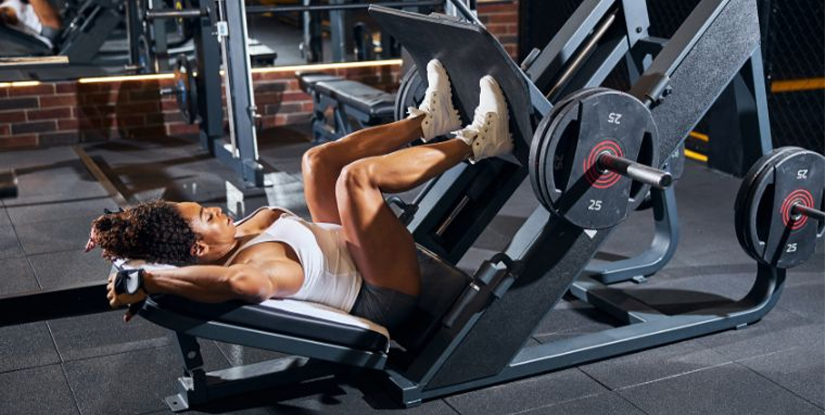
Procuring high-performance fitness assets requires a transition from a consumer mindset to a technical procurement perspective. For facility operators, the primary friction points are not aesthetics, but rather the total cost of ownership (TCO) and mechanical reliability. Choosing equipment based solely on brand recognition or surface-level design often leads to premature mechanical failure, high maintenance labor costs, and increased liability risks. To mitigate these issues, a buyer must scrutinize the engineering specifications, material science, and structural tolerances that define true commercial-grade durability.
Structural Integrity and Material Selection Criteria
Understanding the foundational physics of gym equipment is the first step in ensuring long-term operational stability. When evaluating heavy-duty frames, the failure mode is rarely a single catastrophic break but rather the gradual fatigue of metal through repeated stress cycles. A professional buyer should focus on the gauge of the steel and the quality of the fabrication processes used to create the chassis.
Steel Gauge and Tubing Specifications
The thickness of the steel—often referred to as the gauge—dictates the machine's ability to withstand high-impact loading and constant vibration. Lower-gauge steel is more susceptible to denting and structural warping under heavy use. A higher-density steel frame provides the necessary rigidity to maintain alignment even during asymmetrical loading. For example, resistance machines often require different steel densities than free weight racks to handle varying types of mechanical stress.
| Component Type | Standard Material Requirement | Technical Indicator of Quality |
|---|---|---|
| Strength Racks / Power Cages | 11-gauge or thicker steel | Consistent weld penetration and zero frame wobble |
| Cardio Machine Chassis | Medium-to-high gauge steel | Vibration dampening and high-tensile stability |
| Selectorized Weight Stacks | Heavy-duty steel guide rods | Smooth vertical travel without lateral oscillation |
| Dumbbell Racks | Reinforced heavy-gauge steel | Load-bearing capacity without bowing under weight |
By verifying these material standards, operators can avoid the common mistake of purchasing "prosumer" equipment that lacks the structural depth required for 12+ hours of daily high-intensity use. Establishing these baseline material requirements leads directly to the next critical engineering factor: the precision of the moving parts.
Mechanical Precision and Tolerance Analysis
Beyond the static frame, the true performance of commercial gym equipment lies in its dynamic components. Mechanical precision refers to how smoothly a machine moves through its intended range of motion. Poorly engineered resistance machines or cardio units often exhibit "dead spots" or jerky motions, which can cause joint strain and increase the risk of user injury.
Bearing Systems and Bushing Durability
The quality of bearings and bushings is a primary indicator of how much maintenance a machine will demand. High-end commercial equipment utilizes sealed bearings that protect the internal components from dust, sweat, and debris. In contrast, budget-grade equipment often relies on open bushings that require frequent lubrication and are prone to rapid wear. If the bearings are poorly seated, the resulting friction creates heat and noise, which are early warning signs of mechanical degradation.
Cable and Pulley System Integrity
For selectorized strength machines, the cable and pulley system is the most vulnerable subsystem. A common failure mode is cable fraying caused by microscopic irregularities on the pulley wheels. When inspecting a machine, look for:
- Pulley Material: Nylon or high-density polymers are preferred over hard plastic to reduce noise and friction.
- Cable Type: Coated steel cables provide better resistance to environmental oxidation and friction wear.
- Alignment: The cable should travel in a straight path without rubbing against the machine frame.
Analyzing these moving parts ensures that the machine maintains a consistent resistance profile throughout the entire repetition cycle. Once the internal mechanics are verified, the buyer must turn their attention to the external interfaces that users interact with most frequently.
Explore the complete technical specifications:
Commercial Grade Gym Equipment: Durable Solutions for Facilities
Ergonomic Interface and Contact Surface Engineering
The way a user interacts with a machine—through grips, seats, and pedals—determines the long-term usability of the equipment. An engineering flaw in the ergonomic design can lead to improper form, which ultimately reduces the efficacy of the workout and increases the likelihood of user error. A professional buyer must evaluate the durability of the upholstery and the adjustability of the contact points.
Upholstery Composition and Fatigue Resistance
In a high-traffic facility, the upholstery is subject to intense chemical exposure from cleaning agents and constant mechanical compression. A common mistake is overlooking the density of the foam beneath the vinyl. Low-density foam will flatten quickly, leading to discomfort and a "bottoming out" sensation where the user feels the hard base of the machine. High-quality commercial upholstery should feature high-density, multi-layer foam and medical-grade, tear-resistant vinyl.
Verification Checklist for Contact Surfaces:
- Compression Test: Apply significant pressure to the seat; it should rebound instantly without residual indentation.
- Seam Integrity: Check for reinforced stitching that can withstand lateral movement and high friction.
- Texture & Grip: Hand grips should be textured for moisture management and ergonomically shaped to prevent blisters.
Ensuring these surfaces meet commercial standards prevents the unsightly and costly replacement of seats and handles every twelve months. This durability must also extend to the electronic interfaces found in modern cardio equipment.
Digital Integration and Electronic Component Reliability
Modern commercial gym equipment often includes complex digital consoles and integrated software. While these features provide value, they also introduce new layers of technical complexity and potential failure points. When buying equipment with digital interfaces, the focus shifts from mechanical engineering to electronic stability and software durability.
Console Durability and Connectivity Standards
The console of a treadmill or a smart bike is subject to extreme environmental conditions, including humidity and vibration. An inferior electronic component will experience "ghost touches" or complete system freezes after only a few months of operation. A professional buyer should verify if the electronics are rated for high-ambient temperature environments and if the connection ports are reinforced to prevent physical damage from frequent use.
Common Digital Failure Modes:
- Touchscreen Latency: Excessive delay in response often indicates low-grade processors or overheating.
- Connection Drops: Unstable Bluetooth or Wi-Fi connectivity usually points to poorly shielded internal antennas.
- Software Freezing: Frequent restarts are a symptom of inadequate memory management or heat-related hardware failures.
Understanding these electronic nuances allows an operator to choose machines that provide a seamless user experience without requiring constant IT support. These digital systems must function in harmony with the physical mechanics discussed in earlier sections.
Maintenance Lifecycles and Serviceability Design
A piece of equipment is only as good as its ability to stay in service. A frequent pitfall in the procurement process is purchasing high-performance machines that are nearly impossible to repair due to proprietary or non-standard parts. True commercial-grade equipment is designed with a maintenance-first philosophy, allowing for quick access to wear items.
Accessibility and Modular Components
The ease of access to critical components—such as motors, belts, and tensioning systems—directly affects the downtime of your facility. If a technician must disassemble half the machine to reach a simple belt, the labor cost for every repair will be astronomical. When evaluating a machine, ask for the technical service manual to see how components are layered and accessed.
| Maintenance Aspect | Ideal Design (Commercial Grade) | Inefficient Design (Consumer/Prosumer) |
|---|---|---|
| Motor Access | Single panel removal with standard tools | Complex disassembly of structural frame required |
| Belt Replacement | External adjustment points for tensioning | Requires deep engine/motor deconstruction |
| Cable Routing | Open channels for easy inspection | Hidden paths through multiple tight bends |
| Part Availability | Standardized, readily available components | Proprietary, hard-to-source parts only |
Prioritizing serviceability reduces the Total Cost of Ownership (TCO) and ensures that your equipment remains an asset rather than a liability. Efficient maintenance is the final pillar in a comprehensive procurement strategy.
Calculating Return on Investment via Equipment Longevity
Ultimately, the decision of what to look for when buying commercial gym equipment comes down to the mathematical reality of Return on Investment (ROI). A lower initial purchase price might seem attractive, but if the equipment requires replacement in two years, the cost per year of service is significantly higher than a premium machine that lasts seven years. Long-term profitability depends on the durability of your physical inventory.
Total Cost of Ownership (TCO) vs. Initial Outlay
A professional operator calculates ROI by weighing the initial acquisition cost against the projected lifetime maintenance costs and the replacement frequency. High-quality equipment typically has a higher upfront cost but lower cumulative annual costs. This is due to fewer service calls, longer intervals between major overhauls, and a slower rate of depreciation.
The ROI Calculation Equation for Buyers:
- Step 1: Determine the expected lifespan of the machine (e.g., 5 years vs. 10 years).
- Step 2: Estimate annual maintenance costs (labor + parts).
- Step 3: Account for downtime costs (lost member revenue due to out-of-order machines).
- Step 4: Compare the total sum of these variables against the purchase price of multiple tiers of equipment.
By approaching the purchase with this quantitative mindset, you move from being a buyer of products to an architect of a sustainable fitness environment. Mastery of these technical details ensures your investment provides value for the long term.