

Strategic Sourcing of Gym Equipment—A B2B Buyer's Guide
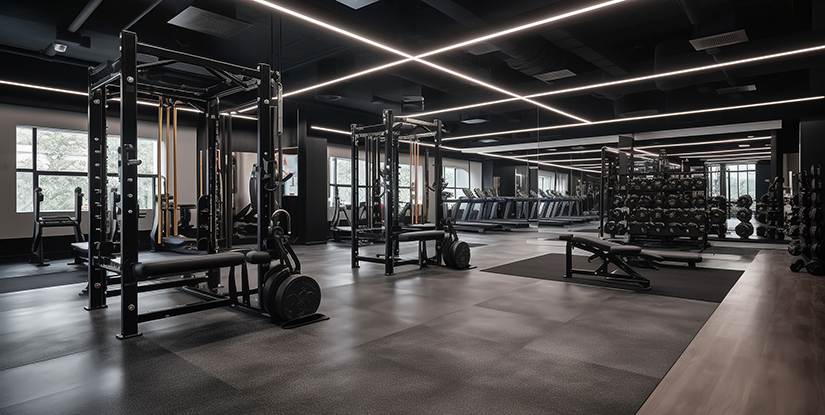
The High Cost of Substandard Procurement in Commercial Fitness
Commercial facility operators often face a recurring nightmare: equipment failure within the first 18 months of deployment. This is rarely a matter of bad luck; rather, it is a direct consequence of a procurement process that prioritizes initial purchase price over long-term operational viability. When a high-traffic strength machine fails or a cardio unit's console freezes, the cost is not just the repair bill—it is the loss of member trust and the subsequent decline in retention rates.
The root cause of these premature failures typically lies in the lack of technical scrutiny during the sourcing phase. Buyers often rely on glossy catalogs and brand reputation without verifying the underlying material science or mechanical tolerances. To avoid these pitfalls, a transition from 'buying products' to 'sourcing engineered solutions' is required. By understanding the technical requirements of commercial-grade units, procurement officers can shift from reactive maintenance to proactive asset management. This systematic approach begins with a deep dive into the fundamental physical components of the machines.
Defining the Commercial vs. Residential Threshold
Before evaluating specific models, buyers must establish a clear technical threshold between residential-grade and commercial-grade equipment. While residential units may appear similar in form, their internal mechanisms—such as bearing types, motor wattage, and frame gauge—are significantly inferior. Establishing these baseline parameters is the first step in ensuring that the sourced assets can withstand the high-duty cycles characteristic of a professional fitness environment. Once these thresholds are understood, the focus must shift toward the physical durability of the chassis itself.
Explore the complete technical specifications:
Material Integrity and Structural Engineering Specifications
Building upon the necessity of defining commercial thresholds, the next critical phase involves scrutinizing the physical chassis and load-bearing components. A machine's longevity is dictated by its frame gauge, weld quality, and the metallurgy of its moving parts. A common mistake in the sourcing process is overlooking the thickness of the steel tubing, which directly influences the structural rigidity and the machine's ability to resist torsional fatigue under heavy loads.
When reviewing technical specification sheets, buyers should not merely look for 'heavy-duty' descriptions but should demand specific measurements. For instance, a commercial power rack should ideally utilize a minimum of 11-gauge steel, whereas lighter, high-repetition machines might utilize 14-gauge. Furthermore, the type of welding used—whether it is continuous, full-penetration welding or intermittent stitch welding—can be the difference between a frame that stays true and one that develops structural cracks over time. This structural integrity is the backbone of the machine, but it is only one part of the user experience.
Verifying Frame Rigidity and Component Metallurgy
To ensure the structural integrity of a shipment, operators should employ a standardized inspection checklist during the receiving process. This involves more than just visual checks; it requires a rigorous assessment of the component quality.
| Component Type | Standard Specification (Commercial) | Critical Failure Mode | Verification Method |
|---|---|---|---|
| Main Frame Steel | 11-14 Gauge High-Tensile Steel | Deformation under load | Micrometer measurement of wall thickness |
| Welding Joints | Full-penetration, continuous beads | Stress fracture at junction | Visual inspection for porosity or gaps |
| Pivot Points | Sealed industrial-grade bearings | Increased friction/heat | Manual rotation test for smoothness |
| Load-bearing Pins | Hardened steel with high shear strength | Bending or snapping | Hardness testing or spec verification |
Once the structural skeleton of the equipment is validated, the focus must shift to the surfaces that interface directly with the user: the upholstery and the touchpoints. A structurally sound machine is useless if the ergonomic components fail due to poor material selection.
Explore the complete technical specifications:
Understanding Steel Grades | Industrial-Grade Equipment Guide
Upholstery Durability and Hygiene Management Protocols
Moving from the metal frame to the user interface, it is vital to note that even with a robust steel chassis, a piece of equipment can become a liability if the upholstery fails prematurely. In a commercial setting, upholstery is subject to intense friction, sweat-induced pH changes, and frequent chemical disinfection. The failure of a seat pad or an ergonomic grip is not merely an aesthetic issue; it is a safety hazard that can lead to skin abrasions or ergonomic injuries.
The cause of premature upholstery failure is often the use of low-density foam or non-medical grade vinyl. High-density, high-resiliency (HR) foam is essential to prevent the 'bottoming out' effect that occurs when the foam loses its shape after repeated compression. Similarly, the outer covering must be resistant to both perspiration and the aggressive cleaning agents required for facility hygiene. Buyers should specifically request documentation regarding the tensile strength and chemical resistance of the upholstery materials to ensure long-term usability.
Selecting Contact Surfaces Based on Usage Intensity
The choice of material should depend on the intended user experience and the cleaning protocol of the facility. For example, high-impact areas like barbell benches require much higher durability than a low-traffic stretching station.
- Medical-Grade Vinyl: Ideal for high-sanitization environments; resistant to alcohol-based wipes and bleach solutions.
- High-Density Foam: Essential for heavy strength equipment to maintain ergonomic support over thousands of cycles.
- Non-Slip Textures: Critical for hand grips and pedal surfaces to prevent slippage due to perspiration.
After ensuring that the physical and ergonomic components meet these standards, the complexity of the sourcing process increases as we move into the integration of electronics and digital interfaces.
Explore the complete technical specifications:
Why Frame Thickness and Weld Quality Matter | Technical Guide
Electronic Integration and Digital Interface Reliability
Connecting the physical durability of the frame and upholstery to modern technology, facilities are increasingly reliant on 'smart' equipment, featuring integrated consoles, heart rate monitors, and connectivity features. While these additions provide high value to the end-user, they also introduce a new layer of technical risk. Electronic failure in a cardio unit—such as a tablet screen freezing or a wireless connection dropping—can lead to significant downtime and user frustration.
The primary cause of electronic instability in commercial equipment is often the lack of industrial-grade internal components. Consumer-grade circuit boards and low-wattage power supplies are often repurposed for commercial consoles, making them susceptible to heat and electrical surges. A professional buyer must verify the 'uptime' reliability and the robustness of the internal hardware. This includes checking the heat dissipation capabilities of the console and the quality of the wireless modules (Bluetooth/ANT+).
Assessing Electronic Component Lifespan and Connectivity
When evaluating smart equipment, it is vital to look beyond the user interface and examine the backend reliability. A high-end console is only as good as the hardware driving it.
| Digital Feature | Expected Standard | Common Failure Mode | Operator Verification |
|---|---|---|---|
| Touchscreen Interface | Capacitive, high-sensitivity, moisture-resistant | Unresponsive to touch or screen flickering | Continuous interaction test under varied lighting |
| Wireless Connectivity | Dual-band (2.4GHz/5GHz) or BLE 5.0 | Frequent disconnection/latency | Stress test with multiple simultaneous connections |
| Power Management | Internal surge protection/dedicated power supply | System reset during peak usage | Voltage stability monitoring during operation |
With the technical specifications for both physical and digital components established, the final stage of the sourcing process transitions from product selection to the complexities of logistics and long-term ownership costs.
Calculating Total Cost of Ownership (TCO) vs. Initial CAPEX
Having addressed the technical aspects of hardware and software, the procurement specialist must now address the financial realities of long-term ownership. A fundamental error in B2B gym procurement is the reliance on initial Capital Expenditure (CAPEX) as the sole metric for success. While the upfront price of a machine is the most visible number, it represents only a fraction of the total cost throughout the asset's lifecycle. To truly optimize a budget, a professional buyer must calculate the Total Cost of Ownership (TCO), which includes maintenance, parts availability, and expected lifespan.
The discrepancy between low-cost and high-quality equipment becomes apparent through the lens of operational expenditure (OPEX). Low-cost equipment often carries a hidden 'maintenance tax'—the frequent need for replacement parts, specialized technician visits, and the downtime that limits revenue-generating capacity. A strategic sourcing model weighs these future costs against the current savings to determine the most profitable path forward.
The TCO Calculation Framework
To move from a cost-centric to a value-centric model, use the following variables in your procurement spreadsheet:
- Annual Maintenance Cost: Sum of routine lubrication, parts replacement, and professional service calls.
- Downtime Impact: The estimated revenue loss per day a specific machine is out of service.
- Depreciation Rate: How quickly the machine's resale or salvage value declines based on build quality.
- Parts Lead Time: The frequency and speed with which a supplier can deliver critical components.
By prioritizing TCO, you move from a mindset of 'buying cheap' to 'investing in longevity,' which naturally leads to the final, crucial step: verifying the vendor's capability to deliver on these promises.
Establishing Robust Vendor Verification Protocols
After calculating the long-term financial impact, the final step is to ensure your chosen partner can actually deliver. The most sophisticated procurement strategy will fail if the vendor's ability to fulfill and support the order is not rigorously vetted. A supplier may provide excellent technical documentation, but their operational capacity—logistics, installation support, and after-sales service—is what ultimately determines the success of the deployment. The goal is to move beyond the product and evaluate the entire service ecosystem.
The failure in this area is often a lack of due diligence regarding the supplier's technical support infrastructure. Many B2B buyers find that once a product is delivered and installed, the vendor's responsiveness to technical issues or part requests drops significantly. This is why verification must be a continuous process, starting with the initial vetting and extending through the entire lifecycle of the equipment.
The Professional Buyer's Pre-Order Checklist
Use this checklist to verify that your chosen partner is more than just a warehouse of machines, but a true operational partner.
- Technical Support Availability: Do they offer tiered support (Level 1, 2, and 3) for complex electronic or mechanical issues?
- Parts Inventory Management: Do they maintain local or regional warehouses for high-wear components (cables, belts, upholstery)?
- Installation Standards: Do they provide certified technicians, or do they rely on third-party general contractors?
- Warranty Enforcement: Is the warranty a simple 'promise' or is it backed by a clear, documented claim process?
By following this structured approach—from material scrutiny to vendor verification—B2B buyers can transform the procurement process from a simple purchase into a high-yield strategic investment for their fitness facilities.