

Optimizing Long-Term ROI through Sourcing at Scale with Wholesale Fitness Equipment
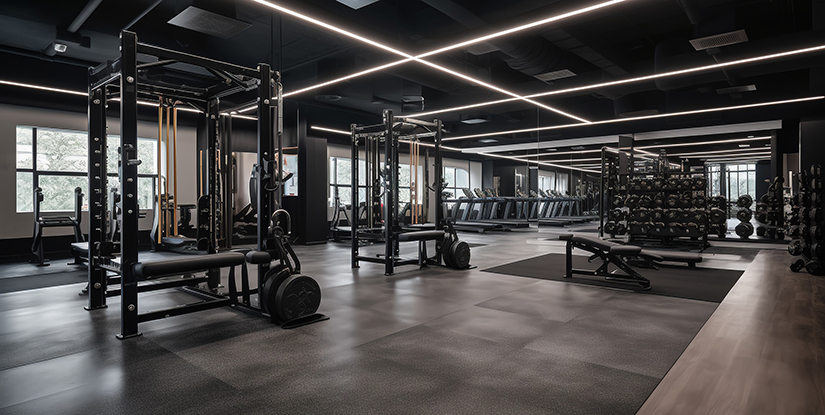
The Structural Challenges of Sourcing at Scale with Wholesale Fitness Equipment
Expanding a fitness facility or managing a multi-site rollout requires a transition from tactical purchasing to strategic supply chain management. When operators move from ordering individual pieces to Sourcing at Scale with Wholesale Fitness Equipment, they often encounter a significant spike in logistical complexity. The primary pain point is not merely the cost per unit, but the management of volumetric weight, shipping damage, and the discrepancy between advertised specifications and received quality.
The root cause of these failures is usually a lack of standardized procurement documentation. Without rigorous technical benchmarks, a buyer might receive high-quality strength machines at one price point and inferior, thin-gauge steel versions at another, despite both being labeled as 'commercial grade.' This inconsistency erodes the long-term Return on Investment (ROI) and complicates maintenance cycles. To mitigate this, operators must shift their focus from the lowest quote to the most comprehensive technical specification sheet.
Decision Matrix: Procurement Volume vs. Control
| Procurement Model | Primary Benefit | Major Risk Factor | Control Mechanism |
|---|---|---|---|
| Small-Scale/Retail | Rapid delivery, low upfront capital | High unit cost, inconsistent quality | Manual inspection of every item |
| Wholesale/Bulk Sourcing | Significant cost reduction, brand uniformity | Logistical bottlenecks, shipping damage | Third-party inspection & strict QA protocols |
| Custom Manufacturing | Complete design control, unique branding | Extreme lead times, high minimum orders | Extensive prototype testing |
Understanding these structural shifts allows an operator to build a procurement strategy that prioritizes reliability over momentary savings. Once the scale of operation is defined, the focus must turn toward the specific technical standards required for bulk orders.
Material Integrity and Mechanical Tolerance Verification
A successful transition to bulk procurement depends entirely on how well the buyer can verify material density and mechanical tolerances before the shipment leaves the warehouse. A common failure mode in large-scale orders is the 'Specification Drift,' where a manufacturer maintains high standards for prototypes but lowers steel gauge or upholstery density during mass production to protect margins. This results in equipment that looks identical but fails under the heavy load of a commercial environment.
To prevent this, operators should demand specific material benchmarks rather than qualitative descriptors. For instance, instead of accepting 'heavy-duty steel,' a professional specification should call for a specific steel thickness (e.g., 3mm or 11-gauge) and a cross-sectional dimension. Similarly, upholstery density should be defined by the density of the high-density foam (HD foam) rather than just a 'comfort' rating.
Verification Checklist for High-Volume Steel Equipment
- Steel Gauge Verification: Use a digital caliper to measure the thickness of the frame tubing at multiple points to ensure it meets the stated gauge.
- Weld Integrity: Inspect for consistent bead width; uneven or 'spatter' welds indicate poor quality control during mass production.
- Powder Coating Depth: Verify that the coating is even and lacks bubbles or 'orange peel' texture, which can lead to premature oxidation.
- Bearing Smoothness: For selectorized machines, check for resistance in the weight stack movement to ensure bearing quality.
Establishing these physical verification steps ensures that the scale of your order does not become a liability. With the material standards set, the next critical phase is selecting the right equipment categories to balance a diverse facility layout.
Strategic Diversification of Equipment Categories
When Sourcing at Scale with Wholesale Fitness Equipment, an operator cannot simply buy more of the same. A balanced facility requires a calculated mix of high-durability, low-maintenance items and high-margin, specialized pieces. The mistake most operators make is over-investing in high-tech electronic equipment that requires frequent software updates or proprietary repairs, while neglecting the foundational strength and cardio components that drive daily traffic.
A strategic approach involves categorizing your order into 'Core Assets' and 'Specialized Enhancements.' Core assets, such as free weights, racks, and basic strength machines, should be sourced for their extreme durability and minimal moving parts. Specialized enhancements, like high-end functional trainers or advanced cardio modules, can be more technologically advanced but should be a smaller percentage of the total procurement volume.
Asset Classification for Large-Scale Procurement
| Category Type | Examples | Investment Logic | Maintenance Requirement |
|---|---|---|---|
| Foundational Assets | Dumbbells, Benches, Racks | High durability, low tech, long lifecycle | Low (visual and lubrication checks) |
| Performance Assets | Functional Trainers, Cable Machines | Moderate tech, high engagement | Medium (cable tension, pulley checks) |
| Technological Assets | Smart Cardio, Interactive Screens | High tech, high depreciation, high margin | High (software, electrical, sensors) |
By categorizing your order, you can allocate your budget toward items that provide the most stable ROI. This categorization also informs your long-term maintenance schedule, which we will examine in the next section.
Explore the complete technical specifications:
Optimizing Throughput via Facility Layout Design
Sourcing at scale is only effective if the physical placement of equipment maximizes user throughput and safety. A common failure mode is the 'Congestion Bottleneck,' where high-traffic machines (like cardio rows or heavy power racks) are placed in narrow corridors or near high-friction zones. This reduces the perceived value of the facility and can lead to user accidents.
When planning a large-scale rollout, operators should use a zone-based layout strategy. This involves designating specific areas for high-intensity strength training, low-impact cardio, and functional movement. By grouping similar equipment types, you can also centralize your maintenance access points, ensuring that technicians can service machines without disrupting the entire floor.
Layout Optimization Parameters
- Clearance Zones: Ensure a minimum of 3 feet of unoccupied space around all moving parts (e.g., weight stacks or rotating pedals).
- Traffic Flow: Place high-turnover cardio equipment in areas with high visibility but away from heavy-weight drop zones to prevent collisions.
- Power Access: Map out electronic equipment clusters early to prevent the need for expensive electrical retrofitting later.
Efficient layout design ensures that the high-quality equipment you have sourced is utilized to its full potential. However, the physical placement must be supported by a systematic upkeep strategy.
Explore the complete technical specifications:
Commercial Gym Equipment Wholesale: Sourcing, Pricing Tiers, and Procurement Strategy
Implementing a Scalable Maintenance and Inspection Framework
The true cost of equipment is not the purchase price, but the Total Cost of Ownership (TCO). In a high-traffic commercial environment, the failure to implement a systematic maintenance schedule can lead to catastrophic downtime and safety liabilities. When you are managing hundreds of pieces of equipment, a reactive 'fix it when it breaks' mentality is unsustainable and expensive.
The cause of frequent equipment failure in large facilities is often neglected routine tasks like bolt tightening and lubrication. As machines undergo thousands of cycles, vibration naturally loosens fasteners. If not caught during a routine inspection, this can lead to structural fatigue or catastrophic mechanical failure. A proactive maintenance framework must be built into the facility's operational workflow from day one.
The Tiered Maintenance Protocol
To maintain operational efficiency, maintenance should be divided into three distinct tiers of frequency and depth. This prevents your maintenance staff from being overwhelmed while ensuring critical components remain safe.
- Tier 1: Daily Visual Walkthroughs: Focus on high-wear items like upholstery tears, cable fraying, and obvious loose bolts.
- Tier 2: Weekly Technical Audits: Focus on functional movements. Check cable tension, weight stack smooth gliding, and electronic display responsiveness.
- Tier 3: Quarterly Deep Inspections: This involves mechanical depth, such as checking bolt torque levels on primary frames and testing all electrical connections.
Following this structured approach ensures that your bulk-sourced investments remain productive for years. However, even the best maintenance cannot fix a machine that was improperly selected at the source, which brings us to the final critical decision: the selection of suppliers.
Advanced Supplier Vetting and Logistical Oversight
The final pillar of Sourcing at Scale with Wholesale Fitness Equipment is the move from a buyer-seller relationship to a partnership-driven supply chain. A standard supplier may provide a good product, but a strategic partner understands the nuances of logistics, lead times, and long-term support. The risk in large-scale sourcing is often found in the 'hidden costs'—shipping delays, improper packaging that leads to broken components, and the lack of spare parts availability.
One common failure mode in global wholesale procurement is the 'Missing Parts Trap.' An operator receives a large shipment of machines, only to find that 5% of the units are missing essential bolts or specialized bushings. Without a pre-negotiated agreement for spare parts or a rapid-replacement policy, the facility's opening or expansion can be delayed for weeks.
Supplier Vetting Criteria for Wholesale Orders
When evaluating whether a supplier can handle your scale, move beyond their product catalog and look at their operational capacity. A professional buyer should verify the following metrics:
- Logistical Reliability: Ask for documented lead times and their protocol for handling damaged goods during transit.
- Spare Parts Infrastructure: Confirm that they maintain a dedicated inventory for replacement parts, not just full machine replacements.
- Technical Support Availability: Ensure they provide detailed assembly manuals, torque specifications, and troubleshooting guides.
- Certification Standards: Verify that their manufacturing processes meet international safety and quality standards for commercial-grade equipment.
By implementing these vetting protocols, you ensure that the scale of your procurement becomes a driver of growth rather than a source of operational friction. Effective sourcing is not just about buying more; it is about buying better, more reliably, and with a clear view of the long-term maintenance and logistics required to sustain a premium fitness environment.