

Selecting the Best Gym Barbell for Professional Strength Training
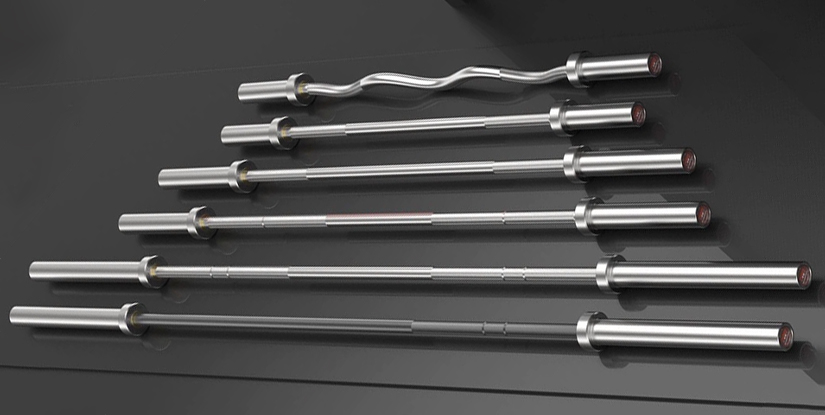
Establishing Selection Criteria for High-Performance Barbells
Identifying the best gym barbell is not merely a matter of aesthetics or brand recognition; it is a technical decision rooted in the specific mechanical demands of the training environment. A common failure point for facility managers and serious lifters is the procurement of a barbell that lacks the structural integrity required for its intended discipline. For instance, using a high-tensile powerlifting bar for Olympic weightlifting can result in excessive whip, which disrupts the timing of the clean or snatch. To avoid this, one must look beyond the surface and evaluate the fundamental engineering specifications.
The selection process begins with defining the primary usage category, as the mechanical requirements for a heavy deadlift differ drastically from those of a high-repetition CrossFit session. Failure to align the equipment with the intended movement pattern often leads to premature bearing failure or permanent deformation of the shaft. Once the primary discipline is established, the operator must pivot toward examining the internal components that dictate long-term durability.
| Barbell Category | Primary Use Case | Key Mechanical Characteristic | Typical Tolerance Profile |
|---|---|---|---|
| Olympic Weightlifting Bar | Snatch, Clean & Jerk | High Whip/Elasticity | High-speed rotation |
| Powerlifting Bar | Squat, Bench, Deadlift | Minimal Whip/Stiffness | High static load capacity |
| Multi-Purpose/Training Bar | General Strength, CrossFit | Moderate Whip/Durability | Balanced knurling & rotation |
| Deadlift Specialty Bar | Max Effort Deadlift | Increased Knurl/Flex | High shaft whip for breaking floor |
By categorizing the equipment through these technical lenses, a buyer can prevent the most common procurement errors. Understanding these baseline categories provides the necessary foundation for evaluating the more granular details of material science and rotation mechanics.
Material Composition and Tensile Strength Standards
Building upon the initial categorization, the next critical step involves examining the metallurgical properties of the bar. A common misconception is that any steel rod can be transformed into a quality barbell; however, the difference between a standard steel rod and a high-tensile alloy determines the bar's ability to return to its original shape after significant loading. This property, known as coefficient of elasticity, is what separates professional-grade equipment from consumer-grade imitations.
Understanding Tensile Strength and Yield Strength
When evaluating technical data sheets, professionals look for the tensile strength of the steel. This is a measurement of the maximum stress the bar can withstand before failing. However, the more critical metric for a long-term investment is the yield strength. While tensile strength is the point of breakage, yield strength is the threshold at which the bar permanently deforms. A high-quality barbell should possess a high yield-to-tensile ratio to ensure it can endure heavy eccentric loading without developing a permanent bend.
- Common Failure Mode: Using a bar with low yield strength for heavy compound movements, leading to a permanent 'set' or bend in the shaft.
- Verification Method: Check the manufacturer's specification for the minimum yield strength, typically expressed in PSI or MPa.
Identifying the correct steel grade is a prerequisite for ensuring the bar can handle the dynamic stresses of heavy lifting. Once the material integrity is assured, the operator must focus on how that material interacts with the rotating sleeves.
Rotation Mechanics: Bushings versus Bearings
The internal rotation mechanism is perhaps the most frequent point of mechanical failure in a gym setting. A barbell's ability to rotate the sleeves independently of the shaft is essential for reducing the rotational inertia transferred to the lifter's wrists during transitions. Choosing the wrong mechanism for a specific training style can lead to significant injury risks and rapid component degradation.
The Technical Distinction in Sleeve Rotation
The two primary methods for managing sleeve rotation are bushings and bearings. Each serves a specific function and has distinct advantages depending on the speed of the movement and the frequency of use. A mistake often made by novice buyers is assuming that more moving parts (bearings) always equal a better bar, ignoring the specific requirements of powerlifting or high-volume training.
| Feature | Bronze Bushings | Needle Bearings |
|---|---|---|
| Primary Use | Powerlifting / Heavy Lifting | Olympic Weightlifting |
| Rotation Feel | Smooth, consistent, slower | Rapid, snappy, highly responsive |
| Durability Factor | Extremely durable under high static load | Sensitive to dust and impact |
| Maintenance Need | Low; typically requires infrequent lubrication | Moderate; requires precise alignment |
A professional operator must decide whether the discipline requires the slow, steady rotation of a bushing or the lightning-fast response of a bearing. This decision dictates not only the lifter's performance but also the long-term maintenance schedule required for the facility. With the rotation mechanism understood, the focus shifts to the surface interface: the knurling.
Knurling Geometry and Grip Consistency
<طيبp>Knurling refers to the pattern of cross-hatched grooves etched into the steel shaft. It is the primary interface between the athlete and the barbell. The problem most users encounter is a lack of consistency—either the knurling is too aggressive, causing skin abrasions, or it is too shallow, causing the bar to slip during heavy sets. Achieving the best gym barbell requires a perfect balance of texture and ergonomic design.Evaluating Knurling Depth and Sharpness
Knurling is not a one-size-fits-all specification. It is a measured depth and a specific geometric pattern. A professional-grade barbell will have a consistent knurling profile across the entire shaft, whereas lower-quality bars often exhibit 'hot spots'—areas where the etching is uneven or overly sharp. These irregularities can cause pain and prevent the lifter from maintaining a secure grip during maximal efforts.
- Aggressive Knurling: Preferred for powerlifting to ensure a non-slip grip during heavy squats and deadlifts.
- Moderate/Soft Knurling: Preferred for high-repetition Olympic lifting or CrossFit to minimize fatigue and skin tearing.
- How to Verify: When testing a bar, run the knurled section across the palm (carefully) to check for uniform texture and the absence of jagged 'teeth.'
The tactile experience of the bar is as important as its structural integrity. However, even a perfectly knurled bar will fail if the exterior finish is not maintained properly. This leads us to the necessity of surface coatings and environmental protection.
Surface Finishes and Corrosion Resistance
Once the shaft and rotation are determined, the final layer of protection—the surface finish—becomes the primary variable in long-term durability. The environment in which a barbell is used significantly affects its lifespan. A common error in commercial gym management is ignoring the impact of humidity and perspiration on steel, which leads to oxidation and rust.
Comparing Common Barbell Coatings
The coating applied to the steel shaft serves two purposes: it protects the metal from the elements and can influence the 'feel' of the grip. Understanding these options allows an operator to match the equipment to their specific climate and usage intensity.
- Chrome Plating: Offers high corrosion resistance and a shiny aesthetic, but can feel 'slick' or 'cold' to some lifters.
- Cerakote: A ceramic-based coating that provides exceptional durability and a wide range of color options, though it can slightly change the knurling feel.
- Black Oxide: Provides a sleek look but offers very low corrosion resistance; not recommended for high-humidity environments.
- Stainless Steel: The premium option for natural resistance. It requires no coating, meaning the knurling feel remains pure, but it comes at a higher price point.
Choosing a finish based on the environmental conditions of the facility ensures that the investment remains functional for years. This brings us to the vital, yet often overlooked, aspect of routine maintenance and inspection.
Operational Maintenance and Inspection Protocols
Even the highest quality barbell will eventually degrade without a rigorous maintenance protocol. A lack of oversight leads to 'dead' sleeves, inconsistent rotation, and eventually, structural failure. For facility owners, establishing a routine inspection cadence is a matter of both safety and ROI.
Daily and Monthly Checklist for Barbell Care
To prevent the common failure of bearing seizure or shaft deformation, operators should implement a tiered inspection system. This ensures that minor issues are caught before they become expensive replacements.
| Inspection Level | Frequency | Action Item | What to Look For |
|---|---|---|---|
| Daily Visual | Every Shift | Surface Inspection | Rust, significant scratches, or debris in sleeves |
| Weekly Functional | Once per week | Rotation Check | Smooth spinning of sleeves without hesitation |
| Monthly Technical | Once per month | Straightness & Bearing Check | Any visible bend or 'wobble' during rotation |
Regularly verifying these points ensures the equipment performs as intended. When a barbell fails an inspection, the operator must determine if it is a maintenance issue (lubrication) or a structural issue (deformation) to decide the next course of action.
Troubleshooting Common Barbell Performance Issues
Despite best practices, equipment will eventually exhibit performance deviations. Understanding the root causes of these issues allows for quick resolution without unnecessary replacement costs. Most problems stem from either environmental neglect or misuse.
Identifying and Resoliting Performance Drifts
When a lifter reports that a bar feels 'different,' it is often a measurable change in one of its technical parameters. The following table outlines common symptoms and their likely causes.
| Symptom | Likely Cause | Recommended Fix |
|---|---|---|
| Slow or Stuttering Rotation | Accumulated dust or dried lubricant in bushings/bearings | Deep clean sleeves and apply specialized bearing oil |
| Excessive Shaft 'Whip' | Metal fatigue or excessive heat exposure | Verify bar straightness; replace if permanent bend exists |
| Slippery Grip | Oil buildup or inappropriate coating for the weight | Degrease with alcohol; evaluate knurling suitability |
Troubleshooting effectively requires a systematic approach: observe the symptom, identify the cause, apply the fix, and verify the result. This methodical process is essential for any professional-grade strength training facility.
Future Outlook: The Evolution of Barbell Technology
As we look toward the future of strength equipment, the focus is shifting toward even higher precision and smart integration. While the fundamental components—steel, knurling, and rotation—remain constant, the way they are manufactured is evolving with advanced CNC machining and specialized alloy blending.
The next generation of barbells will likely continue to push the boundaries of weight-to-strength ratios, allowing for even more specialized tools for the extreme ends of the powerlifting and Olympic lifting spectrums. Staying informed about these technical advancements ensures that your facility remains at the cutting edge of training efficacy and safety.