

Optimizing Gym Aesthetics with Custom Painted Weight Plates
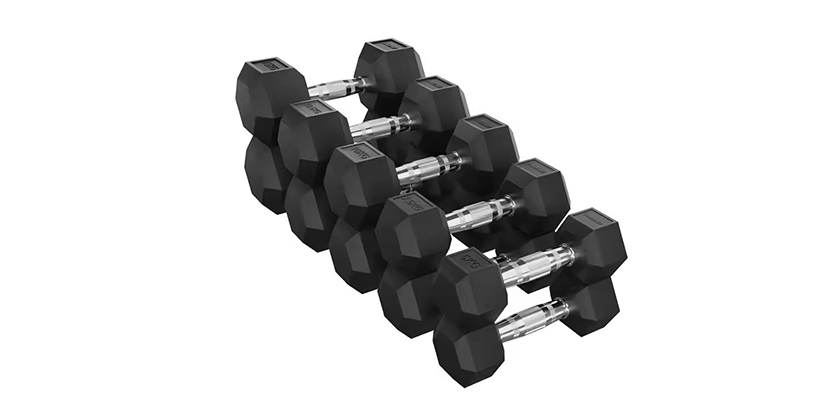
High-performance strength training environments require more than just heavy iron; they require visual clarity and brand identity. For facility managers and premium gym owners, standard black or gray plates often fail to provide the professional distinction required in high-end commercial settings. Custom Painted Weight Plates offer a solution to the common problem of equipment monotony and visual fatigue, but selecting the wrong finish can lead to rapid degradation. This guide examines the technical specifications, material interactions, and maintenance protocols necessary to ensure your customized equipment remains an asset rather than a liability.
Selecting the Right Substrate for Custom Color Application
Before addressing color, an operator must understand that the success of any customized coating depends entirely on the underlying material. The most common failure mode in custom equipment is poor adhesion, where paint flakes off during high-impact use. This is rarely a fault of the paint itself, but rather a failure to prepare the substrate surface correctly. Selecting the wrong substrate for a specific coating can lead to total delamination within months of heavy use.
Cast Iron vs. Rubberized Surfaces
When ordering customized weight sets, the choice between raw cast iron and rubberized coatings changes the entire application methodology. Cast iron provides a porous, high-grip surface that accepts industrial coatings well, whereas rubber surfaces require specialized chemical primers to prevent peeling.
| Substrate Type | Coating Compatibility | Common Failure Mode | Ideal Application |
|---|---|---|---|
| Cast Iron | High (Powder Coating/Industrial Enamel) | Surface Rust if coating is chipped | High-durability commercial gym floors |
| Rubber/Urethane | Moderate (Requires Specialized Primer) | Delamination under high friction | Aesthetic accents in boutique studios |
| Steel/Steel Plate | Excellent (Powder Coating) | Edge chipping on impact | Standard plateed weight sets |
Choosing a substrate is the foundational step in the customization process. Once the material compatibility is verified, the operator can proceed to choosing the specific method of color application to ensure long-term durability.
Industrial Coating Methodologies for Weight Equipment
A primary concern for facility operators is the longevity of the aesthetic finish under heavy usage. A simple spray paint application is insufficient for high-traffic environments; instead, industrial-grade processes must be utilized to ensure the weight plates can withstand drops and friction. Understanding these processes allows a buyer to verify the quality of a vendor's production line before committing to a large order.
Powder Coating vs. Wet Paint Systems
The distinction between powder coating and wet paint is the most critical technical factor in the production of Custom Painted Weight Plates. Powder coating involves applying dry powder electrostatically and then curing it under intense heat, creating a much harder, more resilient shell than liquid-based alternatives.
- Powder Coating: Offers superior impact resistance and a much thicker protective layer. It is the gold standard for preventing corrosion in high-humidity gym environments.
- Wet Paint/Liquid Enamel: Allows for more complex, intricate graphic designs and gradients, but is more prone to scratching and chipping during heavy mechanical use.
- UV-Cured Coatings: Provides high-gloss finishes and excellent color retention, making it ideal for brightly lit or outdoor fitness areas.
The decision between these methods requires a trade-off: you must choose between the sheer durability of powder coating and the high-detail visual potential of liquid systems. This choice directly influences how the color will perform under the facility's specific lighting and operational demands.
Visual Ergonomics and Color-Coded Identification
Beyond mere aesthetics, the strategic use of color serves a critical functional purpose: rapid identification. In a fast-paced training session, a trainer or athlete needs to distinguish between a 10kg and a 15kg plate instantly. Standardizing colors for specific weight increments reduces cognitive load and improves training efficiency.
Implementation of Standardized Color Coding
While many facilities use custom colors for branding, it is a mistake to abandon traditional weight-to-color logic. A professional implementation uses custom colors as the primary theme, while retaining or clearly marking weight denominations with high-contrast secondary colors.
Avoid these Common Mistakes in Color Logic:
- Using highly reflective or metallic colors for weight numbers, making them unreadable under bright gym lights.
- Neglecting the contrast ratio between the plate color and the number color, leading to visual errors during heavy lifts.
- Using a color scheme that does not account for the specific lighting temperature (Kelvin) of the facility.
By implementing these color-coding standards, facilities improve both the visual brand and the operational safety of the equipment. However, even a perfectly color-coded system will fail if the maintenance protocols are neglected.
Maintenance Protocols for Preserving Custom Finishes
Even the highest quality Custom Painted Weight Plates will eventually show signs of wear if not properly maintained. The most frequent mistake made by facility managers is using caustic cleaning agents that strip the protective clear coat or discolor the pigments. Understanding the cause-and-effect of cleaning chemicals is essential for long-term ROI.
Daily vs. Monthly Inspection Checklists
Effective maintenance is not about deep cleaning once a quarter; it is about consistent, incremental care. Operators should implement a two-tier inspection system to ensure that small chips do not turn into large-scale delamination issues.
| Frequency | Task | Objective | Verification Method |
|---|---|---|---|
| Daily | Wipe down with damp microfibers | Remove sweat and skin oils | Surface should be free of residue/film |
| Weekly | Visual inspection for edge chipping | Identify early-stage wear | Check 360-degree perimeter of plates |
| Monthly | Review color saturation/fading | Assess UV or chemical damage | Compare against original spec samples |
Following these maintenance routines ensures that the visual fidelity of the equipment remains high. When maintenance is insufficient, however, surfaces will inevitably begin to fail, requiring active troubleshooting.
Troubleshooting Common Surface Failures
When a custom finish begins to fail, the cause is often a mismatch between the environment and the product specification. Identifying the specific type of failure allows an operator to either correct the behavior or adjust the procurement strategy for future orders.
Identifying Damage Types and Root Causes
If you notice your customized plates are degrading faster than expected, use the following troubleshooting guide to identify the culprit:
1. Problem: Paint Flaking in Large Sheets
Cause: Poor surface preparation or inadequate adhesion between the substrate and the coating. This is common when liquid paint is applied over a contaminated or unprimed surface.
Fix: Ensure future orders specify a multi-stage degreasing and priming process.
2. Problem: Dullness or Loss of Color Vibrancy
Cause: Exposure to harsh cleaning chemicals or direct UV light if the clear coat was not UV-stabilized.
Fix: Switch to pH-neutral, non-abrasive cleaning solutions and verify UV resistance in procurement specs.
3. Problem: Rust Spreading Beneath the Paint
Cause: A chip in the coating has exposed the raw metal to moisture, and the coating was not an airtight seal.
Fix: Inspect the integrity of the coating edge and ensure a high-micron powder coating is utilized for iron substrates.
By understanding these failure modes, facility managers can make more informed purchasing decisions that prioritize longevity over low initial cost. This mastery of current techniques prepares a facility for the next generation of equipment design.
Future Trends in Specialized Weight Equipment Finishing
The demand for high-end, aesthetically driven gym equipment is driving innovation in the finishing industry. We are seeing a transition from simple color applications to multi-textured surfaces and intelligent coatings. This evolution is not just about appearance; it is about the convergence of durability and digital integration.
Texture and Intelligence in Modern Coatings
The next frontier in Custom Painted Weight Plates involves specialized finishes that serve secondary physical purposes. For example, textured-grip coatings are being developed to provide better handling for wet hands, while high-durability matte finishes are becoming the standard for luxury boutique studios seeking a non-reflective look.
Technological advancements in smart-coatings may eventually allow for color-changing weight plates or surfaces that can display digital temperature or humidity levels via integrated sensors. While these are currently niche, the trajectory is clearly moving toward a higher degree of functional sophistication. For now, the priority remains the mastery of industrial-grade application and rigorous maintenance to maximize the lifespan of the investment.