

Optimizing Equipment Longevity: The Rubber Kettlebell Set Technical Guide
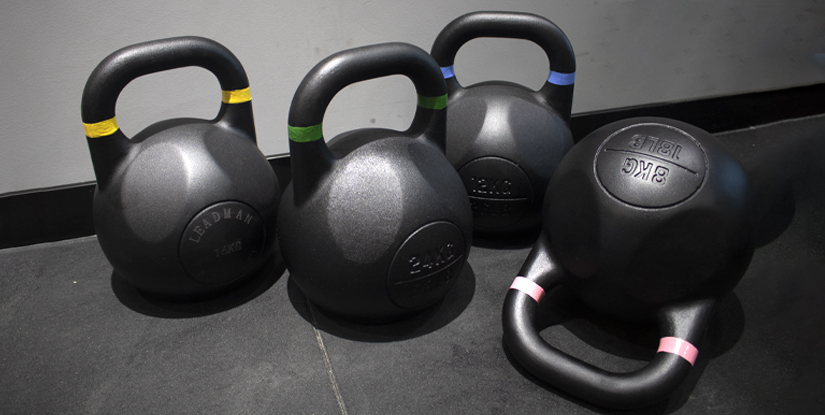
Mitigating Surface Degradation in High-Volume Training Environments
The abrupt failure of rubber coatings on strength equipment often stems from poor material selection or improper storage, leading to cracked surfaces and exposed cores. In high-traffic commercial facilities, a Rubber Kettlebell Set is subject to constant friction, impact, and temperature fluctuations. When the protective layer fails, the internal cast iron or steel core becomes vulnerable to oxidation, and the user experience is compromised by jagged edges or uneven weight distribution.
To prevent these issues, operators must understand the relationship between elastomer density and impact resistance. A common mistake involves using low-grade synthetic rubbers that lack UV stabilizers or sufficient elasticity. This results in premature cracking under sunlight exposure or extreme gym temperatures. Identifying these vulnerabilities during the procurement stage is the first step toward ensuring long-term operational stability. Understanding these material properties allows for a more precise approach to equipment selection and subsequent maintenance cycles.
Common Causes of Rubber Delamination
Delamination occurs when the bond between the metal core and the rubber shell is compromised. This is frequently caused by thermal expansion differentials or chemical contamination from cleaning agents. To ensure a long service life, it is essential to move beyond basic aesthetics and evaluate the structural integrity of the casting process.
| Failure Mode | Primary Cause | Verification Method |
|---|---|---|
| Surface Cracking | UV exposure or extreme cold | Visual inspection for fine hairline fractures |
| Edge Peeling | Improper casting adhesion | Tactile test for loose edges near the handle |
| Weight Irregularity | Core shifting or uneven filling | Standardized weighing against tolerance specs |
| Odor Retention | Low-grade synthetic materials | Olfactory check in enclosed storage areas |
Recognizing these failure modes early allows operators to transition from reactive repairs to proactive maintenance, ensuring the following steps in structural verification are handled with precision.
Verifying Structural Integrity and Weight Accuracy
Once the surface aesthetics are confirmed, the focus must shift to the internal consistency of the Rubber Kettlebell Set. A primary pain point for professional strength coaches is weight drift—where a kettlebell labeled as 16kg actually weighs 15.7kg due to manufacturing tolerances. Such discrepancies can disrupt progressive overload programming and lead to inaccurate performance tracking.
To verify weight accuracy, operators should implement a periodic calibration check. This involves weighing a representative sample from the set on a calibrated digital scale. While most commercial-grade equipment allows for a small margin of error, significant deviations indicate a batch-level manufacturing flaw. Furthermore, the balance of the weight distribution must be checked by rotating the bell and observing its center of gravity during slow, controlled movements. If the bell exhibits a noticeable 'wobble' or uneven swing, the internal casting is likely off-center.
The Importance of Center-of-Mass Consistency
A consistent center of mass is vital for ballistic movements. An unevenly distributed weight can cause unexpected torque on the wrist, increasing the risk of injury during swings or snatches. Therefore, the verification process should include a dynamic test rather than just a static weight check.
- Static Test: Weigh the unit on a high-precision scale.
- Dynamic Test: Perform a single swing to check for rotational eccentricity.
- Tolerance Benchmark: Aim for a deviation of less than 1-3% for high-end sets.
With the internal weight distribution verified, the operator can proceed to assess the handle ergonomics and grip durability.
Assessing Handle Ergonomics and Grip Longevity
After confirming that the internal mass is stable, the technical focus shifts to the interface between the user and the tool: the handle. The handle is the most high-stress component of a Rubber Kettlebell Set, enduring constant friction and sweat-induced corrosion. A frequent failure mode is the thinning of the handle diameter or the degradation of the texture, which can lead to a slippery grip during high-intensity training.
When selecting or inspecting a set, the handle material and finish are critical decision criteria. There is a distinct difference between a powder-coated metal handle and a cast-in-one-piece rubber handle. While powder coating provides a sleek finish, it is prone to chipping under heavy use. In contrast, a cast-in-one-piece construction is more durable but may lack the precision of a machined handle. Operators should look for a balance between diameter and ergonomic relief to prevent excessive grip fatigue.
Material Comparison: Handle Finishes
| Handle Type | Durability Profile | Best Use Case |
|---|---|---|
| Powder-Coated Steel | High precision; prone to chipping | Technical lifting and precision work |
| Cast-In-One-Piece Rubber | Maximum durability; high friction | High-volume commercial gym use |
| Cast Iron (Uncoated) | Very high durability; low grip | Traditional strength training/Old-school gyms |
Choosing the correct handle type depends on the intended training modality, but regardless of the choice, understanding the structural limits of the handle leads to more effective maintenance protocols.
Preventing Handle and Surface Corrosion
While the rubber provides a protective buffer, the handle remains exposed to the elements, particularly sweat and atmospheric moisture. If the handle is a separate component from the rubber shell, the interface between the metal and the rubber can become a site for moisture accumulation. This hidden moisture is a leading cause of internal corrosion and eventual handle failure.
To prevent this, maintenance protocols must include regular drying and surface cleaning. A common mistake is using highly acidic or alkaline cleaning solutions that can seep into the handle-shell junction and degrade the bond or the metal. Instead, use a mild, pH-neutral cleanser to remove oils and salts left by users. This ensures the structural integrity of the handle remains intact over years of service.
Routine Maintenance Checklist for Operators
Maintaining a consistent routine ensures that small issues do not escalate into expensive equipment replacements. Operators should follow this checklist quarterly:
- Inspect Handle Junction: Check for any separation between the handle and the rubber body.
- Clean Surface Residue: Remove any buildup of chalk or sweat that could harbor moisture.
- Verify Weight Tolerance: Re-weigh a sample to ensure no internal shifting has occurred.
- Check for Surface Pits: Look for small holes in the rubber that could indicate a low-quality pour.
By adhering to these routine checks, the structural and ergonomic components remain within optimal operating parameters for the next phase: optimized storage and environmental control.
Optimizing Storage and Environmental Control
Even a high-quality Rubber Kettlebell Set will fail prematurely if it is subjected to poor storage-related stressors. Environmental factors such as extreme temperature swings and high humidity are the primary drivers of rubber degradation. When rubber is stored in unconditioned spaces, it can undergo a process of thermal cycling that accelerates the loss of its plasticizers, making it brittle and prone to cracking.
A critical decision for facility managers is the design of the storage area. Storing kettlebells directly on concrete floors in unheated garages or outdoor sheds is a high-risk practice. Concrete can wick moisture from the ground, and the lack of temperature regulation leads to the very thermal expansion issues discussed earlier. A controlled environment, or at least a raised, dry storage solution, is necessary to protect the investment.
Optimal Storage Environment Parameters
| Factor | Poor Storage Condition | Optimal Storage Condition |
|---|---|---|
| Temperature | Fluctuating (Extreme Heat/Cold) | Stable (Ambient/Room Temperature) |
| Humidity | High/Uncontrolled | Low to Moderate/Controlled |
| Surface Type | Direct Concrete Contact | Raised Racks or Rubber Mats |
| Light Exposure | Direct Sunlight/UV Exposure | Shaded or Indoor Environments |
Establishing these storage standards provides a final layer of defense against the material failures that affect even the most robust training equipment.
Addressing Common Usage Errors and Load Management
Beyond environmental and maintenance factors, the way the equipment is utilized by the end-user significantly impacts its lifespan. A recurring issue in strength training facilities is the improper handling of weights during sets, specifically regarding how they are dropped or placed on the floor. While a Rubber Kettlebell Set is designed to absorb impact, it is not indestructible.
Dropping heavy weights from heights or onto uneven surfaces can cause the internal mass to shift or the rubber casing to rupture. This is particularly common when users are not properly coached on 'setting' the weight down. To mitigate this, facility operators should implement clear usage guidelines and ensure that the training surface (the floor) is also rated for the impact levels of the equipment being used.
The Impact of Flooring on Equipment Lifespan
The relationship between the kettlebell and the floor is a two-way street. A hard, unyielding surface like standard concrete provides zero shock absorption, forcing the rubber shell of the kettlebell to absorb the entirety of the kinetic energy upon impact. This leads to accelerated wear on the bottom of the bell.
- Hard Floors: High risk of rubber cracking and internal denting.
- Rubber Flooring: Recommended; provides secondary shock absorption.
- Improper Placement: Dropping weights at angles can cause side-wall ruptures.
By standardizing how equipment is handled and where it is used, operators can ensure that the structural integrity of their set remains high throughout its expected service life.
Advanced Troubleshooting: Identifying Deep-Seated Defects
As the equipment ages, standard maintenance may not be enough to catch subtle, deep-seated defects. At this stage, operators must look for more sophisticated indicators of failure that go beyond surface-level inspections. These advanced signs often indicate that the core of the Rubber Kettlebell Set is undergoing structural change.
One indicator is 'phantom weight loss,' where the kettlebell's weight appears to decrease due to minor material erosion or internal shifts that aren't easily visible. Another is 'deformation under load,' where a bell that looked perfectly spherical begins to show slight flattening when placed under a heavy load or after a temperature-induced stress event. These issues are often irreparable and serve as a signal that the entire unit should be removed from service.
Troubleshooting Advanced Failure Indicators
| Symptom | Likely Diagnosis | Action Required |
|---|---|---|
| Change in Sound/Thud | Internal casting void or loose core | Retire the unit immediately |
| Permanent Surface Impression | Material softeness/Thermal damage | Monitor closely or replace if affecting grip |
| Discoloration Patterns | Chemical reaction/UV leaching | Remove from sunlight-exposed areas |
Monitoring these advanced symptoms allows for a controlled phase-out of equipment rather than a sudden, dangerous failure during a live session.
Long-Term ROI and Equipment Lifecycle Planning
Ultimately, the goal of rigorous inspection and maintenance is to maximize the Return on Investment (ROI) for the facility. A well-maintained Rubber Kettlebell Set can last for a decade or more in a professional setting, whereas a neglected set may require total replacement within two to three years. To achieve this, procurement and management must view the equipment not as a one-time purchase, but as a long-term operational asset.
A lifecycle-oriented approach involves calculating the 'cost per use' and factoring in the cost of maintenance and storage. When comparing a cheaper, low-grade set with a high-durability professional set, the initial price difference is often dwarfed by the long-term savings in replacement costs and downtime. Therefore, the technical due diligence performed during the selection phase is the most critical part of the entire lifecycle.
The Value of Quality Procurement
When evaluating potential sets, the technical specifications should include more than just weight. Look for details regarding rubber density, casting methods, and handle construction. High-quality sets are designed with the knowledge that they will face rigorous use and environmental changes. Investing in these details early ensures a stable, safe, and profitable training environment for the long term.