

Optimizing Bumper Plate 20Kg Performance and Longevity
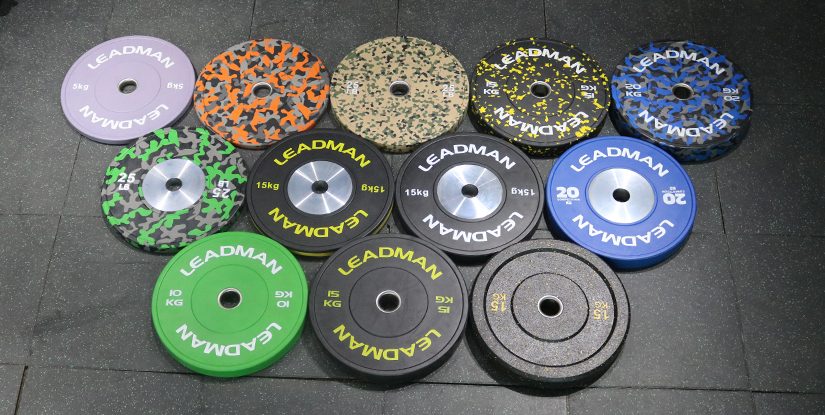
High-intensity strength training relies heavily on the reliability of weight increments. When a facility operator or a dedicated athlete encounters a Bumper Plate 20Kg that lacks consistent density or possesses an uneven surface, the result is often more than just a minor inconvenience; it leads to uneven bar oscillation and potential injury. This guide addresses the fundamental challenges of material fatigue, dimensional tolerance, and surface integrity to ensure your equipment remains a high-performance asset.
Addressing Material Density Discrepancies in Heavy Weight Plates
One of the primary pain points in procurement is the inconsistency in density across different batches of heavy rubberized weights. A Bumper Plate 20Kg that is not cast with a uniform distribution of high-density rubber and internal fillers will exhibit 'dead spots.' These inconsistencies cause the weight to feel 'soft' or unpredictable during high-impact drops.
The mechanism of this failure usually stems from improper injection molding or poor compaction during the casting process. When the internal density is non-uniform, the kinetic energy from a drop is not distributed evenly across the plate'iously, leading to excessive bouncing or structural warping. To mitigate this, operators must verify density consistency through weight-to-volume ratios and physical inspection of the plate edges.
Verifying Density and Bounce Consistency
To ensure your plates meet commercial standards, implement the following verification steps:
- The Drop Test: Observe the rebound height of the plate from a standardized height. A high-quality plate should have a predictable, dampened bounce rather than an erratic, high-energy rebound.
- Weight Tolerance Check: Utilize a calibrated digital scale to ensure the plate falls within a ±1-2% margin of the target 20kg weight.
- Edge Compression Audit: Inspect the circumference for signs of 'bulging' or uneven compression, which indicates internal density voids.
Once you have established a baseline for material density, the next critical factor is the structural integrity of the central hub and its interaction with the barbell.
Precision of the Central Bore and Barbell Integration
A frequent failure mode in heavy weightlifting is the uneven fit of a Bumper Plate 20Kg onto a standard Olympic barbell. If the central bore (the hole in the middle) is too large, the plate will slide and rattle, causing bar imbalance. Conversely, a bore that is too tight can damage the barbell sleeve through friction and heat buildup.
The cause is typically a lack of strict manufacturing tolerances. High-quality plates should be manufactured with a precision-machined inner ring to ensure a smooth, snug fit. A loose fit is a common mistake that leads to increased mechanical vibration, which can eventually fatigue the barbell's steel over time.
| Bore Diameter Type | Impact on Performance | Recommended Use Case |
|---|---|---|
| Tight Tolerance (e.g., 50.4mm) | Reduces vibration and metal-on-rubber noise; protects bar. | High-level competitive training and heavy lifting. |
| Standard Tolerance (e.g., 50.8mm) | Ensures easy loading and unloading; standard for most gyms. | General strength training and high-volume CrossFit. |
| Loose/Low-Quality Tolerance | Increases rattling; causes uneven weight distribution on the bar. | Not recommended for professional or high-impact use. |
By selecting a plate with the correct bore precision, you protect both the plate and the barbell, setting the stage for a successful long-term maintenance regimen.
Surface Integrity and Abrasion Resistance
Even with a perfect fit and density, the exterior surface of a Bumper Plate 20Kg is subject to constant abrasion and environmental factors. Operators often notice the 'peeling' of the outer rubber skin or the appearance of cracks, which can lead to the exposure of the internal filler material. This is not just an aesthetic issue; it is a safety hazard as debris can become a slip risk on the gym floor.
This degradation is caused by low-grade rubber compounds that lack sufficient UV protection or high-tensile elasticity. When rubber loses its elasticity, it becomes brittle and prone to chipping under the stress of high-velocity drops. To prevent this, look for plates that utilize high-grade virgin rubber rather than recycled scrap, which often contains higher impurity levels.
Maintenance and Inspection Checklist for Surface Wear
Routine inspections are vital to catch surface failures before they become hazardous. Use this checklist during your monthly equipment audits:
- Visual Surface Scan: Look for hairline cracks or 'bubbles' in the rubber skin.
- Tactile Texture Check: Run a gloved hand (for safety) over the surface to detect areas of extreme roughness or peeling.
- Edge Integrity Audit: Check if the edges have become jagged or if the material is shedding small particles.
- Odor Test: Strong, acrid chemical smells can sometimes indicate low-quality rubber that is off-gassing excessively.
Effective surface maintenance prevents the immediate loss of material, but it cannot compensate for a flawed internal structure, which brings us back to the importance of structural integrity.
Mitigating Structural Deformation from High-Impact Use
After years of heavy use, even the best Bumper Plate 20Kg can undergo permanent deformation. This 'flat spotting' or warping occurs when the plate is dropped consistently on uneven surfaces or when it is stored in a way that allows weight to be concentrated on a single point. A warped plate creates an asymmetrical load on the barbell, significantly altering the physics of the lift.
The mechanism of deformation is often related to the 'memory' of the rubber. If the rubber is of lower quality, it lacks the ability to return to its original shape after being compressed by a heavy impact. This is particularly problematic in high-volume training environments where the 20kg plates are the primary weight used for almost every movement.
To prevent and identify deformation, follow these operational guidelines:
- Surface Leveling: Always use high-quality lifting platforms or dedicated rubber mats to ensure the landing surface is perfectly flat.
- Storage Protocol: Never stack 20kg plates vertically on their edges for long periods; store them flat or in a specialized plate tree to distribute pressure.
- Visual Alignment Test: Place a plate on a flat surface and observe it from a low angle. If the edge does not maintain a consistent height around the circumference, it is warped.
Understanding the lifecycle of a plate helps in budgeting for replacement, but first, we must understand how to select the right materials during the initial procurement phase.
Selection Criteria for Professional Grade Rubberized Weights
When sourcing a Bumper Plate 20Kg for a commercial facility, the selection process must go beyond the price tag. A low-cost plate might save money upfront, but the rapid rate of replacement due to durability issues creates a higher Total Cost of Ownership (TCO).
The decision-making process should be driven by the expected usage intensity of the facility. A boutique studio requiring occasional heavy lifting has different material requirements than a high-traffic CrossFit box. Below are the parameters to consider during the procurement stage.
| Parameter | Value/Requirement | Significance |
|---|---|---|
| Material Composition | Virgin Rubber vs. Recycled | Determines durability and UV/odor resistance. |
| Weight Tolerance | ±1% to ±2% | Crucial for competitive and standardized training. |
| Bore Precision | Machined Inner Ring | Ensures barbell longevity and reduced noise. |
| Impact Damping | High-Density Core | Reduces bounce and protects the lifting platform. |
By prioritizing these technical specs over generic descriptions, operators can ensure they are investing in equipment that serves the facility for years, rather than months.
Common Operational Mistakes and How to Avoid Them
Even with the best equipment, improper handling can lead to premature failure. One of the most frequent mistakes made by operators is neglecting the relationship between the weight plate and the lifting environment. A high-quality Bumper Plate 20Kg is designed to work in tandem with a high-density lifting platform, not a standard thin gym mat.
The cause of many broken plates and damaged floors is 'impact shock.' If a plate is dropped directly onto concrete or a thin, non-resilient mat, the energy of the impact has nowhere to go but back into the plate's structure. This effectively 'shocks' the material, leading to internal cracking and accelerated deformation.
Actionable Fixes for Operators:
- Mandatory Platform Usage: Enforce a rule that all heavy lifts with 20kg plates must occur on a minimum 25mm-thick lifting platform.
- Avoid 'Spinning' Loads: Ensure that the weight is centered on the bar before lifting to prevent asymmetrical impact stress.
- Temperature Awareness: In outdoor or unheated environments, be aware that extreme cold can make the rubber more brittle; reduce drop frequency in these conditions.
Addressing these operational habits ensures that the mechanical life of the equipment is maximized through proper environmental control.
The Role of Calibration in Maintaining Weight Standards
For professional facilities, the Bumper Plate 20Kg is not just a weight; it is a calibrated tool. When a client is training for a competition, they rely on the fact that the 20kg on the bar is, in fact, 20kg. Over time, if plates are poorly maintained or made of low-quality materials, their effective weight can change due to material loss or moisture absorption in certain types of fillers.
The failure to recalibrate or re-verify equipment leads to a loss of professional credibility. A weight that is even 500g lighter than advertised can affect the performance of a high-level athlete. Therefore, a periodic verification schedule is a requirement for any serious strength training environment.
Verification Frequency Recommendation:
- Commercial Gyms: Quarterly weight and dimension verification.
- Performance/Competition Centers: Bi-annual verification or after any major facility renovation.
- Home Gyms: Annual check for surface and structural integrity.
As the industry moves toward more automated and high-tech training, the basic physics of a 20kg plate remain a constant. Maintaining these fundamentals is the key to a professional operation.
Future Outlook: Innovations in Bumper Plate Technology
The evolution of the Bumper Plate 20Kg continues to move toward higher precision and more sustainable materials. We are seeing a shift toward hybrid materials that combine the extreme durability of virgin rubber with the density of specialized polymers to achieve even lower bounce rates.
As a buyer or operator, staying informed about these developments allows you to make better procurement decisions. The goal is always to find a balance between impact absorption, structural longevity, and weight precision. By understanding the technical nuances detailed in this guide, you are now equipped to select, use, and maintain your heavy weight equipment at a professional standard.