

Understanding Rubber Dumbbell Manufacturers: A Technical Manufacturing Guide
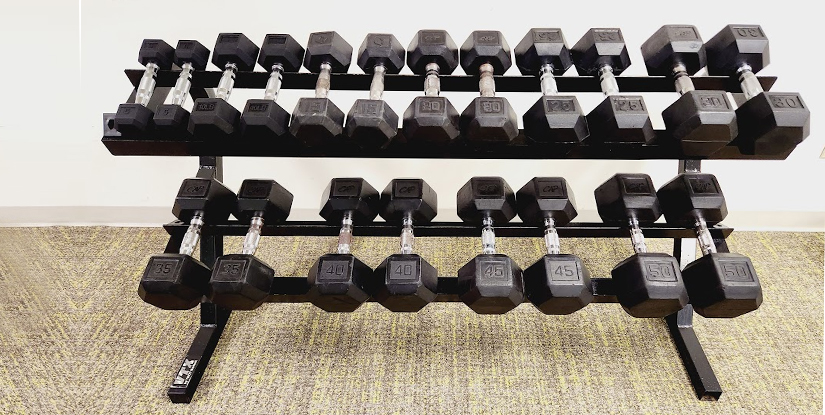
Procurement officers at commercial fitness facilities often encounter a recurring frustration: the premature degradation of rubberized weights. Whether it is the unravelling of a coating or a sudden unpleasant odor permeating a training floor, these issues are rarely isolated incidents. Instead, they are systemic symptoms of inconsistent manufacturing processes. For a buyer, selecting the right partner among various Rubber Dumbbell Manufacturers is not merely about price-per-unit, but about understanding the structural integrity and chemical stability of the finished product. This guide dissects the 0→1 manufacturing lifecycle to provide the technical benchmarks required for rigorous quality assurance.
The Core Material Science of Dumbbell Encapsulation
Before a single mold is cast, the selection of raw elastomers dictates the entire lifespan of the dumbbell. A common mistake in lower-tier production is the use of recycled scrap rubber with high impurity levels, which leads to brittle shells and uneven weight distribution. High-quality manufacturers focus on the chemical composition of the polymer and the additive package.
Polyurethane vs. Neoprene vs. Natural Rubber
The choice between these materials involves trade-offs in durability, impact resistance, and scent. While natural rubber offers excellent shock absorption, it is susceptible to oxidation and ozone degradation. Polyurethane, often used in high-end commercial settings, provides superior abrasion resistance but requires a much more precise chemical bond to the internal metal core. Understanding these material properties allows a buyer to predict how a product will react to environmental stressors like UV exposure or humidity.
| Material Type | Durability Profile | Primary Advantage | Common Failure Mode |
|---|---|---|---|
| Virgin Neoprene | Moderate | Excellent tactile feel | Cracking under extreme temperature shifts |
| Polyurethane (PU) | High | Minimal wear, high density | Delamination from metal core if improperly primed |
| Recycled SBR | Variable | Cost-effective | Strong odor and inconsistent density |
Selecting the appropriate base polymer is the first critical decision in the supply chain, a prerequisite for the complex molding processes that follow.
Phase 1: Metal Core Fabrication and Tolerance Control
While the focus is often on the rubber, the internal metal core serves as the structural skeleton. If the core is off-spec, no amount of high-quality rubber can fix the imbalance. Manufacturers must ensure the core's weight precisely matches the target specification before encapsulation begins.
Precision Casting and Weight Uniformity
The metal centers are typically cast from iron or steel. A significant technical challenge involves the volumetric consistency of these centers. If one side of a dumbbell core is even slightly heavier than the other, the resulting product will be unbalanced, leading to user fatigue and potential injury. A professional manufacturer will utilize calibrated scales and precision molds to ensure the deviation is within a negligible margin.
Anti-Corrosion Priming Techniques
The interface between the metal and the rubber is a primary failure point. If the metal is not treated, moisture can seep into the rubber, causing the core to rust and expand, which ultimately ruptures the outer shell. Effective manufacturers employ advanced coatings such as zinc plating or specialized epoxy primers to create a hermetic seal at the contact point. This step is non-negotiable for equipment intended for high-humidity environments like commercial gyms.
Once the metal core is stabilized and treated, the facility can move to the actual encapsulation stage, where the rubber meets the metal.
Explore the complete technical specifications:
Phase 2: The Injection and Compression Molding Process
The transition from liquid or semi-solid rubber to a finished dumbbell shape occurs through highly controlled thermal cycles. This is the most technically demanding phase of production, where the Rubber Dumbbell Manufacturers must manage heat, pressure, and time with extreme precision.
Injection Molding for Uniform Density
In injection molding, the rubber compound is injected into a pre-heated mold at high pressure. This method is preferred for achieving a smooth surface finish and a consistent, high-density shell. However, the pressure must be perfectly calibrated; insufficient pressure results in air pockets or "voids," which weaken the dumbbell and cause it to feel uneven during use. Conversely, excessive pressure can deform the mold and lead to dimensional inaccuracies.
Compression Molding for Impact Resilience
Compression molding is often utilized for larger, heavier dumbbells. While it may result in a slightly more textured surface, it is exceptionally effective at creating a durable, shock-absorbent shell. The key parameter here is the "cure time." If the rubber is not cured long enough at the correct temperature, the chemical cross-linking will be incomplete, resulting in a soft or tacky surface that attracts dust and grime.
Effective management of these molding parameters ensures a product that is both aesthetically pleasing and structurally sound, setting the stage for final quality checks.
Explore the complete technical specifications:
Phase 3: Critical Quality Control and Defect Identification
Even with advanced machinery, human error or material variance can introduce defects. A rigorous QC protocol must look beyond visual aesthetics to evaluate the structural integrity of the weight. Buyers should request documentation regarding the manufacturer's internal testing standards.
Identifying Common Manufacturing Flaws
A trained inspector will look for specific technical red flags that indicate a substandard production run. These flaws are often invisible at a glance but become apparent during heavy usage.
- Delamination: The separation of the rubber from the metal core, often caused by poor priming or inadequate curing.
- Surface Porosity: Small holes or pits in the rubber surface, typically a sign of trapped air or insufficient injection pressure.
- Odor Volatility: A strong, chemical scent indicating the presence of low-grade fillers or unreacted chemicals within the polymer.
- Dimensional Deviation: Inconsistent sizing between dumbbells of the same weight class, indicating poor mold maintenance.
By understanding these failure modes, procurement teams can better evaluate the reliability of a supplier's batch through sample testing.
Explore the complete technical specifications:
Core Certification Systems for Professional Fitness Equipment Manufacturers
Standard Operating Procedures for Post-Production Inspection
After the dumbbells have exited the mold, they enter the final validation stage. This is where the theoretical weight is compared against the actual weight to ensure compliance with international standards.
| Inspection Type | Methodology | Acceptable Tolerance | Required Action on Failure |
|---|---|---|---|
| Mass Verification | Precision digital scale testing | ±1-2% of target weight | Re-sort or reject batch |
| Surface Hardness | Durometer testing | Fixed Shore A range | Review curing temperature logs |
| Visual Integrity | High-intensity light inspection | Zero visible voids/cracks | Immediate batch quarantine |
A meticulous inspection routine is the final barrier between a high-quality shipment and a logistical headache, ensuring that only the best products reach the gym floor.
Explore the complete technical specifications:
Operational Longevity and Maintenance Best Practices
Once the product has successfully cleared the manufacturer's QC and reached the end-user, the focus shifts from production to preservation. Even the highest-quality dumbbells from top-tier Rubber Dumbbell Manufacturers require specific handling to maintain their properties.
Environmental Control and Storage
Temperature fluctuations are the greatest enemy of rubberized equipment. Rapid cycling between extreme heat and cold can cause the polymer to expand and contract at a different rate than the metal core, leading to structural failure. Operators should ensure that weight storage areas are climate-controlled and away from direct sunlight to prevent UV-induced degradation and oxidation.
Cleaning and Chemical Sensitivity
A common mistake in facility management is the use of harsh, solvent-based cleaners on rubber surfaces. These chemicals can strip the essential oils and protective layers from the elastomer, leaving the surface brittle and prone to cracking. Instead, use a pH-neutral solution and a soft microfiber cloth. This simple procedural change significantly extends the life of the equipment and maintains the premium feel of the product.
Implementing these maintenance protocols ensures that the technical rigor applied during the manufacturing process is not wasted through poor facility management.
Explore the complete technical specifications:
Strategic Sourcing: Evaluating Long-Term Manufacturer Capability
The final step in the procurement lifecycle is the assessment of the manufacturer's long-term viability. A supplier that can produce a single high-quality batch is not necessarily a partner capable of maintaining that standard across multi-year contracts.
Audit Checklists for Professional Buyers
When conducting a vendor audit or evaluating a sample, move beyond the surface. A truly professional manufacturer will provide transparency into their chemical sourcing and their machine maintenance schedules. Look for the following indicators of a robust manufacturing operation:
- Material Transparency: Can they provide a Material Safety Data Sheet (MSDS) for the rubber compound used?
- Machine Calibration Logs: Do they maintain documented schedules for the maintenance of their injection and compression molds?
- Batch Traceability: Can they trace a specific unit back to a specific production run and raw material lot?
- Standard Compliance: Does their process align with recognized quality management systems, such as ISO standards?
By focusing on these deep technical indicators, buyers can move from reactive purchasing to strategic, long-term equipment management.