

The Role of Commercial Weight Lifting Equipment Manufacturers in the Industry
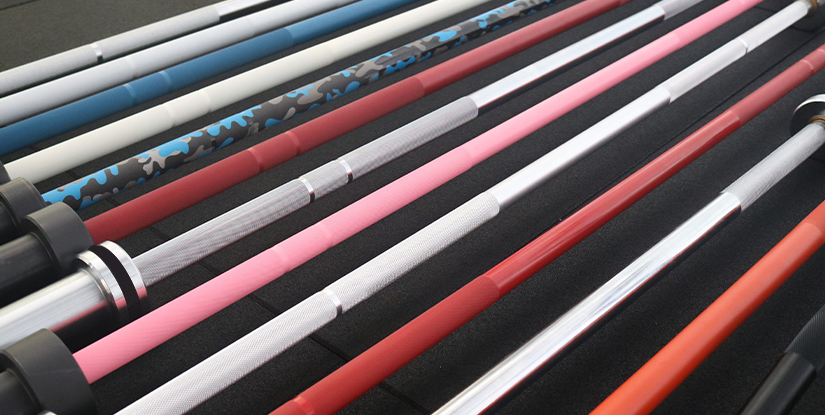
The Lifecycle of Commercial Strength Equipment Production
Understanding the role of commercial weight lifting equipment manufacturers in the industry requires a view of the entire product lifecycle, from raw material sourcing to final deployment in high-traffic fitness facilities. Unlike consumer-grade fitness goods, commercial equipment must withstand rigorous, multi-shift usage cycles. The manufacturing process is not merely about assembly but about engineering durability and long-term ROI for facility operators.
A typical lifecycle begins with material specification and ends with decommissioning. Within this framework, the manufacturer acts as the technical foundation, ensuring that every component—from the structural steel of a power rack to the bearings in a cable machine—meets high-stress tolerances. A failure to understand these phases often leads to premature equipment failure and increased operational costs for gym owners.
- Phase 1: Material Sourcing & Specification: Selection of high-grade steel and industrial coatings.
- Phase 2: Precision Fabrication: CNC cutting, bending, and welding of structural components.
- Phase 3: Component Integration: Assembly of moving parts, bearings, and pulley systems.
- Phase 4: Quality Assurance (QA): Stress testing and tolerance verification.
- Phase 5: Deployment & Maintenance: Installation and routine calibration.
As we move from the broad lifecycle overview into the specific technicalities of material selection, it becomes clear that the quality of the raw input determines the longevity of the output.
Strategic Material Selection and Structural Integrity
The reliability of heavy-duty lifting machines depends heavily on the metallurgical properties of the components used. Commercial weight lifting equipment manufacturers focus on material selection to mitigate the risk of structural fatigue and oxidation. A common pain point for facility managers is the rapid degradation of equipment in humid or high-use environments, often caused by sub-par steel grades or insufficient coating thickness.
High-Tensile Steel and Frame Construction
For structural frames, manufacturers typically utilize high-tensile carbon steel. The thickness of the steel tubing is a critical specification that differentiates commercial-grade gear from residential versions. While residential racks might use 14-gauge steel, commercial-grade structures frequently utilize 11-gauge or even 7-gauge steel to ensure stability under heavy loads. The goal is to prevent frame bowing or catastrophic structural failure during maximal lifts.
Surface Finishes and Corrosion Resistance
Beyond the internal structure, the exterior must be protected. The choice between powder coating and electroplating determines how the equipment responds to sweat, cleaning agents, and environmental humidity. A common mistake in procurement is overlooking the micron thickness of the powder coating, which can lead to premature chipping and rust.
| Material Component | Standard Requirement | Common Failure Mode | Verification Method |
|---|---|---|---|
| Structural Frame | High-tensile 11-gauge steel | Frame bowing under load | Load-bearing stress test |
| Surface Finish | Industrial-grade powder coating | Rust and chipping | Micron thickness gauge check |
| Bearing Assemblies | Sealed industrial ball bearings | Friction buildup/noise | Rotation smoothness test |
| Upholstery | High-density foam + heavy-duty vinyl | Tearing or compression set | Compression recovery test |
By prioritizing these material standards, manufacturers provide a baseline of safety that prevents costly replacements. This focus on the physical properties of the machine leads directly into the precision required during the fabrication phase.
Precision Fabrication: The Core of Mechanical Reliability
Having established the necessary raw materials, the manufacturing process transitions into the fabrication stage. This is where the structural integrity of the steel is realized through precision cutting and specialized welding techniques. The primary technical challenge here is ensuring that all components align perfectly to prevent mechanical friction and uneven wear.
CNC Machining and Tolerance Control
In high-end manufacturing, CNC (Computer Numerical Control) machines are used to ensure that every hole, notch, and attachment point is identical. Strict tolerance controls—often within fractions of a millimeter—are necessary to ensure that adjustable components, such as barbell pins or weight horns, fit securely without wobbling. A lack of precision at this stage results in 'rattling' or 'play' in the machine, which can be both a nuisance and a safety hazard.
Structural Welding and Fatigue Resistance
Welding is perhaps the most critical sub-process in the fabrication of commercial strength equipment. Manufacturers must use advanced welding techniques, such as TIG (Tungsten Inert Gas) or high-output MIG (Metal Inert Gas), to ensure deep penetration and high strength. Poorly executed welds are a frequent cause of catastrophic failure in heavy-duty lifting equipment, especially on high-impact zones like barbell pegs or pull-up bars.
- The Problem: Structural cracking at weld points.
- The Cause: Insufficient weld penetration or thermal stress during the welding process.
- The Fix: Implementation of standardized welding protocols and regular X-ray or ultrasonic inspection.
- The Verification: Visual inspection for bead consistency and weight-load endurance testing.
Once the frame and components are flawlessly fabricated, the focus shifts to the mechanical systems that allow for smooth movement.
Explore the complete technical specifications:
Best Commercial Gym Equipment Manufacturers | Technical Guide
The Complexity of Mechanical Assembly and Motion Control
The transition from a static frame to a functional machine occurs during the assembly phase. This stage is where the manufacturer integrates the complex moving parts—pulleys, cables, and bearings—that define the user experience. Errors during this stage often manifest as 'jerky' movement or resistance inconsistencies, which can negatively impact a lifter's form and safety.
Cable Systems and Pulley Dynamics
Cable-based machines rely on the synergy between the steel cable and the pulley wheels. Commercial-grade equipment typically uses aircraft-grade, nylon-coated steel cables to minimize fraying. The pulleys themselves must feature high-quality bearings to ensure low-friction rotation. If the pulleys are poorly manufactured, they will generate heat and noise, eventually leading to cable snapping or machine seizure.
Bearing Precision and Smooth Resistance
A well-designed machine should offer a 'smooth' resistance profile. This is achieved by using precision-ground bearings that can handle both radial and axial loads. In many commercial settings, the failure to specify high-grade bearings leads to an increase in maintenance requests as machines become noisier and harder to move over time.
| Component | Critical Specification | Operational Impact |
|---|---|---|
| Steel Cable | Nylon-coated aircraft cable | Reduces friction and cable wear |
| Pulley Wheel | High-density nylon or aluminum | Ensures smooth path of travel |
| Bearings | Sealed precision bearings | Red-line durability and low noise |
| Adjustment Pins | Hardened steel with safety lock | Prevents unintended weight drops |
Achieving this level of mechanical sophistication requires a rigorous final checkpoint, ensuring that the built machine matches the engineered design.
Rigorous Quality Assurance and Stress Testing Protocols
The assembly of high-performance parts is only useful if those parts are verified to function as intended under extreme conditions. Quality assurance (QA) is the final gatekeeper in the manufacturing process, where theoretical strength meets practical testing. The goal is to identify any latent defects—such as weak welds or imbalanced parts—before the equipment reaches a commercial facility.
Load-Bearing and Endurance Testing
Manufacturers must subject their equipment to repeated load cycles to simulate years of commercial use. This includes both static load testing (applying a constant weight) and dynamic load testing (simulating the impact of dropping weights). For example, a weight plate tree must be tested for its ability to handle sudden weight shifts without tipping or fracturing. Without these tests, manufacturers risk high liability and brand damage.
Tolerance and Alignment Verification
A secondary layer of QA involves checking the geometric accuracy of the equipment. This includes verifying that the resistance profile of a cable machine remains consistent throughout its full range of motion and that all adjustable parts lock into place with precision. A common failure mode at this stage is 'out-of-alignment' movement, which can cause uneven wear on cables and pulleys.
- Actionable Check: Verify that all adjustment mechanisms have a positive, tactile 'click' and lock securely.
- Actionable Check: Observe the machine through its full range of motion to check for any erratic resistance.
With the quality of the physical unit verified, the manufacturer's role expands into the long-term reliability and maintenance of the product in the field.
Maximizing Equipment Longevity through Operational Excellence
The role of a manufacturer extends beyond the factory floor and into the lifecycle of the equipment's use. For commercial operators, the focus shifts from the manufacturing process to the maintenance protocols required to sustain the investment. Longevity is not just a byproduct of good manufacturing; it is a result of proactive operational management.
Routine Maintenance and Inspection Checklists
Even the most robustly manufactured equipment requires periodic care. High-traffic environments necessitate a regular cadence of inspections to identify wear before it becomes a safety hazard. Facility managers should maintain a log of all mechanical parts, particularly cables, upholstery, and bearings, as these are the components most susceptible to environmental and usage-based wear.
Predictive vs. Reactive Maintenance Strategies
To optimize ROI, operators should move from reactive maintenance (fixing things when they break) to predictive maintenance (replacing parts based on usage cycles). For example, replacing a cable after a certain number of cycles—rather than waiting for it to fray—prevents unexpected downtime and potential injuries. This proactive approach is a direct reflection of the manufacturer's design for serviceability.
| Maintenance Task | Frequency (Commercial) | What to Look For |
|---|---|---|
| Cable Inspection | Monthly | Fraying, kinking, or coating loss |
| Bolt & Fastener Check | Quarterly | Loose bolts or structural shifting |
| Bearing Lubrication | Bi-Annually | Squeaking or increased friction |
| Upholstery Check | Monthly | Cracks, tears, or foam compression |
Understanding these maintenance needs allows operators to better align with the manufacturer's original design intent, ensuring the equipment reaches its full expected lifespan.
The Economic Dynamics of Commercial Equipment Procurement
As we look at the broader industry, the role of manufacturers is also defined by their ability to navigate global economic shifts and material cost fluctuations. For a procurement specialist, understanding these macro-trends is essential for budgeting and long-term facility planning.
Impact of Raw Material Volatility
The price of high-grade steel and industrial coatings is subject to global market volatility. When steel prices rise, manufacturers may face a choice: absorb the cost or pass it on to the consumer. Professional buyers should be aware that sudden, large-scale procurement orders are often more cost-effective if timed with stable material cycles, and they should always ask about the manufacturer's raw material sourcing stability.
The Evolution of Design and Technology
The industry is seeing a shift toward more technologically integrated equipment. While traditional mechanical strength remains the core, the integration of digital tracking, smart resistance systems, and ergonomic refinements is becoming a standard. This technological evolution requires manufacturers to be more than just metalworkers; they must also be software and electronics-capable organizations.
As these trends continue to shape the landscape, the fundamental principles of manufacturing—material quality, precision, and rigorous testing—remain the true pillars of a successful commercial fitness environment.