

Procuring Dumbbells From China: A Technical Sourcing and Quality Guide
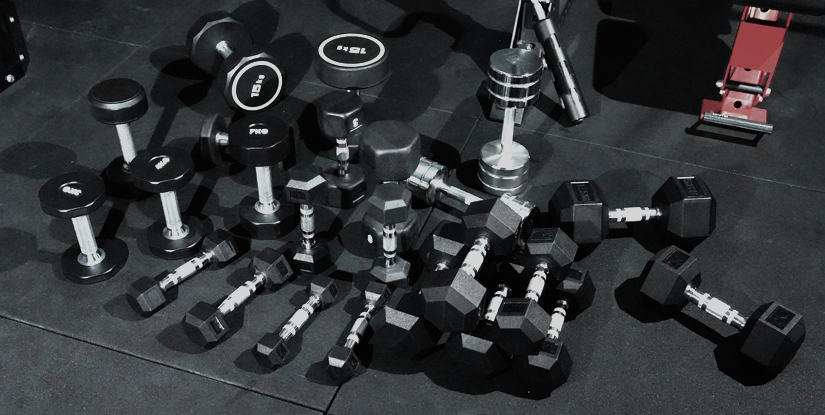
Navigating the Complexity of Sourcing Dumbbells From China
Procuring high-quality strength training equipment requires a shift from consumer-level purchasing to industrial-grade technical evaluation. When sourcing Dumbbells From China, the primary challenge is not the availability of products, but the massive variance in manufacturing standards across different production facilities. A buyer might encounter a factory specializing in high-end rubber-encased dumbbells for premium commercial gyms, while another might only produce low-tolerance cast iron sets for budget home use. This disparity in quality directly impacts the long-term durability of the equipment and the safety of the end-users.
To avoid the common pitfall of receiving inconsistent weight distributions or premature surface degradation, an operator must establish a rigorous set of technical benchmarks before a single purchase order is finalized. This guide focuses on the physical properties, material compositions, and quality control protocols necessary to ensure that your procurement process yields professional-grade equipment. Understanding these foundational elements is the first step toward building a reliable supply chain for strength training assets.
Understanding the Primary Manufacturing Tiers
Before evaluating specific technical specs, it is critical to recognize that the market is segmented by production technology. High-tier manufacturers utilize automated casting and precision CNC machining, whereas lower-tier facilities often rely on manual labor for finishing processes, leading to higher error rates in dimensional accuracy.
| Feature | Tier 1: Commercial Grade | Tier 2: Semi-Commercial | Tier 3: Consumer/Budget |
|---|---|---|---|
| Weight Tolerance | ±1% to 1.5% | ±3% to 5% | ±5% or higher |
| Coating Precision | Automated injection/high-grade rubber | Manual dip/polyurethane | Basic paint or thin neoprene |
| Handle Durability | Knurling depth consistency | Variable knurling | Soft/shallow knurling |
| Core Construction | Solid steel/precision cast iron | Standard cast iron | Composite/filled shells |
Recognizing these tiers allows a buyer to align their budget with the intended use case. Once the appropriate tier is identified, the next logical step is to examine the specific material compositions that dictate the longevity of the product.
Material Selection and Dimensional Tolerances in Dumbbell Production
A fundamental error in procurement is focusing solely on the nominal weight while ignoring the material integrity of the dumbbell core and exterior. The durability of Dumbbells From China depends heavily on the quality of the cast iron, the density of the rubber, and the grade of the steel used for the handles. If the metal core is brittle or the weight distribution is asymmetrical, the equipment becomes a liability during high-intensity training.
The Criticality of Weight Accuracy and Balance
In a professional setting, weight accuracy is not merely a preference; it is a safety requirement. Asymmetrical weight distribution—where one side of the dumbbell is significantly heavier than the other—can lead to uneven muscle recruitment and increased injury risk. Professionals should demand a technical specification sheet that explicitly states the manufacturer's maximum allowable weight deviation.
- Cast Iron Quality: Ensure the iron is free from large air pockets or inclusions that can lead to structural failure under impact.
- Rubber Density: For rubber-coated dumbbells, verify that the rubber is high-density and vulcanized to prevent cracking or peeling over time.
- Steel Handle Grade: The center rod should be made of high-tensile steel to prevent bending under heavy loads.
Beyond the core materials, the interface between the user and the equipment—the handle—must meet strict ergonomic standards. This leads us to the technical nuances of knurling and grip-to-weight ratios.
Knurling Standards and Handle Ergonomics
The knurling on a dumbbell handle is the primary mechanism for grip security. A common mistake is accepting a handle that is either too smooth (leading to slips during perspiration) or too aggressive (causing skin abrasions). A professional-grade dumbbell should feature a consistent, medium-depth knurling that remains intact even after heavy use.
To verify the quality of the handle, operators should check for a uniform pattern along the entire length of the grip. Any variation in the spacing of the knurl pattern is a sign of substandard machining. Furthermore, the transition from the handle to the weight head must be seamless to prevent any snagging during movement. A smooth transition is a hallmark of high-precision manufacturing.
Surface Finishes and Environmental Resistance
The method by which a dumbbell is finished determines how well it survives the rigors of a commercial or home gym environment. Whether the product is coated in neoprene, urethane, or rubber, the application process must be robust enough to withstand physical impact and chemical exposure from cleaning agents.
Comparing Common Surface Coatings
Different coating technologies serve different operational needs. Selecting the wrong coating for your environment can lead to rapid degradation and high replacement costs.
| Coating Type | Pros | Cons | Best Use Case |
|---|---|---|---|
| Neoprene | Soft feel, budget-friendly | Prone to tearing and odors | Home gyms / Light usage |
| Urethane | Extremely durable, non-toxic | Higher cost, harder feel | High-traffic commercial gyms |
| Rubber (Vulcanized) | Impact absorption, noise reduction | Can be heavy, requires maintenance | Standard weight rooms |
| Painted Cast Iron | Low cost, compact size | No impact protection, rust risk | Traditional weight rooms |
When inspecting a shipment, a common failure mode is the presence of 'bubbling' or peeling in the coating. This is often caused by improper surface preparation before the coating is applied. If the coating is not chemically bonded to the core, it will eventually fail under physical stress.
Evaluating the surface finish is only part of the process; a comprehensive audit must also include the dimensional accuracy of the weights themselves to ensure a standardized rack system can be utilized.
Explore the complete technical specifications:
Chinese Dumbbells | OEM Hex, Rubber & Urethane Weights from China
Dimensional Accuracy and Rack Compatibility
A frequent logistical headache for gym owners is the discovery that their new dumbbells do not fit their existing storage solutions. This occurs when the diameter of the weight heads or the length of the handles deviates from standard industry dimensions. When sourcing Dumbbells From China, you must treat the overall dimensions as a critical specification.
Standardizing Dimensions for Efficient Storage
To prevent the need for expensive rack replacements, buyers should request the maximum and minimum diameter measurements for every weight class. For example, a 5kg dumbbell and a 30kg dumbbell should follow a predictable scale in diameter to ensure they fit into standard A-frame or vertical racks.
- Diameter Check: Use a digital caliper to measure the widest point of the weight head.
- Length Verification: Measure the total length from end to end to ensure they fit within the designated footprint of your gym floor.
- Handle Diameter: Ensure the grip diameter is consistent across the entire set to maintain training ergonomics.
If the diameters vary too wildly, it can cause instability in the rack, leading to potential equipment spills. This brings us to the essential process of pre-shipment inspection and how to verify these metrics in a controlled setting.
Explore the complete technical specifications:
Gym Dumbbell Manufacturers: Commercial Quality, Precision & Durability
Pre-Shipment Inspection: The Professional Checklist
The most effective way to mitigate the risk of receiving substandard equipment is to implement a rigorous pre-shipment inspection (PSI). Waiting until the container arrives at your facility is too late to rectify issues with weight accuracy or surface defects. A professional inspection should be conducted by a third party or a highly trained internal quality control officer.
The Five-Point Inspection Protocol
The following checklist provides a structured approach for verifying the quality of a production batch before it leaves the factory floor.
- Visual Audit: Inspect 10% of the batch for color consistency, surface scratches, or coating bubbles.
- Weight Calibration: Use a calibrated digital scale to test at least five dumbbells from each weight category. The deviation should not exceed the agreed-upon ±1.5% for commercial grade.
- The 'Shake' Test: Securely hold a dumbbell and shake it near your ear. Any rattling sound indicates loose internal components or poor casting, which is a major failure mode.
- Knurling Consistency: Run a finger along the handle to check for sharp edges or inconsistent patterns.
- Dimensional Verification: Use calipers to confirm the diameter and length match the provided technical data sheets.
By following this protocol, you move from a position of passive acceptance to active quality management. Once the goods are received and verified, the final stage involves establishing a long-term maintenance routine to preserve the investment.
Explore the complete technical specifications:
Operational Maintenance and Longevity Strategies
Even the highest quality dumbbells require a structured maintenance plan to ensure their lifespan is maximized. Neglecting the care of your strength equipment can lead to premature rusting, coating failure, and a diminished user experience.
Preventing Corrosion and Surface Degradation
Corrosion is the primary enemy of cast iron and steel-core dumbbells. Even with a coating, moisture can penetrate the surface, especially in high-humidity gym environments. To maintain the integrity of your equipment, implement the following operational guidelines:
- Moisture Control: Never store dumbbells in areas prone to standing water. Always wipe down equipment after use if it is visibly damp with perspiration.
- Chemical Sensitivity: Avoid using abrasive cleaning agents on rubber or neoprene-coated weights, as these can strip the protective layer.
- Impact Management: While rubber coating provides protection, dropping dumbbells from heights can still cause internal cracks or structural fatigue.
Regularly checking for signs of wear, such as minor cracks in the rubber or fading of the finish, allows you to address small issues before they become expensive replacements. A well-maintained set of equipment not only looks better but also provides a safer, more consistent training environment for all users.
Explore the complete technical specifications:
Dumbbell 5kg: Commercial Specifications, Usage, and Procurement
Future Trends in Strength Equipment Manufacturing
As the industry evolves, the manufacturing processes for strength equipment are becoming increasingly sophisticated. We are seeing a move toward more sustainable materials and advanced manufacturing techniques that offer even tighter tolerances. For professionals sourcing Dumbbells From China, staying informed about these shifts is vital for long-term procurement strategy.
The Rise of Smart and High-Precision Equipment
The next generation of strength training includes integrated technology, such as dumbbells with built-in sensors for tracking reps and load. While these are specialized products, the precision engineering required for them is setting a new baseline for the entire industry. Furthermore, there is an increasing emphasis on eco-friendly coatings and recycled steel, reflecting a global shift toward sustainable gym operations. By understanding both the current technical standards and the future direction of the industry, you can make more informed decisions that support both your immediate needs and your long-term business growth.