

Optimizing Durability and Performance of Olympic Plates Rubber
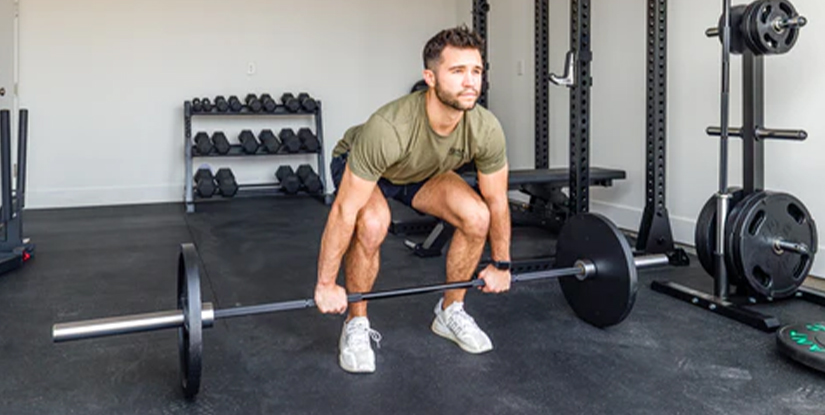
The Misconception of Uniform Rubber Density
A common fallacy in gym procurement is the assumption that all rubberized weight plates are manufactured to the same density and durability standards. Operators often encounter a significant performance gap between high-grade bumper plates and budget-tier alternatives, leading to premature cracking or uneven bouncing. The core of this issue lies in the chemical and physical composition of the Olympic Plates Rubber coating used to protect the internal steel or high-density core.
When rubber is insufficiently vulcanized or utilizes high levels of recycled fillers without proper binding agents, it suffers from thermal instability and impact fatigue. This results in a plate that may look identical to a premium version on a shelf but fails under the high-velocity impact of a standard barbell drop. Understanding these material nuances is the first step in selecting equipment that survives high-traffic commercial environments.
| Material Type | Typical Density | Impact Resistance | Durability Profile |
|---|---|---|---|
| Virgin Butyl Rubber | High | Excellent | Long-term structural integrity; minimal odor. |
| Recycled SBR Blend | Moderate | Good | Cost-effective; prone to surface wear over time. |
| Low-Grade Fillers | Variable | Poor | High risk of cracking and uneven weight distribution. |
By recognizing these density profiles, facility managers can move from reactive purchasing to strategic procurement. This foundational knowledge of material science prepares us to evaluate the specific mechanical properties required for different training modalities.
Analyzing Impact Dynamics and Rebound Consistency
Following the realization that material density is not uniform, one must address how these variations affect the physical behavior of the weight during a lift. A primary pain point for strength coaches is inconsistent rebound—where one plate bounces predictably while another exhibits erratic, high-velocity oscillations. This unpredictability is a direct consequence of the elastic modulus of the rubber coating.
The Science of Energy Dissipation
High-quality Olympic plates are designed to dissipate kinetic energy through controlled deformation. In a professional setting, an ideal plate absorbs the impact and returns to its original shape almost instantaneously without excessive oscillation. If the rubber is too hard, the energy is transferred back into the barbell, increasing the risk of equipment damage; if it is too soft, the plate may suffer from permanent deformation or 'flat spots' over time.
- Energy Absorption: The ability to dampen the shock of a dropped barbell.
- Elastic Recovery: The speed at which the material returns to its original geometry.
- Consistency: The uniformity of the bounce across different weight increments.
Operators should test for these properties by performing controlled drops of varying weight increments. A consistent rebound height across different plate sizes indicates a high level of manufacturing control. This stability in physics is vital before assessing the long-term maintenance needs of the equipment.
Explore the complete technical specifications:
Best Bumper Weights: Elite Olympic Plates for Serious Lifters
Selection Criteria for High-Volume Facilities
Once the physics of impact are understood, the focus shifts to the decision-making process for procurement. Choosing the wrong specifications can lead to high replacement costs and dissatisfied clients. The primary conflict often arises between initial capital expenditure and total cost of ownership. While budget rubber plates appear attractive, the lifecycle cost is frequently higher due to rapid degradation.
To make an informed decision, operators must evaluate the technical specifications beyond the mere weight label. This includes checking for UV resistance, chemical stability (resistance to cleaning agents), and the precision of the center hole diameter. A loose fit in the center hole can cause the plate to rattle, which eventually creates micro-cracks in the rubber casing.
Verification Checklist for Buyers
Before finalizing a bulk order, utilize the following checklist to verify product quality:
- Shore Hardness Test: Does the rubber meet the specified hardness range for its intended use?
- Odor Profile: Is there a heavy chemical scent that indicates high levels of unreacted volatiles?
- Weight Tolerance: Does the plate fall within a ±1% to ±2% weight deviation?
- Surface Uniformity: Is the texture consistent across the entire circumference?
Adhering to these criteria ensures that the equipment purchased today will not become a maintenance liability tomorrow. Effective selection sets the stage for a structured maintenance regimen.
Explore the complete technical specifications:
Weight Wholesalers | Bulk Olympic Plates & Kettlebells for Gyms
Maintenance Protocols for Rubberized Weight Plates
The longevity of your investment depends heavily on how the equipment is treated after it leaves the loading area. Even the highest quality Olympic Plates Rubber requires specific care to prevent environmental degradation. Neglecting these small procedural details often leads to the 'cracking' phenomenon that many gym owners misinterpret as a manufacturing flaw.
Temperature fluctuations are a major cause of rubber failure. In facilities with inadequate climate control, extreme heat can soften the rubber, making it susceptible to compression set, while extreme cold makes it brittle and prone to impact cracking. Maintenance is not just about cleaning; it is about environmental management and mechanical inspection.
Daily and Monthly Inspection Routine
A structured inspection cadence prevents small issues from becoming catastrophic failures. Use the following table as a guide for your facility staff:
| Inspection Frequency | Action Item | Failure Mode to Watch For |
|---|---|---|
| Daily | Visual Wipe-down | Accumulation of sweat or dust (causes slip). |
| Weekly | Surface Inspection | Visible cracks or peeling of the rubber edge. |
| Monthly | Dimensional Check | Thickness changes or 'flat spotting' of the profile. |
| Quarterly | Odor/Chemical Check | Changes in smell indicating material breakdown. |