

Optimizing Facility Value Through Custom Gym Design and Implementation
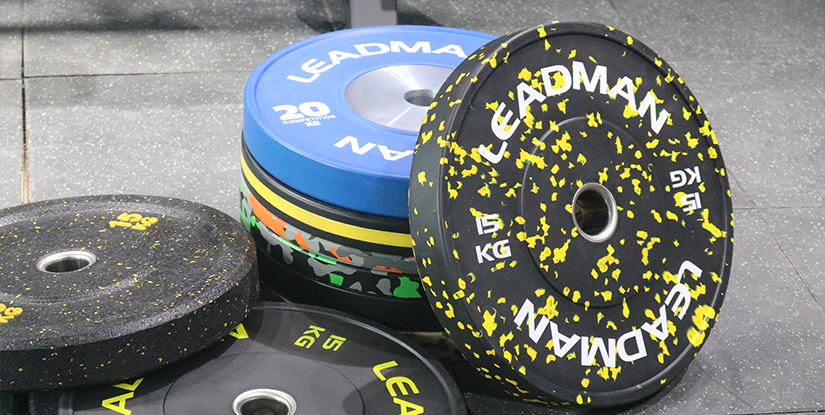
The modern fitness landscape has shifted from generic, high-volume training environments toward highly specialized, niche-driven spaces. For facility operators, the primary challenge is no longer just providing equipment, but rather delivering a specific brand promise through physical infrastructure. Customization is the bridge between a standard fitness center and a destination facility. This guide explores how technical precision in procurement and design creates a high-value, unique member experience.
Defining Technical Differentiation in Facility Layout and Equipment Selection
Before a single piece of equipment is ordered, an operator must establish the technical baseline of their facility's unique selling proposition (USP). A generic gym focuses on maximizing the number of machines per square meter, whereas a custom gym focuses on the synergy between equipment geometry, user flow, and specialized training requirements. The failure to differentiate often results in a 'commodity trap' where the facility competes solely on price rather than value.
When selecting a direction, operators must choose between broad-spectrum versatility and deep-niche specialization. While versatility attracts a wider demographic, specialization builds intense loyalty through expert-level utility. Below are the primary selection criteria for defining a facility's technical identity.
| Selection Criteria | Generic Model Approach | Custom/Specialized Model Approach |
|---|---|---|
| Equipment Focus | Broad, multi-purpose machines | Niche-specific, high-performance tools |
| Space Utilization | Maximum density/unit count | Optimized user flow and zone differentiation |
| Target Demographic | extGeneral population/Mass market | High-intent athletes/Specialized enthusiasts |
| Revenue Driver | Membership volume | Premium tier subscriptions and specialized coaching |
Defining these parameters early prevents the logistical nightmare of mismatched equipment and specialized training programs. Once the technical identity is established, the focus must shift to the physical constraints of the space.
Mitigating Flooring and Subfloor Engineering Failures
A common mistake in high-end facility design is overlooking the subfloor's structural capacity in favor of aesthetics. A unique member experience is immediately compromised if the environment is uncomfortably loud, vibrates excessively, or suffers from uneven surfaces. This is especially critical in custom gyms that incorporate heavy deadlift platforms or high-impact plyometric zones.
The interaction between dropped weights and the building's structural integrity is a technical problem that requires a multi-layered solution. Failure to address this leads to cracked subfloors, damaged structural beams, and noise complaints from adjacent tenants.
Flooring Specification Checklist
- Impact Absorption: Determine the coefficient of restitution for heavy weight zones to prevent structural shock.
- Acoustic Decoupling: Implement rubberized underlayment or floating floor systems to dampen low-frequency vibration.
- Material Hardness (Durometer): Ensure the top layer is sufficiently dense to resist indentation from heavy steel plates.
- Surface Friction: Verify that the coefficient of friction is high enough for safety during high-intensity movement but low enough to prevent skin abrasion.
After securing the foundation, the operator must address the most visible component of the facility: the machinery itself.
Explore the complete technical specifications:
Custom Gyms: Design, Equipment Specification, and Facility Planning
Technical Precision in Specialized Strength Training Equipment
A unique member experience is often a direct result of the tactile and mechanical quality of the equipment. In a custom gym, members expect more than just functionality; they expect precision. This means looking beyond simple brand recognition and into the mechanical tolerances of the machine's components, such as the pulley systems, bearing quality, and frame stiffness.
For example, a high-end strength training station should exhibit minimal lateral movement under heavy load. If a machine exhibits significant 'play' or vibration during use, it signals poor engineering and diminishes the perceived value of the membership.
Comparing Mechanical Component Quality
| Component Type | Standard Commercial Grade | Custom/High-Performance Grade |
|---|---|---|
| Pulley System | Single nylon cord/standard plastic pulley | High-tensile steel cable/precision ball bearings |
| Weight Stack Guide | Basic guide rods with light bushings | Precision-ground steel rods with high-lubricity bushings |
| Frame Construction | Standard thin-walled steel tubing | Heavy-gauge, reinforced structural steel |
When the equipment operates with precision, it elevates the entire training session. However, even the highest-quality machinery requires a rigorous maintenance protocol to maintain this standard.
Explore the complete technical specifications:
The Benefits of Factory-Direct Customization for Gyms | Optimize Layout
Implementing a Predictive Maintenance Schedule for High-End Assets
The fastest way to erode a premium member experience is through equipment downtime. In a custom gym, where the equipment is often the primary reason members join, an 'out of order' sign is a significant brand failure. Standard reactive maintenance—fixing things after they break—is insufficient for specialized facilities.
Operators must move toward a predictive and preventative maintenance model. This involves scheduled inspections of high-wear components such as cables, upholstery, and pivot points before they reach the end of their functional life.
The Quarterly Inspection Protocol
A professional operator should execute a structured inspection every 90 days. This is not a mere visual check but a technical audit of the machinery's mechanical integrity.
- Cable Integrity Check: Inspect all steel cables for fraying, kinking, or sheath separation. Replace immediately if any irregularities are found.
- Fastener Torque Audit: Use a torque wrench to verify that all critical structural bolts remain within manufacturer-specified tightness levels.
- Bearing Lubrication: Check for smooth rotation in all pivot points. Apply specialized lubricants to ensure zero friction-based resistance.
- Upholstery Inspection: Examine all contact surfaces for tears, discoloration, or loss of foam density that could compromise hygiene or comfort.
Consistent adherence to this protocol ensures that the facility remains a high-performance environment. As the mechanical components are secured, the operator must next consider the environmental and technological integrations that support them.
Integrating Advanced Biometric and Digital Interfaces
Modern customization extends beyond physical iron into the digital realm. A unique experience is increasingly defined by how a member interacts with the gym's data. Integrating advanced biometric tracking and digital interfaces into the training environment creates a seamless, high-tech ecosystem that keeps members engaged.
However, a common pitality is the 'black box' problem: installing high-tech screens that are difficult to use or lack intuitive interfaces. If the technology creates friction rather than ease, it becomes a frustration rather than a feature.
Verification of Digital Integration Success
How does an operator know if their digital investment is actually enhancing the experience? They must look for specific engagement metrics and operational feedback loops.
First, monitor the 'connectivity latency'—the time it takes for a member's wearable or profile to sync with the machine. High latency leads to abandoned sessions. Second, track the usage frequency of the digital features. If members are not utilizing the specialized data displays, the interface is likely too complex or poorly integrated. Finally, ensure that the facility's Wi-Fi infrastructure is robust enough to support hundreds of concurrent Bluetooth/IoT connections, as signal drops can render expensive smart equipment useless.
By mastering these technological and mechanical nuances, an operator transforms a simple space into a sophisticated training laboratory.
Optimizing Zonal Flow and Ergonomic Spatial Design
A final, critical component of the unique member experience is the invisible 'flow' of the facility. In specialized gyms, the way different training zones interact can either facilitate or hinder the experience. For instance, a high-intensity interval training (HIIT) zone with loud, rhythmic music should be strategically distanced from a recovery or yoga area.
Improper zoning creates 'friction points' where users inadvertently interfere with one another. This can lead to safety hazards and a general sense of chaos, which directly contradicts the premium feel of a custom facility.
Zonal Conflict Resolution Matrix
| Zone Type | Potential Conflict | Mitigation Strategy |
|---|---|---|
| Heavy Lifting Area | Noise and vibration affecting yoga/mobility zones | Use decoupled flooring and physical acoustic barriers |
| Cardio/HIIT Area | Foot traffic interfering with free weight paths | Establish clear visual boundaries using floor markings or equipment placement |
| Recovery/Stretch Area | Visual/Auditory intrusion from high-energy zones | Implement tiered elevation or semi-private partitions |
Successful zoning requires a blend of architectural planning and a deep understanding of human movement. When these elements are aligned, the facility operates as a highly tuned machine, much like the equipment within it.
Conclusion: The ROI of Meticulous Detail
Creating a unique member experience is not an act of random decoration; it is a disciplined engineering task. From the density of the subfloor to the micron-level precision of a cable pulley, every technical detail contributes to the perceived value of the brand. While the initial investment in custom solutions and specialized maintenance is higher than a generic model, the return on investment is realized through increased member retention, higher premium tier conversion, and long-term asset durability.