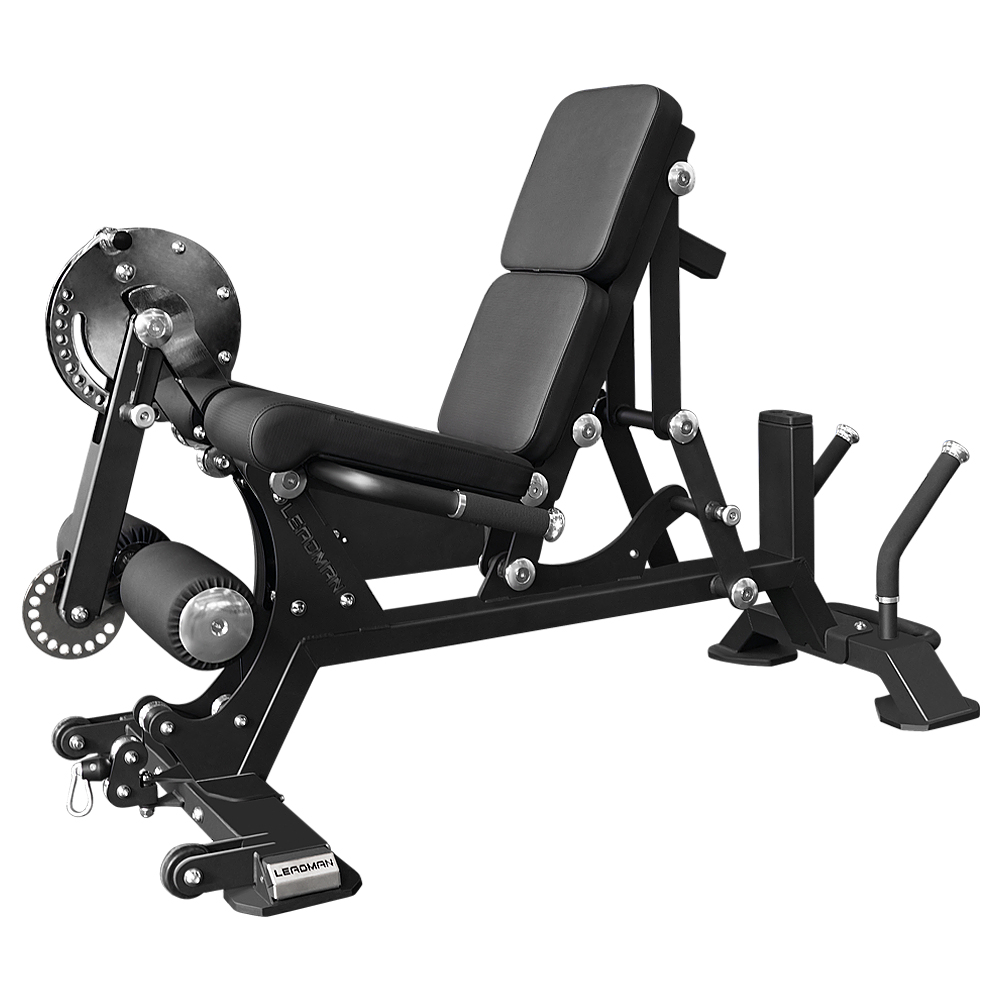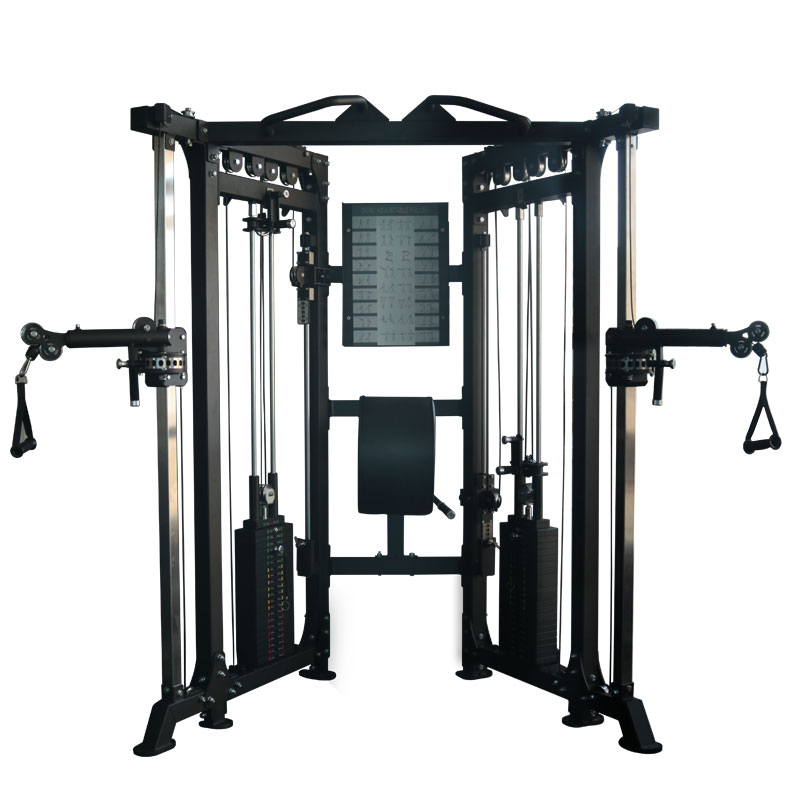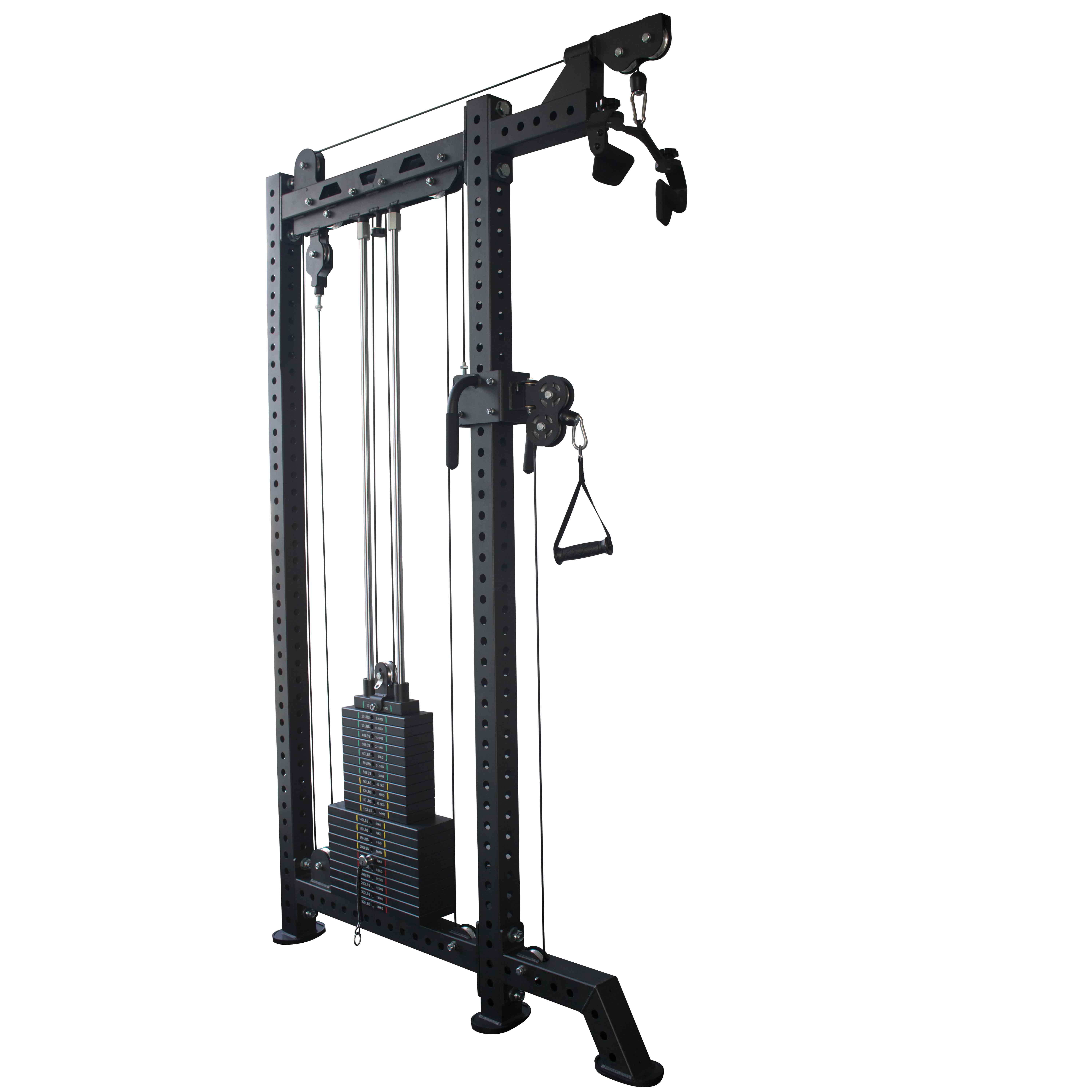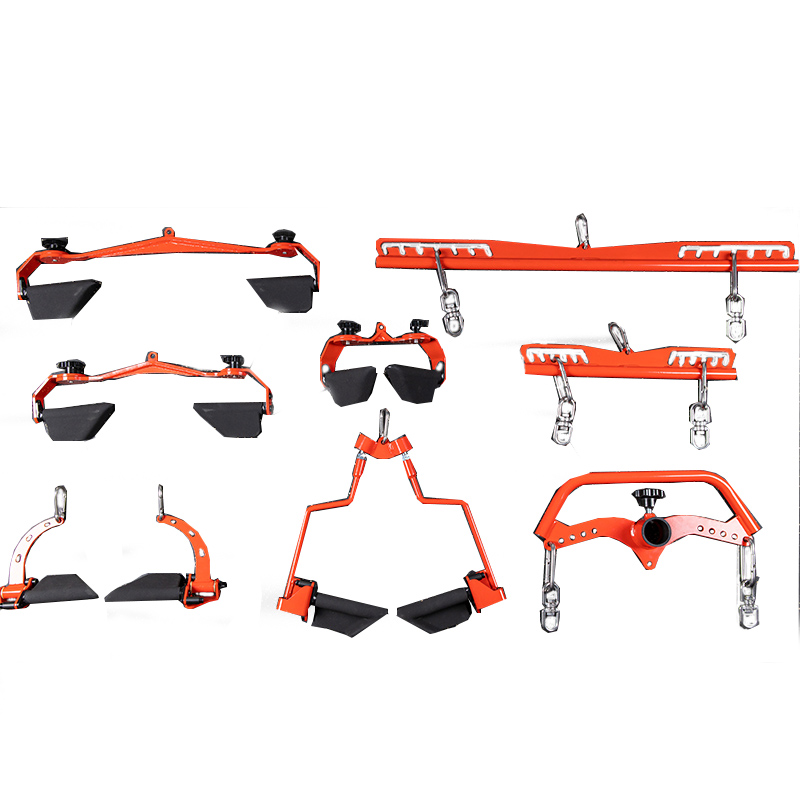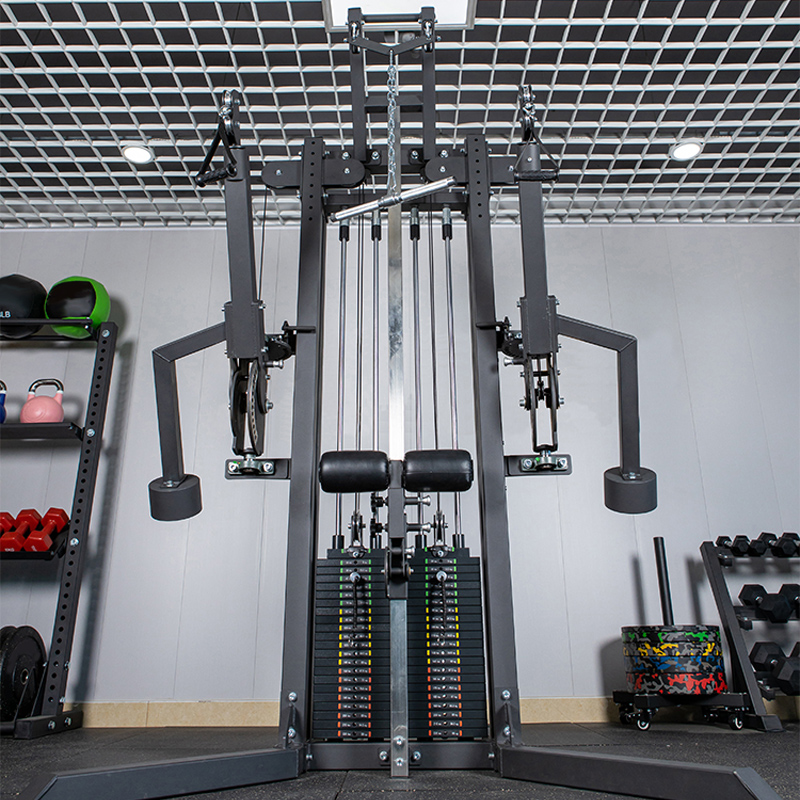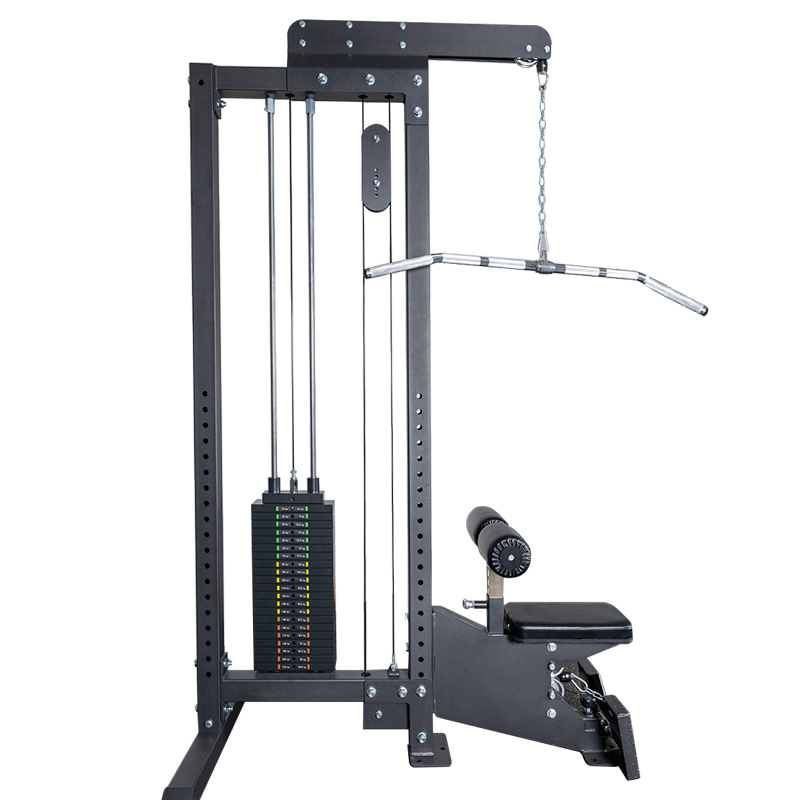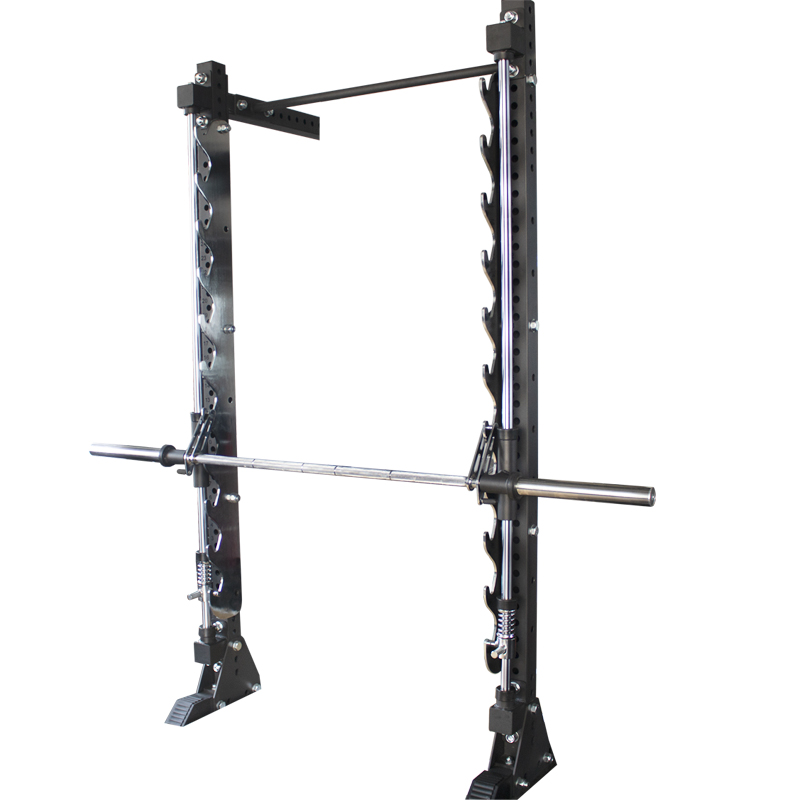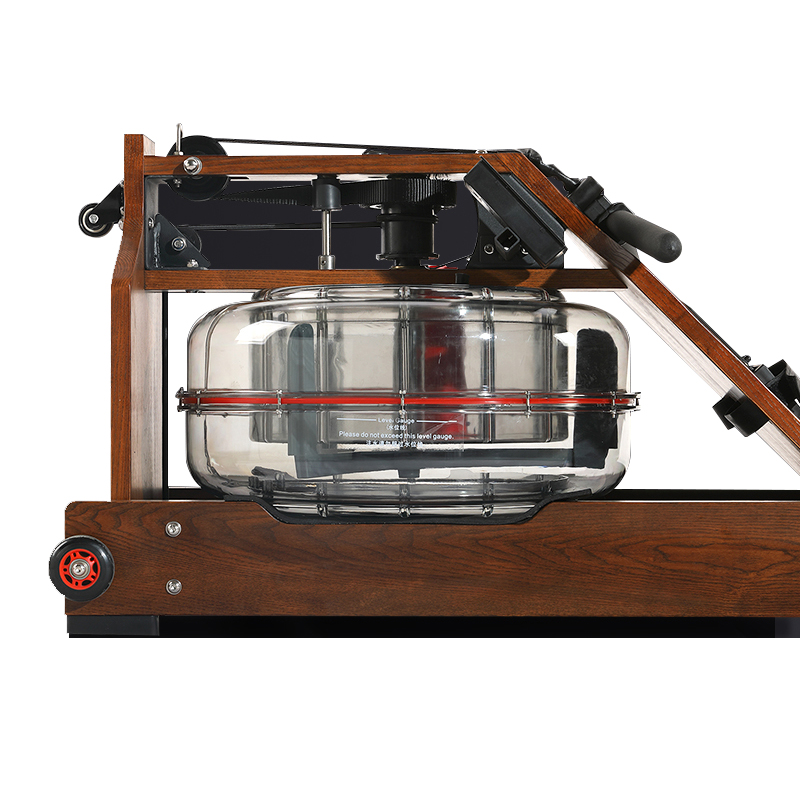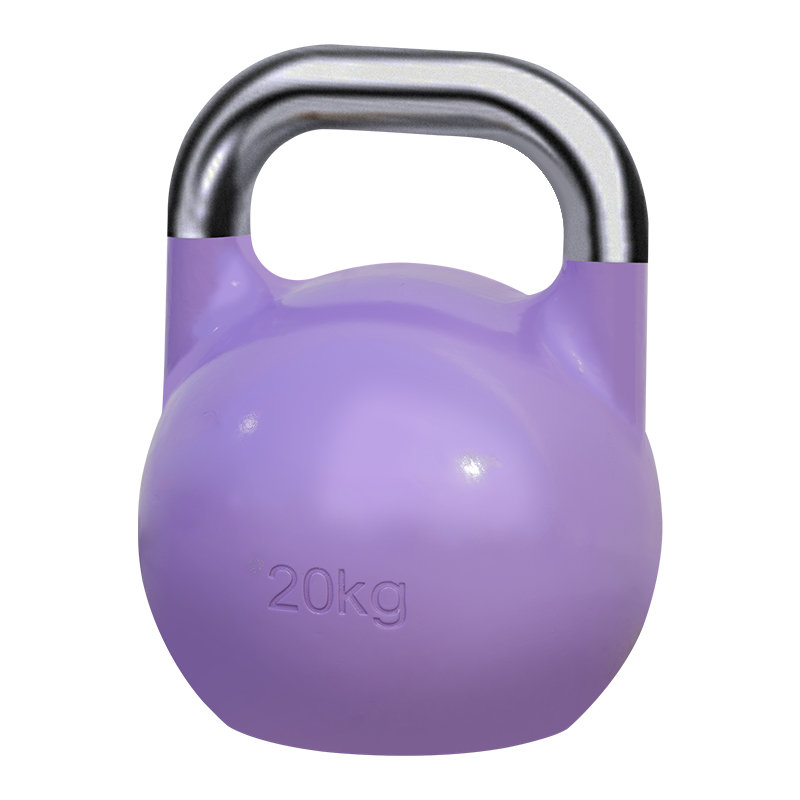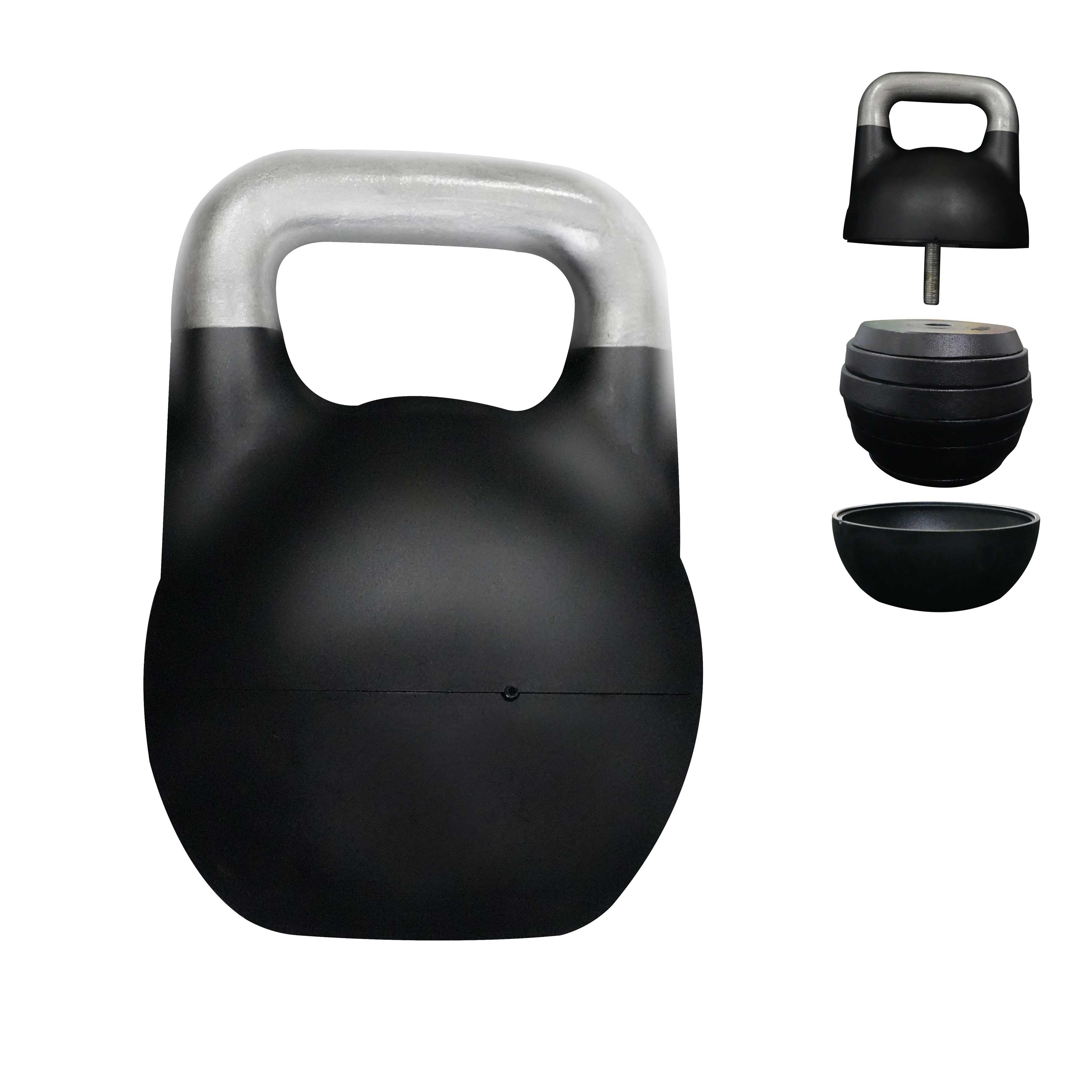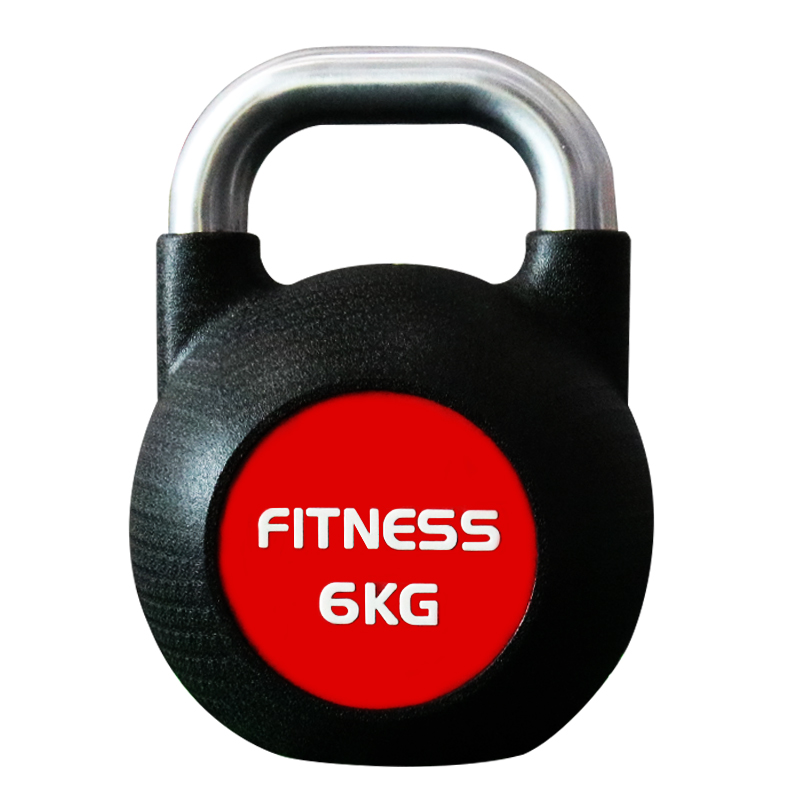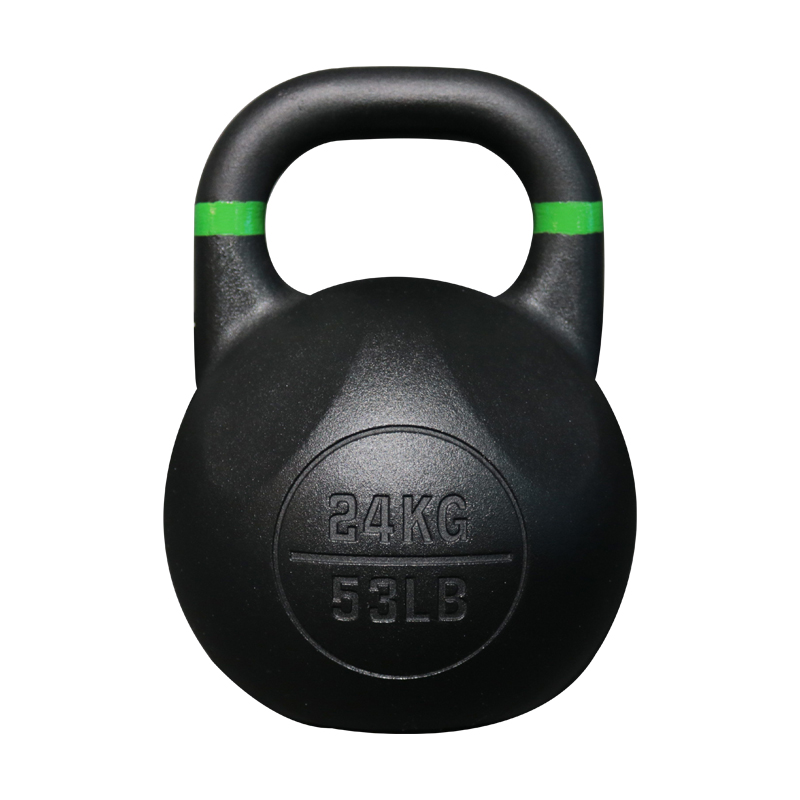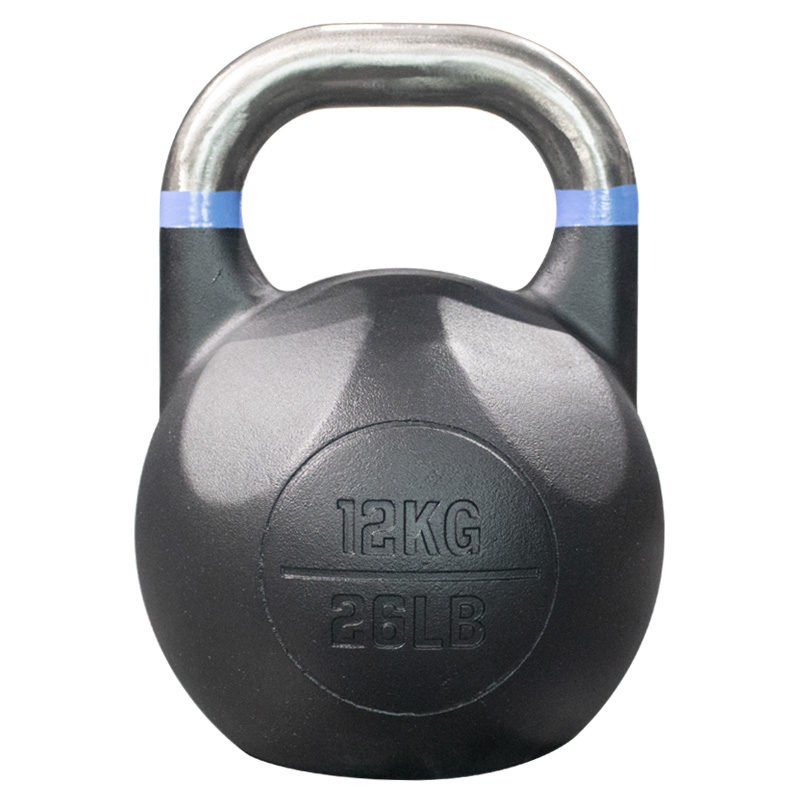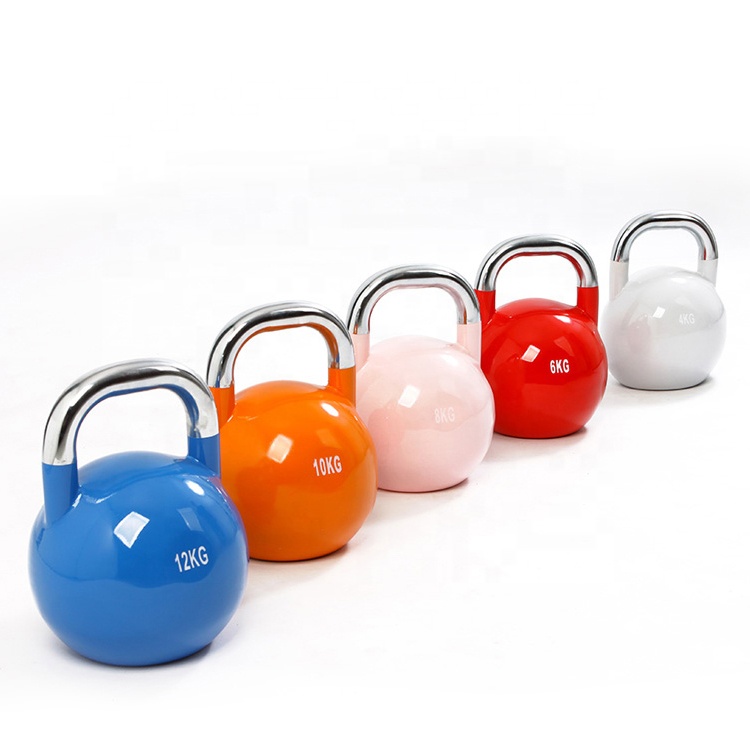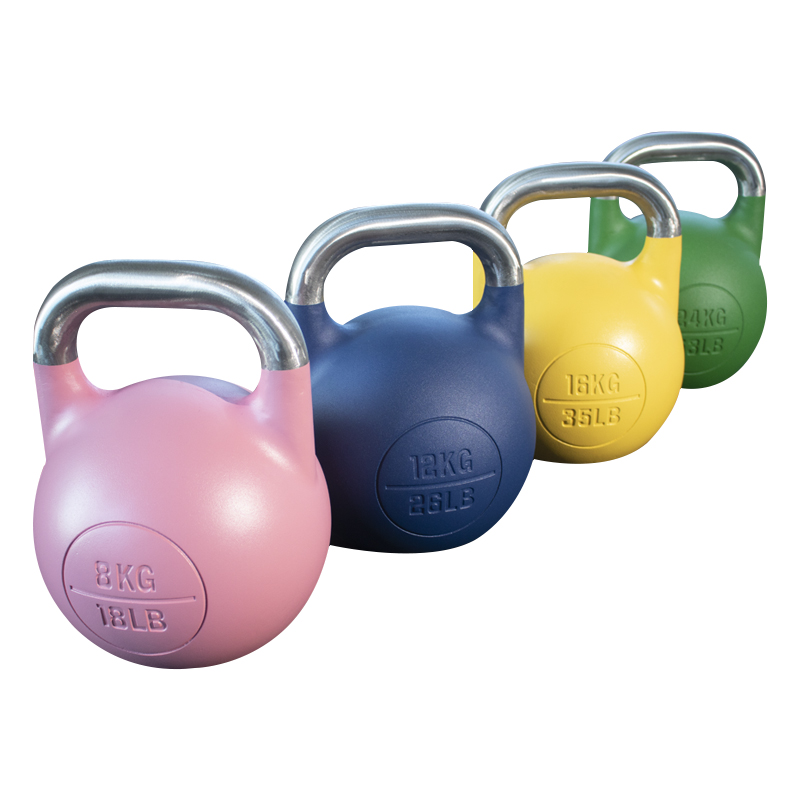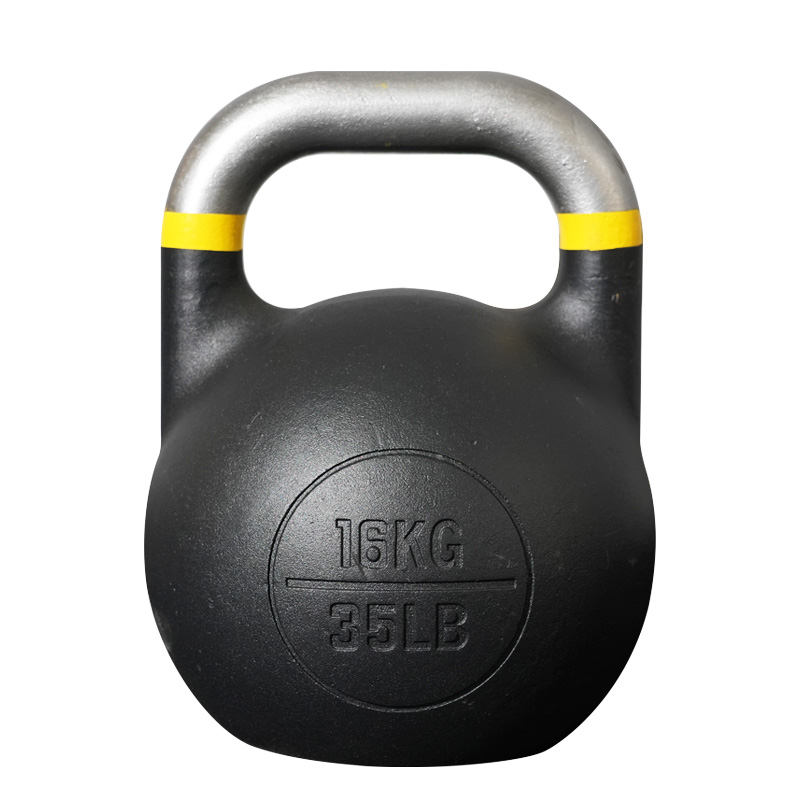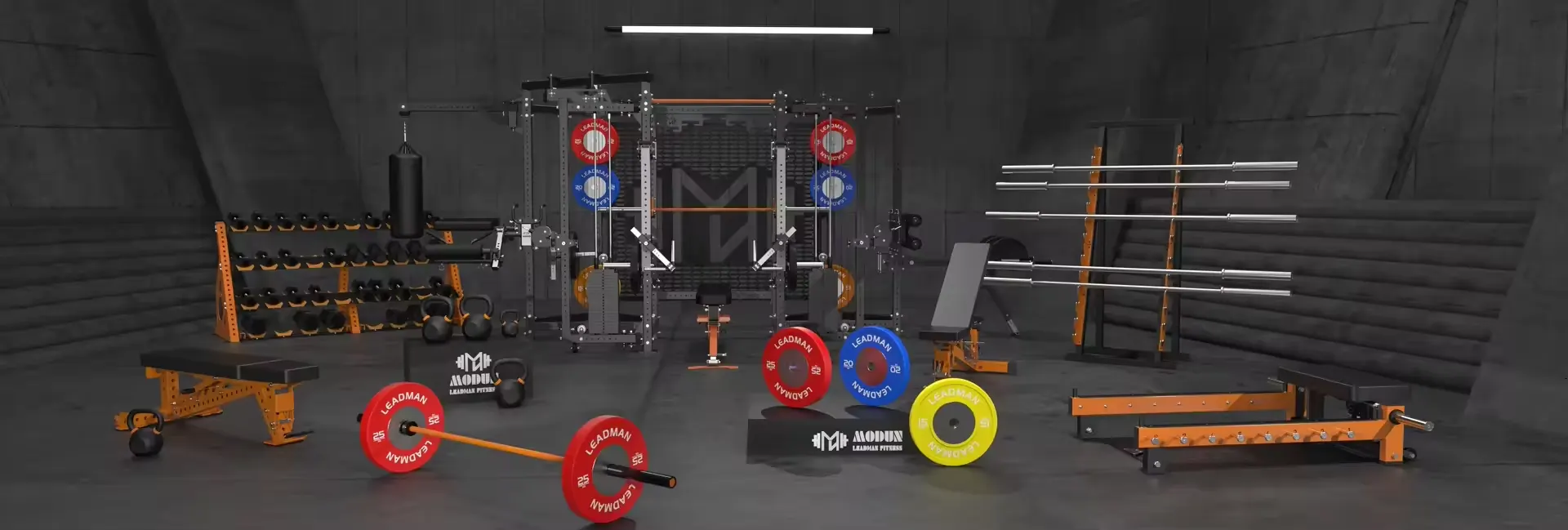
The concept of custom gyms has evolved dramatically from simple equipment selection into a comprehensive design discipline that integrates facility architecture, branded aesthetics, and performance-driven equipment specifications tailored to specific operational objectives. Unlike off-the-shelf facility outfitting, the custom gym approach involves collaborative planning that aligns equipment selection, floor layout, and visual identity with the facility's target demographic, programming philosophy, and competitive market positioning. For commercial operators, the customized gym solution delivers distinct advantages over standardized equipment packages—including optimized space utilization, cohesive aesthetic presentation, and equipment specifications that reflect the facility's commitment to member experience. This custom gym design methodology has become increasingly prevalent as fitness facilities seek differentiation in competitive markets through unique visual identities and tailored training environments.
The custom gym development process typically progresses through systematic phases starting with facility needs assessment, followed by conceptual design, equipment specification, and implementation planning—each phase requiring specialized expertise in fitness programming, interior design, and commercial equipment engineering. Professional custom gym design firms employ interior designers, strength and conditioning specialists, and project managers who collaborate to translate operational requirements into functional training spaces. This interdisciplinary approach ensures that equipment selection reflects both biomechanical considerations—proper spacing, traffic flow, and zone configuration—and aesthetic requirements—consistent color palettes, material selection, and lighting design that reinforce brand identity. For facilities requiring customized gym equipment, the specification process involves detailed engineering consultation to accommodate unique dimensional requirements, resistance profiles, or attachment configurations that standard equipment lines cannot address.
Financial planning for custom gyms requires careful consideration of both initial capital expenditure and long-term operational implications, with investment levels typically exceeding standard equipment packages by 20–40%—justified by enhanced member attraction, premium pricing capacity, and reduced equipment conflicts during peak usage hours. The custom gym model supports premium facility positioning, enabling higher membership pricing and stronger competitive differentiation in saturated markets. For facility operators, the strategic case for custom gym investment often includes extended equipment lifespans, improved member retention through superior workout experiences, and enhanced facility adaptability to evolving fitness trends without requiring complete equipment replacement. The integration of custom gym equipment with facility branding—through consistent color schemes, logos, and design language—creates a distinctive visual identity that enhances perceived value and supports marketing narratives emphasizing unique workout experiences.
Let our experts design the perfect gym solution for your business. Get a free consultation and quote today.