

Optimizing Facility Procurement: What Training Equipment Gym Facilities Need
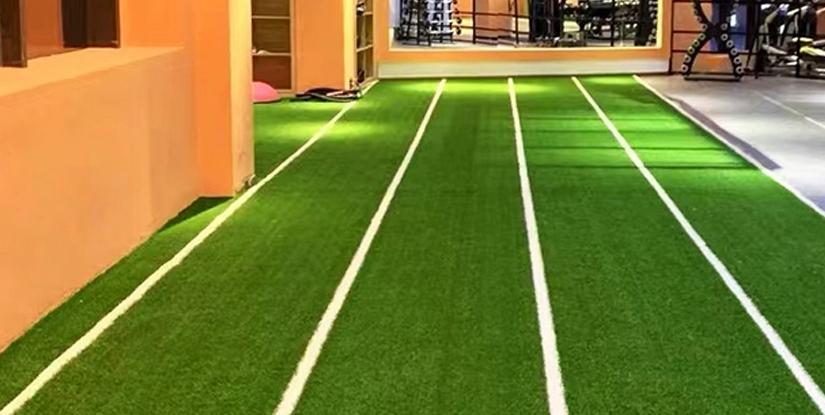
Selecting the right inventory is a multifaceted decision that extends beyond mere aesthetics. To build a high-performance environment, facility managers must understand the deep technical requirements of professional-grade gear. This guide explores the essential components of what training equipment gym facilities need to ensure longevity, user safety, and operational efficiency.
1. Prioritizing Material Selection and Structural Integrity
The foundation of any durable training facility lies in the quality of the raw materials used in construction. High-traffic environments demand materials that can withstand repetitive high-impact loads and constant chemical exposure from sanitization processes.
When evaluating equipment, focus on the following technical criteria:
- Steel Gauge: For strength training racks and benches, seek steel with a thickness of at least 11-gauge to ensure minimal frame deflection under load.
- Welding Quality: Inspect for continuous, smooth welds. Irregular or 'spot' welding often indicates a structural weak point that may fail under dynamic stress.
- Powder Coating: Ensure a high-grade powder coating is applied to prevent oxidation and peeling caused by sweat and cleaning agents.
Once the structural frame is established, the focus must shift toward the mechanical components that facilitate movement.
2. Mechanical Precision in Cable Systems and Pulley Dynamics
Selectorized machines and cable towers are the workhorses of commercial facilities, yet they are also the most prone to mechanical failure. Achieving smooth, consistent resistance requires a high degree of mechanical precision.
Key technical requirements for cable systems include:
- Pulley Bearings: High-quality pulleys should utilize sealed ball bearings to maintain a high RPM capability with minimal friction.
- Cable Composition: Use aircraft-grade steel cables with a protective coating to prevent fraying and internal wire breakage.
- Alignment Accuracy: The pulleys must be perfectly aligned with the weight stack to prevent lateral friction, which is a primary cause of premature cable wear.
Moving from the mechanics of a single machine to the holistic management of the entire facility, we must address the schedules that keep these systems running.
3. Establishing Rigorous Maintenance Schedules
A facility's reputation is often built on the reliability of its machines. Relying on reactive maintenance—only fixing things once they break—is a costly mistake that leads to extended downtime and diminished user trust.
Implement a tiered maintenance protocol based on the mechanical complexity of the equipment:
| Equipment Category | Maintenance Frequency | Primary Checkpoints |
|---|---|---|
| Static Equipment (Racks/Benches) | Quarterly | Bolt tightness, weld integrity, upholstery tears |
| Selectorized Machines | Monthly | Cable tension, pulley smoothness, pin fitment |
| High-Complexity/Electronic Gear | Bi-weekly | Sensor calibration, motor heat, electrical connections |
Failure to document these checks in a professional log—noting specific torque values or cable tension measurements—prevents a true understanding of the equipment's wear cycle. Efficient maintenance is only effective if the environment itself supports the equipment properly.
This leads us to the physical environment: the space where the equipment resides and the surfaces that support it.
Explore the complete technical specifications:
4. Spatial Optimization and Ergonomic Clearance
A crowded gym is an unsafe gym. Effective facility design requires more than just fitting as many machines as possible; it requires calculating the dynamic 'footprint' of every user interaction.
When planning your layout, adhere to these spatial parameters:
- The Buffer Zone: Implement a minimum of 0.5 to 1 meter of clearance around every piece of equipment. This accounts for the user's limbs during a full range of motion.
- Traffic Flow: Ensure main walkways are wide enough for two people to pass without disturbing someone mid-set.
- Ergonomic Reach: Position weight stacks and adjustment pins so they are easily accessible to users of varying heights.
The interaction between equipment and floor is a critical, yet often overlooked, component of facility longevity.
Explore the complete technical specifications:
5. The Role of Advanced Floor Surfaces and Impact Absorption
The flooring is the interface between your heavy assets and the building's subfloor. Inadequate flooring choice can lead to structural vibrations that damage even the most high-end equipment.
Consider the following for your floor selection:
- Impact Density: In high-velocity areas (like deadlift platforms), use high-density rubber that can absorb kinetic energy rather than bouncing it back.
- Vibration Dampening: Use multi-layered flooring systems to prevent the transfer of low-frequency vibrations to the building's structural beams.
- Coefficient of Friction: Ensure the surface provides adequate grip for stability without being so high that it creates a tripping hazard.
Successful procurement is not just about buying machines, but about selecting the right categories of gear for your specific facility goals.
6. Categorizing Equipment for Diverse Training Demands
A well-rounded facility must balance different types of training stimuli. Effective procurement involves categorizing your needs into specific training niches.
A balanced inventory should include:
- Strength & Power: Free weights, racks, and platforms designed for heavy mechanical loading.
- Hypertrophy & Isolation: Selectorized machines that provide controlled, high-repetition resistance.
- Functional & Metabolic: Open-space areas for kettlebells, medicine balls, and mobility work.
Once the equipment is purchased and installed, the final step is the long-term tracking of its utility and condition.
7. Documentation and Lifecycle Management
Every piece of equipment in a commercial setting should have a traceable history. This documentation serves as both a maintenance tool and a financial record for future depreciation and replacement planning.
A professional-grade documentation system should track:
- Installation Specs: Original torque settings, leveling parameters, and initial calibration data.
- Wear Cycles: The frequency of part replacements (e.als., cables, pads, or bearings).
- Incident Logs: Any equipment malfunctions or user-related accidents to identify patterns of failure.
To summarize, the process of optimizing a facility requires a deep understanding of every layer, from the steel gauge to the maintenance log.
8. Conclusion: The Holistic Approach to Facility Success
Optimizing a gym facility is a continuous loop of selection, installation, maintenance, and assessment. By understanding the technical nuances of what training equipment gym facilities need—from the steel gauge and cable tension to the thickness of the floor mats—you ensure a safe and profitable operation.
Remember that high-quality procurement is an investment in reduced downtime. Prioritize structural integrity, mechanical precision, and rigorous maintenance protocols to build a facility that stands the test of time and heavy usage.