

Maximizing Member Muscle Growth with Commercial Weight Training Equipment
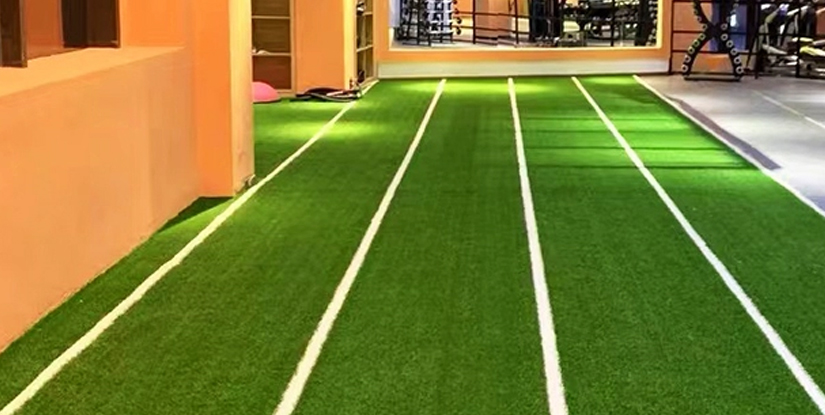
Achieving consistent results in a fitness facility requires more than just a collection of heavy weights; it requires a strategic understanding of how mechanical systems interact with human physiology. When focusing on member muscle growth with commercial weight training equipment, the goal is to ensure that every repetition provides a high-quality stimulus. This involves optimizing the mechanical resistance profiles, ensuring ergonomic precision, and maintaining the structural integrity of the machines. To truly drive hypertrophy, a facility must transition from merely providing tools to providing optimized biological stimulus environments.
Optimizing Mechanical Resistance Profiles for Hypertrophy
The way a machine delivers resistance throughout a full range of motion (ROM) determines its effectiveness for muscle growth. High-quality commercial-grade equipment utilizes sophisticated cam designs to match the natural strength curve of the human body. A well-designed cam ensures that the resistance increases as the muscle reaches its peak contraction, preventing the 'dead zones' that often hinder progress.
When selecting or evaluating equipment, facility managers should consider the following resistance parameters:
- Constant Tension: The ability to maintain resistance throughout the entire eccentric and concentric phases.
- Variable Resistance: The capacity for the weight to change intensity based on the limb's angle.
- Resistance Smoothness: The absence of jerky movements or inconsistent friction during the lift.
A common failure mode is the use of basic weight stacks without specialized cams, which results in a resistance profile that is too easy at the most difficult part of the movement. By prioritizing machines with optimized mechanical profiles, members can achieve better tension and higher hypertrophy potential. This mechanical precision leads directly into the necessity of proper human-machine alignment.
Ergonomic Alignment and Joint-Centric Design
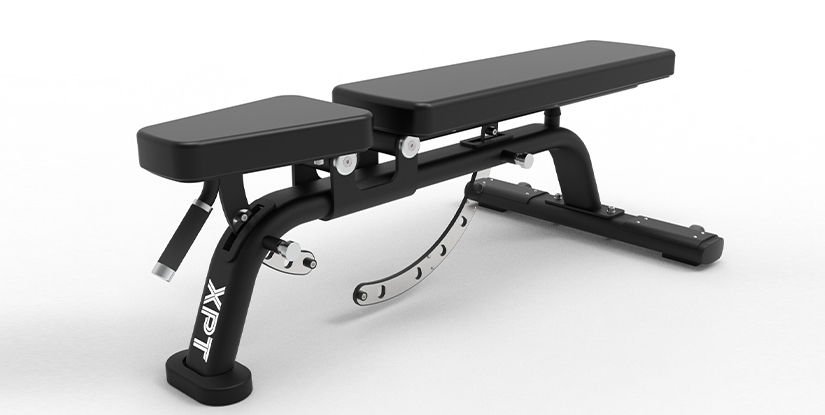
Even the best resistance profile is useless if the user is not positioned correctly. Ergonomic alignment is critical for directing tension onto the target muscle fibers rather than the connective tissues. If a machine's pivot point does not align with the user's natural joint axis, it can create shear forces that increase injury risk and limit the effective load.
The following checklist can be used to audit the ergonomic suitability of strength equipment:
| Feature | Optimal State | Failure Indicator |
|---|---|---|
| Pivot Point Alignment | Matches user's anatomical axis | Discomfort in joints/ligaments |
| Seat/Pad Adjustability | Multiple increments for various heights | Limited range of motion due to fixed position |
| Back Support Angle | Neutral spine support during heavy sets | Lower back strain during exertion |
Ensuring that members can achieve a perfect anatomical setup is the foundation of safe hypertrophy. Once the body is aligned, the next challenge is ensuring the ability to add load over time through structured progression.
Implementing Progressive Overload with Precision
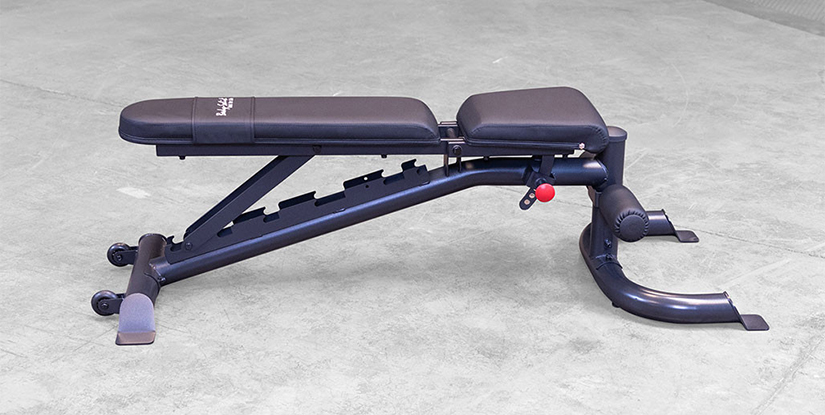
Progressive overload is the primary driver of muscle growth. For members using commercial weight training equipment, this isn't just about adding more plates; it is about the precision of the increments. If a machine only allows for jumps of 10kg, a member may find it impossible to maintain a consistent training stimulus once they reach a certain strength level.
To maximize growth, facilities should look for equipment that offers:
- Micro-loading Capabilities: Small weight increments that allow for incremental strength gains.
- Variable Resistance Adjustment: The ability to change the resistance profile via adjustable pins or cams.
- Volume Tracking: Mechanisms or digital interfaces that allow members to track total workload.
A common mistake in facility management is ignoring the 'plateau effect' caused by inadequate weight increments. If the jumps are too large, members will stagnate. This systematic approach to loading is most effective when supported by a rigorous maintenance schedule.
Maintenance Protocols for Consistent Resistance
The effectiveness of a strength machine is directly proportional to its maintenance. A machine that is poorly maintained will introduce 'noise' into the lifting movement, such as friction, vibrations, or erratic resistance. This noise prevents the muscle from experiencing the clean, controlled tension necessary for hypertrophy.
Recommended maintenance tasks include:
- Cable Inspection: Checking for fraying or kinks that could cause sudden tension drops.
- Bearing Lubrication: Ensuring all moving parts rotate smoothly without friction-induced resistance.
- Fastener Audit: Verifying that all bolts and pins are tightened to prevent structural instability.
Failure to perform these tasks results in a degraded training experience where the member is fighting the machine rather than the weight. A well-maintained machine ensures that the resistance remains predictable, which is essential for the next level of optimization: digital integration.
Digital Integration and Real-Time Data Feedback
The modern fitness landscape is moving toward data-driven hypertrophy. Modern commercial equipment can now integrate sensors that track lifting velocity, range of motion, and explosive power. This data provides members with an objective way to measure their progress beyond just the number on the weight stack.
By using digital-ready equipment, members can identify several key metrics:
- Velocity Loss: Identifying the exact moment fatigue sets in, helping to optimize the number of effective reps.
- Range of Motion Consistency: Ensuring that the depth of the lift remains constant throughout the set.
- Force Output: Measuring the explosive power of the concentric phase to gauge neurological fatigue.
The integration of this data allows for a highly personalized training experience. However, even the smartest machine is only as good as the physical parts it controls, making the structural durability of the hardware paramount.
Structural Durability and High-Load Capacity
When designing a space focused on muscle growth, the longevity of the equipment is a key factor. High-performance members will inevitably use the machines at their maximum potential. Therefore, the structural integrity of the frame and the strength of the upholstery are non-negotiable.
When evaluating the durability of equipment, consider these criteria:
- Frame Gauge: Thicker steel ensures minimal vibration under heavy loads.
- Upholstery Resilience: High-density foam that maintains shape even under constant pressure.
- Guide Rod Precision: Smooth, high-tolerance rods that prevent the weight stack from wobbling.
A failure in structural durability—such as a wobbly weight stack or a collapsing seat—not only disrupts the training flow but also diminishes the member's confidence in the facility. This confidence is built through a combination of reliability and the advanced mechanical features discussed previously.
Advanced Hypertrophy Optimization Strategies
To truly differentiate a facility, one must move beyond basic resistance and look into specialized training stimuli. This includes equipment that can facilitate different types of muscle tension, such as eccentric-focused or isometric-focused movements. High-end commercial equipment often includes features that allow for controlled eccentric loading, which is a potent stimulus for muscle hypertrophy.
Advanced features to look for include:
- Variable Resistance Bands: To add tension at the top of a movement where gravity-based weights are weakest.
- Dual-Axis Movement: Machines that allow for multi-planar movements to engage stabilizing muscles.
- Controlled Eccentrics: Mechanisms that provide resistance during the lowering phase of a lift.
By implementing these advanced strategies, a facility provides the tools necessary for elite-level progress. This technical depth ensures that the focus remains on the physiological outcome: muscle growth.
The Role of Environmental Synergy in Muscle Growth
Finally, the way equipment is laid out within a space affects how members interact with it. A high-density, high-efficiency layout allows for better flow and ensures that different muscle group training stations are logically grouped. This structural organization supports a more cohesive training program for the member.
Successful facility layout principles involve:
- Functional Grouping: Placing agonist and antagonist machines (e.g., chest press and rows) near each other.
- Space Clearance: Ensuring sufficient room for the full range of motion of the equipment and the user.
- Access Accessibility: Placing adjustable equipment in areas where changes to seat height or weight stacks are easy to execute.
When the environment, the equipment, and the biological stimulus work in harmony, the potential for member muscle growth is maximized. Understanding the technical intricacies of commercial weight training equipment is the first step toward building a world-class training environment.