

Meeting Member Goals with Gym Weight Training Equipment: A Professional Operator's Guide
The Impact of Equipment Reliability on Member Retention
The primary driver of membership churn in high-end fitness facilities is often not the lack of classes or amenities, but the functional failure of core assets. When a member arrives with a specific hypertrophy or strength goal, their progress is directly tethered to the availability and precision of the weight training equipment. A broken cable machine or a bent barbell does more than stall a single workout; it erodes the perceived value of the membership. For operators, the challenge lies in moving from reactive repair to proactive asset management to ensure that the equipment's mechanical performance aligns with the high expectations of the clientele.
A fundamental misunderstanding in facility management is treating weight training equipment as static inventory rather than dynamic, high-wear mechanical systems. A machine that is 'available' but functions with significant friction or irregular resistance is effectively broken for a member pursuing specific physiological adaptations. By understanding the technical relationship between machine precision and member output, operators can better align their maintenance protocols with the actual goals of their users.
Understanding these failure modes is the first step in ensuring that the physical tools of the trade never become the bottleneck for a member's progress. However, reliability requires more than just a lack of breakage; it requires a deep understanding of the subtle mechanical nuances that affect performance.
Identifying Mechanical Friction and Resistance Inconsistency
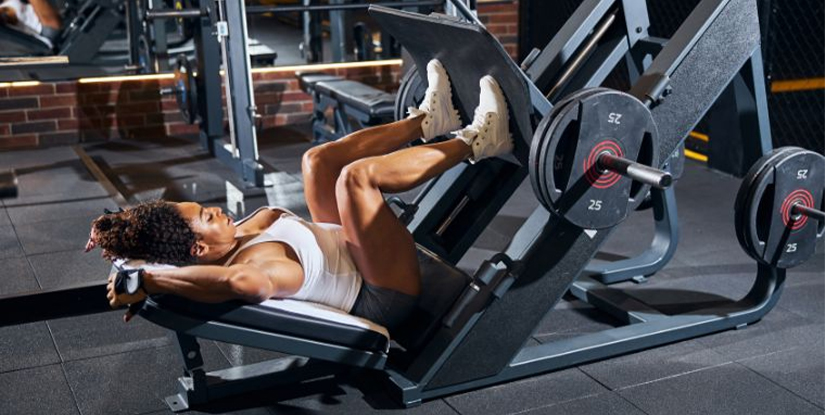
Before addressing maintenance, an operator must understand why members experience resistance issues. Resistance inconsistency often manifests as 'jerky' movements or uneven tension during a repetition. This is rarely a random occurrence; it is the measurable result of component degradation within the machine's movement architecture. When a member cannot maintain a smooth tempo, their neuromuscular control is compromised, directly hindering their ability to meet strength targets.
Common Causes of Resistance Variance
The mechanism of resistance in most commercial weight machines involves a complex interaction between weight stacks, guide rods, and cables. Disruption in any of these sub-systems leads to immediate performance degradation.
- Guide Rod Friction: Accumulation of dust or the complete evaporation of lubricant creates high-friction zones that cause the weight stack to stutter.
- Cable Fraying and Elasticity: Over time, internal wire strands in a steel cable can break, or the outer sheath can expand, leading to unpredictable tension changes.
- Pulley Misalignment: If a pulley wheel is not seated correctly or the bearing is failing, the rotational torque is unevenly distributed, creating 'dead spots' in the range of motion.
To effectively manage these issues, operators should utilize a diagnostic checklist to categorize the type of failure before attempting a fix.
| Symptom | Likely Root Cause | Technical Impact on Member Goal |
|---|---|---|
| Stuttering motion in weight stack | Dry or contaminated guide rods | Interrupted time-under-tension (TUT) |
| Sudden 'snap' or slack in cable | Cable sheath deformation or internal fraying | Risk of sudden load shifts/injury |
| High-pitched squealing | Bearing failure in pulley wheels | Distraction and perceived low quality |
| Uneven resistance through ROM | Misaligned pulley tracks | Asymmetrical muscle loading |
Recognizing these patterns allows for a targeted response rather than a generic 'inspect everything' approach. Once the physical symptoms are identified, the operator can move toward establishing a structured oversight system.
Optimizing Equipment Lifecycle through Scheduled Maintenance
A common mistake among facility managers is the 'run-to-failure' model, where equipment is only serviced after a member reports a problem. This reactive approach is fundamentally incompatible with meeting member goals, as it guarantees downtime during peak usage hours. Instead, a professional operation relies on a rigorous, preventative maintenance schedule centered on the mechanical tolerances of the machines.
Defining Maintenance Cadence and Inspection Parameters
Effective maintenance is not merely cleaning; it is the verification of mechanical integrity. Different categories of equipment require distinct inspection parameters. For instance, free weights require different scrutiny than selectorized machines.
- Selectorized Strength Machines: Focus on cable tension, pulley rotation, and lubrication of guide rods.
- Free Weight Stations (Racks and Benches): Focus on structural weld integrity, bolt torque, and upholstery condition.
- Plate-Loaded Equipment: Focus on the smoothness of the weight plates' path and the stability of the loading pegs.
The following table outlines a recommended inspection frequency to maintain high operational standards.
| Component Category | Inspection Frequency | Key Verification Parameter | Success Indicator |
|---|---|---|---|
| Cable and Pulley Systems | Weekly | Visual check for fraying/tension | Smooth, continuous rotation |
| Guide Rods/Weight Stacks | Monthly | Lubricant level and surface cleanliness | Zero 'stick-slip' motion |
| Structural Bolts/Fasteners | Quarterly | Torque verification (Manual/Tool) | Zero rattling or structural movement |
| Upholstery and Grips | Monthly | Tear/Wear inspection | No exposed foam or peeling |
By implementing these tiers, an operator can ensure that the equipment remains a precision tool rather than a liability. However, even with a perfect schedule, human error in the assembly or usage phase can introduce unexpected variables.
Mitigating Risks from Improper Setup and User Error
Even the highest-quality gym weight training equipment can become a tool for injury if the setup is incorrect or the user is not guided toward proper form. While the operator cannot control every user, they can control the quality of the setup and the clarity of the instructions provided. A failure to provide clear, standardized setup guides is a significant oversight that directly undermines member safety and goal attainment.
Preventing Common Misuse Scenarios
Misuse often occurs when a machine is being used outside its intended mechanical design. This is common with both novice and advanced users. Operators must monitor for and address these specific failure modes, such as improper weight selection or suboptimal seat height, which can lead to long-term mechanical strain on the machine.
The Operator's Verification Checklist
To ensure that the equipment is being used in a way that supports member progress rather than hindering it, staff should be trained to verify the following:
- Weight Selection Integrity: Ensure members are not overloading pins or using weights that exceed the machine's rated capacity.
- Adjustment Pin Security: Verify that all seat, back, and lever adjustment pins are fully engaged and locked before a user begins a set.
- Seating Alignment: Confirm the user is positioned such that the pivot point of the machine aligns with their natural joint axis.
When the mechanical setup is verified, the focus shifts from immediate safety to the long-term durability of the assets themselves.
Developing an Asset Management and Replacement Strategy
As machines age, even the most diligent maintenance will eventually hit a point of diminishing returns. Part of meeting member goals is knowing when a piece of equipment has moved from the 'maintenance' phase to the 'replacement' phase. Keeping obsolete or degraded equipment in rotation—even if it is technically functional—can signal a lack of professional standards and lead to a gradual decline in member satisfaction.
Decision Criteria for Equipment Replacement
Replacing equipment is a high-capital decision that must be justified by data. A professional operator uses a combination of repair costs, downtime frequency, and user feedback to drive the procurement cycle. Key metrics include the following:
- Repair-to-Value Ratio: If the cost of a single major repair exceeds 30-40% of the cost of a new, modern unit, replacement is typically indicated.
- Downtime Frequency: If a specific machine requires more than two unscheduled repairs per quarter, it is likely reaching the end of its reliable lifecycle.
- Technological Obsolescence: If a machine lacks the ergonomic adjustments or the progressive overload features that contemporary members demand, it may be time to upgrade to support modern training goals.
A well-managed replacement cycle ensures that the facility remains at the cutting edge of fitness technology, thereby securing long-term member retention. This strategic foresight prevents the common mistake of spending too much on maintaining obsolete technology.
Diversifying Training Modalities through Equipment Selection
A truly professional facility recognizes that different members pursue different physiological paths. To meet these varied goals, an operator must curate a diverse range of equipment that caters to strength, hypertrophy, and functional movement. Relying too heavily on a single type of resistance can alienate segments of your membership.
Balancing Selectorized vs. Free Weight Modalities
The ratio of selectorized machines to free weights is a critical component of facility design. While selectorized machines provide safety and ease of use for beginners, free weights are essential for advanced trainees seeking stability and proprioceptive challenge.
- Selectorized Machines: Ideal for hypertrophy-focused members and those in rehabilitation, as they isolate specific muscle groups with controlled resistance.
- Free Weight Modalia: Essential for functional strength and core stability, as they require the user to manage the weight through multiple planes of motion.
- Hybrid Equipment: Modern pneumatic or electronic resistance machines can bridge the gap, offering the precision of machines with the fluidity of free weights.
By offering a balanced mix, you ensure that whether a member is a novice or an elite athlete, their specific training needs are met with high-quality, reliable tools.
Ensuring Long-Term Operational Excellence
Ultimately, meeting member goals with gym weight training equipment is an ongoing process of technical oversight and strategic planning. It requires a shift in mindset from 'fixing things when they break' to 'ensuring things work perfectly by design.' By focusing on the mechanical nuances of resistance, maintaining a rigorous inspection cadence, and making data-driven replacement decisions, operators can build a facility that serves as a reliable engine for member success.
The correlation between equipment precision and member results is direct. When the tools are reliable, the progress is predictable, and the facility remains a high-value environment for every user. Consistent investment in both maintenance and thoughtful procurement is the hallmark of a top-tier fitness operation.