

Building Member Loyalty with Strength Training Fitness Equipment

The Invisible Erosion of Member Retention
Facility managers often focus on marketing and personnel to drive retention, yet a silent killer of member loyalty is the deteriorating state of the heavy lifting floor. When a member arrives to perform a high-intensity session and discovers a bent barbell, a frayed cable on a selectorized machine, or a worn-out weight bench, the psychological impact is immediate. They perceive a lack of professional standard and a disregard for their safety and investment. This perceived negligence is a leading cause of churn in mid-to-high-tier fitness clubs.
The problem is rarely a single catastrophic failure; rather, it is the gradual degradation of the user experience caused by deferred maintenance and inadequate procurement standards. A member who cannot execute a clean repetition due to equipment friction or instability is a member who will eventually look for a facility that respects their training goals. To prevent this, operators must shift from reactive repair to a proactive lifecycle management strategy.
Establishing a reliable baseline for equipment performance is the first step in ensuring that your strength training area serves as a retention tool rather than a liability. This begins with understanding the technical specifications required for commercial durability.
Identifying Early Warning Signs of Equipment Degradation
Recognizing issues before they reach a failure state is critical for maintaining a high-end training environment. Operators should monitor for the following indicators:
- Auditory Cues: Grinding or squeaking during resistance movements often indicates bearing failure or lack of lubrication.
- Tactile Irregularities: Vibrations in a barbell or uneven resistance in a cable machine suggests structural or internal component wear.
- Visual Indicators: Fraying cables, chipped paint on weight plates, or loose bolts are immediate red flags for safety and aesthetics.
Addressing these signs immediately prevents the escalation of the problem from a minor adjustment to a complete replacement, which leads directly into the necessity of high-quality procurement.
Standardizing Procurement for Long-Term Reliability
Building on the need for early detection, the most effective way to prevent frequent downtime is to invest in superior hardware during the initial acquisition phase. Building member loyalty with strength training fitness equipment starts with the decision to prioritize structural integrity over initial cost savings. Low-quality equipment may offer a lower entry price, but the high replacement frequency and frequent downtime actually increase the total cost of ownership and damage brand reputation.
When selecting new strength equipment, operators must evaluate technical parameters that go beyond simple aesthetics. A professional-grade facility requires equipment designed for high-frequency, heavy-load use. This involves looking at frame gauge, weld quality, and the grade of steel utilized in the construction.
| Component Category | Standard Commercial Spec | Typical Low-End Limitation | Impact on Member Experience |
|---|---|---|---|
| Frame Construction | 11-gauge or thicker steel with reinforced welds | Thin-walled tubing with basic spot welds | Vibration and instability during heavy lifts |
| Cable Systems | High-tensile steel with nylon coating | Thin steel wire with minimal coating | Frequent snapping and abrasive texture |
| Weight Plate Interface | Precision-machined steel or high-density rubber | Standard cast iron with rough edges | Noise, vibration, and plate rattle |
By choosing equipment that meets or exceeds these standards, you are not just buying machines; you are buying uptime and member confidence. Selecting high-spec components creates a foundation of stability, which is the next logical step in establishing a rigorous maintenance routine.
Defining Selection Criteria for Strength Machines
When evaluating a potential vendor, do not just look at the catalog images. Request technical specification sheets and ask specifically about the following:
- Load Capacity: Does the machine have a certified maximum weight limit that accounts for dynamic (moving) loads?
- Component Replaceability: Are the wear parts (cables, pulleys, upholstery) easily sourced and replaceable without needing a proprietary tool?
- Adjustment Precision: Are the adjustment pins and settings robust enough to handle heavy-handed use without slipping?
A well-vetted procurement process ensures that your facility is equipped with tools that can withstand the rigors of a diverse membership base. Once the equipment is installed, the focus shifts from acquisition to the daily operational excellence required to keep it in top condition.
Implementing a Structured Maintenance and Inspection Protocol
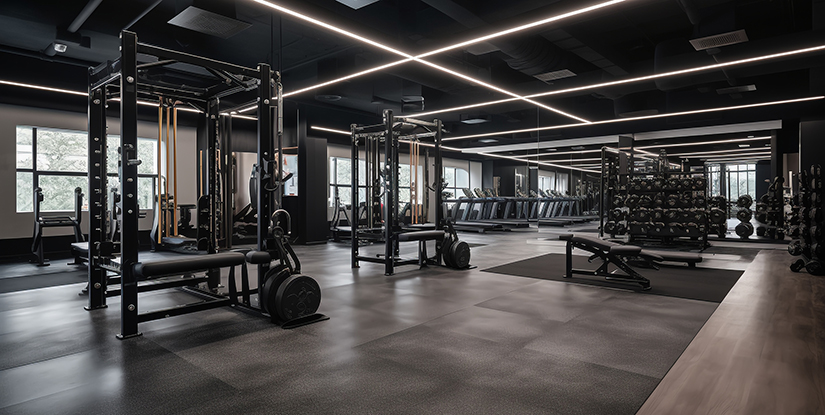
The durability of the equipment you have carefully selected depends entirely on the consistency of your maintenance protocols. A common mistake in facility management is treating maintenance as an occasional task rather than a scheduled operational requirement. Even the highest-quality strength training equipment will eventually exhibit friction or instability if the necessary lubrication and tension adjustments are neglected.
A robust maintenance program is a key driver of member satisfaction. When members see staff actively performing precision tuning or cleaning equipment, it reinforces the perception of a high-standard facility. This documentation also provides a critical paper trail for insurance and liability purposes.
The Three-Tiered Inspection Framework
To effectively manage a diverse strength floor, implement a tiered approach to inspection, ranging from daily visual checks to quarterly deep-dives.
- Daily Level (Operator/Staff): A quick visual sweep to check for loose bolts, sweat buildup, and obvious cable fraying. This ensures the floor is ready for high-volume usage every morning.
- Weekly Level (Maintenance Technician): A functional test of every machine. This includes checking the range of motion, testing the tension of cables, and ensuring all adjustment pins are secure.
- Quarterly Level (Specialist/Deep Service): A comprehensive audit of all structural welds, bearing lubrication, and structural integrity. This level often requires specialized tools and may involve professional servicing.
Using a structured framework allows your team to catch mechanical drift—the slow deviation from optimal performance—before it becomes a failure. Moving from this proactive maintenance cycle into specialized repair ensures that your facility remains a reliable environment for serious athletes.
Troubleshooting Common Strength Equipment Issues
Even with rigorous maintenance, technical issues will eventually arise. Knowing how to differentiate between a minor adjustment and a critical failure is essential for operational efficiency. Misdiagnosing a problem can lead to unnecessary parts replacement or, conversely, ignoring a safety risk that leads to injury.
The following table outlines common failure modes encountered in strength areas and the professional-grade response required to resolve them.
| Observed Symptom | Potential Root Cause | Actionable Fix | Verification Step |
|---|---|---|---|
| Jerky or Stuttering Movement | Dirty or dry pulleys/bearings | Clean with appropriate degreaser and re-lubricate with silicone spray | Perform a full range of motion test without load |
| Excessive Noise/Rattle | Loose bolts or worn bushings | Tighten all fasteners to manufacturer torque specs; check bushings | Execute high-impact repetitions to test stability |
| Cable feels 'slack' or 'springy' | Worn internal cables or incorrect tension | Replace cable or adjust tensioning bolt | Check smooth resistance throughout entire arc |
| Unstable Platform/Base | Uneven floor or loose leveling feet | Adjust leveling feet and check floor levelness | Apply moderate horizontal force to test stability |
Effective troubleshooting keeps the floor operational and prevents the frustration that leads to member churn. Once these issues are resolved, the final piece of the loyalty puzzle is ensuring the environment remains conducive to high-level training through proper floor layout and zoning.
The Dangers of Reactive Maintenance
A common failure mode for many facility managers is adopting a "run-to-fail" mentality. This is a dangerous way to operate a strength-heavy gym. When you only fix things after they break, you are inherently operating in a state of disrepair. This creates a culture of broken equipment that signals to members that the facility is in decline. Furthermore, reactive maintenance is almost always more expensive due to emergency shipping costs and the loss of member trust during extended downtime.
By staying ahead of the curve, you ensure that the mechanical integrity of your facility matches the ambition of your members. This operational excellence leads directly to the way you organize and present your equipment to the user.
Optimizing Floor Layout for Training Flow and Longevity
The physical arrangement of your strength training equipment is just as important as the quality of the machines themselves. A poorly optimized layout causes more than just frustration; it causes accelerated wear on the equipment and higher risks of user collision. A thoughtful layout respects the biomechanical needs of the lifter and the operational needs of the staff.
When planning a layout, consider the "zones of intensity." Heavy free weight areas require more space and different flooring than selectorized machine areas. If these zones are not clearly delineated, the resulting chaos can damage the equipment and the member experience.
Essential Principles of Strength Floor Design
A successful layout must balance user flow with equipment protection. Use the following checklist to audit your current space:
- Weight-Bearing Buffers: Ensure that free weight areas have sufficient clearance from high-traffic walkways to prevent accidental damage from passing members.
- Zoning by Modality: Group similar equipment together (e.g., dumbbells, power racks, and cable machines) to create logical training circuits.
- Maintenance Access Corridors: Leave enough space between machines so that staff can easily access bolts, adjustment points, and cleaning areas without moving other equipment.
- Floor Surface Management: Use high-density rubber flooring in heavy lifting zones to dampen vibration and protect the structural integrity of the building's slab.
A well-structured floor plan reduces the likelihood of equipment-related accidents and simplifies the daily cleaning and inspection process. This structural order is the final component in a holistic strategy for building member loyalty through a high-performance environment.
The Long-Term ROI of Equipment-Driven Loyalty
Investing in high-spec equipment and rigorous maintenance protocols may seem like an upfront expense, but it is actually a strategic revenue protector. Building member loyalty with strength training fitness equipment is an investment in the lifetime value of your customers. High-quality equipment reduces the frequency of costly emergency repairs and, more importantly, reduces the churn rate caused by member frustration.
When members feel that their training environment is professional, safe, and unchanging, they are far more likely to renew their memberships and advocate for your facility. The long-term return on investment is found in the stability of your recurring revenue and the strength of your brand's reputation as a serious training destination.