

Matching Weight Lifting Equipment to Serious Lifters: A Technical Guide
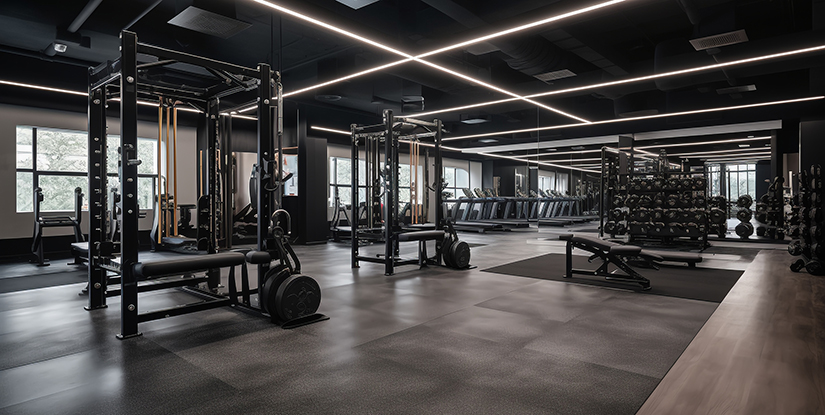
Identifying the Discrepancy Between General Fitness Gear and Performance Standards
The primary challenge in strength training facilities is the premature degradation of equipment when subjected to high-intensity, high-volume training loads. Most retail-grade equipment is designed for general fitness and light recreational use, which creates a significant performance gap when these items are used by advanced athletes. Serious lifters do not merely use equipment; they subject it to extreme mechanical stresses, including rapid load changes, high-impact drops, and repetitive friction.
When a facility or a private garage gym utilizes gear that cannot withstand these forces, the result is often catastrophic failure or diminished training quality. For example, a standard barbell designed for light aerobic work may suffer from permanent knurling smoothing or even shaft deformation under a 200kg load. To avoid these failures, one must move beyond aesthetic appeal and focus on metallurgical and mechanical specifications. Understanding these foundational requirements is the first step in successfully matching weight lifting equipment to serious lifters.
Defining the Performance Gap
The gap is defined by the divergence between theoretical load capacity and operational endurance. While a piece of equipment might be rated for a specific weight, the rate of fatigue accumulation determines its actual lifespan in a high-performance environment. We must transition from looking at 'maximum load' to 'durability under dynamic stress.'
Identifying these fundamental differences allows us to move into the specific technical requirements for the most critical components: the barbell and the plates.
Critical Specifications for High-Tensile Barbell Selection
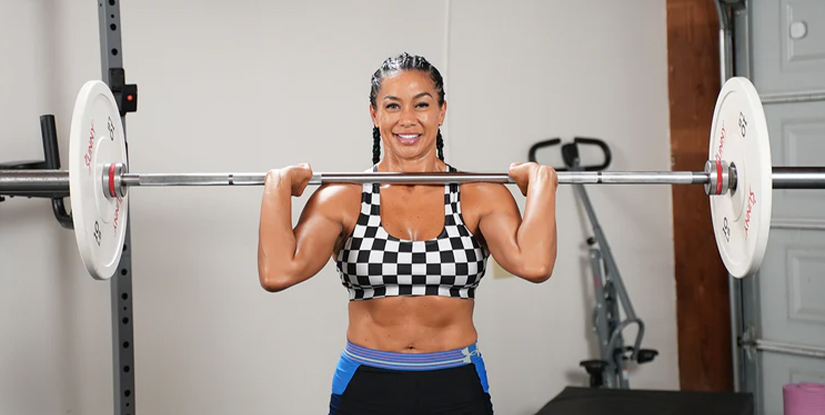
The barbell is the most vital tool in any strength athlete's arsenal, yet it is frequently the most misunderstood. A common mistake is selecting a bar based solely on its weight or the feel of the knurling without analyzing the steel's tensile strength and whip characteristics. For serious lifters, the barbell must act as a reliable extension of their kinetic chain, providing consistent feedback and maintaining structural integrity over thousands of cycles.
When selecting a barbell, the user must evaluate three primary metrics: tensile strength, knurling depth, and bearing smoothness. If the steel lacks sufficient tensile strength, the bar will lose its 'memory' and stay permanently bent after heavy lifts. If the bearings are poorly constructed, the rotation will be uneven, causing excessive strain on the wrists during high-speed movements.
| Specification Category | Standard Fitness Grade | Performance Grade (Serious Lifters) | Verification Method |
|---|---|---|---|
| Tensile Strength | Low to Moderate | 190,000 PSI or higher | Check technical sheet for PSI/GPa |
| Knurling Texture | Light/Soft | Aggressive/Defined | Tactile inspection of grip bite |
| Rotation Mechanism | Bushings (Slower/Rougher) | Needle Bearings (Smooth/High Speed) | Observe spin consistency during rotation |
| Bar Diameter | Variable/Less Consistent | Strict 28mm or 29mm (Standardized) | Use digital caliper to verify diameter |
By verifying these specifications against high-performance benchmarks, an operator can ensure the bar provides the necessary durability. These structural considerations for the bar must be complemented by the weight-bearing capacity of the plates.
The Risk of Brittle Failures in Low-Grade Steel
A significant failure mode in substandard bars is brittle fracturing. This occurs when the steel is too hard and lacks the necessary ductility to absorb shock. In high-impact environments like Olympic lifting, a bar that lacks sufficient elasticity can snap under high-velocity transitions. Always prioritize bars that list a specific deformation range or elastic limit to prevent such dangerous outcomes. Once the central axis of the lift is secured, the focus must shift to the external load: the weight plates.
Optimizing Plate Density and Structural Integrity
The second major failure point in many training environments is the use of low-density or improperly manufactured weight plates. Serious lifters require plates that maintain strict weight tolerances and exhibit minimal thickness variance. A plate that is significantly thicker or thinner than its counterparts can cause an unbalanced load, leading to uneven wear on the barbell sleeves and potential injury to the athlete.
For high-impact disciplines like weightlifting or strongman training, the material composition of the plate is critical. Rubber-coated plates offer protection for the floor, but for high-intensity use, the density and durometer (hardness) of the rubber must be high enough to prevent permanent compression or 'pancake' deformation. If a plate loses its shape due to repeated drops, it becomes an unreliable metric for progress.
Material Comparison: Iron vs. Bumper Plates
Choosing between different plate types depends heavily on the specific training modality. While iron plates are excellent for static strength training due to their thin profile, they lack the impact absorption required for dynamic lifts. Bumper plates, conversely, are essential for any training involving the floor-drop of the weight.
- Cast Iron/Steel Plates: Best for powerlifting and fixed-load strength sessions. They offer high density but zero impact absorption.
- High-Density Bumper Plates: Essential for Olympic lifting. They must be made of virgin rubber or high-density urethane to ensure they rebound consistently without cracking.
- Urethane-Coated Plates: Provides the best balance of durability and impact resistance, though they typically carry a higher cost-to-benefit ratio.
A common oversight is purchasing high-density bumpers that are too soft, which leads to erratic bounces. To verify quality, inspect the edge profile of the plates for uniformity and ensure they can withstand repeated drops from a height of at least one meter without significant deformation. With the load components understood, the next critical area of assessment is the stability of the lifting platform and the racking systems.
Mechanical Stability and Rack Compliance Standards
The stability of a rack is not merely a matter of weight capacity, but of structural rigidity under lateral and longitudinal force. A common problem in home and commercial gyms is 'rack wobble,' where a barbell is racked or unracked, and the entire structure shifts. This instability is caused by insufficient gauge steel or poor-quality welding, and it can lead to dangerous weight shifts during a lift.
For the serious lifter, the rack must be a fixed, unyielding structure. This requires a focus on the steel gauge and the connection points of the uprights. A high-performance rack should ideally utilize heavy-duty steel (often 11-gauge or thicker) to ensure that the frame remains upright even when the athlete is performing explosive movements or high-intensity pulls.
| Rack Component | Failure Mode (Low Quality) | Performance Indicator (High Quality) | Actionable Check |
|---|---|---|---|
| Upright Steel Gauge | Thin/Flexible (14-gauge or more) | Heavy Duty (11-gauge or 7-gauge) | Measure thickness with calipers |
| Cross-Member Connection | Bolted/Weak/Flexible | Fully Welded or High-Tension Bolted | Apply lateral force to test for sway |
| J-Cup/Hook Design | Thin/Narrow/Single-Point | Wide/Deep/Multi-Point Support | Verify grip surface area and depth |
| Base Footprint | Small/Narrow/Unstable | Large/Wide/Weighted | Check for floor-to-base contact stability |
The stability of the rack provides the foundation for the lift, but the athlete also requires a surface that can manage the energy of the descent. This leads us to the critical role of flooring and impact mitigation.
The Importance of Load Distribution in Flooring
A common mistake is neglecting the floor under the assumption that any 'rubber mat' will suffice. However, professional-grade lifting requires high-density impact flooring that manages two specific forces: vertical impact (dropping weights) and lateral shock (the movement of the athlete). Inadequate flooring leads to cracked concrete subfloors and damaged equipment, effectively increasing the total cost of ownership. To verify your flooring is adequate, check the density and the thickness. A standard 10mm mat is often insufficient for serious lifting; a 20mm to 30mm high-density rubber mat is the minimum recommendation for environments where heavy barbell drops are frequent.
Optimizing the Lifting Environment: Flooring and Layout
The physical environment acts as the silent partner to the athlete. A poorly configured layout can lead to equipment collisions, while substandard flooring can create uneven surfaces that compromise balance. When matching equipment to serious lifters, the floor must be treated as a structural component rather than an aesthetic finish.
A common failure mode in training environments is 'corner creep,' where heavy loads placed near walls cause subtle structural shifts. To mitigate this, ensure that all weight-bearing equipment is placed on a unified, high-density surface that extends at least 1 meter beyond the footprint of the rack. This creates a stable 'lifting zone' that distributes energy evenly across the subfloor.
- Density Check: High-performance rubber should have a high density (often measured in kg/m³) to prevent 'bottoming out' during high-velocity drops.
- Layout Strategy: Maintain a minimum of 1.5 meters of clearance between heavy implements to prevent accidental collisions during high-intensity movements.
Once the environment and the primary tools are secured, the focus turns to the long-term maintenance required to keep them at peak performance.
Preventative Maintenance and Inspection Protocols
Even the highest quality equipment will eventually degrade if not subject to a strict maintenance regimen. A failure to inspect equipment regularly is the most common cause of preventable accidents in high-performance facilities. Maintenance should not be reactive (fixing things after they break) but proactive (inspecting things before they fail). A structured inspection protocol ensures that minor issues are identified before they become catastrophic failures.
The Professional Maintenance Checklist
Operators should implement a tiered inspection system to ensure all components are functioning within their original design tolerances. This includes both visual and mechanical assessments.
- Daily Visual Inspection: Check for frayed coatings on barbells, visible cracks in rubber bumpers, and loose bolts on racks.
- Weekly Mechanical Test: Rotate the barbell sleeves to ensure smooth spin. Test the movement of any adjustable parts for unexpected resistance.
- Monthly Structural Audit: Conduct a thorough check of all welding points on racks and the torque of all major bolts. Inspect the floor for any signs of indentation or permanent deformation.
By strictly following these protocols, an operator can extend the life of their equipment significantly. This brings us to the final aspect of equipment matching: the long-term return on investment (ROI) through selection.
The ROI of High-Quality Selection vs. Long-Term Cost
Many buyers initially choose lower-cost, lower-spec equipment to save on upfront capital. However, when matching weight lifting equipment to serious lifters, this is often a false economy. The total cost of ownership (TCO) for high-quality equipment is typically lower because it requires fewer replacements and maintains its value longer. Low-spec gear is often 'disposable,' meaning the buyer will be replacing it within 12 to 24 months of heavy use.
To determine the true value of an equipment purchase, one must calculate the frequency of expected replacement alongside the cost of downtime or injury. A high-quality barbell that lasts a decade is far more cost-effective than two mid-grade barbells that are retired due to permanent bending or bearing failure. High-quality selection isn't just about performance; it's about strategic procurement that prioritizes long-term stability and financial efficiency.