

How to Customize Gym Equipment for Your Brand Identity
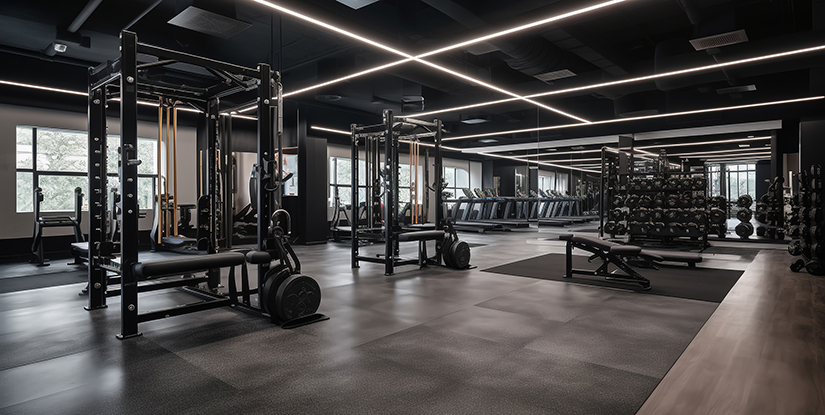
The Pitfall of Generic Equipment in Premium Facilities
Many high-end fitness facility operators encounter a frustrating paradox: they invest heavily in premium real estate and high-tier coaching, yet the visual landscape of their facility feels uninspired and 'off-the-shelf.' The problem of brand dilution occurs when the physical tools used by clients—the dumbbells, the cable machines, the treadmills—do not reflect the unique ethos of the venue. This lack of cohesion often stems from a failure to recognize that equipment is not merely a functional tool, but a high-visibility touchpoint of the brand.
A generic aesthetic can signal to a client that the facility is a commodity rather than a specialized destination. When a luxury boutique gym uses the same standard black-and-silver equipment as a budget commercial chain, the perceived value of the membership drops. To resolve this, operators must shift from being simple purchasers to becoming curators of a customized environment. This requires understanding the technical layers of equipment manufacturing, from powder coating to upholstery textures. Understanding these layers is the first step toward transforming a standard floor into a branded experience.
Identifying the Causes of Brand Mismatch
The mismatch usually arises from two primary sources: limited procurement options and a lack of technical specifications during the ordering phase. Most buyers treat equipment as a finished unit, failing to realize that certain components are modular and customizable. By identifying these gaps early, you can move from selecting a product to designing a brand asset.
| Common Branding Failure | Root Cause | The Customization Fix |
|---|---|---|
| Visual Inconsistency | Ordering from multiple non-integrated suppliers | Standardize a single color palette across all manufacturers |
| Weak Brand Recognition | Standardized logos and generic machine aesthetics | Integrated custom color schemes and laser-etched branding |
| Low Perceived Value | Standard, utilitarian material finishes | Premium tactile surfaces and custom upholstery textures |
Once the need for a cohesive visual identity is established, the next critical step involves selecting the specific technical finishes that will carry that identity through the years of high-intensity use.
Explore the complete technical specifications:
How Customization Increases Your Gym's Brand Value | Maximize ROI
Mastering Color Systems and Surface Finishes
Building on the realization that equipment is a brand touchpoint, operators must now address the most visible customization element: the color and finish. A common mistake is choosing a vibrant color that looks excellent in a digital mockup but fails under the harsh LED lighting of a commercial gym or shows excessive wear after three months of use. This failure is usually caused by a lack of understanding regarding powder coating and paint durability.
To implement a successful color strategy, you must define a specific color palette that includes a primary 'hero' color and several neutral secondary colors. For instance, a high-energy CrossFit facility might utilize high-saturation neon accents, whereas a wellness center would favor muted, earthy tones. The mechanism of customization here lies in the powder coating process. Powder coating is more durable than liquid paint because it creates a thicker, more resilient barrier that is resistant to scratches and oxidation.
Selecting the Right Coating Types
The choice of finish directly impacts both the brand's look and the equipment's longevity. You must verify that the coating specified can withstand the specific environmental stressors of your facility.
- Matte Powder Coating: Ideal for modern, high-end aesthetic; hides fingerprints well; can be more difficult to clean if porosity is high.
- Gloss Powder Coating: Highly reflective and energetic; very easy to wipe down; may appear 'cheap' if the quality is low.
- Textured/Sand Finish: Provides a premium, rugged feel; excellent for heavy-duty strength equipment; conceals minor scratches and scuffs.
A common error is failing to request a 'test swatch' of the actual powder coating on a metal substrate. Colors change significantly depending on the light temperature (Kelvin) of your facility. Always verify the color under your actual gym lighting before a large-scale order. Once the color and finish are locked in, the focus must move from the metal frame to the soft-touch elements like upholstery and grips.
Explore the complete technical specifications:
Customizing Upholstery and Tactile Brand Elements
While the frame provides the structural identity, the upholstery and hand grips provide the tactile identity. A professional operator understands that the 'feel' of a machine is just as important as its 'look.' A failure to customize these elements often leads to a sensory disconnect; a client may see a luxury machine but feel a low-quality, thin padding upon use. This is caused by focusing exclusively on visual branding while neglecting the physical contact points.
To create a truly branded experience, you should specify custom textures and stitching patterns for all benches, seat pads, and even hand grips. If your brand identity is 'Rugged and Industrial,' your upholstery might feature heavy-duty, textured vinyl with thick, prominent stitching. If your brand is 'Sleek and Tech-Focused,' you might opt for smooth, high-grade synthetic leather with minimal, streamlined seams.
Defining Material Specifications
When communicating with suppliers, use precise terms to avoid receiving generic products. Use the following comparison to guide your selection:
| Component | Standard Option (Generic) | Custom Brand Option (Premium) | Verification Metric |
|---|---|---|---|
| Bench Padding | Basic black vinyl, thin foam | Reinforced high-density foam, custom textured vinyl | Check for 'compression recovery' time |
| Weight Plate Grips | Standard rubberized plastic | Branded textured rubber or custom color-coded urethane | Check for grip friction under moisture |
| Handle Grips | Standard knurling or basic rubber | Color-coordinated, ergonomic branded grips | Check for ergonomic comfort and durability |
The goal is to ensure that every time a client touches the equipment, they are interacting with your brand. This extends beyond the seat to the very grips they hold. After finalizing the tactile elements, you must address the permanent placement of your visual identifiers through integrated signage.
Integrating Brand Signage and Logo Placement
With the colors and textures established, the final layer of customization is the integration of the official brand logo and identity marks. A common mistake in this stage is the use of low-quality adhesive decals. Decals often peel at the edges due to sweat, friction, and cleaning chemicals, leading to a 'degraded' look that actually damages your brand prestige. This occurs because operators choose cheap, temporary solutions for permanent branding needs.
To achieve a professional result, you should move toward permanent integration methods. This involves several levels of customization depth, ranging from simple metal plates to full-scale manufacturing integration. The more integrated the logo, the more 'built-in' the brand feels to the client.
Levels of Logo Integration
Operators should decide on a level of integration based on their budget and the desired permanence of the branding. Choosing the wrong method can lead to the rapid degradation of the visual identity.
- Level 1: Laser-Etched Metal Plates: A high-quality option where a small metal plate with your logo is riveted or bolted to the machine. This is highly durable and professional.
- Level 2: Silk-Screened Graphics: Ideal for larger, flat surfaces like the sides of weight stacks or machine frames. Ensure the supplier uses high-grade, UV-resistant inks.
- Level 3: Integrated Molded Branding: The most advanced method, where the brand name or logo is part of the actual injection molding for plastic parts or the casting of weight plates.
A professional should verify the durability of these logos by performing a 'scratch test' on a sample or by checking the ink's resistance to common gym cleaning agents. Once the visual and physical markers are integrated, the final step is ensuring that these customizations do not interfere with the equipment's performance or maintenance.
Maintaining Brand Integrity through Inspection and Care
Even the most beautifully customized equipment will fail to uphold a brand identity if it is not properly maintained. A common problem is 'brand erosion,' where high-end, custom-branded machines begin to look neglected due to poor cleaning habits or improper maintenance. This is often caused by the use of harsh, non-compatible cleaning chemicals that strip away custom powder coatings or degrade custom upholstery. When a brand's physical assets look worn, the brand itself feels unreliable.
To prevent this, operators must develop a specific maintenance protocol tailored to their custom elements. A standard 'wipe down' is not enough when you have specific textures and specialized finishes. You must treat your equipment as a branded asset that requires a specialized care regimen. This involves selecting cleaning agents that are pH-neutral and specifically formulated for the materials you have chosen.
The Custom Equipment Maintenance Checklist
Use this checklist to verify that your branded equipment is being maintained to the high standards your identity demands.
- Surface Inspection: Weekly check for any chips in the powder coating or scuffs on the custom colors.
- Upholstery Integrity: Monthly check for tears, discoloration, or loss of shape in custom-stitched pads.
- Logo Verification: Quarterly inspection of metal plates and screen-printed graphics for peeling or fading.
- Cleaning Agent Audit: Monthly verification that staff are using only approved, non-abrasive cleaning solutions.
By strictly following these maintenance cycles, you ensure that the investment in customization continues to pay dividends in brand perception. The final stage of the customization journey is realizing that these elements must exist within a controlled procurement framework to ensure long-term consistency.
Developing a Long-Term Procurement Strategy
The final and perhaps most difficult step in the customization process is ensuring that your branded look can be maintained as you grow or replace equipment. A major pain point for expanding facilities is the 'mismatched fleet' problem, where new equipment arrives that does not match the existing color, texture, or logo integration of the original setup. This is caused by a lack of centralized procurement documentation and a failure to build long-term relationships with a single, capable supplier.
To avoid this, you should not just buy equipment; you should establish a 'Spec Sheet Registry.' This is a document that holds all the technical details of your customized elements: the exact Pantone color codes, the specific powder coating texture name, the upholstery material grade, and the logo file specifications. When you need to add more machines in two years, you simply provide this sheet to your supplier to guarantee an exact match.
Creating a Digital Asset Library
As your facility evolves, your brand must remain consistent. A digital library containing high-resolution vector files of your logos and high-fidelity images of your material textures will serve as a source of truth for all future vendors. This prevents the 'version drift' that occurs when different manufacturers use slightly different iterations of your brand marks.
| Asset Type | What to Include | Why It Matters |
|---|---|---|
| Color Identity | Pantone codes and CMYK values | Ensures color consistency across different manufacturing batches |
| Logo Assets | Vector (AI/EPS) files and high-res PNGs | Prevents pixelation and ensures crisp branding on machines |
| Material Samples | Texture names and manufacturer SKU numbers | Guarantees that new upholstery matches existing equipment |
By centralizing these assets, you move from reactive purchasing to proactive brand management. This strategic approach ensures that whether you are opening a second location or simply upgrading a single station, your brand identity remains unbroken and unmistakable.
Explore the complete technical specifications:
Final Thoughts on Brand-Driven Equipment Selection
Customizing gym equipment is not a luxury—it is a fundamental component of modern brand management. From the initial selection of powder coating finishes to the long-term maintenance of custom upholstery, every decision contributes to the perceived value of your fitness facility. By moving beyond generic procurement and investing in a highly specified, documented, and maintained collection of branded assets, you create an environment that resonates deeply with your target demographic.
A truly branded facility is more than just a place to work out; it is a physical manifestation of a brand's promises. When your equipment reflects your identity through color, texture, and integrated signage, you build a professional image that justifies premium pricing and fosters long-term client loyalty. Start your journey toward a customized facility today by focusing on the details that set you apart.