

How to Choose the Right Weight Training Equipment for Your Gym
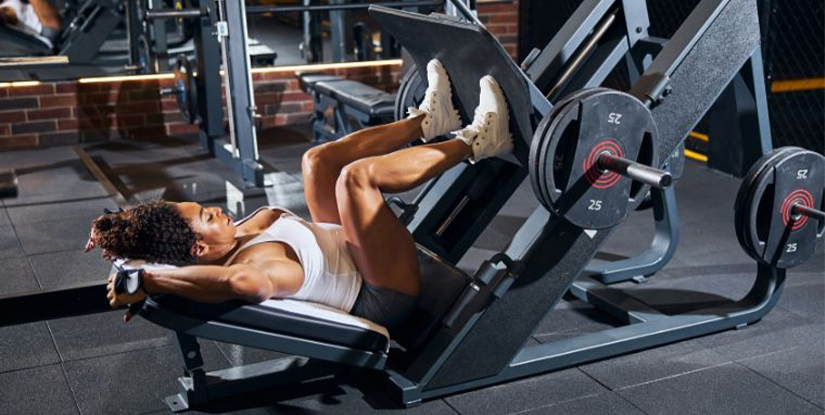
Defining Your Gym's Functional Requirements
Before purchasing any hardware, you must define the primary purpose of your facility. A boutique strength studio requires a vastly different inventory than a multi-purpose commercial fitness center. The first step is determining the ratio of free weights to selectorized machines. For instance, a high-intensity interval training (HIIT) focused gym may prioritize kettlebells and functional trainers, while a traditional bodybuilding gym demands heavy-duty racks and plate-loaded machines. A common mistake is over-investing in niche equipment that sits idle, failing to account for the diverse user base. Consider the following checklist for your initial planning:
- Target demographic (professional athletes vs. general fitness enthusiasts)
- Expected daily foot traffic (low-volume vs. high-traffic)
- Available floor space versus equipment footprint
- Primary training modalities (strength, hypertrophy, or functional movement)
Assessing Structural Integrity and Frame Construction
The longevity of your investment depends heavily on the gauge and quality of the steel used in the chassis. When evaluating weight training equipment, you should look for high-gauge steel construction—typically 11-gauge or 12-gauge for heavy-duty commercial use. A lightweight or flimsy frame is a significant failure mode, as it can lead to wobbling or even structural collapse under heavy loads. To differentiate quality, check the welding points; consistent, thick, and smooth welds indicate a high standard of manufacturing. A simple test is to apply moderate pressure to the frame during a simulated lift; if the frame vibrates or shifts, it lacks the necessary rigidity. As you move from the frame to the moving parts, the focus shifts to mechanical precision.
Mechanical Precision and Resistance Smoothness
Selectorized machines rely on complex pulley systems and weight stacks, making the smoothness of the resistance a critical decision criterion. When testing a machine, observe the weight stack as it moves through its full range of motion. If you notice any 'notching,' stuttering, or jerky movements, it is a sign of low-quality pulleys or improperly aligned guide rods. This lack of precision can lead to user injury and accelerated wear on the cables. A high-quality machine should provide a consistent resistance profile throughout the entire concentric and eccentric phases of the lift. Below is a comparison of resistance types:
| Feature | Selectorized Machines | Plate-Loaded Machines |
|---|---|---|
| Resistance Type | Fixed increments via weight stack | Variable increments via weight plates |
| Resistance Feel | Fluid and constant (if high quality) | Highly variable based on plate stability |
| Ease of Use | High (quick adjustments) | Medium (requires loading/unloading) |
Explore the complete technical specifications:
Material Selection: Upholstery, Bearings, and Cables
The contact points of your equipment—the upholstery, the cables, and the bearings—are the first areas to show signs of wear and tear. For upholstery, prioritize high-density foam wrapped in heavy-duty, sweat-resistant synthetic leather. A common failure mode is 'bottoming out,' where the foam loses its shape, causing the user to feel the hard base underneath. For cables, look for steel cables with a high-tensastility coating to prevent fraying. Similarly, the quality of the bearings in the pivot points will determine how long the machine remains functional without constant lubrication. If the bearings are made of low-grade plastic rather than high-quality steel or bronze, the machine will likely become noisy and stiff within months. While material quality is vital, your success also depends on how you arrange these items within your facility.
Optimizing Facility Layout and Ergonomics
Having high-quality equipment is useless if the layout prevents a smooth user experience. Proper layout optimization involves calculating the 'working footprint' of each machine, not just its physical dimensions. A plate-loaded squat rack requires significantly more space during a lift than it does when idle. A common mistake is crowding machines too closely, which creates safety hazards and bottlenecks in high-traffic zones. A professional layout should ensure that there is ample clearance for users to move safely around the equipment and that heavy-use zones are separated from high-traffic walkways. Once your layout is finalized, you must implement a system to keep the hardware in peak condition. This leads to the necessity of a rigorous maintenance schedule.
Developing a Preventative Maintenance Schedule
A proactive maintenance schedule is the only way to ensure a low total cost of ownership. Rather than waiting for a machine to break, you should implement a tiered inspection system. Daily checks should focus on visual indicators like torn upholstery or frayed cables. On a quarterly basis, a deep technical inspection is required. This includes checking the torque on all bolts, lubricating the guide rods and bearings, and inspecting the tension of the cables. Failure to perform these tasks leads to rapid mechanical fatigue and increased repair costs. A sample quarterly maintenance checklist includes:
- Tighten all structural bolts and fasteners
- Lubricate guide rods with silicone-based lubricant
- Check cable tension and sheath integrity
- Inspect upholstery for cracks or tears
- Verify the stability of all adjustable components
Analyzing Total Cost of Ownership (TCO)
When purchasing equipment, the initial price tag is often a deceptive metric. To truly understand the value of your purchase, you must calculate the Total Cost of Ownership (TCO). This includes the initial purchase price, shipping, installation, the cost of replacement parts (like cables and pads), and the projected frequency of maintenance. A cheaper, residential-grade machine might have a low upfront cost, but its TCO in a commercial setting is extremely high due to frequent breakdowns and replacements. Conversely, investing in professional-grade equipment with a higher initial cost often results in a lower TCO over a five-year period due to its durability and lower maintenance needs. Understanding these economic variables is the final piece in a professional procurement strategy.
Common Pitfalls in Equipment Procurement
The final stage of choosing the right equipment is avoiding the most frequent errors made by gym owners. The most prevalent mistake is the 'Residential Trap,' where buyers attempt to save money by purchasing equipment designed for home use in a commercial facility. Residential equipment cannot handle the high-frequency, high-impact use of a gym, leading to near-instantaneous mechanical failure. Another pitfall is neglecting the 'Support Infrastructure,' such as high-density rubber flooring. Without proper flooring to absorb dynamic loads, the impact of dropped weights can damage both the equipment's frame and the building's subfloor. By avoiding these errors and focusing on the technical specifications discussed, you can build a high-performance training environment that lasts for years.