

How to Build a Weight Lifting Equipment Set for Your Gym
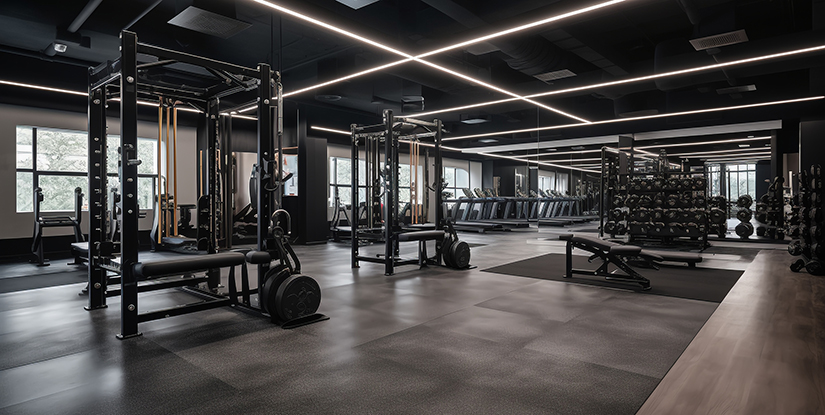
Establishing Architectural Foundations for Strength Equipment
Building a professional-grade lifting environment is not merely a matter of purchasing various steel structures; it is a systematic engineering process. A common failure in gym construction is the oversight of load distribution and structural integrity, leading to floor vibrations or even catastrophic equipment failure under heavy eccentric loads. To successfully build a weight lifting equipment set for your gym, one must first address the fundamental relationship between the load being lifted and the floor's structural capacity.
The primary technical challenge is managing the kinetic energy generated during heavy movements. When a lifter drops a barbell from height, the instantaneous force can be several times the static weight of the bar and plates. This phenomenon, known as dynamic loading, requires a deliberate mitigation strategy involving high-density flooring and structural damping. Without these foundations, the constant shockwaves will eventually compromise the surrounding facility's integrity.
- Surface Load Capacity: Verify the floor's PSI rating against the intended weight of your most heavy-duty stations.
- Damping Requirements: Plan for high-impact rubber matting with a thickness depth capable of absorbing vibration.
- Zoning: Isolate high-impact zones from lighter cardio or functional zones to prevent rhythmic interference.
Once the structural foundation is verified, the focus shifts from the floor upward toward the selection of the heavy-duty lifting platforms and racks that will define the primary training space.
Selecting High-Performance Lifting Platforms and Racks
Moving from the foundational floor to the primary lifting apparatus, the selection process must be guided by structural rigidity and ergonomic stability. A common mistake among operators is selecting racks based solely on aesthetic appeal or price, rather than the gauge of the steel and the precision of the upright tolerances. A rack that wobbles under a 100kg load is a liability, not a tool.
Mechanical Specifications for Power Racks
When evaluating power racks or squat stands, the operator must look beyond the basic frame and analyze the internal technical specifications. The most critical parameter is the steel gauge. For a professional setting, heavy-duty 11-gauge steel is the industry standard for durability, whereas lighter 14-gauge steel is often insufficient for sustained commercial usage.
| Component | Standard Specification | Common Failure Mode | Operator Verification |
|---|---|---|---|
| Steel Gauge | 11-gauge (minimum) | Structural bowing under load | Visual check for straightness |
| Upright Tolerance | High precision / < 1mm deviation | Jolting during bar transitions | Manual shake test for stability |
| J-Cup Type | Knurled or high-grip design | Bar slippage during unrack | Pressure test with empty bar |
| Safety Spotters | Full-length or heavy-duty adjustable | Mechanical collapse | Weight test with 1.5x intended load |
The precision of the adjustment holes is another critical metric. If the holes are not perfectly aligned or if the tolerances are too loose, the barbell's trajectory will be subtly uneven, leading to long-term mechanical wear on the rack and potential injury to the lifter. The goal is a seamless transition from the unrack to the lift.
With the skeletal structure of the gym—the racks and platforms—now established, the attention must turn to the mechanical tools used to manipulate weight: the barbells and weight plates.
Technical Standards for Barbells and Plate Selection
The performance of a weight lifting set is heavily dependent on the technical quality of the iron and steel. A poorly manufactured barbell can actually change its effective weight during a lift due to inconsistent knurling or uneven shaft vibration. Understanding the mechanical properties of the steel is essential for maintaining long-term utility and safety.
Barbell Mechanics: Knurling, Tensile Strength, and Whip
A professional barbell is defined by three main characteristics: the knurling pattern, the tensile strength of the steel, and the 'whip' or oscillation of the shaft. In a professional gym, you cannot treat all bars as equal. A powerlifting bar, for instance, requires high stiffness (low whip) to ensure stability during heavy squats, whereas an Olympic lifting bar requires a specific amount of whip to assist in the transition phase of a clean or snatch.
- Tensile Strength: High-grade steel with a tensile strength rating ensures the bar will not permanently deform under extreme loads.
- Knurling Texture: The 'bite' of the knurling must be consistent across the length of the bar to prevent grip failure during high-intensity sessions.
- Bearing Systems: For rotational bars, the speed and smoothness of the sleeves are critical to prevent wrist fatigue and injury.
Complementing the barbell are the weight plates. For high-traffic gyms, the transition from standard iron plates to high-density urethane-coated plates is a critical decision regarding long-term ROI and equipment longevity. While iron is cost-effective, urethane offers better impact resistance and less noise, which significantly reduces the wear on the barbell's sleeves.
After selecting the primary mechanical tools, the next logical step is ensuring these components are housed and organized in a way that prevents mechanical degradation.
Explore the complete technical specifications:
200kg Bumper Plate Set: Your Complete Guide to Heavy Lifting
Optimizing Weight Storage and Maintenance Protocols
The longevity of a professional weight lifting set is often determined not by how it is used, but by how it is stored. Improper storage leads to the most common and preventable failure modes in gym equipment: oxidation, bearing seizure, and physical deformation of the weight plates and barbell sleeves.
Strategic Implementation of Storage Solutions
A professional set must include dedicated storage for all components. Weight trees and plate racks should be positioned to minimize movement and prevent plates from hitting the floor, which can lead to micro-fractures in even high-quality plates. Similarly, barbell racks should be designed to keep bars off the floor and away from high-moisture areas.
| Storage Type | Best Practice Implementation | Mitigation of Wear |
|---|---|---|
| Vertical Plate Trees | Weighted base, heavy-duty steel construction | Prevents tipping and plate edge chipping |
| Horizontal Barbell Racks | Multiple tier design with protective padding | Prevents bar knurling wear and oxidation |
| Dumbbell Racks | Tiered or specialized upright racks | Ensures quick access and prevents floor damage |
Maintaining the mechanical integrity of the bars and plates requires a disciplined inspection cadence. Operators should implement a structured checklist to ensure that the equipment remains in peak operational condition.
Daily and Monthly Inspection Checklist
A professional operator does not wait for a failure to occur; they proactively identify potential issues through regular monitoring. The following checklist should be integrated into the facility's routine maintenance schedule.
- Daily (Visual/Tactile): Check for any visible rust on barbell sleeves; inspect knurling for any dull or worn patches; ensure weight plates are seated correctly on storage trees.
- Weekly (Mechanical): Test the rotation of barbell sleeves for smoothness; check for any loose bolts on power racks; inspect rubber flooring for any lifting edges or cracks.
- Monthly (Deep Audit): Inspect all safety pins and spotter arms for structural deformation; check for any unevenness in the barbell shaft; verify that all barbell racks are stable and level.
Strict adherence to these maintenance protocols ensures that the technical precision of the equipment is preserved, directly impacting the safety of the users and the durability of the investment.
Avoiding Common Procurement and Setup Failures
The process of building a weight lifting set is fraught with subtle traps that can lead to significant financial loss. Understanding these pitfalls is essential for any facility manager or gym owner. One of the most frequent errors is the failure to consider the 'total system compatibility' between various pieces of equipment.
The Compatibility Trap and Scale Errors
A common mistake occurs when an operator purchases high-end, high-tolerance barbells and pairs them with low-quality, high-variance weight plates. The uneven weight distribution of the plates can cause the barbell to oscillate unpredictably, effectively ruining the precision of the expensive bar. This lack of synergy leads to frustration and an inability to perform technical lifts correctly.
The Cost-of-Ownership Oversight
Another critical error is focusing solely on the initial purchase price rather than the total cost of ownership (TCO). A cheap, low-gauge steel rack might save money in the first month, but the cost of replacing a bent or failed structure—along with the potential liability of a user injury—far outweighs the initial savings. A technical approach to procurement involves calculating the lifespan and maintenance requirements of each piece of equipment before the purchase order is signed.
By recognizing these systemic risks, operators can move from a reactive to a proactive stance, ensuring that the gym functions as a high-performance training environment rather than a collection of mismatched, decaying hardware.
Final Verification of Equipment Performance
The final stage of building a weight lifting equipment set is the verification phase. It is not enough to simply set up the equipment; you must rigorously test its performance under controlled conditions to ensure it meets the specified technical standards. This verification process serves as the ultimate quality control for the entire assembly.
The Systematic Testing Protocol
To ensure the gym is ready for full-scale operation, the facility manager should perform several standardized tests. This is not a guess; it is a mechanical verification of the installed systems. For example, a 'Static Load Test' can be performed by placing the maximum anticipated weight on a rack or platform to check for any perceptible movement or vibration. A 'Rotation Test' for barbells involves checking the spin of the sleeves at varying speeds to ensure the bearings are functioning smoothly without any resistance or grit.
The following table summarizes the final verification steps required before a facility opens its doors to users:
| Test Category | Methodology | Target Outcome |
|---|---|---|
| Structural Rigidity | Incremental loading of rack and platform | Zero perceptible movement or deflection |
| Component Symmetry | Full-length visual inspection of bars and plates | Perfectly even weight and knurling distribution |
| Safety Functionality | Triggering of safety pins and spotter arms | Immediate and stable arrest of moving bar |
| Surface Integrity | Impact test with moderate weight drop | No audible cracking or significant floor rebound |
Once these tests are completed and documented, the facility can proceed with confidence, knowing that the weight lifting equipment set is engineered for safety, durability, and peak athletic performance.