

Engineering Versatility: How Gym Workout Equipment Supports Different Training Styles
Analyzing the Mechanical Requirements of Diverse Training Modalities
A primary failure in facility design occurs when an operator assumes a single category of resistance can satisfy a diverse clientele. When a gym is outfitted with equipment that lacks the necessary mechanical versatility, the result is rapid user attrition and premature wear on non-specialized machines. This technical friction often manifests as users attempting to adapt suboptimal equipment to advanced training styles, leading to compromised biomechanics and increased injury risk. Understanding how gym workout equipment supports different training styles requires a deep dive into the mechanical resistance profiles, degrees of freedom, and load-path engineering inherent in modern fitness hardware.
The fundamental problem stems from a mismatch between the user's kinetic intent and the machine's fixed path of motion. For instance, a user attempting explosive plyometric-style movements on a machine designed for slow, controlled hypertrophy will encounter high-impact shock loads that the machine's bearings and cable systems were not engineered to dampen. Resolving this requires selecting equipment based on specific resistance curves rather than just aesthetic or footprint considerations. By aligning the machine's tension profile with the intended training style, operators can extend the lifecycle of the asset and ensure user safety.
The Impact of Resistance Profile Mismatch
When a training style demands variable resistance—such as the increasing tension found in certain functional movements—and the equipment provides a static or linear resistance, the mechanical efficiency of the exercise drops. This mismatch is a leading cause of premature cable fraying and pulley seizure in high-traffic facilities. A well-engineered facility anticipates these varying load demands through a strategic mix of fixed-path and free-motion systems.
Mechanical Archetypes for Strength and Hypertrophy Training
Building upon the need for specific resistance profiles, we must categorize equipment by its mechanical architecture to ensure it meets the demands of strength and hypertrophy-focused users. Strength training often requires high-load stability and structural rigidity, whereas hypertrophy training demands consistent tension throughout a full range of motion. Selecting the wrong archetype can lead to catastrophic failures in high-load scenarios.
The most common mistake is over-reliance on selectorized machines for pure strength development. While selectorized machines offer safety and ease of use, they often lack the progressive overload capabilities required for advanced strength athletes. A structural failure in these machines usually begins at the weight stack guide rods or the selector pin mechanism due to excessive lateral force. To prevent this, operators must verify the load-bearing capacity and the structural gauge of the steel used in the frame.
| Equipment Type | Primary Mechanical Driver | Best Training Style | Common Failure Mode |
|---|---|---|---|
| Selectorized Machines | Fixed Cam/Pulley System | Hypertrophy & Beginners | Selector pin wear & guide rod friction |
| Plate-Loaded Machines | Direct Weight Stack/Lever | Strength & Power | Pivot point misalignment |
| Free Weights | Gravitational Load | All Styles (Multi-planar) | Dumbbell knurling degradation |
| Functional Trainers | Variable Cable Tension | Functional & Metabolic | Cable fraying & pulley seizing |
The technical distinction between these archetypes becomes critical when the facility transitions from a basic strength-building environment to a more specialized training center. Once the mechanical archetypes are established, the focus must shift toward how specialized movements are accommodated.
Accommodating Functional and Multi-Planar Movement Patterns
Following the establishment of core mechanical archetypes, operators must address the demand for multi-planar, functional movements. Standard resistance machines are inherently constrained to a single plane of motion, which can stifle the development of lateral stability and rotational strength. This limitation is often cited by advanced athletes as a reason for switching facilities, as the equipment cannot mimic the unpredictable nature of real-world or athletic movement.
The technical solution lies in the integration of cable-based systems and suspended training modules. These systems provide a dynamic resistance environment where the user's own stability dictates the load. However, the lack of a fixed path introduces a new set of maintenance requirements. Because these systems rely on moving parts like cables, pulleys, and carabiners, the rate of mechanical fatigue is significantly higher than in static weight machines. Failure to monitor these components can lead to sudden tension loss or cable breakage.
Verification of Cable Integrity and Pulley Smoothness
To ensure that functional equipment is actually supporting the intended training style without compromising safety, operators should implement a rigorous inspection checklist. A smooth, consistent resistance profile is the hallmark of a well-maintained functional station. If a user feels a 'jerk' or 'catch' during a movement, it is a clear indicator of a mechanical issue that must be addressed immediately.
- Visual Inspection: Check cables for any signs of fraying, kinks, or exposed steel strands.
- Tension Test: Ensure the weight stack or cable provides consistent resistance throughout the entire length of the movement.
- Pulley Friction Check: Rotate the pulleys manually to detect any grinding or unevenness that suggests bearing failure.
- Attachment Point Check: Verify that carabiners and hooks move freely and are not bent or worn.
Ensuring these components are functional allows the facility to support more complex training styles, which in turn leads to the next critical layer of equipment: metabolic conditioning and high-intensity intervals.
Explore the complete technical specifications:
Designing for Metabolic Conditioning and High-Intensity Intervals
Just as strength training requires structural stability, metabolic conditioning (MetCon) requires high-velocity endurance and thermal management. The training style shifts from controlling heavy loads to managing high-speed, repetitive work. If the equipment is not designed for these high-frequency, high-velocity bursts, the kinetic energy can rapidly degrade the mechanical components, specifically the damping systems and drive trains.
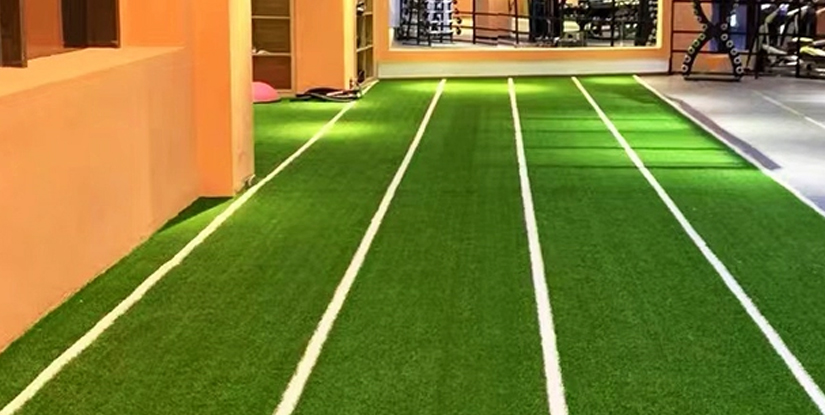
A common problem in facilities is using standard cardio equipment for high-intensity interval training (HIIT) without considering the impact of high-velocity movements. For example, using a standard upright stationary bike for high-intensity sprints can lead to overheating of the flywheel or rapid wear on the drivetrain. To mitigate this, operators should select equipment specifically engineered for metabolic demand, such as air-resistance bikes or specialized sleds that can withstand heavy friction and rapid velocity changes.
Comparative Analysis: Cardiovascular Resistance Mechanisms
| Resistance Type | Primary Advantage | Training Context | Maintenance Burden |
|---|---|---|---|
| Electromagnetic | Precise/Consistent | Steady-state/Moderate Intensity | Low (Minimal mechanical wear) |
| Air/Wind Resistance | High Velocity Support | HIIT & Metabolic Conditioning | Medium (Dust & particulate accumulation) |
| Mechanical Friction | Natural Feel/Durability | Sleds & Heavy Resistance | High (Constant cleaning/lubrication) |
The choice of resistance mechanism directly impacts the longevity of the machine under the stress of high-intensity work. Once the cardiovascular and metabolic needs are met, the facility must ensure the equipment remains in optimal condition through systematic maintenance and monitoring.
Preventative Maintenance Protocols for High-Utilization Equipment
Effective maintenance is the bridge between a high-performance facility and a deteriorating one. As we have discussed, different training styles place unique stresses on equipment—strength training stresses the frame, functional training stresses the cables, and metabolic training stresses the drive trains. A one-size-fits-all maintenance schedule will inevitably fail because it ignores these specialized wear patterns.
A frequent mistake made by facility managers is performing maintenance only when a machine becomes visibly broken. This reactive approach is far more expensive than a proactive one, as a single broken cable or a seized pulley can render a high-value machine unusable for days or weeks. Instead, the maintenance protocol must be tailored to the usage intensity of each specific piece of equipment.
The Daily Operator's Inspection Checklist
For a professional-grade operation, the following daily checks should be integrated into the facility's opening or closing procedures to ensure that the equipment continues to support various training styles effectively.
- Lubrication Audit: Check guide rods on strength machines for any dry spots; apply silicone-based lubricant if necessary.
- Fastener Tightness: Perform a quick 'shake test' on large machines to ensure no bolts have vibrated loose during high-intensity sessions.
- Electronic Calibration: For digital consoles and smart equipment, ensure the software is responsive and the sensor data is accurate.
- Surface Integrity: Check upholstery and grips for sweat accumulation or tearing, which can affect grip and hygiene during metabolic work.
By treating maintenance as a technical requirement rather than an afterthought, operators can guarantee that their investment continues to deliver high ROI through multi-style support.
Optimizing Floor Layout for Multi-Style Training Flows
Maintaining the equipment is only one part of the equation; how that equipment is positioned within the facility is equally vital. Even the best-engineered machines will fail to support diverse training styles if the layout creates bottlenecks or safety hazards. For example, placing a heavy-duty power rack too close to a high-velocity functional cable station can lead to collisions during rapid, multi-planar movements.
The technical problem here is the 'collision of kinetic zones.' Each training style has its own footprint—not just the physical size of the machine, but the 'working envelope' of the user. A person using a battle rope or a medicine ball requires much more lateral space than someone performing a seated bicep curl. Failing to account for these dynamic footprints leads to a chaotic environment that limits the effectiveness of the training.
The Hierarchy of Training Zones
To optimize the flow, operators should categorize the facility into distinct zones based on the energy and movement type. This prevents the friction between different training styles and preserves the lifespan of the equipment by containing high-impact movements in dedicated areas.
- The Static Strength Zone: High-load, low-velocity machines (racks, plate-loaded machines) with heavy flooring for shock absorption.
- The Dynamic Functional Zone: Cable stations, TRX, and mobility tools that require clear pathways for lateral movement.
- The High-Intensity Zone: Cardio machines and sleds, positioned with sufficient airflow and high-durability flooring.
By establishing these boundaries, the facility manager ensures that the mechanical advantages of each piece of equipment are fully utilized without interference from neighboring activities.
Conclusion: The Technical Synergy of Equipment and Athlete
The ability of a facility to successfully host various training styles is not merely a matter of purchasing more machines; it is an exercise in technical alignment. From the resistance profiles of strength machines to the durability of high-velocity metabolic tools, every piece of equipment must be chosen and maintained with a specific mechanical purpose in mind. When an operator understands the relationship between resistance, motion, and wear, they can build a facility that is both versatile and durable.
Ultimately, the synergy between high-quality equipment and the athlete's training intent is what defines a premium training environment. Whether it is a strength athlete seeking stability or a functional trainee seeking freedom of movement, the technical integrity of the hardware is the foundation upon which their progress is built. Constant vigilance in maintenance and layout optimization ensures that this foundation remains solid for years to come.