

Strategic Sourcing: How Fitness Equipment Distributors Streamline Your Supply Chain
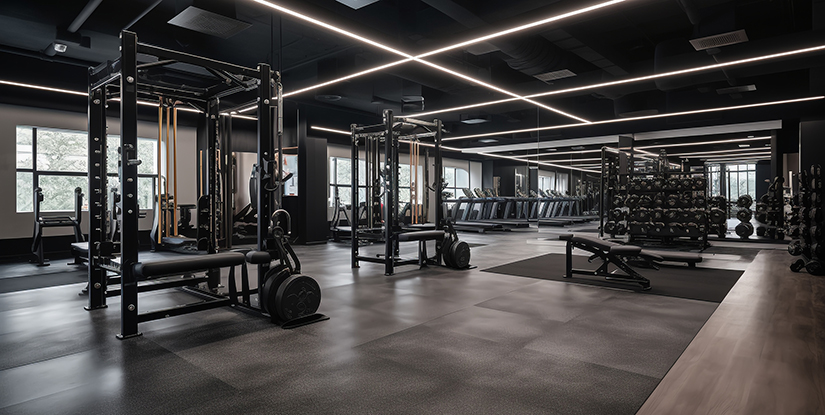
For facility operators and procurement managers, the volatility of global logistics is a constant threat to operational continuity. Relying on fragmented, direct-to-manufacturer sourcing often leads to unpredictable lead times, opaque shipping costs, and high administrative burdens. A professional distribution partner does more than just move boxes; they act as a buffer against market instability. By understanding how fitness equipment distributors streamline your supply chain, organizations can transition from reactive purchasing to proactive asset management.
Identifying Procurement Bottlenecks in Direct Sourcing Models
Before evaluating a distributor's value, one must understand the structural weaknesses inherent in direct-from-factory models. Many organizations attempt to bypass middle-tier logistics to save on margins, only to find themselves trapped by unforeseen complexities. These bottlenecks typically manifest in three distinct areas: lack of inventory visibility, uncontrolled shipping variables, and technical support gaps.
A common failure mode occurs when a facility experiences a sudden surge in demand or a critical equipment failure, yet the manufacturer's production queue is backed by several months. This lack of agility can result in lost revenue or, in the case of commercial gyms, diminished member retention. To mitigate this, procurement specialists must look for partners who hold local or regional stock rather than just acting as a digital storefront.
Common Sourcing Obstacles and Impact Analysis
| Sourcing Approach | Primary Risk Factor | Operational Impact | Mitigation Requirement |
|---|---|---|---|
| Direct-to-Manufacturer | Production Volatility | Long-term lead time delays | Buffer stock management |
| Unvetted Third-Party Brokers | Quality Variance | High replacement costs | Strict quality control audits |
| Established Distributors | Standardized Logistics | Predictable delivery windows | Integrated inventory systems |
Recognizing these structural gaps is the first step in building a resilient procurement strategy. Once these risks are identified, the focus shifts toward the specific logistical mechanisms distributors use to eliminate them.
Optimizing Inventory Management through Consolidation
The primary way fitness equipment distributors streamline your supply chain is through the mechanism of inventory consolidation. Rather than managing dozens of separate purchase orders from various global locations, a distributor centralizes these requirements into a single, managed stream. This reduces the overhead associated with accounts payable, customs documentation, and freight tracking.
From a technical standpoint, high-tier distributors utilize advanced Warehouse Management Systems (WMS) to provide real-time visibility. This allows operators to know exactly what is in transit and what is available for immediate dispatch. A major mistake among buyers is failing to verify the 'Available to Promise' (ATP) accuracy of their partner, which can lead to significant scheduling errors during facility fit-outs.
To verify a distributor's efficiency, request a demonstration of their inventory tracking interface. A robust system should show not just stock levels, but also incoming shipment ETAs and historical lead-time variances. This level of transparency is a prerequisite for successful facility scaling.
Streamlining Logistics and Freight Coordination
Effective inventory management is useless if the final-mile delivery fails. Transitioning from raw inventory control to sophisticated logistics coordination is where professional distributors offer the highest ROI. The complexity of moving heavy, high-volume items—such as treadmills, power racks, and commercial weight stacks—requires specialized equipment and trained personnel that standard parcel carriers lack.
Distributors act as a logistical aggregator. They combine shipments from various manufacturers into optimized freight loads, which reduces both the cost per unit and the carbon footprint of the delivery. Without this coordination, a facility might face five different delivery trucks on five different days, creating chaos for the receiving staff and increasing the risk of dock-side accidents.
Freight Complexity and Handling Requirements
- LTL (Less-Than-Truckload) Management: Coordination of smaller, diverse equipment orders to minimize freight costs.
- White-Glove Delivery: Specialized services including unboxing, placement, and debris removal.
- Custom Crating: Ensuring high-sensitivity electronic components (e.g., smart treadmills) survive long-haul transit.
- Dock-to-Floor Logistics: Managing the specialized rigging required for heavy-duty strength equipment.
By outsourcing these complexities, operators can focus on facility management rather than coordinating with freight carriers. This structural efficiency sets the stage for better long-term maintenance cycles through predictable part availability.
Explore the complete technical specifications:
Standardizing Technical Support and Part Availability
A supply chain is not just about getting new equipment into a building; it is about keeping that equipment operational. One of the most significant ways fitness equipment distributors streamline your supply chain is by maintaining a standardized parts repository. When a component fails on a cardio machine, the response time is often dictated by whether that part is held in a local distribution center or stuck in international transit.
Failure to secure a distributor with a robust parts-support infrastructure often results in 'dead zones'—periods where expensive equipment sits idle waiting for a simple belt or sensor. A professional distributor mitigates this by maintaining a predictable cadence of spare parts, ensuring that even the most specialized components are accessible within a defined window.
Verification Checklist for Technical Support Capacity
| Metric | Ideal Standard | Red Flag |
|---|---|---|
| Component Availability | Core parts in stock locally | Parts must be ordered from factory |
| Technical Documentation | Comprehensive exploded views | Vague assembly instructions |
| Support Response Time | < 24-hour initial response | Delayed or non-existent support |
Implementing these verification steps ensures that your capital investment is protected by a reliable support structure. This reliability naturally extends into the lifecycle of the equipment through optimized maintenance scheduling.
The Relationship Between Procurement and Preventive Maintenance
Reliable distribution of maintenance supplies is the backbone of a professional facility. When a distributor manages both the primary equipment and the consumable components—such as lubrication, replacement cables, and upholstery kits—they create a unified maintenance loop. This prevents the common mistake of treating equipment purchases and maintenance as two separate procurement workflows.
A streamlined approach involves setting up automated replenishment triggers. For instance, when a distributor tracks the typical wear-and-tear cycles of a specific treadmill model, they can proactively suggest or even automate the delivery of replacement belts. This shifts the operator from a reactive 'fix-it-when-it-breaks' mindset to a proactive preventive maintenance model.
To implement this, operators should negotiate 'Consumable Contracts' that include scheduled deliveries of high-wear items. This ensures that the necessary supplies are always on-hand, preventing the mechanical degradation that occurs when maintenance is deferred due to missing parts.
Mitigating Financial Risks through Consolidated Invoicing
Beyond the physical movement of goods, a professional distributor provides significant administrative relief. Managing multiple direct-to-manufacturer accounts requires an extensive accounting workload, with various payment terms, currencies, and tax implications for every single vendor. A distributor centralizes this into a single, predictable financial stream.
The primary financial benefit is the ability to leverage volume for better terms. By consolidating orders through a single channel, facilities can often reach higher tier pricing that would be unavailable if purchasing small batches directly from multiple sources. Additionally, the reduction in administrative hours spent on invoice reconciliation and customs clearance translates directly to lower operational overhead.
When evaluating a partner, ask about their ability to integrate with your existing ERP or accounting software. A distributor that offers streamlined electronic data interchange (EDI) or simplified digital invoicing is far more valuable than one that relies on manual, disparate processes.
Optimizing Facility Lifecycle and Total Cost of Ownership (TCO)
The ultimate goal of a well-managed supply chain is to optimize the Total Cost of Ownership (TCO). A cheap piece of equipment that has a high failure rate and zero local part availability is significantly more expensive over a five-year period than a premium machine supported by a dedicated distributor. The TCO includes the initial purchase price, shipping, installation, downtime, and eventual disposal or trade-in.
Distributors who understand this long-term view often offer trade-in programs or equipment lifecycle management services. This allows facilities to rotate out aging technology before it becomes a liability, ensuring the facility remains modern and competitive without the shock of a massive capital expenditure every few years.
To calculate the true value of a distributor, do not just look at the unit price. Instead, calculate the 'Cost of Downtime' for your most critical machines and multiply that by the typical lead time for parts from your current sources. The difference between that number and the distributor's guaranteed service level is your true savings.
Future-Proofing Your Facility with Scalable Distribution Models
As fitness technology evolves—incorporating more IoT, software-driven engagement, and complex mechanical components—the role of the distributor will only grow in complexity. A future-proofed supply chain requires a partner who is as proficient in managing digital firmware updates and software subscriptions as they are in moving physical iron.
The next generation of fitness equipment requires a hybrid approach to the supply chain: physical hardware logistics combined with digital asset management. A distributor who can manage the lifecycle of both the machine and the software-as-a-service (SaaS) component ensures that your facility remains at the cutting edge of the industry without technical obsolescence.
To ensure your partner is ready for this transition, inquire about their digital capabilities. Do they provide support for software-related hardware troubleshooting? Can they facilitate remote diagnostic connections? A distributor that answers 'yes' to these questions is a strategic partner for the long term.