

How CrossFit Equipment Manufacturers Are Innovating the Industry
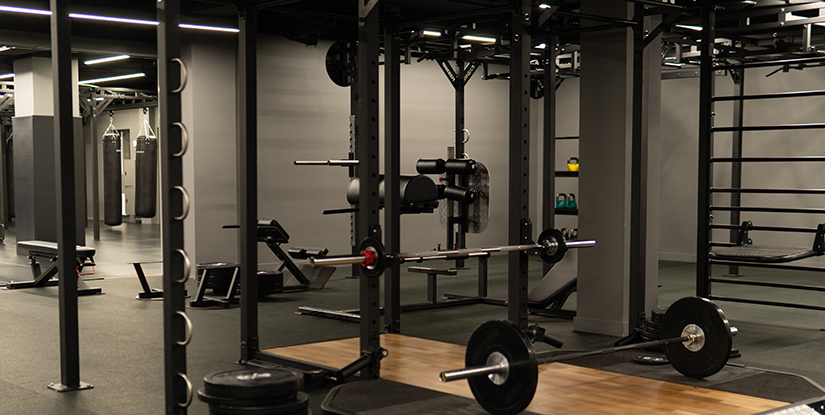
For facility operators and professional procurement officers, the procurement of high-intensity functional training gear is no longer a simple transaction of purchasing steel and rubber. The industry has undergone a seismic shift, moving from basic blacksmithing to high-precision metallurgical engineering. Understanding how CrossFit equipment manufacturers are innovating the industry is critical for long-term ROI and safety compliance. This guide explores the lifecycle of high-performance equipment, from raw material selection to end-of-life disposal, highlighting the technical advancements that differentiate premium commercial gear from substandard alternatives.
Advanced Metallurgical Selection and Material Input Specifications
The foundational stage of high-end equipment manufacturing begins with the precise selection of raw materials. A common failure mode in entry-level equipment is the use of low-carbon steel that lacks the necessary tensile strength, leading to structural deformation under heavy load. Innovative manufacturers now utilize advanced alloying techniques to ensure durability.
Steel Grade Differentiation and Tensile Strength
Modern manufacturers prioritize specific grades of steel to ensure that equipment like pull-up rigs and weight racks can withstand repetitive, high-impact stress. The difference between standard structural steel and high-tensile alloy steel is a primary factor in the lifespan of a facility's assets. While standard steel may be more cost-effective initially, it is prone to fatigue cracking in high-usage environments.
| Material Type | Common Use Case | Primary Advantage | Common Failure Mode |
|---|---|---|---|
| Low-Carbon Steel | Home/Light Duty Gear | Low initial cost | Structural bending under load |
| High-Tensile Alloy | Commercial CrossFit Rigs | High strength-to-weight ratio | Surface coating micro-fractures |
| Stainless Steel (304/316) | Premium Barbell Sleeves | Corrosion resistance | Higher cost/Weight density |
By selecting superior alloys at the input stage, manufacturers reduce the likelihood of catastrophic structural failure. This rigorous material selection sets the stage for the highly technical fabrication processes that follow.
Precision Fabrication and Tolerance Control in Rig Construction
Once the high-grade materials are secured, the focus shifts to the fabrication stage, where the technical precision of the manufacturer determines the ultimate structural integrity of the assembly. The industry is moving away from manual welding toward automated, high-tolerance machining.
The Role of CNC Machining and Laser Cutting
Precision in CrossFit equipment is often measured in millimeters. Innovative manufacturers utilize Computer Numerical Control (CNC) laser cutting to ensure that every component, from uprights to crossmembers, fits with absolute exactness. This eliminates the common problem of 'structural wobble' often found in poorly manufactured rigs. When components are not cut to precise tolerances, the resulting gaps in the assembly create stress points that eventually lead to weld failure.
Advanced Welding Standards and Joint Integrity
Welding is perhaps the most critical step in the lifecycle of a rig. High-end manufacturers employ robotic MIG (Metal Inert Gas) welding to ensure consistent bead depth and penetration. Manual welding, while still used for complex geometries, often suffers from human error, such as inconsistent heat distribution, which can embrittle the surrounding metal. Operators should verify the uniformity of weld beads across all structural junctions during inspection.
Ensuring structural integrity through precise fabrication is essential, yet even the most perfectly welded rig requires a high-quality surface treatment to survive the operational environment. This leads to the critical discussion of surface finishes and coating technologies.
Explore the complete technical specifications:
Surface Finish Engineering and Corrosion Mitigation Strategies
The harsh environment of a functional training facility—characterized by sweat, moisture, and chalk—creates a highly corrosive atmosphere. Manufacturers are innovating through advanced coating processes to extend the lifecycle of the equipment and maintain a professional aesthetic.
Powder Coating vs. Electrostatic Painting
The method of applying color and protection to steel determines the equipment's longevity. High-quality powder coating involves applying a dry powder that is then cured under heat, creating a hard, durable skin. In contrast, inferior electrostatic painting often lacks the thickness required to prevent oxidation. A common mistake for buyers is selecting gear based on color alone without verifying the micron thickness of the coating.
- Powder Coating: High impact resistance, excellent UV protection, and deep texture.
- Electrostatic Painting: Faster application but higher susceptibility to chipping and scratches.
- Galvanization: Superior for outdoor rigs, but requires specific handling for indoor aesthetics.
A high-quality finish not only prevents rust but also serves as a tactile interface for the athlete. As these surfaces harden over time, the next critical factor becomes the mechanical precision of moving parts, such as barbell bearings and pulleys.
Explore the complete technical specifications:
Mechanical Precision: Bearing Systems and Component Fluidity
For equipment involving rotational movement, such as barbells and weight sleds, the innovation lies in the internal mechanical components. The transition from simple bushings to precision-engineered bearings is a key indicator of professional-grade equipment.
Bearing Lifecycle and Friction Management
The way a barbell rotates during a lift is a direct result of the bearing quality. Innovative manufacturers are utilizing high-grade needle bearings and precision-ground bushings to ensure smooth rotation. If a barbell has excessive 'knurling bite' or rough rotation, it is often a sign of substandard bearing housing or low-quality steel used in the sleeve. This friction doesn't just affect performance; it increases the physical toll on the athlete's wrists and elbows.
To verify bearing quality, operators should look for a consistent, smooth spin that can be sustained for several rotations without resistance. Improperly maintained or low-quality bearings will lead to premature wear and eventual seizure, necessitating expensive replacements.
While mechanical fluidity is vital for individual movements, the entire ecosystem of the gym must be considered when planning for deployment and long-term maintenance.
Operational Deployment and Layout Optimization
Moving from the manufacturing floor to the facility floor requires a deep understanding of spatial optimization. Advanced manufacturers now provide digital twin models or BIM-ready files to help operators plan their layouts with mathematical certainty.
Load Distribution and Floor Loading Requirements
A significant oversight during the deployment phase is failing to account for the total static and dynamic load of a fully equipped rig. As manufacturers build more robust and heavier structures, the weight exerted on the facility floor increases. Operators must consult engineering specifications to ensure their flooring systems—whether concrete or elevated platforms—can handle the concentrated weight of a loaded rig.
| Planning Factor | Risk Level | Verification Metric |
|---|---|---|
| Static Load | Medium | Total weight of rig + weights |
| Dynamic Load | High | Impact force of dropped barbells |
| Spatial Clearance | Low | Diameter of movement (e.g., barbell length + margin) |
Once the equipment is deployed, the focus shifts immediately to the maintenance cycle to prevent the decay of these high-performance standards.
Preventative Maintenance and Lifecycle Management Protocols
A high-end piece of equipment is only as good as its maintenance regimen. Proactive facility management is the only way to prevent the gradual degradation of the innovations introduced during manufacturing.
Inspection Cadence and Critical Failure Checkpoints
The most common mistake made by facility owners is treating equipment as 'set and forget.' To maintain safety and ROI, a structured inspection cadence is required. This includes checking bolt torque, inspecting weld points for micro-cracks, and testing the smoothness of moving parts. Neglecting these checks can lead to the very structural failures that high-grade materials were intended to prevent.
The Cost of Neglect: Identifying Early Warning Signs
Operators should watch for early warning signs such as:
- Creaking or Groaning: Indicates loose fasteners or shifting structural joints.
- Visible Rust Patches: Signals a breakdown in the powder coating or surface finish.
- Uneven Barbell Rotation: Indicates bearing fatigue or internal debris.
Identifying these issues early allows for minor repairs rather than full equipment replacements, significantly improving the long-term ROI of the initial purchase.
Sustainability and End-of-Life Disposal Standards
In the final phase of the equipment lifecycle, the focus turns to the environmental impact and the eventual decommissioning of the assets. As the industry matures, the ability to recycle and repurpose heavy equipment is becoming a standard for premium manufacturers.
Material Recyclability and Decommissioning
Because high-quality CrossFit equipment is primarily composed of steel and aluminum, the end-of-life process is relatively straightforward if the pieces are not heavily contaminated with non-recyclable plastics or resins. Innovative manufacturers are increasingly focusing on modular designs that allow for the replacement of single components rather than the entire unit, thereby extending the lifecycle of the base structure and reducing waste.
Choosing equipment with a modular, high-grade design ensures that when a single part eventually reaches its fatigue limit, the entire rig does not become scrap metal. This strategic approach to procurement and lifecycle management is the ultimate hallmark of a well-run facility.