

How a Commercial Gym Fit Out Transforms Your Space into a High-Performance Asset
Beyond Aesthetics: The Strategic Logic of Architectural Alignment
Many facility operators approach a commercial gym fit out as a simple interior design project, focusing heavily on color palettes and aesthetic appeal. However, this perspective often overlooks the fundamental structural and operational requirements that differentiate a professional fitness facility from a standard retail space. A failed fit out occurs when the architectural shell remains static while the equipment demands dynamic shifts in load, power, and space. Without alignment between the building's structural capacity and the intended training modalities, operators face high repair costs and reduced equipment lifespan.
The Structural Deficit: Why Weight Loads Matter
A common mistake is failing to account for the concentrated point loads created by heavy strength equipment. Standard commercial flooring is rarely sufficient for high-density weight training zones. For example, a single heavy deadlift station exerts significantly higher force than a standard treadmill. If the subfloor is not reinforced or if the specialized cushioning is insufficient, the resulting structural vibration can lead to long-term building fatigue. Professionals must verify the floor load-bearing capacity (kN/m²) before selecting heavy-duty resistance equipment. Identifying these structural thresholds early prevents the costly necessity of post-installation floor remediation.
| Facility Zone | Primary Structural Demand | Common Oversight |
|---|---|---|
| Free Weight Area | High Impact & Point Loading | Insufficient subfloor reinforcement |
| Cardio Suite | Constant Vibration/Oscillation | Ignoring acoustic dampening needs |
| Functional Training | Lateral Movement & High Velocity | Lack of edge protection/wall buffers |
| Studio/Yoga | Low Impact/Acoustic Isolation | Excessive noise transfer to adjacent rooms |
Establishing these structural parameters ensures the foundation is prepared for the dynamic nature of modern training, which leads directly to the critical decision of specialized flooring selection.
Optimizing Subsurface Integrity Through Specialized Flooring Selection
Following the structural assessment, the next phase in how a commercial gym fit out transforms your space involves the technical deployment of flooring systems. The flooring is not merely a surface; it is an engineered layer that manages impact, acoustics, and hygiene. A poorly selected flooring system leads to uneven surfaces, which can cause equipment instability and increased injury risks for clients. Operators must choose between different density levels based on the specific mechanical stresses of each training zone.
Material Density and Impact Resistance
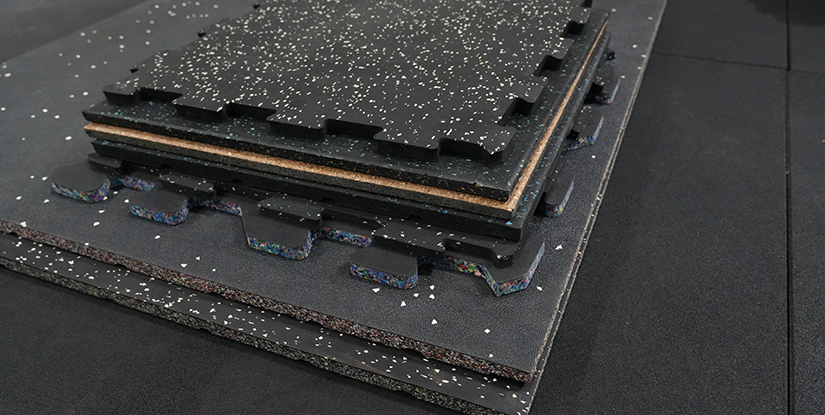
When selecting flooring, decision-makers must evaluate the Shore Hardness and thickness of the rubber or EVA foam. High-impact zones, such as Olympic lifting platforms, require a combination of high-density rubber and a stable wooden base to absorb vertical force. Conversely, endurance zones benefit from softer, more resilient surfaces that reduce joint fatigue. A frequent failure mode is the use of thin, single-layer rubber rolls that lack the thickness to mitigate sound transmission. To verify quality, operators should request technical spec sheets documenting the material's compressive strength and density. Ensuring these specifications align with the equipment load profile is non-negotiable for long-term facility durability.
Maintenance and Hygiene Protocols for Synthetic Surfaces
Beyond the initial installation, the longevity of the flooring depends on the chemical compatibility of cleaning agents. Many high-end synthetic surfaces can degrade or discolor if exposed to harsh, non-neutral pH cleaners. To maintain the facility's professional appearance and ensure safety, implement a structured maintenance schedule. This includes daily sweeping for debris that can act as an abrasive and weekly deep cleaning with specialized, pH-neutral solutions. A well-maintained floor maintains its friction coefficient, preventing slips and falls, which is a vital component of risk management.
With a stable, high-performance floor in place, the focus must shift to the spatial logistics of equipment placement and user flow.
Spatial Optimization: Engineering Efficient Movement and Flow
Once the structural and surface foundations are secured, the focus turns to the spatial distribution of equipment. Effective spatial optimization is what truly defines a professional-grade fit out. A common issue in poorly planned gyms is 'spatial friction'—where the layout forces users into dangerous or inefficient movement patterns. This often occurs when equipment is placed too close to walls or when high-traffic paths are blocked by heavy machines.
The Rule of Clearances and Buffer Zones
To prevent accidents and ensure smooth transitions between exercises, every piece of equipment must have a defined 'operational envelope.' This envelope includes the space required for the machine itself plus the maximum range of motion of the user. For instance, a seated row machine requires significant lateral space for the user's elbows and the movement of the weight stack. Operators should implement a clearance checklist during the layout phase to ensure no two machines' operational envelopes overlap. Verifying these clearances during the installation phase prevents the need for costly reshuffling after the facility is open.
- Machine Clearance: Minimum 60cm from any wall or person.
- Traffic Lanes: Minimum 1.2m width for main transit corridors.
- Visual Sightlines: Unobstructed views for staff/coaches to monitor safety.
This careful orchestration of space not only enhances safety but also increases the perceived value of the facility. However, even the best layout can fail if the mechanical infrastructure—power and ventilation—is inadequate.
Explore the complete technical specifications:
Integrating Mechanical Infrastructure: Power and Climate Control
A sophisticated gym fit out requires an integrated approach to mechanical systems, specifically electrical power and HVAC (Heating, Ventilation, and Air Conditioning). A frequent failure mode in commercial gyms is under-specifying the electrical load, leading to frequent circuit trips when multiple high-draw cardio machines operate simultaneously. This is a critical problem that can lead to equipment downtime and client frustration.
Power Distribution and Electrical Load Management
High-performance cardio equipment, such as motorized treadmills, requires dedicated circuits to avoid interference with other electronic systems. When planning the electrical fit out, operators must calculate the 'peak concurrent load'—the total power consumption if every machine in the cardio suite was running at maximum capacity. If the current electrical panel is not rated for this demand, the facility will experience consistent power interruptions. To verify a correct setup, a licensed electrician should perform a load-bearing test on each circuit under simulated peak usage before the grand opening.
Airflow Dynamics and Thermal Regulation
Climate control in a gym is significantly more complex than in a standard office. The high metabolic heat production of many users requires a higher air exchange rate (ACH) to maintain comfort and hygiene. If the HVAC system is undersized, humidity and odors will quickly accumulate, leading to a degradation of the indoor air quality (IAQ) and causing dissatisfaction among members. Professionals should prioritize high-volume, low-speed (HVLS) fans to assist in air distribution and ensure the HVAC system is calibrated to handle high-moisture environments. A successful integration of these mechanical systems ensures the facility remains a comfortable environment regardless of occupancy levels.
The stability of the mechanical environment provides the necessary backdrop for the final layer of the fit out: the equipment itself.
Explore the complete technical specifications:
Equipment Procurement: Strategic Selection for ROI
How a commercial gym fit out transforms your space is ultimately realized through the quality of the hardware within it. From a strategic procurement perspective, equipment should not be viewed as a one-time expense but as a long-term capital asset. The primary pain point for operators is the high total cost of ownership (TCO) caused by selecting low-grade equipment that requires frequent repairs. A robust procurement strategy focuses on durability, modularity, and serviceability.
Comparing Commercial-Grade vs. Light-Commercial Equipment
It is a common mistake to attempt to save costs by purchasing 'light-commercial' or high-end residential equipment. While the initial purchase price is lower, the long-term ROI is often negative due to accelerated wear and higher maintenance requirements. True commercial-grade equipment is built to withstand high-frequency, high-impact usage and features standardized parts that are easily replaceable.
| Feature | Commercial-Grade (High-Performance) | Light-Commercial / Residential |
|---|---|---|
| Frame Construction | Heavy-duty steel, reinforced welds | Standard thin-gauge steel |
| Component Lifespan | Designed for 24/7/365 high-usage | Designed for periodic/limited use |
| Maintenance Access | Modular, easy-access panels | Complex or non-accessible components |
| Residual Value | High resale value after years of use | Minimal resale value |
When evaluating a supplier, ask for the 'serviceability rating' and the availability of replacement parts. A piece of equipment is only an asset if it can be kept in peak condition with minimal downtime.
Digital Integration: Smart Ecosystems and Connectivity
Modern gym fit outs are no longer limited to physical machines; they now incorporate a digital layer of connectivity. Integrating smart technology into your facility can significantly boost user engagement and provide invaluable data for management. However, this adds a new layer of technical complexity to the fit out process, specifically regarding network stability and hardware integration.
Connectivity Requirements for Connected Training
Many high-end resistance and cardio machines now feature integrated screens, streaming capabilities, and cloud-based performance tracking. A common failure mode in new-build gyms is insufficient Wi-Fi coverage or inadequate ethernet access points to support these devices. If the network is unstable, the perceived value of the 'connected' experience drops immediately. When planning the fit out, engineers must ensure that high-density access points are placed specifically in areas with high equipment concentrations. A reliable network is the backbone of a modern, tech-enabled fitness environment.
Data Security and User Privacy Protocols
As more equipment collects biometric data and user profiles, the responsibility for data security becomes paramount. A professional fit out should include a discussion on how data is handled by the hardware and how the facility's internal network protects this information. Ensuring that all smart devices are on a secure, segmented network prevents vulnerabilities that could affect the facility's primary operational systems. This technological readiness is a key differentiator in the premium fitness market.
The integration of digital and physical systems sets the stage for the final, ongoing phase of the facility lifecycle: long-term upkeep.
The Lifecycle of Excellence: Inspection and Maintenance Protocols
Even the most expensive commercial gym fit out will degrade without a disciplined maintenance regimen. The transition from a 'newly opened' facility to a 'well-established' one is marked by how well the operator manages the lifecycle of their assets. The goal is to move from reactive repairs (fixing things when they break) to proactive maintenance (preventing breaks through scheduled care).
Standardized Inspection Checklists
A professional operation utilizes standardized inspection checklists for different categories of equipment. For resistance machines, this involves checking cable tension, pulley lubrication, and upholstery integrity. For cardio machines, it involves checking belt alignment, electronic diagnostics, and motor heat levels. Operators should implement a tiered inspection frequency based on the equipment's usage intensity. For example, high-use treadmills may require weekly mechanical inspections, while static strength machines may only need monthly visual and lubrication checks.
Identifying and Correcting Common Failure Modes
Common failure modes often stem from neglect rather than poor quality. For instance, dust accumulation in treadmill motors is a leading cause of electrical failure. A simple weekly vacuuming of the motor compartment can extend the machine's life by years. Similarly, failing to tighten bolts on weight racks can lead to catastrophic structural failure. By training staff to recognize 'early warning signs'—such as unusual noises, slight wobbles, or changes in resistance—operators can intervene before a minor issue becomes a safety hazard. Verification of these protocols ensures the longevity of the investment and the safety of every member.