

Understanding High-Precision Gym Weight Manufacturers and Production Processes
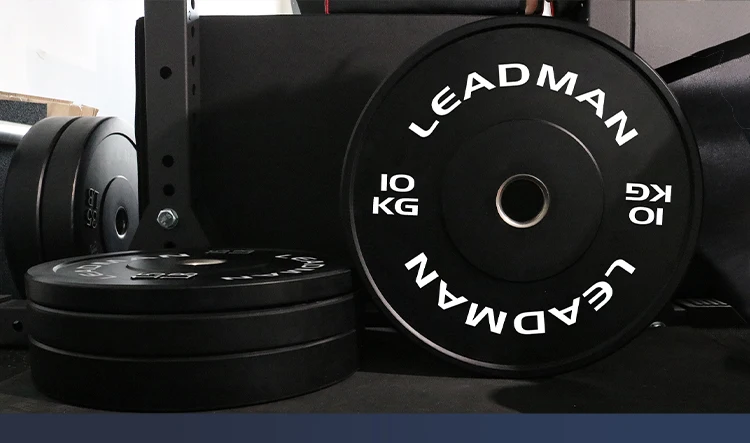
Selecting reliable equipment for a commercial fitness facility begins long before a single plate touches a barbell. For facility managers and procurement specialists, the primary challenge is not just finding a supplier, but understanding the technical rigor behind the products. Gym weight manufacturers operate at the intersection of heavy metallurgy and high-precision engineering. A failure to understand these processes often leads to the purchase of mismatched weight sets, uneven surface finishes, or premature oxidation—issues that compromise both the user experience and the long-term ROI of a fitness facility. This guide provides a technical deep-dive into the lifecycle of weight production, from raw material sourcing to final quality control.
The Raw Material Selection and Casting Phase
The foundation of every high-quality weight plate lies in the purity and consistency of the base material. Most professional-grade weights are derived from cast iron or specialized steel alloys, and the selection of these materials dictates the durability of the final product. The process begins with the rigorous sourcing of scrap metal or virgin iron, which must be free from excessive impurities that could lead to structural brittleness.
Material Composition and Casting Logic
During the melting stage, the chemical composition of the iron is strictly monitored. If the carbon or silicon levels fluctuate outside of prescribed ranges, the resulting metal may develop micro-fractures during the cooling phase. This is a critical point where low-quality manufacturers often cut costs, leading to plates that crack under extreme temperature shifts or physical impact. High-tier manufacturers utilize automated induction furnaces to ensure a uniform melt, reducing the risk of air pockets or slag inclusion within the metal.
A common mistake during this phase is overlooking the porosity of the casting. Porosity occurs when gas is trapped within the molten metal, creating small holes on the surface or within the core. To verify quality at this stage, buyers should look for manufacturers who utilize vacuum casting or high-pressure injection methods, which significantly reduce the likelihood of internal voids. Once the molten metal is cast into molds, it must undergo a controlled cooling process to prevent thermal shock.
With the core structure successfully formed, the focus shifts from the internal integrity of the metal to the external surface characteristics and dimensional accuracy.
Precision Machining and Dimensional Tolerance Control
A well-cast plate is only the beginning; the actual utility of the weight depends on its dimensional precision. A recurring pain point for professional lifters is the "mismatched set" problem, where plates of the same denomination feel different in diameter or thickness. This is almost always a result of inadequate machining tolerances during the post-casting phase.
After the casting has solidified, the plates enter the machining stage. This is where the center hole (the sleeve or hub) is bored and the outer circumference is turned to a specific diameter. Precise machining ensures that the weight stays balanced and that the plates fit snugly on bars without excessive wobble.
| Feature | Standard Specification | High-Precision Requirement | Common Defect if Low Quality |
|---|---|---|---|
| Center Hole Diameter | +/- 0.5mm tolerance | +/- 0.1mm tolerance | Loose fit or uneven rotation |
| Outer Diameter | Consistent within 2% | Consistent within 0.5% | Unbalanced bar loading |
| Surface Flatness | Standard smooth | High-grade flatness | Wobbling during heavy lifts |
| Edge Profile | Rough/Beveled | Uniformly Tapered | Difficulty in plate stacking |
To ensure these standards are met, manufacturers should employ CNC (Computer Numerical Control) lathes. Manual machining often leads to human error and inconsistent thickness across large production runs. A professional procurement officer should request the manufacturer's specification sheet regarding their tolerance ranges for diameter and thickness to ensure the equipment meets professional competitive standards.
Once the dimensions are verified, the plate moves into the surface treatment phase to ensure longevity and aesthetic appeal.
Explore the complete technical specifications:
Surface Finishing and Protective Coating Applications
The surface of a weight plate is its primary defense against oxidation and physical wear. Because weights are frequently dropped or stored in high-humidity environments, the coating process is as critical as the casting itself. Without a robust finishing process, even the highest-grade iron will succumb to rust within months of deployment.
Polyurethane vs. Rubber Encapsulation
There are several methods for treating the surface of gym weights, each serving a specific operational environment. The most common include raw cast iron (often painted or powder-coated), urethane casting, and rubber bumper application. Choosing the wrong finish can lead to high maintenance costs or damaged flooring in a commercial gym.
- Powder Coating: A dry powder is applied electrostatically and then cured under heat. It provides a hard, durable finish but can chip over time if the metal underneath is not perfectly smooth.
- Urethane Encapsulation: The metal core is submerged in liquid polyurethane. This creates a seamless, highly durable shell that is virtually indestructible and resistant to odors and bacteria.
- Rubber Molding: A rubber layer is applied around the iron. While excellent for noise reduction, lower-quality rubber can degrade, crack, or become brittle under UV exposure.
A failure mode to watch for is "delamination," where the coating separates from the metal core. This is typically caused by improper cleaning of the metal surface prior to coating or an insufficient curing temperature. To verify quality, a physical check of the coating's elasticity and a visual inspection for bubbles or uneven thickness is necessary.
Effective surface treatments protect the weight, but they also set the stage for the final, most crucial step: the verification of mass accuracy.
Explore the complete technical specifications:
Mass Calibration and Weighing Protocols
The ultimate metric of any gym weight is its mass. In professional strength training, especially in competitive environments, a deviation of even 1-2% can disrupt training progressions. This stage is where many Gym weight manufacturers differentiate themselves through rigorous quality control protocols.
Mass calibration involves weighing each individual unit on high-precision industrial scales. It is not enough to simply weigh a batch; each plate must be checked to ensure it falls within an acceptable margin of error. The industry standard for high-end equipment is often a tolerance of +/- 1% or even +/- 0.5% for high-denomination plates.
The Weighing Workflow Checklist:
- Individual Unit Weighing: Every plate is weighed on a digital scale.
- Deviation Documentation: Records are kept of the actual weight versus the nominal weight.
- Material Density Check: Ensuring the weight is consistent across the plate to prevent offset centers of gravity.
- Batch Sampling: Even in high-volume production, random sampling is used to ensure consistency throughout the run.
If a manufacturer cannot provide data regarding their calibration procedures or their typical deviation percentages, it is a significant red flag. A professional buyer should demand to see a Certificate of Conformity or a representative calibration report for the specific batch being ordered.
With the weight verified, the focus shifts from individual accuracy to the entire product lifecycle, specifically regarding how the weights are packaged and how they will perform in a commercial setting.
Explore the complete technical specifications:
Operational Impact: Storage and Maintenance Optimization
The lifecycle of gym weights extends far beyond the manufacturing floor. For an operator, the way a product is designed and finished directly impacts the daily maintenance routine and the lifespan of the equipment. A weight that is poorly manufactured will require frequent cleaning, may cause damage to expensive barbel sleeves, and will eventually become a liability.
Impact on Facility Infrastructure
The choice of weight type has a massive impact on floor and barbell maintenance. For instance, raw cast iron weights are significantly more abrasive than urethane-encapsulated weights. If a facility chooses unpainted iron weights, they must invest more in specialized floor protection and potentially more frequent barbell cleaning to remove any rust transfer.
| Weight Type | Maintenance Level | Primary Risk | Ideal Use Case |
|---|---|---|---|
| Standard Cast Iron | High | Rust and floor scratching | Budget-friendly home gyms |
| Rubber Coated | Medium | Rubber degradation/odor | Commercial fitness clubs |
| Urethane Encapsulated | Low | Higher initial cost | High-traffic premium facilities |
| Bumper Plates | Low/Medium | CrossFit and Olympic lifting |
To minimize the total cost of ownership, operators should weigh the initial savings of cheaper, less-finished products against the long-term costs of replacement and facility maintenance. A high-quality finish doesn't just look better; it reduces the labor hours required for facility upkeep.
While maintenance is an ongoing concern, the most critical stage for an operator is the initial procurement, where technical specifications must be rigorously enforced.
Explore the complete technical specifications:
Procurement Strategy and Technical Verification
The final phase of the manufacturer-to-buyer relationship is the verification of technical compliance. Navigating the global market of Gym weight manufacturers requires a move away from price-only decision-making toward a specification-driven approach. The most successful procurement cycles are those where the buyer understands the manufacturing processes well enough to ask the right questions.
When vetting a potential supplier, do not simply ask if they produce "high quality" weights. Instead, ask for specific, technical answers to the following criteria:
1. What is your standard tolerance for mass deviation? (A target of +/- 1% is a healthy benchmark for commercial use.)
2. What is the material composition of your base metal? (Ensure they use high-grade iron or steel rather than low-grade scrap with high impurities.)
3. What is your thickness and diameter tolerance? (Essential for ensuring consistent bar loading and weight balance.)
4. Can you provide documentation for your coating process? (Verify that the finish is applied through professional methods like powder coating or encapsulation rather than a simple dip-paint.)
By applying these metrics, a procurement specialist moves from a reactive buyer to a proactive technical reviewer. This ensures that the equipment arriving at the facility is not just a commodity, but a precisely engineered tool designed for longevity and performance.
Explore the complete technical specifications:
The Future of Weight Manufacturing: Automation and Sustainability
As we look toward the future, the manufacturing of gym weights is evolving. We are seeing an increased move toward fully automated casting and precision CNC finishing, which reduces the variability that has plagued the industry for decades. Additionally, there is a growing emphasis on sustainability, with manufacturers exploring the recycling of high-grade scrap metal more efficiently and using more environmentally friendly, low-VOC (Volatile Organic Compound) coatings.
The integration of smart-tracking—such as RFID or laser-etched serial numbers—is also beginning to appear in high-end production lines. This allows for better inventory management and more granular tracking of the equipment lifecycle, from the factory floor to the eventual retirement of the unit. For the modern facility manager, staying abreast of these technical shifts is essential for maintaining a competitive and efficient operation.