

Understanding Gym Accessories Manufacturers: A Technical Manufacturing Guide
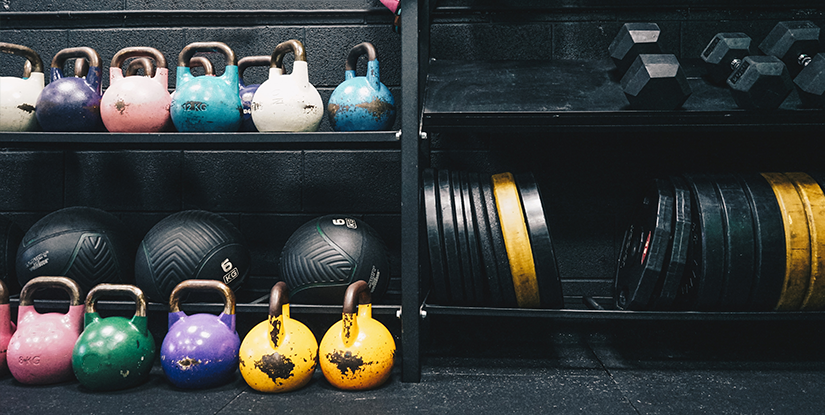
For procurement officers and facility managers, the acquisition of supplementary training tools is often more complex than purchasing large-scale strength machines. While a power rack is a significant capital expenditure, the high-frequency replacement cycle of consumables—such as resistance bands, lifting belts, and specialized grips—presents a continuous operational challenge. Selecting the wrong Gym Accessories Manufacturers can lead to premature product degradation, inconsistent sizing, and eventual liability issues. This guide examines the technical lifecycle of accessory production, from raw material selection to rigorous quality control protocols.
Raw Material Selection and Structural Integrity Standards
A common failure in accessory procurement stems from a lack of understanding regarding the base materials used in production. High-quality manufacturers do not merely source generic components; they select materials based on specific mechanical requirements like tensile strength, elasticity, and abrasion resistance. For instance, a resistance band that snaps mid-use is rarely a random occurrence; it is often a failure of the polymer density or the vulcanization process during manufacturing.
Polymer Density in Elastic Resistance Tools
When evaluating manufacturers of elastic equipment, the focus must shift from simple color variety to the technical grade of the latex or TPE (Thermoplastic Elastomer). Premium manufacturers utilize multi-layered extrusion processes to ensure uniform wall thickness. A frequent defect in low-tier production is 'thinning,' where the material becomes unevenly distributed during the cooling phase, creating a structural weak point that leads to catastrophic failure under high tension.
Steel Grade and Coating Durations for Metal Accessories
For metal-based accessories like barbell collars, jump ropes, or weight plates, the primary concern is the steel grade and the subsequent surface treatment. A failure to specify the correct coating can result in rapid oxidation, particularly in high-humidity training environments. Manufacturers must demonstrate a deep understanding of electroplating or powder coating techniques to prevent surface peeling and rust formation.
| Accessory Category | Critical Material Parameter | Common Failure Mode | Verification Metric |
|---|---|---|---|
| Resistance Bands | Tensile Elasticity (Latex/TPE) | Stress Cracking/Snap | Stress-Strain Curve Testing |
| Lifting Belts | Leather Grain Density | Edge Fraying/Cracking | Flexural Strength Test |
| Barbell Collars | Carbon Steel Hardness | Spring Fatigue | Cycle Load Testing |
| Jump Ropes | PVC/Steel Cable Core | Kinking/Internal Snapping | Bend Radius Endurance |
Understanding these material nuances allows a buyer to move beyond aesthetic comparisons and focus on the actual durability of the inventory. Once the material standards are established, the focus must naturally shift toward the precise manufacturing processes that shape these raw inputs.
Precision Engineering in the Manufacturing Lifecycle
Transitioning from raw material to a finished product requires a sequence of highly controlled steps. Whether it is the molding of a medicine ball or the stitching of a weightlifting belt, the precision of the manufacturing process dictates the long-term ROI for the facility. Poorly executed processes result in 'tolerance drift,' where batch-to-batch consistency becomes impossible to maintain.
Injection Molding and Form Consistency
For non-metallic accessories like kettlebells or medicine balls, injection molding is the standard. A critical technical requirement here is the control of the injection pressure and the cooling rate. If the cooling rate is inconsistent, the internal density of the ball may be uneven, leading to an off-center weight distribution. This lack of balance can cause user fatigue and incorrect movement patterns during training.
Industrial Stitching and Structural Seaming
Leather and fabric-based accessories, such as wrist wraps and lifting belts, rely on the integrity of the seams. Manufacturers often use high-tensile nylon thread and heavy-duty industrial sewing machines. A common mistake is utilizing a single-stitch method on high-stress areas. A professional-grade manufacturer will employ double or triple-stitching patterns to redistribute the load across the fabric architecture, preventing seam blowout during heavy lifts.
By verifying these manufacturing techniques, operators can ensure that the accessories they deploy are capable of withstanding the mechanical rigors of professional training environments. These technical requirements lead directly into the most critical phase of the production cycle: inspection.
Explore the complete technical specifications:
Quality Control Protocols and Defect Mitigation
The transition from a completed production run to a ready-to-ship product is where most quality failures are either caught or overlooked. A robust quality control (QC) framework is the only way to ensure that the technical specifications outlined in the earlier stages are actually met in the final product. Without rigorous testing, even the best raw materials can be ruined by poor execution.
Dimensional Tolerance and Sizing Accuracy
In the world of gym accessories, being 'close enough' is a liability. For example, barbell collars must fit a specific diameter range with extreme precision to ensure they do not slip or become stuck. Manufacturers should utilize calibrated calipers and automated optical inspection (AOI) systems to ensure that every unit falls within a strict tolerance window. A failure to maintain these tolerances leads to high return rates and customer dissatisfaction.
The Fatigue Testing Standard
Standard visual inspections are insufficient for accessories subject to high mechanical stress. Manufacturers must implement fatigue testing, where a sample from every batch is subjected to repetitive loading. For instance, a resistance band should be stretched to its maximum capacity hundreds of times before being cleared for sale. This process simulates real-world usage and identifies latent defects in the material's elasticity.
With a clear understanding of the QC requirements, a procurement manager can now establish a more sophisticated evaluation checklist for potential suppliers. This data-driven approach is essential when managing high-volume orders.
Explore the complete technical specifications:
Operational Implementation and Procurement Strategy
Successfully integrating new inventory into a commercial facility requires more than just placing an order; it requires a strategic understanding of how these items will be used and maintained. A professional procurement strategy involves aligning the technical specifications of the product with the actual operational needs of the gym environment.
Inventory Lifecycle and Replacement Modeling
A critical decision for any facility manager is determining the replacement interval for consumables. Rather than waiting for an item to break, which can create safety risks, operators should use a predictive model based on usage intensity. For example, high-traffic commercial gyms will experience much higher fatigue rates in resistance bands and grip accessories than boutique studios. Developing a tiered replacement schedule ensures that the facility remains stocked with safe, functional equipment at all times.
Storage Optimization and Environmental Controls
The longevity of accessories is heavily influenced by how they are stored after delivery. Many technical materials, such as high-grade latex or premium leather, are sensitive to environmental stressors. Heat, UV exposure, and excessive humidity can rapidly degrade the structural integrity of these items. Operators should implement specific storage protocols to protect their investment.
| Accessory Type | Primary Environmental Risk | Mitigation Strategy | Typical Inspection Frequency |
|---|---|---|---|
| Latex/Rubber Items | UV Exposure & Heat | Store in cool, dark areas | Quarterly Visual Check |
| Leather Belts/Wraps | Humidity & Moisture | Maintain controlled humidity | Monthly Texture Check |
| Steel/Metal Tools | High Humidity | Ensure dry storage | Monthly Visual Inspection |
Implementing these operational controls reduces the total cost of ownership by extending the functional life of each item. As the facility evolves, the understanding of these manufacturing and maintenance cycles becomes a core competency of the management team.
Explore the complete technical specifications:
Vendor Evaluation and Compliance Verification
The final stage of a professional procurement workflow is the validation of the manufacturer's claims. In a globalized market, many suppliers may claim high technical standards without the capacity to back them up. A rigorous verification process is necessary to ensure that the Gym Accessories Manufacturers you choose are truly compliant with professional-grade specifications.
Audit Checkpoints for Manufacturing Facilities
When vetting a potential partner, do not rely solely on digital catalogs. Request documentation regarding their testing methodologies and equipment calibration logs. A professional manufacturer should be able to provide certificates of analysis (CoA) for raw materials and documentation of their internal quality control cycles. If a supplier cannot produce a documented process for their most common failure modes, they are a high-risk partner.
The Importance of Batch Consistency and Tracking
One of the greatest challenges in large-scale procurement is batch-to-batch variation. A manufacturer that lacks a robust batch tracking system will inevitably deliver products with varying levels of quality. Ask potential suppliers about their lot-tracking capabilities. This allows you to trace a specific defective item back to a particular production run, which is vital for both safety investigations and future order adjustments.
Mastering these levels of technical scrutiny ensures that your facility is equipped with the best possible tools. From the initial selection of raw materials to the final audit of the production facility, every step is a link in the chain of equipment reliability.
Explore the complete technical specifications:
Durable Roller J-Hooks for Gym & Weightlifting Racks | Leadman Fitness
Sustainability and the Future of Accessory Production
As the industry moves toward more sustainable and technologically advanced materials, the landscape of gym accessory production is shifting. Forward-thinking procurement managers must keep an eye on these developments to ensure their facilities remain at the cutting edge of both performance and environmental responsibility.
The Rise of Eco-Friendly Synthetic Materials
Traditional materials like natural rubber and leather are increasingly being supplemented or replaced by high-performance synthetics that offer a lower environmental footprint. These new materials often undergo rigorous testing to ensure they match or exceed the durability of their organic counterparts. For example, advanced TPE blends are becoming a popular, more sustainable alternative to latex, offering similar elasticity without the same degree of biological degradation in certain climates.
The Circular Economy in Gym Equipment
Modern Gym Accessories Manufacturers are also beginning to integrate recycled content into their production lines. This includes using recycled ocean plastics for grip components or recycled steel for weight-related accessories. The technical challenge for manufacturers is maintaining structural integrity while using non-virgin materials. Procurement officers should ask whether a manufacturer has a documented process for sourcing and testing recycled inputs to ensure they meet the same rigorous safety standards as conventional products.
The evolution of the industry suggests that the next generation of accessories will be defined by a synergy between technical performance and environmental stewardship. Staying informed on these material science breakthroughs is essential for long-term facility management.